
Syed Shayan Real Estate Archive
Syed Shayan Real Estate Archive
From Real Estate History
4 Historical Event found
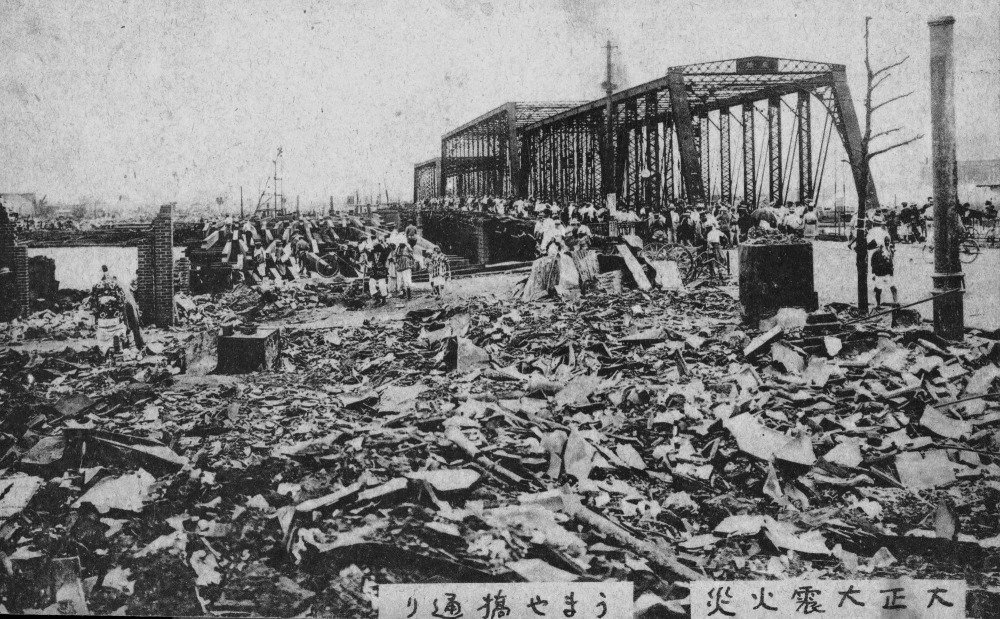
Massive destruction hit Tokyo and Yokohama, leaving large numbers of people homeless and triggering one of the most significant urban reconstruction programmes in modern Japanese history۔ On September 1, 1923, a powerful earthquake struck Japan’s Kanto region, causing widespread destruction across Tokyo and Yokohama. The earthquake, estimated at around magnitude 7.9, was followed by devastating fires that significantly increased the scale of destruction. According to the U.S. Geological Survey, the disaster destroyed hundreds of thousands of houses through fire, while the overall death toll exceeded 100,000 according to later assessments. The disaster went far beyond damage to individual buildings. Large parts of Tokyo’s urban infrastructure and residential areas were destroyed, creating an enormous challenge for the Japanese government. The National Diet Library of Japan records that survivors began rebuilding their lives in temporary shelters while the government moved towards a comprehensive reconstruction programme for the imperial capital. The reconstruction effort was led by Gotō Shinpei, who promoted an ambitious plan to rebuild Tokyo as a more organised and modern city. According to the Tokyo Metropolitan Government, the programme included the development of roads, bridges, rivers, canals and parks, along with land readjustment projects in areas devastated by the earthquake and subsequent fires. The reconstruction also introduced important changes in urban planning. Streets were widened, public spaces were created and damaged neighbourhoods were reorganised to improve the city’s infrastructure and living environment. Research on the reconstruction shows that new small parks were also developed, with many strategically located alongside primary schools. The Tokyo Metropolitan Government describes the reconstruction as an important early example of modern city planning. The programme not only reshaped large parts of Tokyo but also influenced later approaches to reconstruction and urban development in Japan. Roads, parks, waterways and other infrastructure created during the rebuilding process continued to contribute to the city’s development. The Great Kanto Earthquake therefore became more than a major natural disaster. Its aftermath marked a significant turning point in Tokyo’s history, demonstrating how a large scale catastrophe could lead to major changes in land use, infrastructure and urban planning. Sources(s) : U.S. Geological Survey
Read More >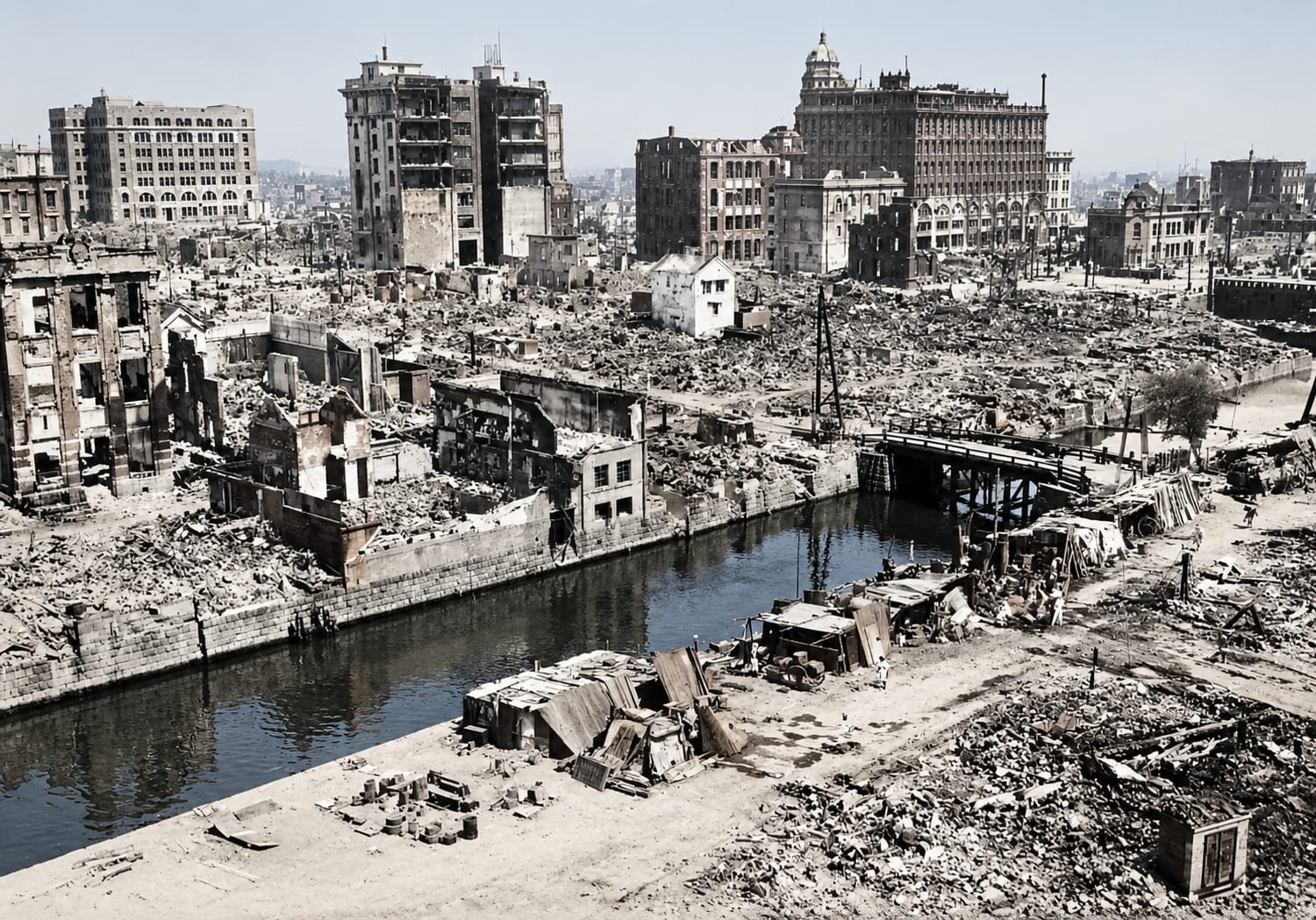
September 26, 1923, marked a critical moment in the aftermath of the Great Kanto Earthquake, as Japan moved from emergency relief toward the difficult task of rebuilding Tokyo and other devastated cities. The disaster had struck on September 1, destroying vast areas of Tokyo and Yokohama and leaving hundreds of thousands of homes damaged or destroyed. More than 1.5 million people were rendered homeless, according to historical research on the catastrophe. By September 26, the housing crisis had become intertwined with another major problem: property and tenancy disputes. Contemporary records from the period show that disputes over leases and rented houses had multiplied after the earthquake. Because communications remained severely disrupted, the Japanese government decided to establish special courts in district offices in the devastated areas to resolve such disputes more quickly. The rebuilding challenge was extraordinary. Around 370,000 houses had been burned or collapsed in the earthquake, creating an urgent need for temporary and permanent housing. The government supported temporary accommodation and provided financing mechanisms for people rebuilding their homes. What followed eventually transformed Tokyo's physical structure. Japan introduced large-scale land readjustment, widened roads, developed parks and rebuilt bridges and public infrastructure. The reconstruction programme also produced an important experiment in modern housing. The Dojunkai Foundation, established in 1923, initially constructed wooden houses and later developed reinforced-concrete apartment buildings equipped with modern facilities. Between 1926 and 1933, about 2,800 housing units were supplied through 16 locations in Tokyo and Yokohama. The transformation extended beyond housing. By the early 1930s, Tokyo had wider roads, new bridges, parks and reorganized neighbourhoods. Contemporary reporting later described the rebuilding of Tokyo and Yokohama as substantially completed within seven years. September 26 therefore stands as an important date in the history of property and urban development: only weeks after catastrophe, Tokyo was already confronting the fundamental questions that modern cities still face after disasters — where people will live, how damaged land should be reorganized, how tenants and owners should be protected, and how reconstruction can create a safer city for the future. This topic works particularly well for a ReNews “On This Date” historical series because September 26 is directly documented in contemporary records as a day when post-earthquake housing and property disputes were being addressed.
Read More >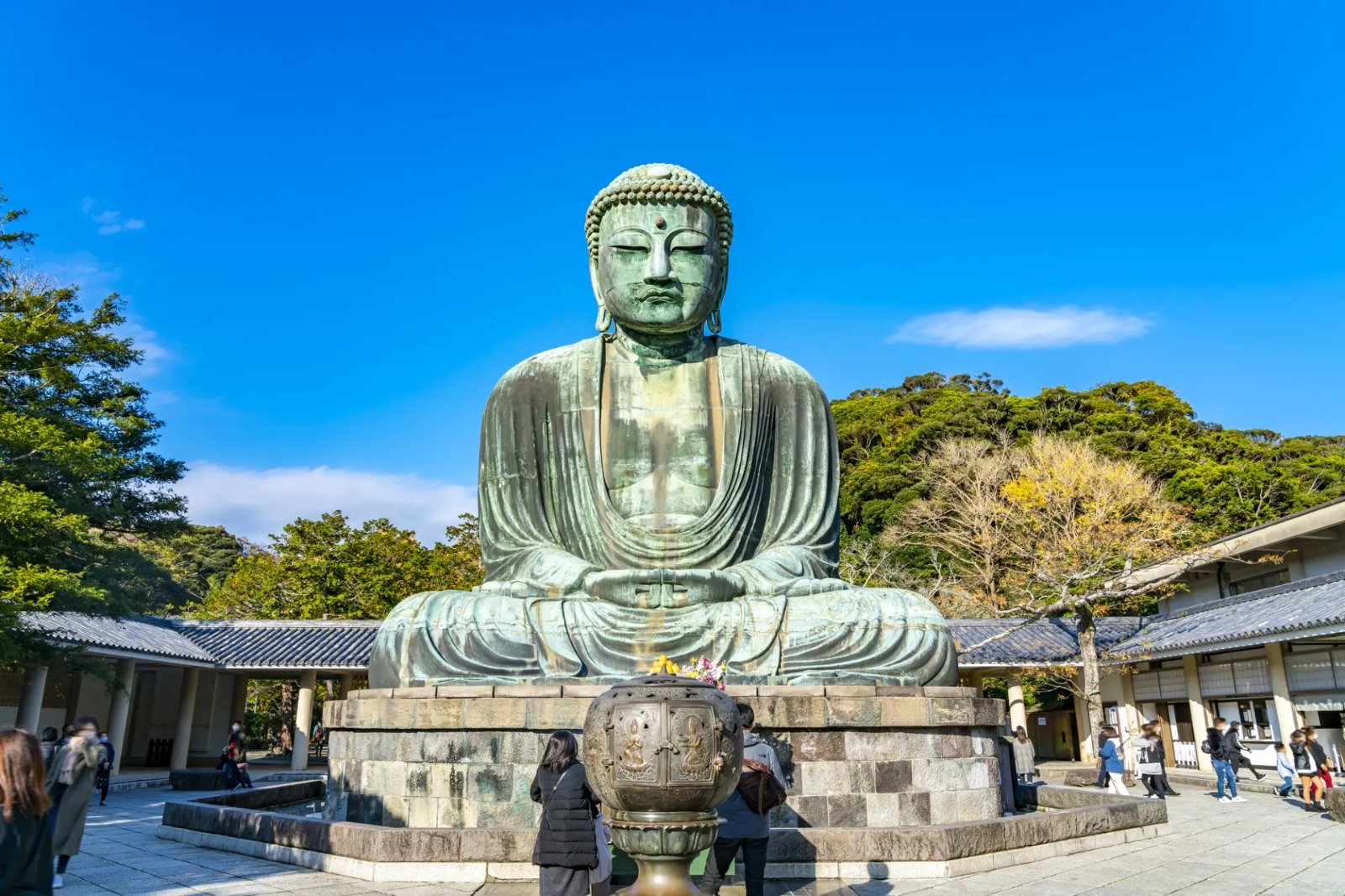
On September 20, 1498, a powerful earthquake near Japan’s Nankai region triggered a tsunami that destroyed the building housing the Great Buddha at Kotoku in Temple in Kamakura. The event remains an important example of the relationship between historic architecture, coastal settlements and natural disasters. The existing bronze statue of the Great Buddha stands approximately 13.35 metres tall and was originally housed inside a dedicated hall. Historical records indicate that the structure had already suffered repeated damage from severe weather. A typhoon destroyed the hall in 1334, after which it was rebuilt. Another storm damaged the building in 1369, leading to further reconstruction. However, the tsunami generated by the Nankai earthquake on September 20, 1498, swept away the building completely. The bronze statue survived, but it was not placed inside another hall afterwards and has remained outdoors ever since. In this way, a natural disaster not only destroyed a historic structure but also changed the long term architectural identity of the site. The incident illustrates the importance of considering location, coastal exposure, structural resilience and disaster preparedness when planning buildings in areas vulnerable to earthquakes and tsunamis. It also demonstrates that the destruction of a historic building does not necessarily mean the disappearance of the heritage associated with it. The surviving statue continued to preserve the cultural significance of the site while its open air setting became a defining feature of the monument. Today, the Great Buddha of Kamakura remains one of Japan’s recognised historic attractions. Its history reflects how architecture and cultural heritage can adapt after catastrophic events. From a real estate history perspective, the incident offers an enduring lesson: the value of a historic property is not limited to its physical structure, as cultural meaning, surviving landmarks and the surrounding site can continue to shape its identity long after the original building has disappeared.
Read More >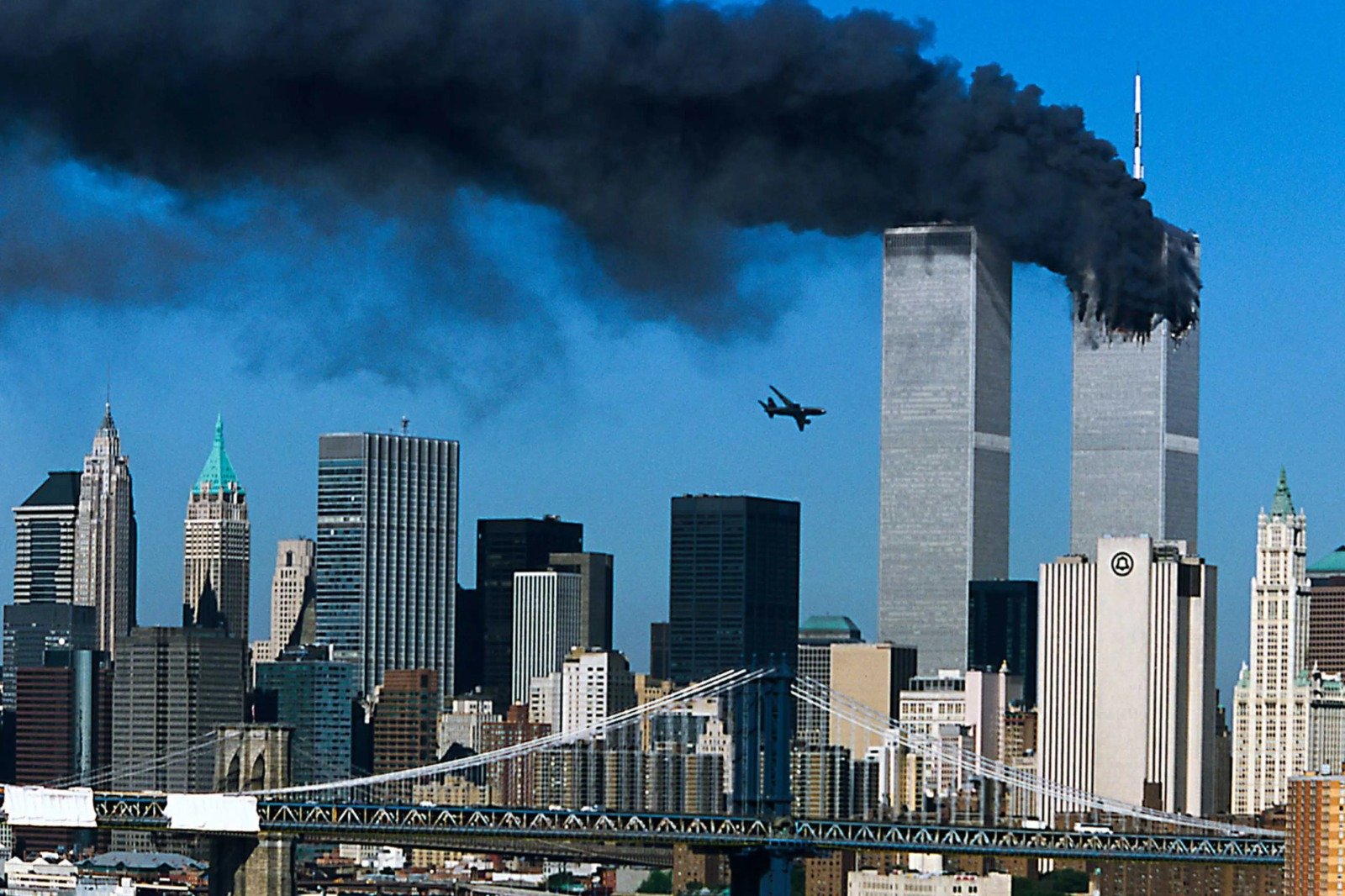
Some buildings become so deeply associated with a city that they eventually represent far more than steel, concrete and glass. New York’s World Trade Center Twin Towers were among those rare structures. Their story began as an ambitious urban and commercial development project, evolved into one of the world’s most recognizable architectural landmarks, and ultimately became inseparable from the tragedy of September 11, 2001. Yet the history of the Twin Towers began decades before 9/11. The Vision of a New Commercial Center in Manhattan After the Second World War, global trade expanded rapidly and New York was already one of the world’s most important business centers. Plans emerged to transform a large section of Lower Manhattan into a major commercial complex dedicated to international trade and business. The World Trade Center emerged from this vision. The project was undertaken by the Port Authority of New York and New Jersey, which sought to create a major commercial hub capable of accommodating a vast number of businesses and offices. In 1962, Guy Tozzoli was placed in charge of the World Trade Center’s development, construction and management. He subsequently selected Japanese-American architect Minoru Yamasaki as the project’s principal architect. Yamasaki’s initial concept involved buildings of more modest heights. As the project evolved, however, the plan was transformed into something far more ambitious: two exceptionally tall towers that would redefine the New York skyline. The Decision to Build Toward the Sky In 1964, the final World Trade Center proposal was unveiled. It included two 110-story towers, together with several other buildings forming a much larger commercial complex. The project was extraordinary not simply because of the height of the towers, but because of the enormous amount of commercial floor space it was designed to create. The completed complex provided roughly 10 million square feet of office space, making it one of the most ambitious commercial real-estate developments of its era. Instead of allowing business districts to spread horizontally across increasingly scarce urban land, the project took commercial space vertically...toward the sky. But before the towers could rise, an enormous amount of work had to take place beneath the ground. The Construction Beneath Manhattan The World Trade Center site was located in one of the busiest and most densely developed parts of Manhattan. Building the complex therefore required far more than simply erecting two skyscrapers. Large areas had to be excavated, foundations prepared, groundwater controlled and an extensive underground structure created. The project significantly altered the physical landscape of Lower Manhattan. Construction of the World Trade Center officially began on August 4, 1966. For years, thousands of workers, engineers, architects and specialists transformed the site into one of the largest construction projects in New York’s history. The Engineering Behind the Twin Towers The apparent simplicity of the Twin Towers concealed an extremely sophisticated structural system. Their exterior consisted of closely spaced steel columns arranged around the perimeter of each building. The internal structure contained a central core, while the floors connected the exterior columns with the core to create an integrated structural system. This approach allowed the towers to rise to extraordinary heights while providing large, relatively open office areas inside. Yamasaki also gave the towers a distinctive visual identity. Their narrow vertical windows and closely spaced exterior columns created a powerful sense of verticality. From street level, the towers appeared almost like continuous walls rising toward the sky. The design was therefore not simply an architectural statement. It was closely connected to the engineering requirements of constructing extremely tall buildings. Yamasaki also considered the relationship between the towers and the people moving around them. The surrounding plaza, fountains, trees, flowers and public spaces were intended to soften the overwhelming scale of the skyscrapers and create a more human urban environment. On April 4, 1973, the World Trade Center was officially dedicated. By then, the project had evolved from a commercial-development concept into a major urban center. Thousands of offices were eventually established within the towers and the wider complex, while tens of thousands of people worked there or visited for business and other activities. With approximately 10 million square feet of office space, the World Trade Center became one of the world's major commercial centers. For a time, the Twin Towers also held a place among the world’s tallest buildings. More importantly, they became a defining element of the New York skyline. Over the following decades, the towers became so closely associated with New York that they acquired a symbolic importance comparable to the historic monuments that define other great cities. They came to represent international commerce, modern architecture, investment and the extraordinary scale of American urban development. During the 1970s, 1980s and 1990s, the Twin Towers became an unmistakable part of New York’s visual identity. They appeared in films, television programs, newspapers, photographs and travel images around the world. Visitors arriving in New York could immediately recognize the towers as one of the city’s defining landmarks. From a real estate perspective, the World Trade Center was equally significant. It demonstrated how a large-scale development could combine commercial offices, transportation infrastructure, public space and urban planning on a single site. The project had transformed a substantial portion of Lower Manhattan and created a new center of economic activity. For nearly three decades, the towers stood as one of the most recognizable examples of large scale commercial real estate and high rise construction. On the morning of September 11, 2001, the World Trade Center was operating as a busy commercial center. Four passenger aircraft were hijacked by terrorists associated with al-Qaeda. Two of those aircraft were flown into the Twin Towers. One struck the North Tower, while the other struck the South Tower. The impacts caused devastating fires and severe structural damage. Thousands of people were trapped inside the buildings, while firefighters, police officers, emergency personnel and ordinary citizens attempted to help people escape. The same towers that had once represented the possibilities of modern engineering were suddenly at the center of an unprecedented catastrophe. The South Tower collapsed at 9:59 a.m., followed by the North Tower at 10:28 a.m. The destruction changed not only the Manhattan skyline but also global discussions about security, aviation, emergency response, skyscraper design and urban resilience. The attacks also targeted the Pentagon near Washington, D.C., while a fourth hijacked aircraft crashed in Pennsylvania after passengers and crew attempted to regain control of the plane. The End of the Towers : and the Beginning of a New Urban Chapter The destruction of the Twin Towers left behind a site that would become the focus of one of the most complex urban reconstruction efforts in modern history. The question was not simply how to rebuild the buildings. It was how to preserve the memory of those who had died while restoring Lower Manhattan as a functioning commercial district. The site therefore entered a new chapter combining memorialization, architecture, commercial development, transportation and public space. The 9/11 Memorial and Museum was established to preserve the memory and history of the attacks. At the same time, plans were developed to create a new World Trade Center complex and restore the area’s economic importance.
Read More >