
Syed Shayan Real Estate Archive
Syed Shayan Real Estate Archive
From Real Estate History
2 Historical Event found
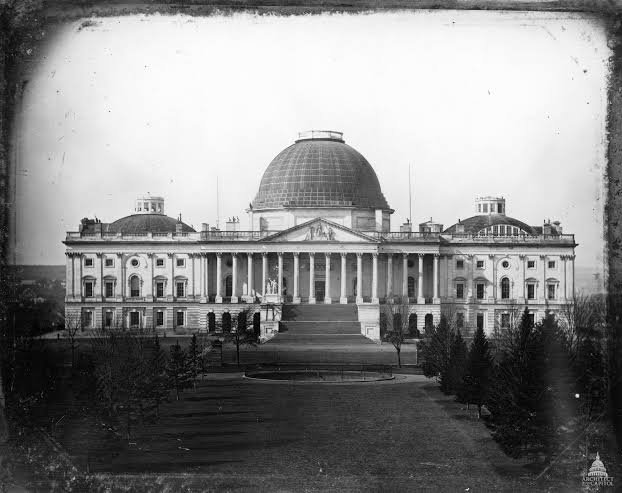
September 18, 1793, marked an important moment in the architectural and urban development history of Washington D.C. when President George Washington laid the foundation stone of the United States Capitol Building during a historic ceremony. The event represented the beginning of the construction of one of the most recognized government buildings in the world and played an important role in shaping the identity of the newly established federal capital. At that time, Washington D.C. was still developing as the permanent capital of the United States. The construction of the Capitol was not only a building project but also part of a broader urban planning vision to create a city centered around important public institutions. The location, design and development of the Capitol area influenced the growth of surrounding neighborhoods, infrastructure and future land use patterns in the capital region. The foundation ceremony itself became a historic public event, with President Washington participating in the laying of the cornerstone through a formal ceremony attended by civic and community representatives. The project later evolved into a major architectural landmark, with expansions and improvements continuing over many decades. From a real estate perspective, the Capitol demonstrates how landmark public buildings can transform cities. Large institutional developments often become anchors for urban growth by attracting infrastructure, increasing the importance of surrounding land and creating long-term economic and cultural value. Today, the U.S. Capitol is not only a symbol of government but also an example of how strategic construction projects can shape the identity and development direction of an entire urban area.
Read More >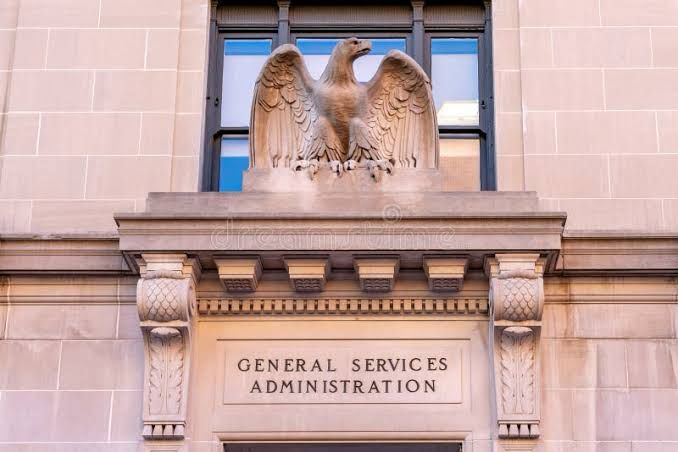
Washington DC: An important panel report on the United States federal real estate system was released on 11 March 2019 by the Public Buildings Reform Board. The board had been established under a law passed by the United States Congress known as the Federal Assets Sale and Transfer Act 2016. Its mandate was to identify unnecessary or underutilized buildings and properties owned by the federal government and to propose reforms for a more efficient management of federal assets. The report reviewed the structure of the federal real estate portfolio and presented recommendations to the relevant administrative authorities, particularly the General Services Administration, commonly known as GSA, which is the primary federal agency responsible for the management and maintenance of government buildings and properties across the United States. According to the report, the federal government owns approximately 360000 buildings and related structures nationwide. Among these, around 8000 to 9000 major federal buildings are directly managed by the GSA, with a combined floor area of roughly 370 million square feet. Over time many of these buildings have aged significantly, a number of them are underutilized, and some remain entirely vacant. As a result, repairs and maintenance that were not carried out in a timely manner accumulated into a large maintenance backlog. The estimated cost of these deferred repairs and renovations was projected to reach nearly 170 billion dollars. In light of these findings, the panel recommended that the federal government undertake a comprehensive review of its property portfolio, dispose of buildings that are unnecessary or underutilized, consolidate certain agencies into fewer facilities to improve efficiency, and reorganize the federal real estate system on stronger economic and administrative foundations. Following these recommendations, the federal government and the GSA gradually initiated several measures, including the sale or transfer of selected government properties and programs aimed at reducing the overall federal property portfolio. However, experts note that the process remains incomplete, and the large inventory of federal buildings along with the growing cost of maintenance continues to be an important subject of policy debate in the United States.
Read More >