
Syed Shayan Real Estate Archive
Syed Shayan Real Estate Archive
From Real Estate History
3 Historical Event found
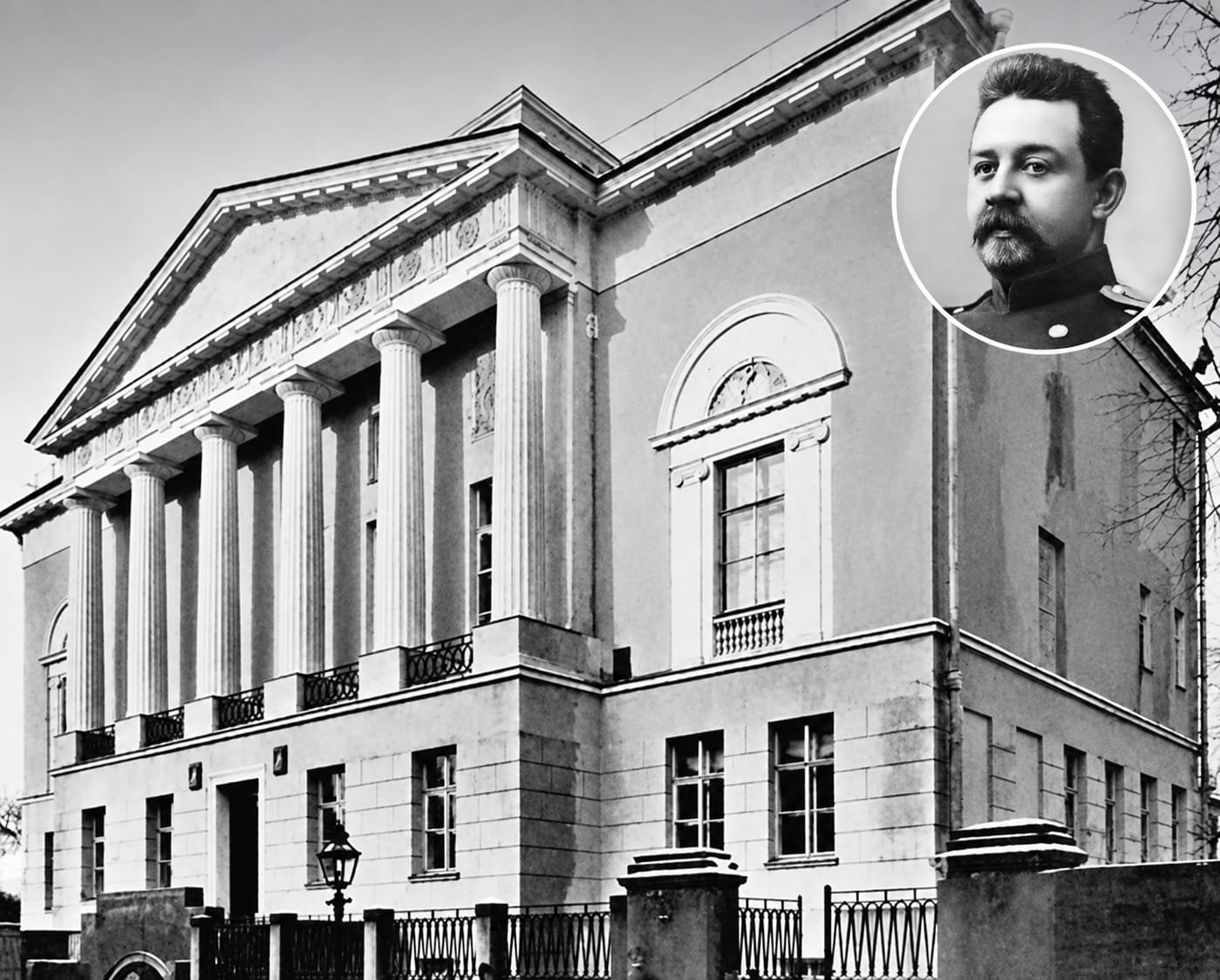
On October 4, 1869, prominent Russian engineer and architect Ivan Ivanovich Rerberg was born in Moscow, beginning the life of a designer whose work would later become an important part of the Russian capital’s architectural landscape. Rerberg emerged as one of the engineers and architects working across the late 19th and early 20th centuries who helped combine traditional architectural influences with changing construction technologies and the requirements of a rapidly evolving city. Among the most significant Moscow buildings associated with Rerberg are the Kiyevsky Railway Terminal and the Central Telegraph building. He was also involved in the design of an important administrative building within the Moscow Kremlin. Rerberg represented the fourth generation of a family of engineers. He graduated from the military engineering academy in St Petersburg in 1896 and became known for his interest in modern structural methods and practical approaches to building design. The Kiyevsky Railway Terminal became one of his best-known projects. As one of Moscow’s major railway gateways, the complex combined large-scale transport infrastructure with monumental architecture and eventually became part of the city’s distinctive built environment. Another major work was the Central Telegraph building on Moscow’s Tverskaya Street, constructed between 1925 and 1927. The project employed a reinforced-concrete structural frame and incorporated unusually spacious interiors for Moscow construction of the period. Rerberg’s work reflected a combination of engineering, functionality and architecture. His buildings made use of advanced metal and reinforced-concrete structures while retaining elements influenced by Russian classical architecture. Rerberg died in Moscow in 1932, but several buildings associated with his career remain part of the Russian capital’s architectural heritage and urban history. His birth on October 4, 1869, therefore marks the arrival of an engineer and architect whose projects would leave a lasting physical imprint on Moscow during a transformative period in the city’s development. Source(s) Great Soviet Encyclopedia
Read More >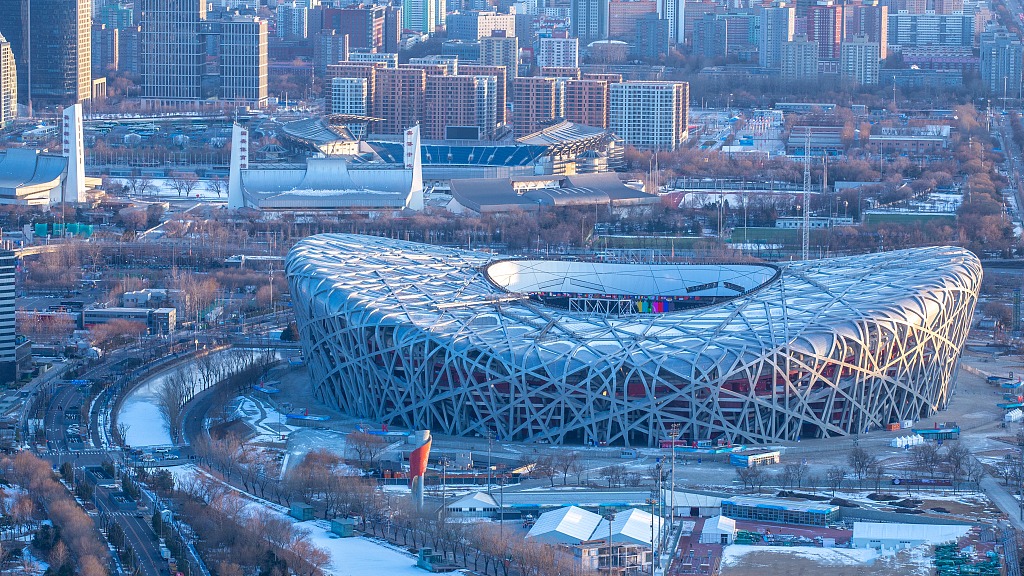
The International Olympic Committee selected Beijing, China, to host the 2008 Summer Olympic Games during its 112th Session in Moscow. The decision became a major turning point in Beijing’s modern urban development and built environment. Winning the Olympic bid accelerated the redevelopment of large areas of the Chinese capital. New sporting venues, residential accommodation, commercial facilities, public spaces and supporting infrastructure were planned and constructed, particularly around the newly developed Olympic Green. Land surrounding the Olympic district was transformed through large-scale master planning. Landmark projects such as the Beijing National Stadium, known as the Bird’s Nest, the National Aquatics Centre and the Olympic Village helped establish a new urban district and strengthened the development potential of adjoining neighbourhoods. The Games also accelerated investment in Beijing’s transport infrastructure. The city expanded its subway network, improved roads and regional connections, upgraded the airport and strengthened public transport links between residential, commercial and Olympic areas. Alongside construction, Beijing undertook wider environmental and infrastructure improvements, including upgrades to energy systems, cleaner heating arrangements, industrial relocation and measures to improve air quality. These initiatives contributed to the physical restructuring of several parts of the city. From a real estate perspective, Beijing’s selection on 13 July 2001 demonstrated how a global sporting event could reshape land use, accelerate infrastructure investment and create entirely new residential, commercial and mixed-use districts. The development programme also generated debate over redevelopment, demolition and the displacement of some residents, highlighting the need to balance major urban projects with housing and community rights.
Read More >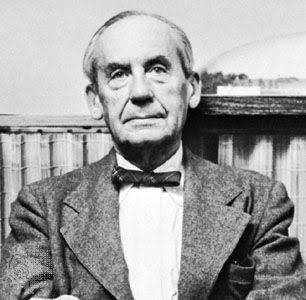
On 5 July 1969, Walter Gropius, one of the most influential figures in modern architecture, urban planning and real estate design, passed away in Boston. Gropius was a German born architect, urban thinker and founder of the Bauhaus School, one of the most important design movements of the twentieth century. The Bauhaus idea changed the way buildings were imagined and developed. Gropius believed that architecture should not be limited to decoration or visual beauty. A building, in his view, had to serve human needs. It had to provide function, light, air, simplicity, affordability and long term usability. This approach deeply influenced modern apartment buildings, offices, schools, universities, industrial spaces and civic developments. From a real estate perspective, Walter Gropius remains highly significant because he treated buildings as more than physical structures. For him, property was connected with lifestyle, social progress and the intelligent use of space. His ideas helped shape planned communities, modern housing schemes, open layouts, glass fronted buildings and functional architecture across the world. Many contemporary apartment blocks, office towers, educational campuses and residential communities still carry the influence of Bauhaus principles. Clean lines, practical layouts, open interiors and the belief that form should serve function all reflect the legacy of Gropius and his school. For the real estate and urban development sector, 5 July is a reminder that property is not only about land, construction or market value. Buildings shape how people live, work, learn and interact. Walter Gropius showed that thoughtful design can turn real estate into a powerful tool for better living and more progressive cities.
Read More >