On This Date
1869: Ivan Rerberg, Architect Behind Moscow Landmarks, Was Born
On October 4, 1869, prominent Russian engineer and architect Ivan Ivanovich Rerberg was born in Moscow, beginning the life of a designer whose work would later become an important part of the Russian capital’s architectural landscape.
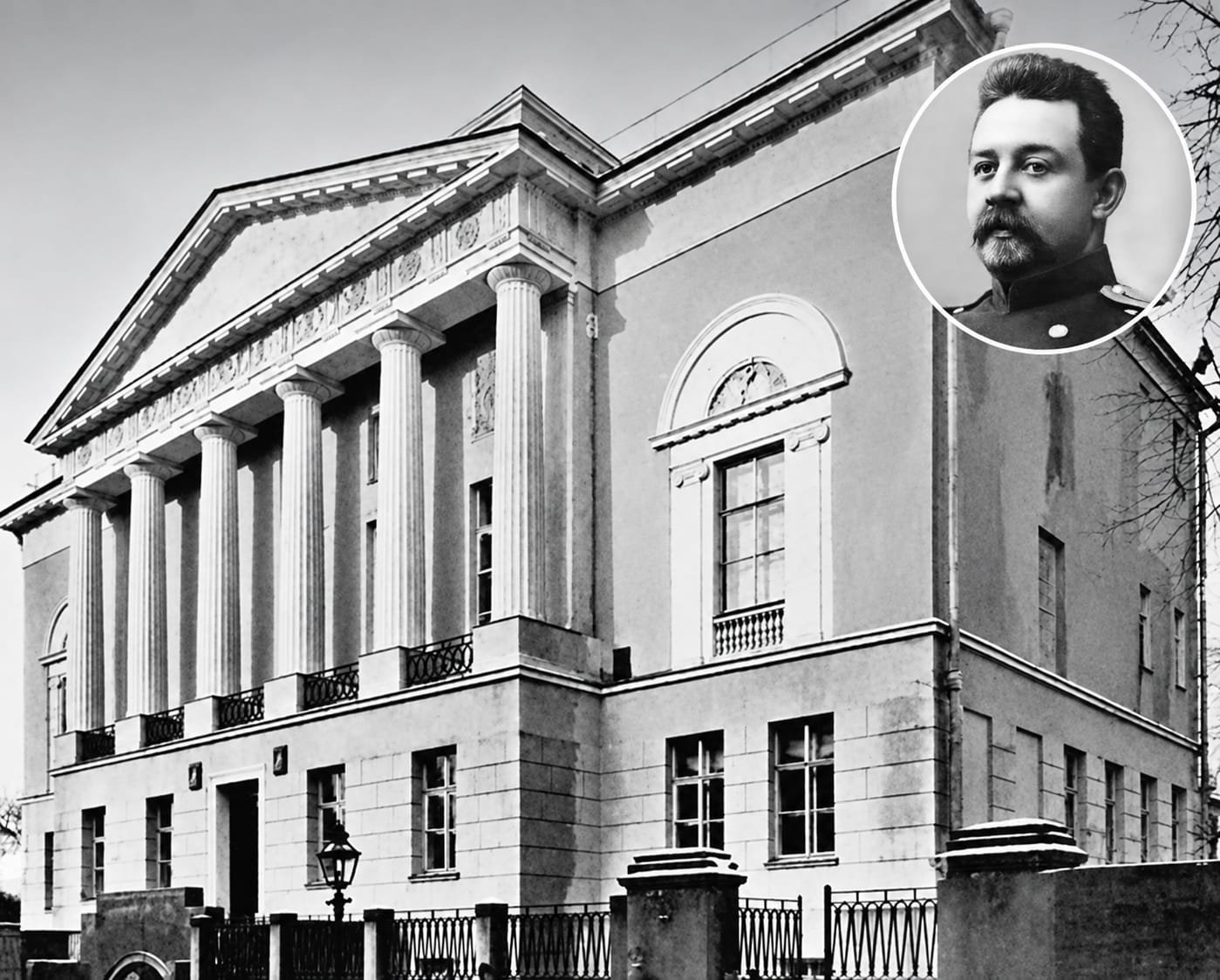
On October 4, 1869, prominent Russian engineer and architect Ivan Ivanovich Rerberg was born in Moscow, beginning the life of a designer whose work would later become an important part of the Russian capital’s architectural landscape.
Rerberg emerged as one of the engineers and architects working across the late 19th and early 20th centuries who helped combine traditional architectural influences with changing construction technologies and the requirements of a rapidly evolving city.
Among the most significant Moscow buildings associated with Rerberg are the Kiyevsky Railway Terminal and the Central Telegraph building. He was also involved in the design of an important administrative building within the Moscow Kremlin.
Rerberg represented the fourth generation of a family of engineers. He graduated from the military engineering academy in St Petersburg in 1896 and became known for his interest in modern structural methods and practical approaches to building design.
The Kiyevsky Railway Terminal became one of his best-known projects. As one of Moscow’s major railway gateways, the complex combined large-scale transport infrastructure with monumental architecture and eventually became part of the city’s distinctive built environment.
Another major work was the Central Telegraph building on Moscow’s Tverskaya Street, constructed between 1925 and 1927. The project employed a reinforced-concrete structural frame and incorporated unusually spacious interiors for Moscow construction of the period.
Rerberg’s work reflected a combination of engineering, functionality and architecture. His buildings made use of advanced metal and reinforced-concrete structures while retaining elements influenced by Russian classical architecture.
Rerberg died in Moscow in 1932, but several buildings associated with his career remain part of the Russian capital’s architectural heritage and urban history.
His birth on October 4, 1869, therefore marks the arrival of an engineer and architect whose projects would leave a lasting physical imprint on Moscow during a transformative period in the city’s development.
Source(s)
Great Soviet Encyclopedia
▪️Syed Shayan Real Estate Archive
▪ Reference(s):
On This Date
1869: ماسکو کی شناخت بدلنے والے معمار ایوان رَیربرگ پیدا ہوئے
4 اکتوبر 1869 کو ماسکو میں روس کے معروف انجینئر اور معمار ایوان ایوانووچ رَیربرگ پیدا ہوئے، جن کے ڈیزائن اور تعمیراتی کام نے بعد میں روسی دارالحکومت کے شہری منظرنامے پر نمایاں اثرات مرتب کیے۔
4 اکتوبر 1869 کو ماسکو میں روس کے معروف انجینئر اور معمار ایوان ایوانووچ رَیربرگ پیدا ہوئے، جن کے ڈیزائن اور تعمیراتی کام نے بعد میں روسی دارالحکومت کے شہری منظرنامے پر نمایاں اثرات مرتب کیے۔
رَیربرگ کا شمار 19 ویں صدی کے اختتام اور 20 ویں صدی کے ابتدائی عشروں کے ان روسی انجینئرز اور معماروں میں ہوتا ہے جنہوں نے روایتی فن تعمیر کو جدید تعمیراتی ٹیکنالوجی اور شہری ضروریات کے ساتھ جوڑنے میں اہم کردار ادا کیا۔
ان سے وابستہ ماسکو کی نمایاں عمارتوں میں کیفسکی ریلوے ٹرمینل اور سینٹرل ٹیلی گراف شامل ہیں، جبکہ انہوں نے کریملن کی ایک اہم انتظامی عمارت کے منصوبے پر بھی کام کیا۔
رَیربرگ انجینئرز کے ایک خاندان کی چوتھی نسل سے تعلق رکھتے تھے۔ انہوں نے 1896 میں سینٹ پیٹرزبرگ کی فوجی انجینئرنگ اکیڈمی سے تعلیم مکمل کی اور اپنے پیشہ ورانہ سفر کے دوران عمارتوں کے ڈھانچوں میں جدید تعمیراتی طریقوں کے استعمال پر خصوصی توجہ دی۔
کیفسکی ریلوے ٹرمینل ان کے نمایاں ترین منصوبوں میں شمار ہوتا ہے۔ ماسکو کے اہم ریلوے مراکز میں شامل اس عمارت نے بڑے عوامی بنیادی ڈھانچے اور شہری فن تعمیر کو یکجا کیا اور وقت کے ساتھ شہر کی تعمیراتی شناخت کا حصہ بن گئی۔
ان کے بعد کے اہم منصوبوں میں ماسکو کی تورسکایا سٹریٹ پر واقع سینٹرل ٹیلی گراف کی عمارت بھی شامل ہے، جو 1925 سے 1927 کے دوران تعمیر ہوئی۔ اس عمارت میں مضبوط کنکریٹ کے ڈھانچے اور کشادہ اندرونی جگہوں جیسے اس دور کے نسبتاً جدید تعمیراتی تصورات استعمال کیے گئے۔
رَیربرگ کے کام میں انجینئرنگ، عملی ضرورت اور فن تعمیر کا امتزاج نمایاں تھا۔ ان کی عمارتوں میں اپنے دور کی جدید دھاتی اور مضبوط کنکریٹ تعمیرات کو روسی کلاسیکی فن تعمیر کے عناصر کے ساتھ استعمال کیا گیا۔
ایوان رَیربرگ 1932 میں ماسکو میں انتقال کرگئے، تاہم ان سے وابستہ کئی عمارتیں آج بھی روسی دارالحکومت کے تعمیراتی ورثے اور شہری تاریخ کا حصہ ہیں۔
4 اکتوبر 1869 کو ان کی پیدائش روسی تعمیراتی تاریخ میں ایک ایسے انجینئر اور معمار کی آمد کی علامت بنی جس کے منصوبوں نے ماسکو کے بدلتے ہوئے شہری منظرنامے میں مستقل جگہ بنائی۔
▪️ سید شایان ریئل اسٹیٹ آرکائیو
No comments yet. Be the first to comment!