
Syed Shayan Real Estate Archive
Syed Shayan Real Estate Archive
From Real Estate History
On This Date
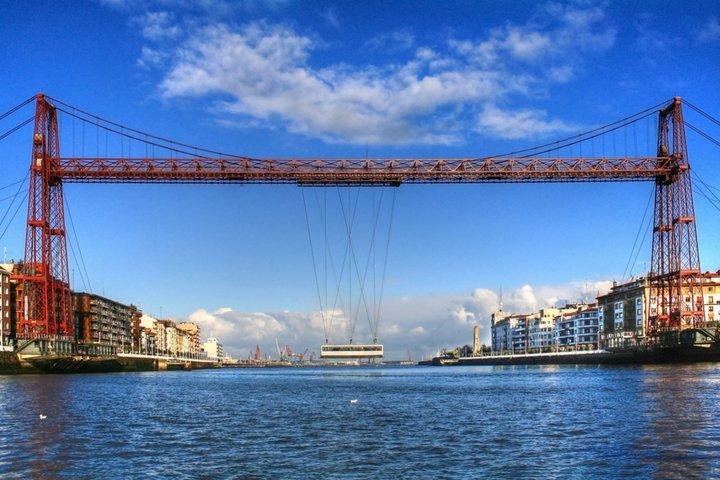
The Vizcaya Bridge opened to the public in northern Spain. Recognised as the world’s first transporter bridge, it introduced a new approach to bridge construction, urban connectivity and movement between growing industrial communities.
Located near Bilbao, the bridge connects the urban areas of Portugalete and Getxo across the estuary. Instead of carrying ordinary road traffic directly across its upper structure, the bridge uses a suspended platform known as a gondola to transport passengers and vehicles between the two riverbanks.
The high steel structure allowed large ships to continue passing beneath it. This was particularly important for the port and industrial economy of the Bilbao area, where uninterrupted river traffic was essential.
The bridge was designed by Basque architect Alberto de Palacio. Its combination of iron construction, steel cables and a suspended transporter mechanism created an influential new engineering design. Similar transporter bridges were later constructed in other parts of the world.
The bridge stopped operating between 1937 and 1941 after suffering damage during the Spanish Civil War. It was later restored, while further conservation work strengthened damaged structural elements and introduced modern safety systems. UNESCO added the Vizcaya Bridge to the World Heritage List in 2006, and it remains operational.
From a real estate and urban planning perspective, the bridge shows that a city does not grow through buildings alone. Reliable transport connections can bring residential, commercial and industrial districts closer together, improve access to land and support more effective urban development.
▪️Syed Shayan Real Estate Archive
On This Date
28 جولائی 1893 کو اسپین کے شمالی علاقے میں ویزکایا برج عوام کے لیے کھول دیا گیا۔ اسے دنیا کا پہلا ٹرانسپورٹر برج قرار دیا جاتا ہے، جس نے پلوں کی تعمیر، شہری رابطے اور صنعتی علاقوں کے درمیان آمدورفت کا ایک نیا طریقہ متعارف کرایا۔
یہ پل بلباؤ کے قریب دریائی دہانے پر پرتگالیتے اور گیتشو کے شہری علاقوں کو ملاتا ہے۔ روایتی پل کے برعکس اس کے بلند فولادی ڈھانچے کے نیچے ایک لٹکتا ہوا پلیٹ فارم یا گونڈولا چلتا ہے، جو مسافروں اور گاڑیوں کو دریا کے ایک کنارے سے دوسرے کنارے تک پہنچاتا ہے۔ اس ڈیزائن سے بڑے بحری جہازوں کی آمدورفت میں رکاوٹ پیدا نہیں ہوتی تھی۔
پل کو باسک معمار البرٹو ڈی پلاسیو نے ڈیزائن کیا تھا۔ اس میں لوہے اور فولادی تاروں کی نئی تکنیک استعمال کی گئی، جس نے بعد کے عشروں میں دنیا کے مختلف ممالک میں ٹرانسپورٹر پلوں کے ڈیزائن کو متاثر کیا۔
اسپین کی خانہ جنگی کے دوران نقصان کے باعث پل 1937 سے 1941 تک بند رہا، لیکن بحالی کے بعد دوبارہ فعال کردیا گیا۔ بعد میں اس کے بنیادی ڈھانچے کو مضبوط کیا گیا اور حفاظتی نظام بہتر بنائے گئے۔ ویزکایا برج کو 2006 میں یونیسکو کے عالمی ثقافتی ورثے میں شامل کیا گیا اور یہ آج بھی ایک فعال سفری رابطہ ہے۔
رئیل اسٹیٹ اور شہری منصوبہ بندی کے نقطہ نظر سے ویزکایا برج اس اصول کی نمایاں مثال ہے کہ شہروں کی ترقی صرف نئی عمارتوں سے نہیں ہوتی۔ بہتر سڑکیں، پل اور سفری رابطے رہائشی اور تجارتی علاقوں کو ایک دوسرے کے قریب لاتے اور شہری زمین کے استعمال کو زیادہ مؤثر بناتے ہیں۔
On This Date
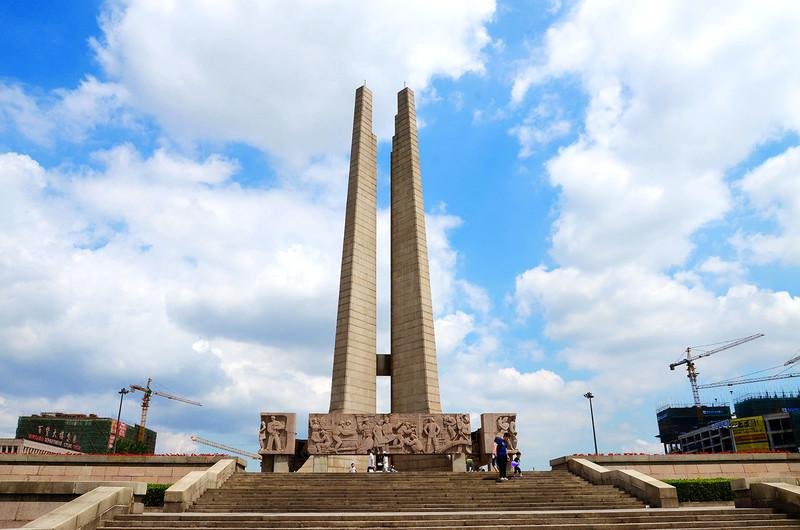
At 3:42 in the morning on July 28, 1976, a powerful earthquake struck the industrial city of Tangshan in China’s Hebei province. The earthquake, generally measured at magnitude 7.8, destroyed or severely damaged most of the city’s residential, commercial and public buildings.
Most residents were asleep inside their homes when the earthquake struck. Buildings collapsed within moments, while electricity, water, communications, roads, railway lines and bridges were seriously disrupted.
Official figures placed the death toll at around 240,000, making the Tangshan earthquake one of the deadliest natural disasters of modern history.
Many buildings had not been designed to withstand powerful ground movement. Unreinforced construction, weak structural systems and limited earthquake resistance contributed to the widespread destruction. The disaster demonstrated that appearance, location and price cannot replace structural safety and proper enforcement of building regulations.
A major reconstruction programme was launched after the earthquake. The rebuilding strategy included standardised building designs, greater use of industrial construction methods, restoration of public services, development of road networks and expansion towards surrounding towns. Tangshan’s main reconstruction was reported to be largely complete by the tenth anniversary of the disaster in 1986.
Tangshan was eventually rebuilt with new housing, industrial districts, wider roads and public memorials. The city is now widely studied as an example of recovery after large scale urban destruction.
Its lasting real estate lesson is clear: safe land selection, strong foundations, earthquake resistant design, open spaces, emergency routes and strict building code enforcement must be treated as essential parts of every urban development.
▪️Syed Shayan Real Estate Archive
On This Date
28 جولائی 1976 کی صبح 3 بج کر 42 منٹ پر چین کے صوبہ ہیبے کے صنعتی شہر تانگ شان میں شدید زلزلہ آیا۔ زلزلے کی شدت تقریباً 7.8 ریکارڈ کی گئی اور اس نے چند لمحوں میں شہر کے بیشتر رہائشی، تجارتی اور سرکاری ڈھانچے کو تباہ یا ناقابل استعمال کردیا۔
زلزلے کے وقت زیادہ تر شہری گھروں میں سو رہے تھے۔ عمارتیں گرنے کے ساتھ بجلی، پانی، مواصلات، سڑکوں، ریلوے لائنوں اور پلوں کا نظام بھی شدید متاثر ہوا۔ سرکاری اعداد و شمار کے مطابق تقریباً دو لاکھ 40 ہزار افراد جان سے گئے، جس کے باعث اسے جدید تاریخ کے مہلک ترین زلزلوں میں شمار کیا جاتا ہے۔
تباہی کی ایک بڑی وجہ یہ تھی کہ بہت سی عمارتیں شدید زلزلے کا مقابلہ کرنے کے لیے تیار نہیں تھیں۔ کمزور تعمیر، غیر مضبوط دیواریں اور زلزلہ مزاحم ڈیزائن کی کمی نے نقصان میں اضافہ کیا۔ اس سانحے نے واضح کردیا کہ عمارت کی خوب صورتی یا کم قیمت سے زیادہ اہم اس کی ساختی مضبوطی اور تعمیراتی قوانین پر عمل ہے۔
زلزلے کے بعد تانگ شان کی تعمیر نو کے لیے ایک وسیع منصوبہ شروع کیا گیا۔ تعمیراتی ڈیزائن کو معیاری بنانے، تیار شدہ تعمیراتی حصوں کے استعمال، نئی سڑکوں، مضافاتی آبادیوں اور شہری سہولیات کی بحالی کو ترجیح دی گئی۔ 1986 تک شہر کی بڑی تعمیر نو تقریباً مکمل ہونے کا اعلان کیا گیا۔
آج تانگ شان جدید عمارتوں، صنعتی علاقوں، کشادہ سڑکوں اور زلزلے کی یادگاروں کے ساتھ دوبارہ آباد شہر ہے۔ اس واقعے کا بنیادی رئیل اسٹیٹ سبق یہ ہے کہ محفوظ زمین کا انتخاب، مضبوط بنیاد، تعمیراتی معیار، کھلی جگہیں، ہنگامی راستے اور قانون پر سخت عمل کسی بھی شہر کے لیے لازمی ہیں۔
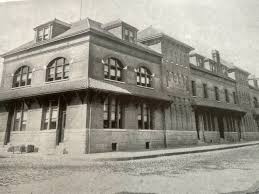
1979: The Hoboken Land and Improvement Company Building in New Jersey was added to the National Register of Historic Places, recognising its architectural, comm...
Read More →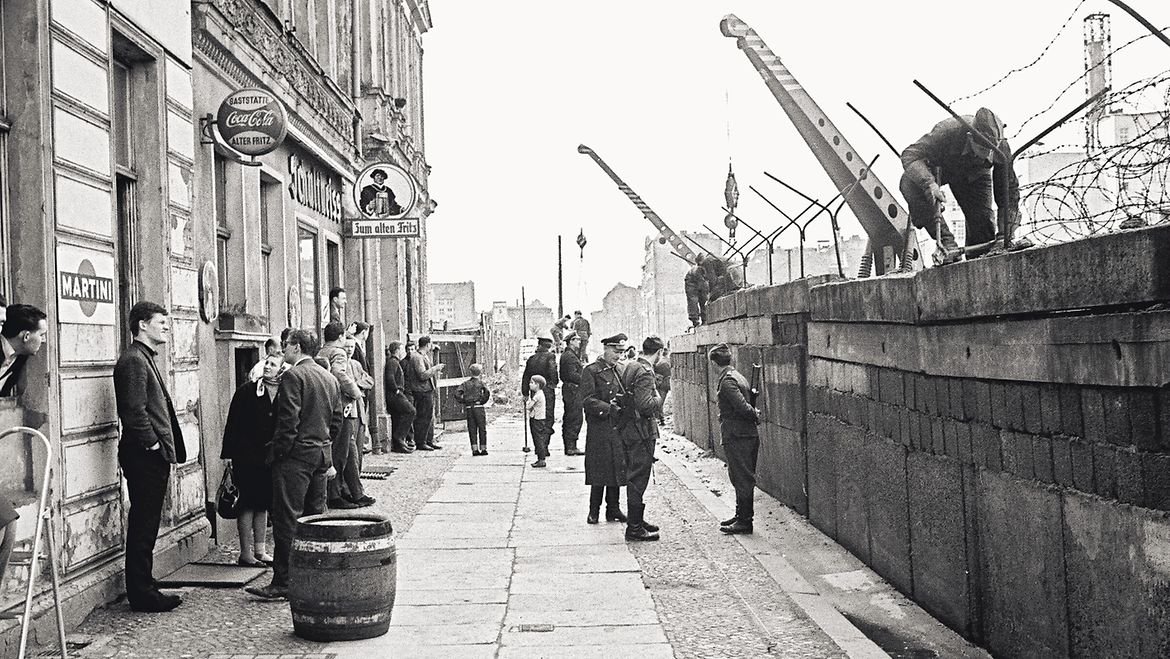
East German authorities began sealing the border between East and West Berlin, an action that would transform not only the political geography of Europe but als...
Read More →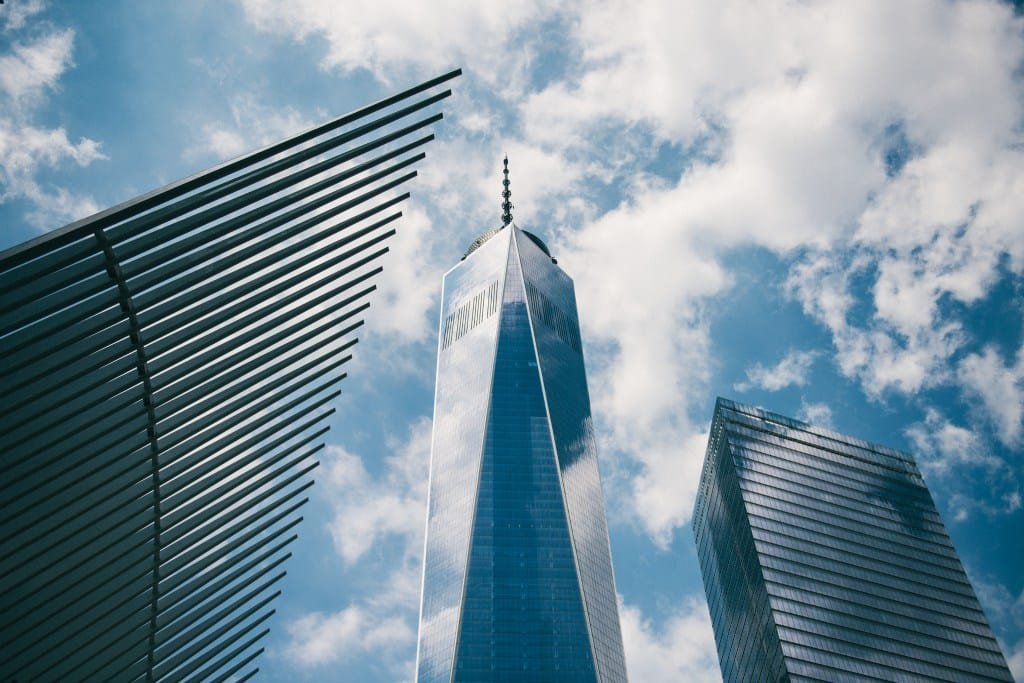
On August 16, 2016, Westfield World Trade Center officially opened in New York, marking a major milestone in the long redevelopment of the World Trade Center si...
Read More →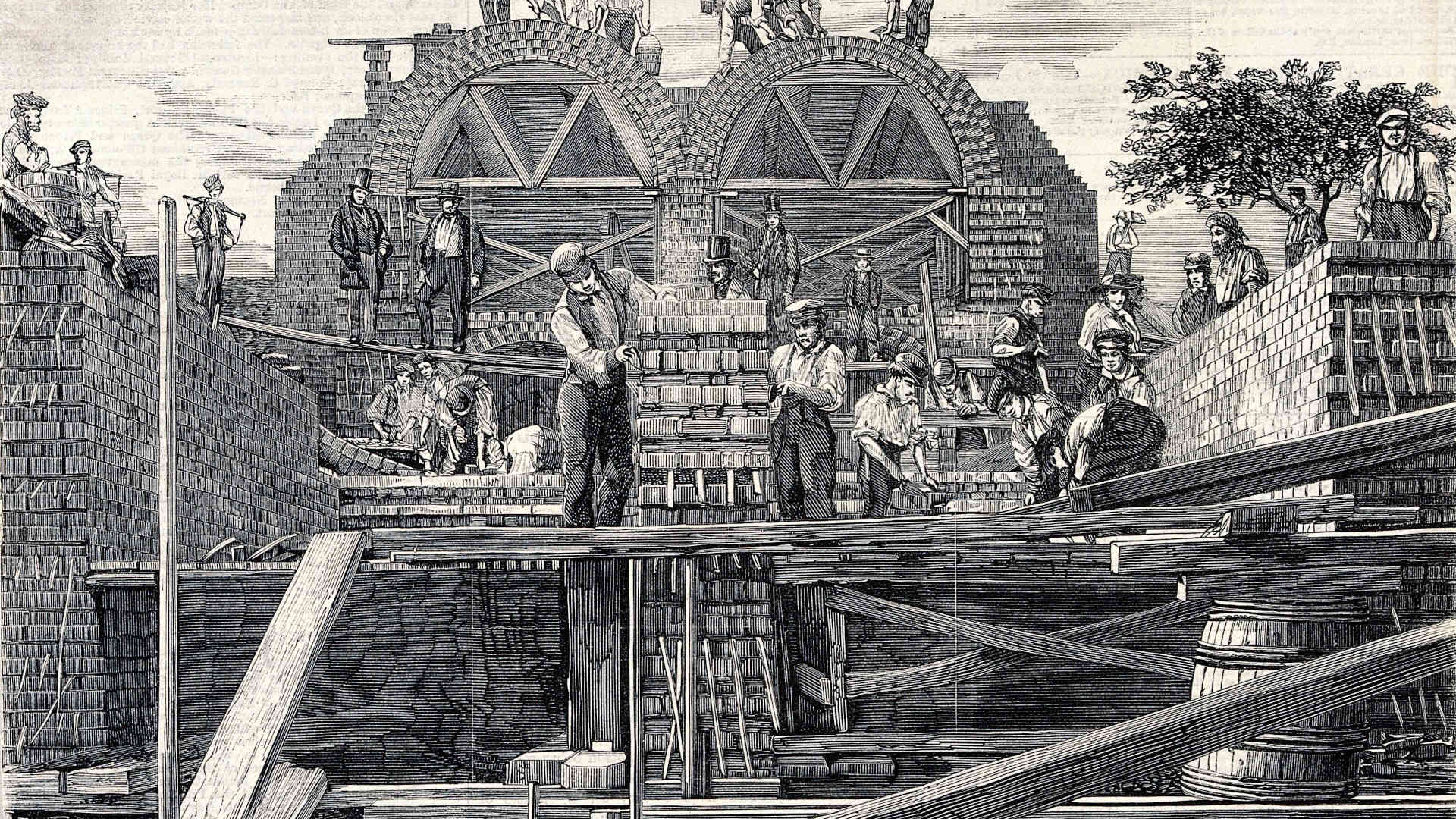
On November 11, 1894, the British Parliament approved the London Housing Reform Act to address worsening living standards in industrial London. The nineteenth c...
Read More →
On 27 November 1962, the Lahore Improvement Trust (LIT) issued a landmark resolution approving, for the first time, the formal urban expansion of Lahore across ...
Read More →
The acquisition of land for the Model Town Society was one of the most remarkable and spirited chapters in its early history. Dewan Khem Chand and his...

Between 1921 and 1924, the land for Model Town Lahore was acquired in successive phases. The process began in 1921, shortly after the establishment of...
No comments yet. Be the first to comment!