
Syed Shayan Real Estate Archive
Syed Shayan Real Estate Archive
From Real Estate History
4 Historical Event found
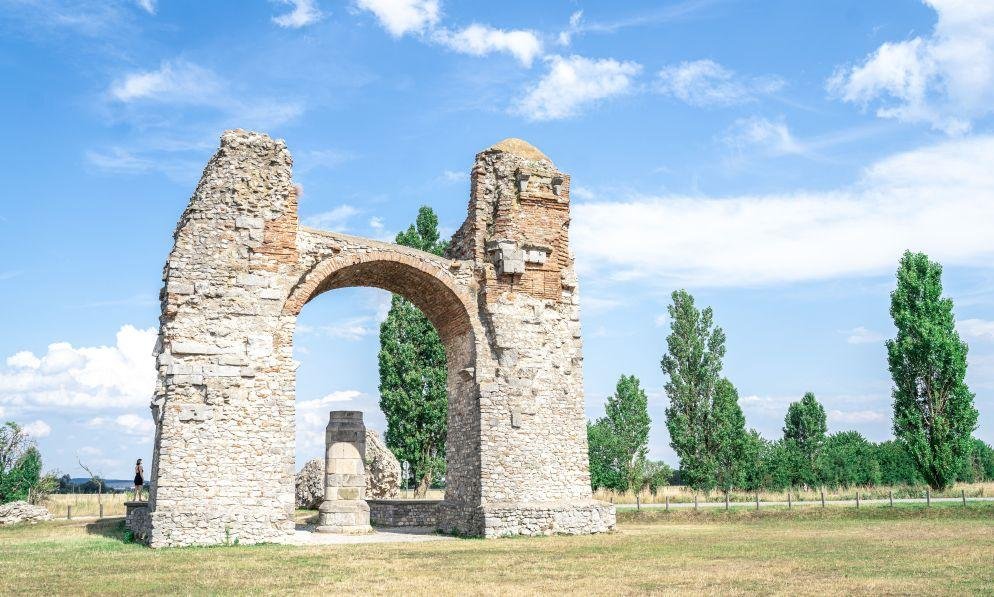
UNESCO added the western section of the Roman Empire’s Danube frontier to the World Heritage List. Extending for almost 600 kilometres across Germany, Austria and Slovakia, the historic property comprises 77 significant locations, including military fortresses, smaller forts, watchtowers, roads, temporary camps and civilian settlements that developed around Roman defensive centres. The frontier was established and expanded between the first and fifth centuries to protect and administer the northern limits of the Roman Empire. However, the sites did not remain isolated military installations. Soldiers required food, equipment, services and accommodation, attracting traders, craftspeople, labourers and families to the surrounding land. Markets, houses, public baths, places of worship, storage buildings and other community facilities gradually appeared near the forts. Some of these settlements developed into permanent towns, while former military roads continued to influence travel, trade and the location of later communities. From a real estate history perspective, the Danube frontier demonstrates how major government infrastructure can determine land use and direct urban growth. Fortresses acted as employment and commercial centres, while roads improved access to strategically important locations. As a result, the value and usefulness of surrounding land increased, encouraging residential and commercial development. During the medieval period, several Roman structures and building materials were reused in new construction. In some places, later settlements were built directly over or around the remains of Roman military sites. Their street patterns, defensive boundaries and building locations therefore continued to shape the physical form of European towns long after the Roman administration had disappeared. World Heritage status placed greater emphasis on coordinated conservation, archaeological protection and controlled development around the historic locations. New roads, buildings, utilities and commercial projects near protected sites must now be considered alongside the historical and cultural value of the land. The Danube frontier remains a powerful example of how historic property can serve modern communities. With careful planning, ancient buildings and archaeological landscapes can support tourism, local employment and heritage led regeneration without losing the character that makes them valuable.
Read More >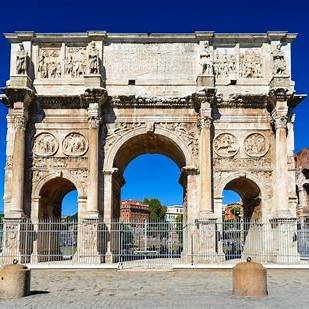
The Arch of Constantine was formally dedicated in Rome. The Roman Senate commissioned it to celebrate Emperor Constantine’s victory over Maxentius at the Battle of the Milvian Bridge in 312 and to mark the beginning of the tenth year of Constantine’s rule. Standing on the ancient triumphal route near the Colosseum, the arch was designed as a public statement of victory, authority and political legitimacy. Its importance lies not only in its location but also in the way it was assembled. Much of the marble decoration came from older imperial monuments associated with Trajan, Hadrian and Marcus Aurelius. Their relief panels, statues and carved slabs were reorganised within a new architectural design. Several earlier imperial faces were also altered to resemble Constantine. In modern language, selected parts of older buildings were used to create a new political message. This reuse preserved valuable Roman sculpture, but it also changed its original meaning. The arch therefore offers a powerful example of how buildings can carry several layers of history. A structure may begin as official propaganda, later become an archaeological record and eventually serve as a protected public landmark. Today, the Arch of Constantine remains the largest surviving honorary arch of ancient Rome. Its position beside one of the world’s most recognisable heritage areas makes careful maintenance especially important. Conservation work must protect its marble, reliefs and structural elements while keeping the surrounding urban space accessible. For modern cities, the monument offers a clear lesson: architecture is never only stone and decoration. Public buildings shape collective memory, express authority and influence how later generations understand a city’s past.
Read More >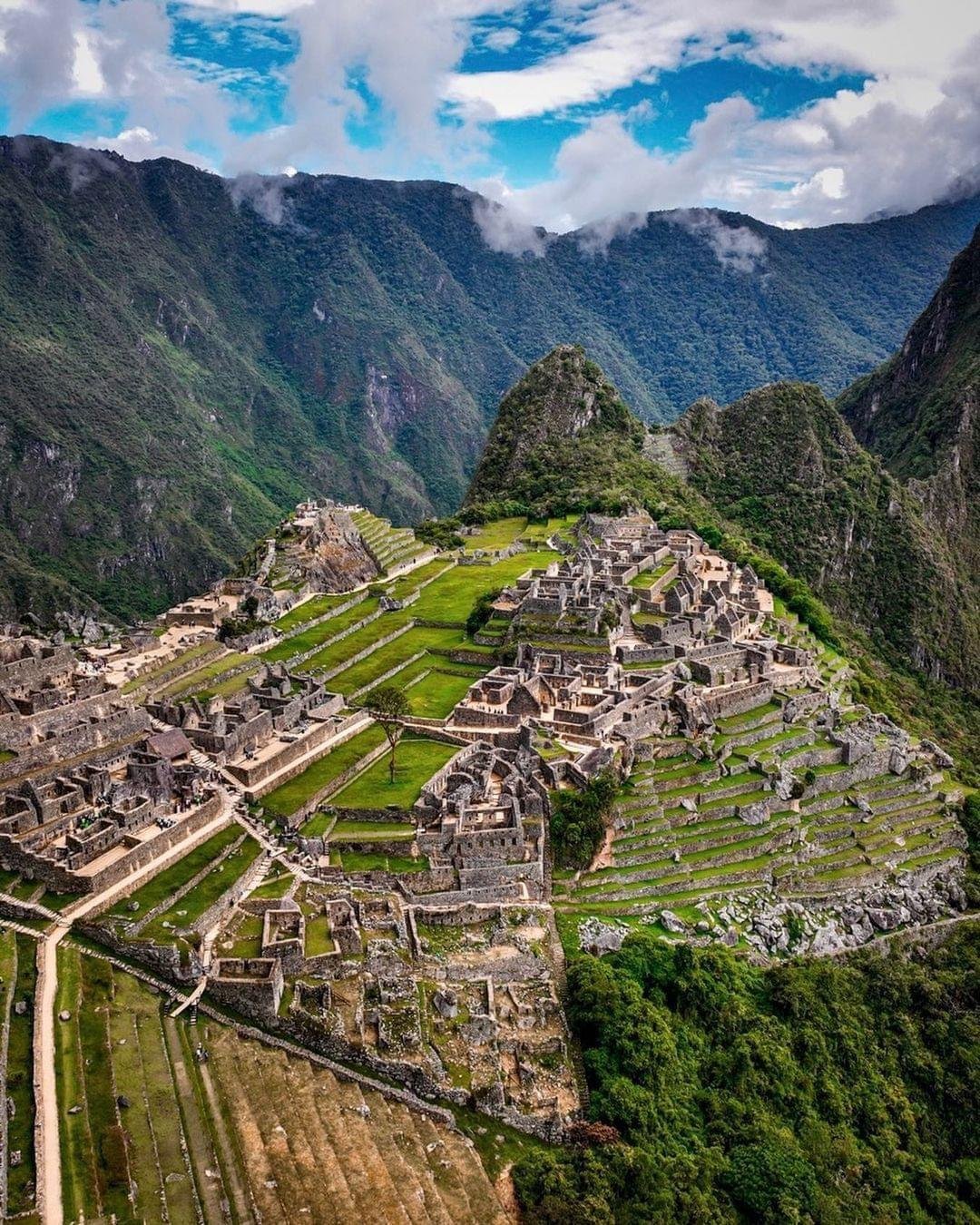
Machu Picchu, the ancient Inca settlement located in Peru’s Andes Mountains, gained international attention when explorer Hiram Bingham reached the site with the assistance of local guides. The location was already known to local communities, which is why many historians describe the event not as its “discovery,” but as its reintroduction to the wider world. Machu Picchu was built during the 15th century, at the height of the Inca Empire. It stands on a mountain ridge about 2,430 metres above sea level. The settlement contains stone buildings, stairways, open courtyards, ceremonial sites and agricultural terraces constructed along the slopes. These terraces provided level ground for cultivation, helped manage rainwater and reduced the risk of landslides. One of the most remarkable features of the ancient settlement is that it was designed in accordance with the natural shape of the mountain rather than against it. Large stones, strong walls, pathways and terraced fields were arranged to meet the needs of housing, food production, water management and movement in a difficult mountainous location. UNESCO describes Machu Picchu as an exceptional masterpiece of Inca art, urban planning, architecture and engineering. Following Bingham’s expedition, photographs and information about Machu Picchu spread across the world. It later became a major symbol of Peru’s national identity, tourism industry and cultural heritage. However, the continued growth of tourism has also raised concerns about how to balance public access to the historic site with the need to protect and preserve it. For students of real estate and urban planning, Machu Picchu continues to offer an important lesson: settlements designed with a proper understanding of natural terrain, water routes, local materials and the surrounding environment can survive for centuries.
Read More >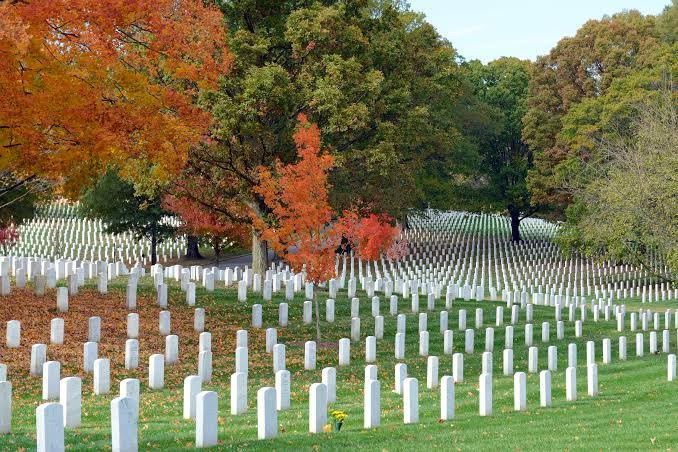
On 10 March 1930, the 27th President of the United States, William Howard Taft, was laid to rest at the nation’s renowned national burial ground, Arlington National Cemetery. He became the first U.S. president to be buried in this historic cemetery. Taft had passed away two days earlier, on 8 March 1930, and was interred with full state honors. Arlington National Cemetery is the most prominent national cemetery in the United States. It is located in the state of Virginia, directly across the Potomac River from Washington, D.C. In practical terms, it forms part of the greater Washington metropolitan area. The cemetery was established in 1864 during the American Civil War. From today’s perspective, it has existed for approximately 160 years. The land originally belonged to the family of Robert E. Lee, the Confederate Army commander during the Civil War. During the conflict, the U.S. government converted the property into a military burial ground, which later evolved into the country’s principal national cemetery. Today, Arlington National Cemetery spans roughly 639 acres. According to official estimates, it contains more than 400,000 graves. These include the resting places of American soldiers, war heroes, national leaders, Supreme Court justices, and many other prominent figures. The cemetery remains active, and thousands of burials continue to take place there each year. [img:Images/otd-10-mar-2nd.jpeg | desc:One of the most interesting and striking features of Arlington National Cemetery is that despite having more than 400,000 graves, every grave is marked with a white marble headstone of the same size and design. No grave of a soldier, general, judge, or even a president appears larger or more prominent than the others. The idea behind this uniformity is to convey a powerful message that in the face of national service and sacrifice, all ranks and titles stand equal.] The historical significance of this cemetery is profound. U.S. presidents, military generals, and national heroes are buried here. The site also contains the famous memorial known as the Tomb of the Unknown Soldier, where a continuous military guard stands in honor of unidentified soldiers who died in service to the nation.
Read More >