Logo

Syed Shayan Real Estate Archive

Logo

From Real Estate History

Home

Select Date

9 Cities & Urban Monuments

9 Cities & Urban Monuments

1 Historical Event found

1920: Singapore’s Waterfront Redevelopment Takes a Historic Step

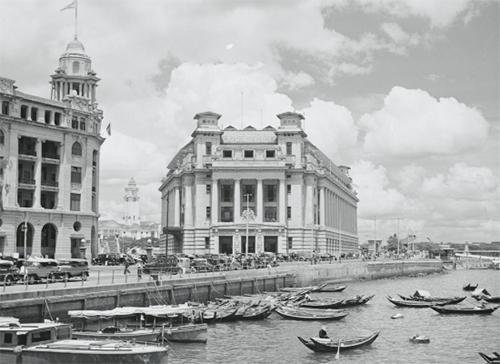
On September 30, 1920, an important planning stage emerged for the development of a major government building on Singapore’s central waterfront, setting the groundwork for a project that would later transform the city’s commercial and urban landscape. Following the First World War, the colonial administration in Singapore faced a growing need for additional office space to accommodate an expanding civil service. A major waterfront site in the centre of the city was identified for redevelopment. According to a historical study by Singapore’s National Library Board, the Straits Times on September 30, 1920 highlighted the exceptional location of the site and reported on the government’s decision to hold an open architectural competition for the proposed building. The site was strategically located near the old Post Office and Exchange Building and formed part of Singapore’s important waterfront commercial district. Its position close to the harbour made it significant not only for government administration but also for the wider development of the city’s commercial core. The government decided that an open architectural competition should be held to select an appropriate design for such an important location. The competition was won by the Shanghai based architectural practice of Keys & Dowdeswell. However, construction did not begin immediately. Economic uncertainty in the early 1920s, including a downturn in tin and rubber prices, led to the postponement of the project. Construction eventually began in 1924. The project later became the Fullerton Building, which was officially opened on June 28, 1928. The building housed the General Post Office as well as several government departments and other facilities. With a waterfront frontage of about 400 feet, its scale and architectural presence made it one of the defining structures of central Singapore. The development became an important chapter in Singapore’s real estate history because it demonstrated how a strategically located waterfront site could be redeveloped for government, commercial and urban purposes. The Fullerton Building was also part of a broader transformation of the waterfront during the 1920s, when several major buildings emerged and reshaped Singapore’s skyline and commercial identity. Source(s) : National Library Board Singapore

Read More >