Logo

Syed Shayan Real Estate Archive

Logo

From Real Estate History

Home

Select Date

Real Estate Bubbles, Crashes & Lessons

Real Estate Bubbles, Crashes & Lessons

1 Historical Event found

2008 : Housing and Mortgage Crisis Pushed the Global Financial System into Severe Distress

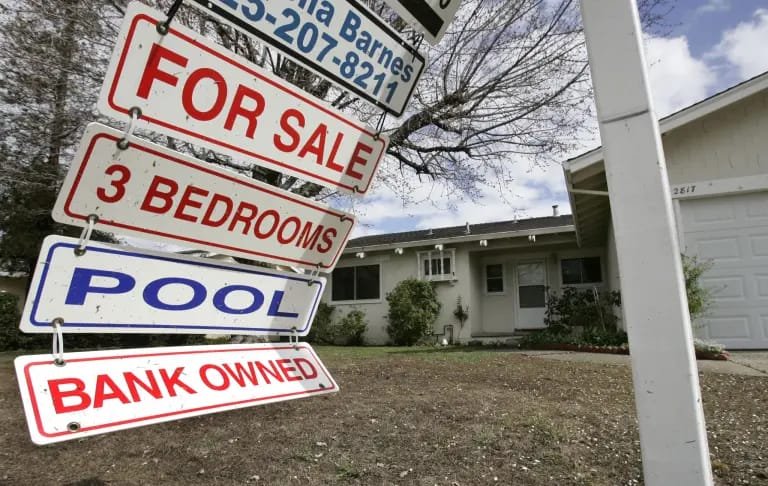
October 7, 2008 stands out as an important date in global financial and real estate history, as the financial systems of the United States and other major economies were facing extraordinary stress and the housing and mortgage crisis had become a central driver of global financial instability. On that day, U.S. Federal Reserve Chairman Ben Bernanke warned in a speech in Washington that financial systems in the United States and many other parts of the world were under exceptional pressure, with credit and money markets experiencing particularly severe strains. The roots of the crisis lay largely in the U.S. housing market, where years of rapidly rising property prices, easy access to credit and weak mortgage lending standards had created significant vulnerabilities. When home prices began to decline, mortgage defaults and foreclosures increased, causing the value of mortgage-related financial assets and securities to fall sharply. The Federal Reserve later acknowledged that the deterioration of the housing market, combined with poor lending practices, generated major losses for financial institutions and intensified the broader financial crisis. On October 7, 2008, the Federal Open Market Committee also held an emergency conference call to assess the rapidly worsening situation. During the discussion, Bernanke described conditions as extraordinary and noted that severe pressure was no longer confined to one part of the financial system but had spread across credit markets. The same day, the Federal Reserve announced the creation of the Commercial Paper Funding Facility in an effort to restore liquidity and improve access to short-term credit as financial markets increasingly froze. One day later, on October 8, the Federal Reserve, Bank of England, European Central Bank and several other major central banks took the unusual step of coordinating interest rate cuts in an attempt to stabilise global financial markets. The period became a defining moment in real estate history because it demonstrated that a housing downturn does not necessarily remain confined to property prices. When mortgages are deeply interconnected with banks, investment markets and securitised financial products, a decline in real estate values can threaten the stability of the entire financial system. In the aftermath of the 2008 crisis, mortgage lending rules, bank capital requirements, borrower verification standards and oversight of property backed financial assets were strengthened in many countries. The U.S. Federal Reserve subsequently introduced major programmes involving mortgage backed securities and housing related government sponsored enterprises in an effort to stabilise mortgage markets and support the wider financial system. October 7, 2008 remains an important lesson in real estate history: rapidly rising property prices, easy credit, weak lending standards and excessive financial risk can combine to transform a housing market correction into a global financial crisis. The collapse of the U.S. housing market, subprime mortgages and losses on mortgage backed securities helped turn a property downturn into a global financial crisis Source(s) : U.S. Federal Reserve

Read More >