
Syed Shayan Real Estate Archive
Syed Shayan Real Estate Archive
From Real Estate History
2 Historical Event found
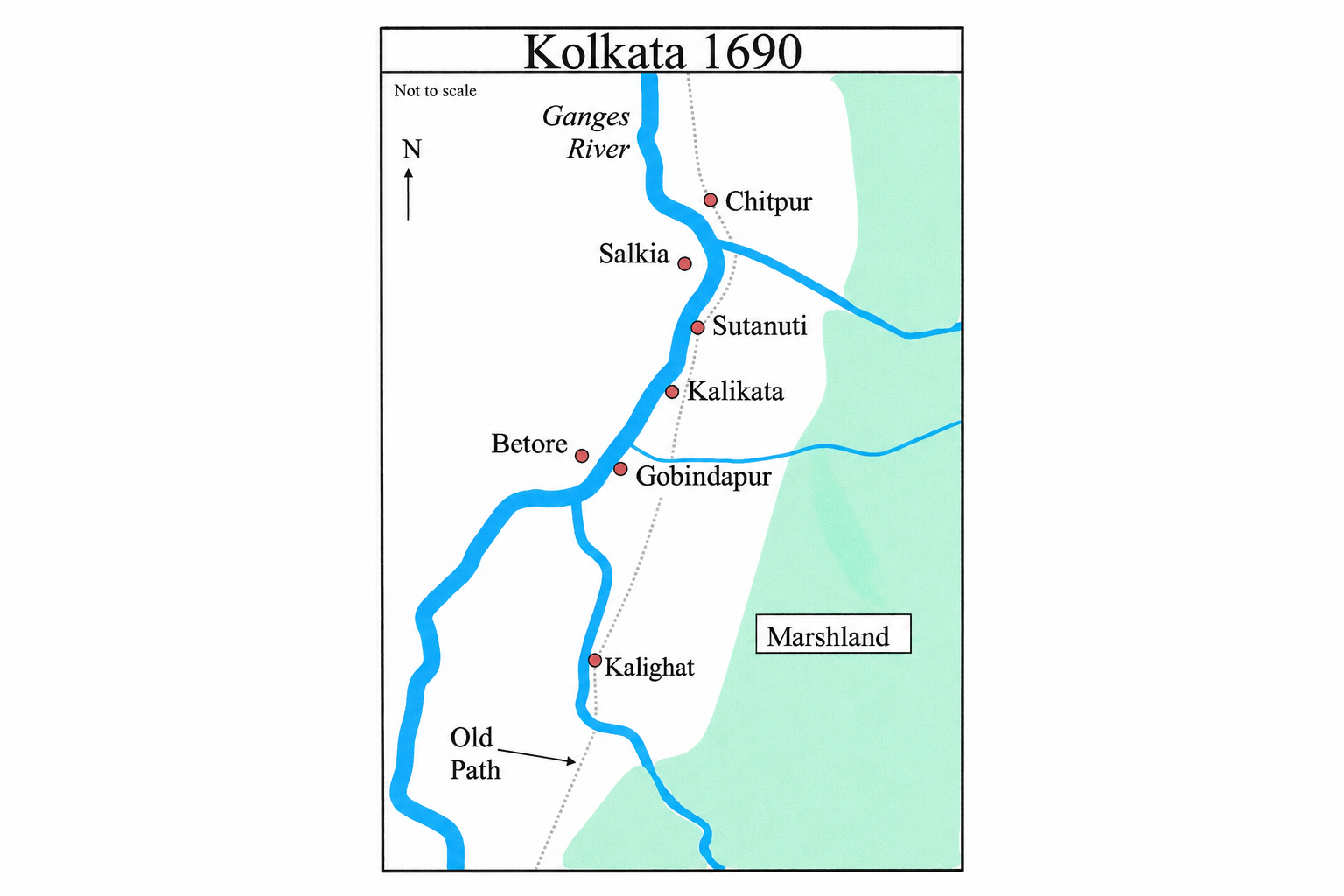
On August 24, 1690, Job Charnock, an agent of the British East India Company, returned to Sutanuti, a settlement on the banks of the Hooghly River. For generations, the event was treated as the founding date of Calcutta, now Kolkata, with Charnock widely described as the city’s founder. The land, however, was far from empty when he arrived. Sutanuti was already an established textile and yarn trading centre, while the neighbouring settlements of Kalikata and Gobindapur formed part of an existing social and economic landscape. The East India Company subsequently developed the area as an important base for its Bengal operations. In 1698, it secured landholding rights over Sutanuti, Kalikata and Gobindapur. Commercial premises, warehouses, residences and eventually Fort William followed as the riverfront became increasingly important for trade, transport and urban development. Over the following decades, these settlements expanded and gradually merged into a major commercial and administrative centre. Calcutta would eventually emerge as one of the most important cities of British India and a major centre of property, commerce and urban expansion in South Asia. The traditional account of its birth, however, was formally challenged centuries later. In 2003, the Calcutta High Court accepted the findings of an expert committee which concluded that Job Charnock could not be regarded as the founder of Kolkata and that August 24, 1690 could not be identified as the city’s definitive date of birth. The city, it found, had evolved gradually from settlements that existed before Charnock’s arrival. For real estate and urban history, the episode offers a particularly relevant lesson. Major cities rarely emerge from a single event. They develop through the interaction of land ownership, trade, transport links, existing communities, infrastructure and successive waves of development. August 24 therefore marks not the birth of Kolkata, but an important moment in the long transformation of three riverside settlements into one of South Asia’s great metropolitan centres.
Read More >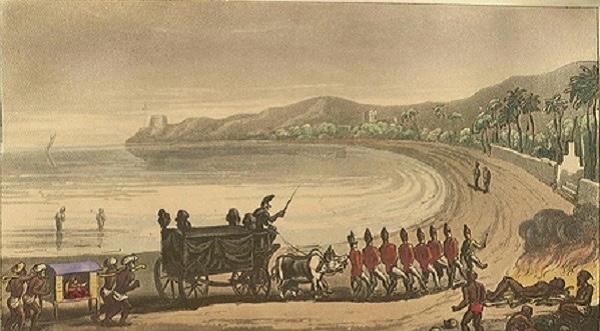
The Mumbai we see today was not the same in 1668. At that time, it was not a single organised city but a cluster of seven separate islands, with seawater flowing between them. There were marshes, salt flats, and moving from one island to another was itself a difficult task. On March 27 1668, under a Royal Charter, the seven islands of Bombay were handed over to the English East India Company for a nominal annual rent of 10 pounds. Before this, these islands were under Portuguese control and had been transferred to England in 1661 as part of the marriage agreement between King Charles II of England and Catherine of Braganza of Portugal. The British Crown later chose not to administer the territory directly and instead assigned it to the East India Company for commercial and administrative purposes. The Company encouraged people to settle here, which led to a gradual increase in population and a growing demand for land for housing and cultivation. However, the challenge was that seawater flowed between the islands and many areas were marshy, where diseases such as malaria were common. To address this, efforts were made to drain the marshes, block the flow of seawater, and reclaim land so that it could be used for habitation and development. In the 1670s, during the tenure of Governor Gerald Aungier, administration was further improved, the port was strengthened, and the foundations of an organised urban system were laid. In the following years, embankments and connecting routes were gradually built to link the islands. Over time, these separate parts were joined together, and by 1838, they had formed a single connected city. This process turned Bombay into an important commercial and port centre and marked the beginning of structured urban development in the region.
Read More >