Middle East: Land, Oil & Cities
Middle East: Land, Oil & Cities
3 Historical Event found
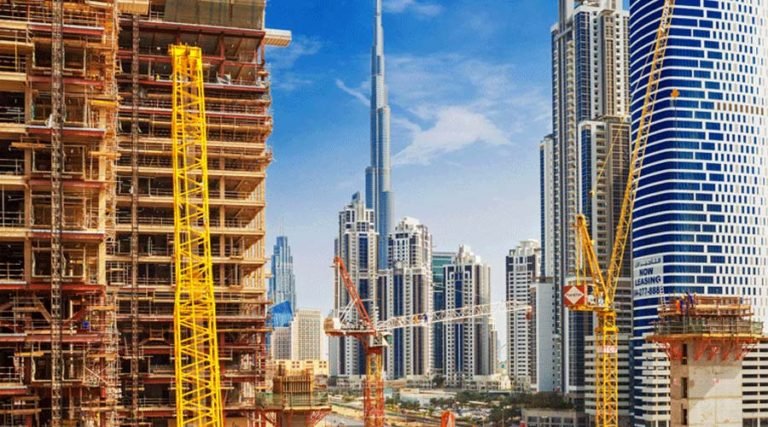
16 July 2000: A Major Step in the UAE’s Federal Real Estate Development
On 16 July 2000, the late Sheikh Zayed bin Sultan Al Nahyan issued Federal Law No. 7 of 2000, establishing the Emirates Real Estate Corporation. The decision marked an important stage in the development of a more organised and professional system for managing properties required by the UAE’s federal government. The corporation was created with the capital of AED 500 million and was given responsibility for developing, owning, leasing, managing and maintaining properties used by federal ministries, authorities and public institutions. Its establishment reflected the UAE leadership’s recognition that government buildings should be managed as long term national assets rather than treated merely as individual construction projects. At the beginning of the twenty first century, the UAE was expanding rapidly. Population growth, economic development and the increasing responsibilities of federal institutions created strong demand for new offices, service centres, courts, administrative complexes and specialised public buildings. Managing these requirements separately could have resulted in duplicated costs, inconsistent standards and inefficient use of government property. The Emirates Real Estate Corporation introduced a centralised approach. Instead of every ministry arranging its own property requirements independently, a specialised federal institution could plan, design, construct, lease and maintain buildings according to government needs. This system allowed ministries and authorities to focus on providing public services while the corporation handled their real estate and infrastructure requirements. It also encouraged a more complete approach to property management. The cost of a building was no longer viewed only in terms of construction. Maintenance, operational efficiency, safety, functionality and long term use also became important considerations. The corporation was different from a conventional private developer. Its main purpose was not to construct residential towers or commercial projects for sale to investors. Its role was to meet the property needs of federal institutions and ensure that public buildings supported the effective delivery of government services. Over time, its responsibilities included the development and management of properties for major federal bodies, as well as diplomatic buildings outside the UAE. Embassy and diplomatic projects required careful attention to security, cultural representation, functionality and national identity, extending the corporation’s role beyond the domestic property market. The institution also created opportunities for the private sector. Federal property projects required architects, engineers, consultants, contractors, project managers, facilities management companies and building material suppliers. Through these projects, the corporation supported cooperation between the government and the UAE’s construction and real estate industries. The establishment of the corporation was consistent with Sheikh Zayed’s wider vision of planned national development. Housing, roads, public buildings and urban infrastructure were regarded as essential foundations for economic progress and social welfare. Creating a dedicated federal real estate institution brought this planning philosophy into the management of government property. The importance of the 16 July 2000 decision lies in the institutional change it introduced. It helped improve coordination, promote consistent building standards, strengthen maintenance systems and support better use of public assets. The UAE’s real estate history is often associated with famous skyscrapers, luxury developments and master planned communities. However, government offices, courts, embassies and public service centres are also vital parts of the built environment. By establishing the Emirates Real Estate Corporation, the UAE created a professional framework for developing and managing these assets. The law therefore remains an important milestone in the history of federal property management and public sector real estate development in the country.
Read More >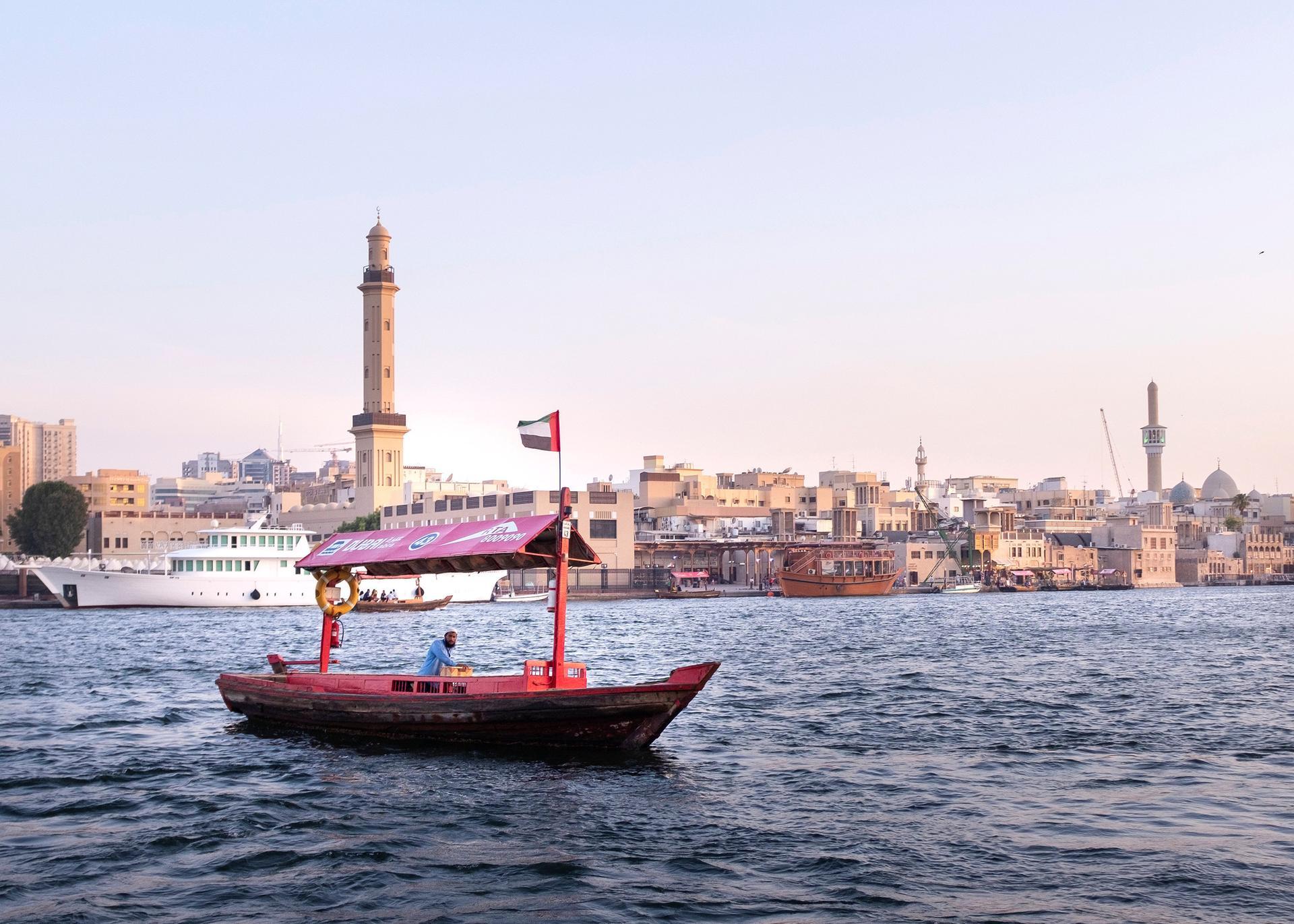
Sheikh Rashid Launches Dubai’s Creek Expansion Foundation of the City’s Modern Real Estate Vision
On November 8, 1977, Sheikh Rashid bin Saeed Al Maktoum officially launched the Dubai Creek Expansion Project a defining moment in the city’s urban history that laid the foundation for Dubai’s modern real estate model. The project aimed to deepen and extend the natural creek to allow large cargo ships to enter, transforming Dubai from a small trading town into a regional commercial hub. Funded by oil revenues and international loans, the project introduced large-scale land reclamation, dredging, and port infrastructure, creating new commercial and residential plots along the expanded creek. This initiative represented the first modern integration of public infrastructure with private land development in the UAE. The reclaimed zones quickly became home to warehouses, offices, and housing, attracting both local and foreign investors. Sheikh Rashid’s urban vision emphasized diversification beyond oil turning real estate into a driver of economic growth. The success of the Creek project inspired later megadevelopments such as Jebel Ali Port (1979) and Dubai Marina (1998). In retrospect, it marked the birth of Dubai’s real estate-driven urban identity, combining strategic state planning, global investment, and architectural ambition. The project’s long-term impact reshaped Dubai’s economy, positioning land and property as central instruments of national development and global branding.
Read More >.jpg)
Saudi Arabia Lifts Ban on Women Driving, Boosting Real Estate Mobility
On October 18, 2017, Saudi Arabia officially announced the historic decision to lift the decades-long ban on women driving, marking a major step toward gender equality and modernization. This policy change had a profound and immediate impact on the kingdom’s real estate dynamics. As women gained greater mobility and independence, the demand for properties in well-connected commercial zones, near workplaces, universities, and shopping centers significantly increased. Real estate developers swiftly adapted by designing women-friendly residential communities featuring enhanced safety, childcare facilities, and convenient access to public services. The expansion of the automotive sector also contributed to rising demand for commercial properties such as car showrooms, service stations, and parking complexes. Collectively, these changes stimulated new investment flows, diversified property development trends, and reinforced Saudi Arabia’s Vision 2030 goal of building inclusive, sustainable urban environments across the kingdom.
Read More >