
Syed Shayan Real Estate Archive
Syed Shayan Real Estate Archive
From Real Estate History
2 Historical Event found
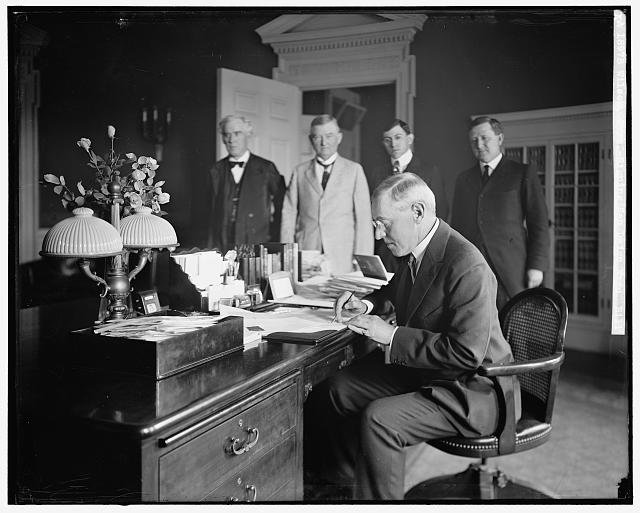
On August 25, 1916, US President Woodrow Wilson signed legislation creating the National Park Service, establishing a unified federal system for managing some of the country’s most important natural landscapes, historic places and protected lands. National parks already existed in the United States. Yellowstone, for example, had been established in 1872. However, there was no single federal agency responsible for managing the various parks and monuments under the Department of the Interior. The 1916 law changed that. It created the National Park Service and gave the new agency a mission to conserve scenery, natural and historic objects and wildlife, while allowing the public to enjoy these places in a way that would leave them unimpaired for future generations. From a real estate and land use perspective, the decision represented an important shift in thinking about the value of land. Valuable property did not necessarily have to be opened for construction, commercial exploitation or private development. Land could also carry environmental, historic, cultural and public value significant enough to justify long term protection. Over the following decades, the system expanded far beyond spectacular natural landscapes. Historic buildings, battlefields, monuments, recreation areas and other culturally important properties became part of a much broader national preservation framework. Today, the National Park Service manages 433 individual areas covering more than 85 million acres across the United States and its territories. The events of August 25, 1916 therefore offer an enduring lesson for real estate and urban planning. Development is only one way of creating value from land. In some cases, restricting development and preserving a place for future generations can create an equally powerful form of economic, cultural and social value. More than a century later, the balance between development, private property interests, public access and land conservation remains one of the central questions facing growing cities and real estate markets around the world.
Read More >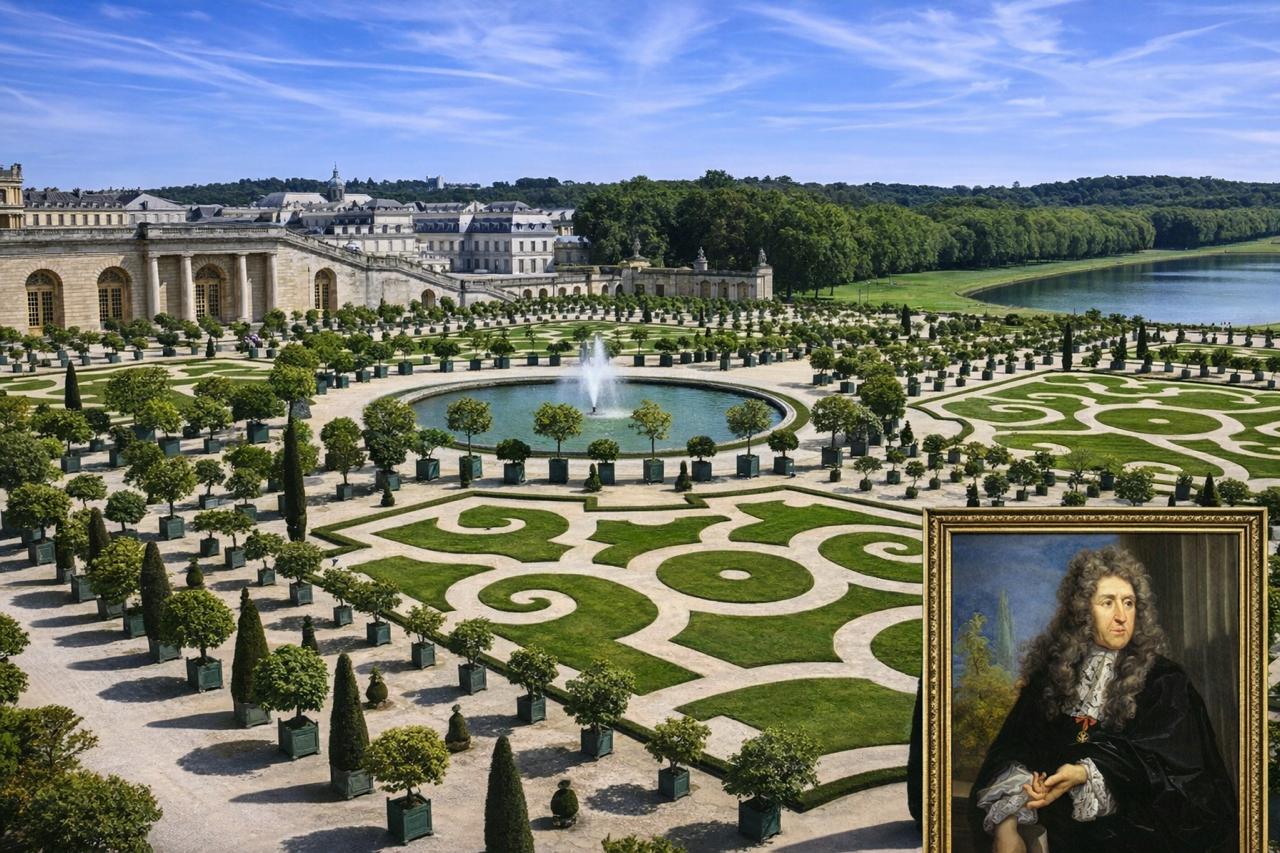
On 12 March 1613 André Le Nôtre was born in Paris France. He came from a family that had been connected with the management and care of royal gardens for several generations. His father Jean Le Nôtre served as the superintendent of the royal gardens of the French court, and his grandfather had also worked in the same profession. Growing up in this environment André Le Nôtre was surrounded by palace gardens, tree plantations, and land planning from an early age. This exposure shaped his interest in the arrangement of landscapes and the design of gardens. He introduced a new vision in which land, trees, water features, pathways, and open spaces were organized in a balanced and carefully structured geometry. This style later became known as the French Formal Garden, a design approach that emphasized order, symmetry, and visual harmony. When André Le Nôtre was born in the seventeenth century, universities did not generally offer formal degrees in gardening, landscape design, or architecture as they do today. Most professional skills were learned through the apprenticeship system. André Le Nôtre developed his abilities in this tradition. Because his father supervised the royal gardens, he was able to observe and learn from experienced gardeners, craftsmen, and planners working in the palace grounds. Later in Paris he also worked with artists and architects, where he studied drawing, geometry, and spatial planning. This practical training combined with artistic influence helped shape him into one of the most important landscape designers in European history. His reputation grew significantly during the reign of King Louis XIV of France, when he was entrusted with several major royal projects. His most celebrated work was the design of the gardens of the Palace of Versailles. At Versailles he created long straight avenues, expansive water basins, fountains, and carefully aligned rows of trees that produced a sense of grandeur and perfect order. The gardens soon became one of the most admired landscape designs in Europe. In addition to Versailles André Le Nôtre worked on several other important royal estates in France including Vaux le Vicomte, Chantilly, Saint Cloud, and the Tuileries Gardens. His influence eventually extended far beyond palace grounds. Over time his ideas shaped the planning of European cities, public parks, and large residential estates. The principles he introduced became foundational in the development of modern landscape architecture and urban green space planning. André Le Nôtre lived a long and influential life and was widely recognized during his lifetime as the leading landscape designer in Europe. He died in Paris in 1700. His design philosophy continues to influence gardens, parks, urban green spaces, and residential landscapes around the world. His work remains a classical reference in the study and practice of landscape architecture.
Read More >