
Syed Shayan Real Estate Archive
Syed Shayan Real Estate Archive
From Real Estate History
On This Date
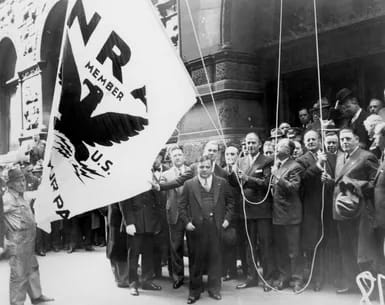
On 16 June 1933, U.S. President Franklin D. Roosevelt signed the National Industrial Recovery Act (NRA), one of the major laws of the New Deal era. The law was introduced during the Great Depression to revive the economy, support employment and encourage large scale public works.
For real estate and urban development history, the law holds special importance because it helped establish the Public Works Administration, which supported major construction projects, including highways, public buildings, schools, hospitals and infrastructure works. Britannica describes the PWA as a New Deal agency designed to reduce unemployment and increase purchasing power through construction activity.
The law also created space for early public housing efforts. Historical records show that public works under the programme included low-cost housing and slum-clearance projects, making it an important step in the evolution of government-backed housing and urban renewal policy.
In real estate history, 16 June 1933 is remembered as a day when housing, construction and infrastructure were treated not only as property-sector issues but also as tools for economic recovery, employment generation and urban development. This approach later influenced public housing and city planning policies in different parts of the world.
▪️Syed Shayan Real Estate Archive
▪ Reference(s):
On This Date
16 جون 1933 کو امریکی صدر فرینکلن ڈی روزویلٹ نے نیشنل انڈسٹریل ریکوری ایکٹ پر دستخط کیے، جو نیو ڈیل دور کے اہم قوانین میں شامل تھا۔ یہ قانون عظیم معاشی بحران کے دوران معیشت کی بحالی، روزگار کے فروغ اور بڑے پیمانے پر عوامی تعمیراتی منصوبوں کی حوصلہ افزائی کے لیے متعارف کرایا گیا تھا۔
رئیل اسٹیٹ اور شہری ترقی کی تاریخ میں یہ قانون خصوصی اہمیت رکھتا ہے کیونکہ اس نے پبلک ورکس ایڈمنسٹریشن کے قیام کی راہ ہموار کی۔ اس ادارے نے شاہراہوں، سرکاری عمارتوں، اسکولوں، اسپتالوں اور بنیادی ڈھانچے کے بڑے منصوبوں کی معاونت کی۔ پبلک ورکس ایڈمنسٹریشن کا مقصد تعمیراتی سرگرمیوں کے ذریعے بے روزگاری میں کمی اور عوامی قوتِ خرید میں اضافہ تھا۔
اس قانون نے عوامی رہائش کے ابتدائی منصوبوں کے لیے بھی بنیاد فراہم کی۔ تاریخی ریکارڈ کے مطابق اس پروگرام کے تحت کم لاگت رہائش اور کچی آبادیوں کے خاتمے سے متعلق منصوبے بھی شامل تھے، جس نے حکومتی سرپرستی میں رہائشی پالیسی اور شہری تجدید کے تصور کو آگے بڑھانے میں اہم کردار ادا کیا۔
رئیل اسٹیٹ کی تاریخ میں 16 جون 1933 کو اس دن کے طور پر یاد کیا جاتا ہے جب رہائش، تعمیرات اور بنیادی ڈھانچے کو صرف پراپرٹی سیکٹر کے معاملات نہیں سمجھا گیا بلکہ انہیں معاشی بحالی، روزگار کے مواقع اور شہری ترقی کے اہم ذرائع کے طور پر دیکھا گیا۔ یہی سوچ بعد میں دنیا کے مختلف ممالک میں عوامی رہائش اور شہری منصوبہ بندی کی پالیسیوں پر اثر انداز ہوئی۔
▪️ سید شایان ریئل اسٹیٹ آرکائیو

On 1 February 1887, in what is now Los Angeles County in the US state of California, Harvey Wilcox formally registered his privately owned agricultural land as ...
Read More →
On November 4, 1998, the first comprehensive online property listing platform was launched in the United States, revolutionizing how real estate was marketed an...
Read More →On November 23, 1971, the United Nations General Assembly convened an urgent session in New York to address the rapidly escalating humanitarian crisis in South ...
Read More →
Hong Kong officially returned to Chinese sovereignty and became the Hong Kong Special Administrative Region under the “One Country, Two Systems” framework. This...
Read More →
▫This decision is regarded as one of the most consequential developments of its era, shaping the historical geography of land, real estate, urban division, agri...
Read More →
The acquisition of land for the Model Town Society was one of the most remarkable and spirited chapters in its early history. Dewan Khem Chand and his...

Between 1921 and 1924, the land for Model Town Lahore was acquired in successive phases. The process began in 1921, shortly after the establishment of...
No comments yet. Be the first to comment!