
Syed Shayan Real Estate Archive
Syed Shayan Real Estate Archive
From Real Estate History
On This Date
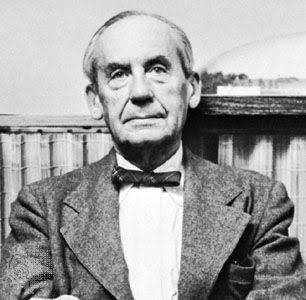
On 5 July 1969, Walter Gropius, one of the most influential figures in modern architecture, urban planning and real estate design, passed away in Boston. Gropius was a German born architect, urban thinker and founder of the Bauhaus School, one of the most important design movements of the twentieth century.
The Bauhaus idea changed the way buildings were imagined and developed. Gropius believed that architecture should not be limited to decoration or visual beauty. A building, in his view, had to serve human needs. It had to provide function, light, air, simplicity, affordability and long term usability. This approach deeply influenced modern apartment buildings, offices, schools, universities, industrial spaces and civic developments.
From a real estate perspective, Walter Gropius remains highly significant because he treated buildings as more than physical structures. For him, property was connected with lifestyle, social progress and the intelligent use of space. His ideas helped shape planned communities, modern housing schemes, open layouts, glass fronted buildings and functional architecture across the world.
Many contemporary apartment blocks, office towers, educational campuses and residential communities still carry the influence of Bauhaus principles. Clean lines, practical layouts, open interiors and the belief that form should serve function all reflect the legacy of Gropius and his school.
For the real estate and urban development sector, 5 July is a reminder that property is not only about land, construction or market value. Buildings shape how people live, work, learn and interact. Walter Gropius showed that thoughtful design can turn real estate into a powerful tool for better living and more progressive cities.
▪️Syed Shayan Real Estate Archive
▪ Reference(s):
On This Date
1969: جدید تعمیرات، شہری منصوبہ بندی اور رئیل اسٹیٹ ڈیزائن کی تاریخ کی ایک غیر معمولی شخصیت والٹر گروپیئس کا انتقال ہوا۔ گروپیئس جرمن نژاد معمار، شہری ڈیزائنر اور مشہور باہاؤس سکول کے بانی تھے، جس نے بیسویں صدی میں عمارت سازی کے انداز کو بنیادی طور پر بدل دیا۔
باہاؤس کا نظریہ یہ تھا کہ عمارت صرف ظاہری خوبصورتی کے لیے نہیں ہونی چاہیے بلکہ اسے انسان کی عملی ضرورت، روشنی، ہوا، سادگی، کم لاگت، پائیداری اور مؤثر استعمال کو سامنے رکھ کر تعمیر کیا جانا چاہیے۔ یہی سوچ بعد میں جدید اپارٹمنٹس، دفاتر، تعلیمی اداروں، صنعتی عمارتوں اور شہری رہائشی منصوبوں میں نمایاں ہوئی۔
رئیل اسٹیٹ کے نقطہ نظر سے والٹر گروپیئس کی اہمیت اس لیے بھی زیادہ ہے کہ انہوں نے عمارت کو محض زمین، دیواروں اور چھت کا مجموعہ نہیں سمجھا بلکہ اسے بہتر طرزِ زندگی، سماجی ترقی اور شہری سہولت کا ذریعہ قرار دیا۔ ان کے نظریات نے دنیا بھر میں planned communities، جدید ہاؤسنگ سکیموں، کھلے اندرونی حصوں، شفاف شیشے والی عمارتوں اور functional architecture کو فروغ دیا۔
آج بھی دنیا کے کئی شہروں میں جدید اپارٹمنٹ بلاکس، دفاتر، یونیورسٹی کیمپس اور رہائشی منصوبے باہاؤس کے اصولوں سے متاثر نظر آتے ہیں۔ 5 جولائی ہمیں یاد دلاتا ہے کہ رئیل اسٹیٹ صرف خرید و فروخت یا تعمیرات کا شعبہ نہیں بلکہ یہ انسانی زندگی، شہری ثقافت اور مستقبل کے رہن سہن کو تشکیل دینے والی قوت بھی ہے۔
▪️ سید شایان ریئل اسٹیٹ آرکائیو
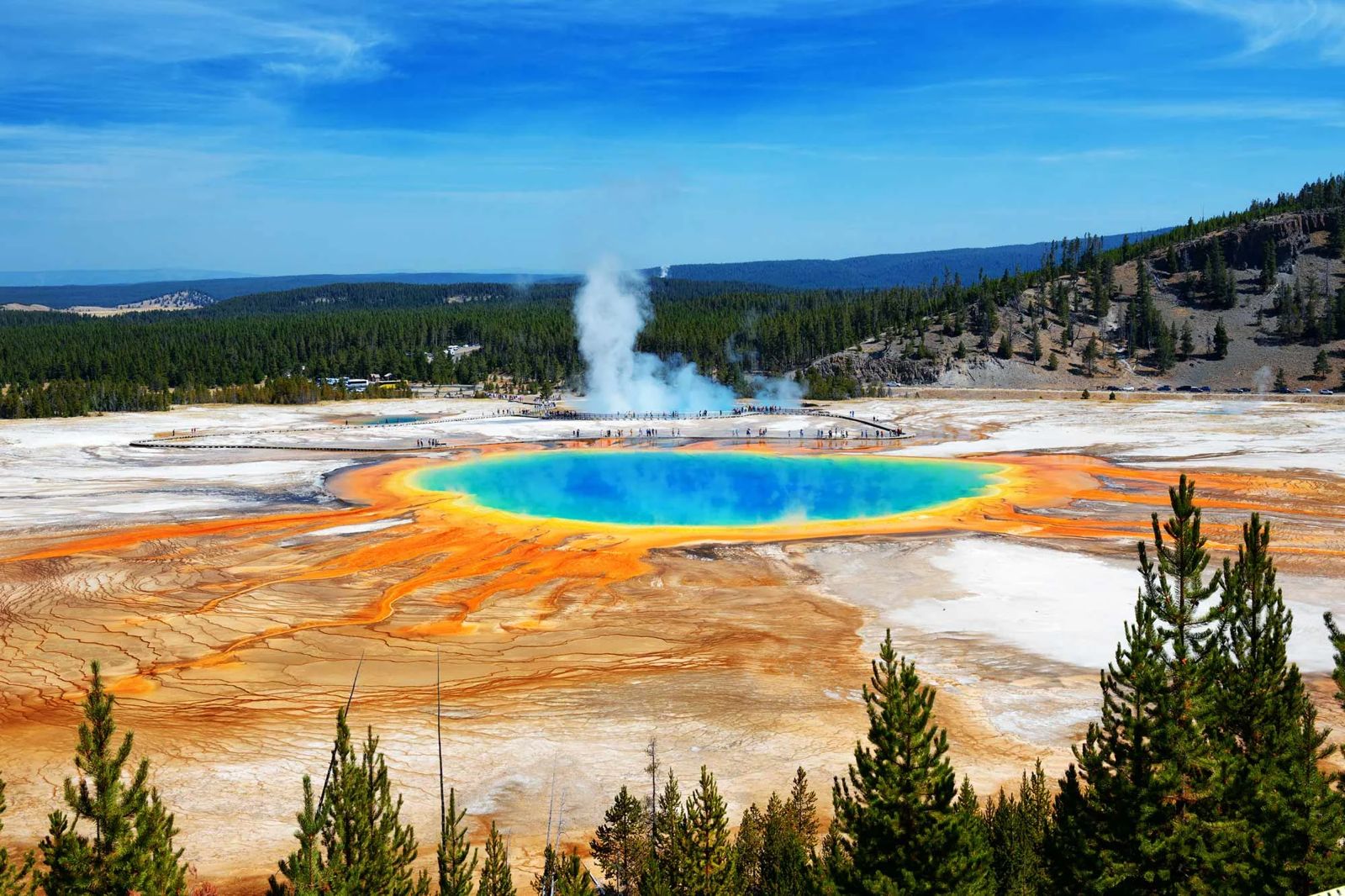
US President Ulysses S. Grant signed the Yellowstone National Park Protection Act on 1 March 1872, thereby formally creating the world’s first national park. On...
Read More →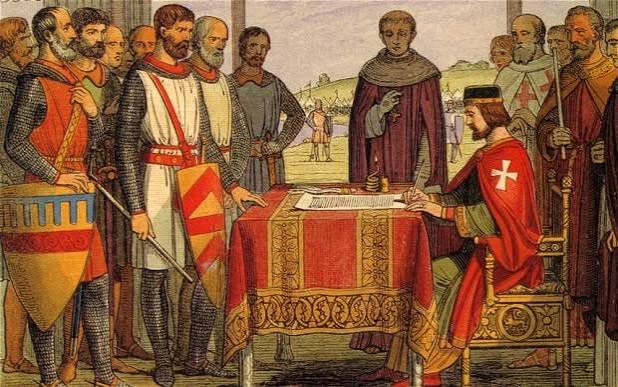
On 15 June 1215, King John of England agreed to the Magna Carta at Runnymede. Although it was not a modern real estate law, it became one of history’s most impo...
Read More →
2010: The global real estate market had begun showing its first cautious signs of recovery after years of stagnation caused by the 2008 subprime mortgage colla...
Read More →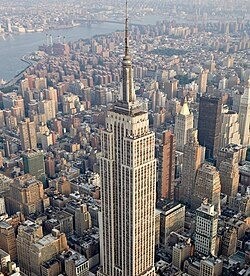
On June 20, 1930, the construction of New York’s iconic Empire State Building reached a major milestone when its steel frame rose to the 26th floor. This achiev...
Read More →
On 1 February 1887, in what is now Los Angeles County in the US state of California, Harvey Wilcox formally registered his privately owned agricultural land as ...
Read More →
The acquisition of land for the Model Town Society was one of the most remarkable and spirited chapters in its early history. Dewan Khem Chand and his...

Between 1921 and 1924, the land for Model Town Lahore was acquired in successive phases. The process began in 1921, shortly after the establishment of...
No comments yet. Be the first to comment!