
Syed Shayan Real Estate Archive
Syed Shayan Real Estate Archive
From Real Estate History
On This Date
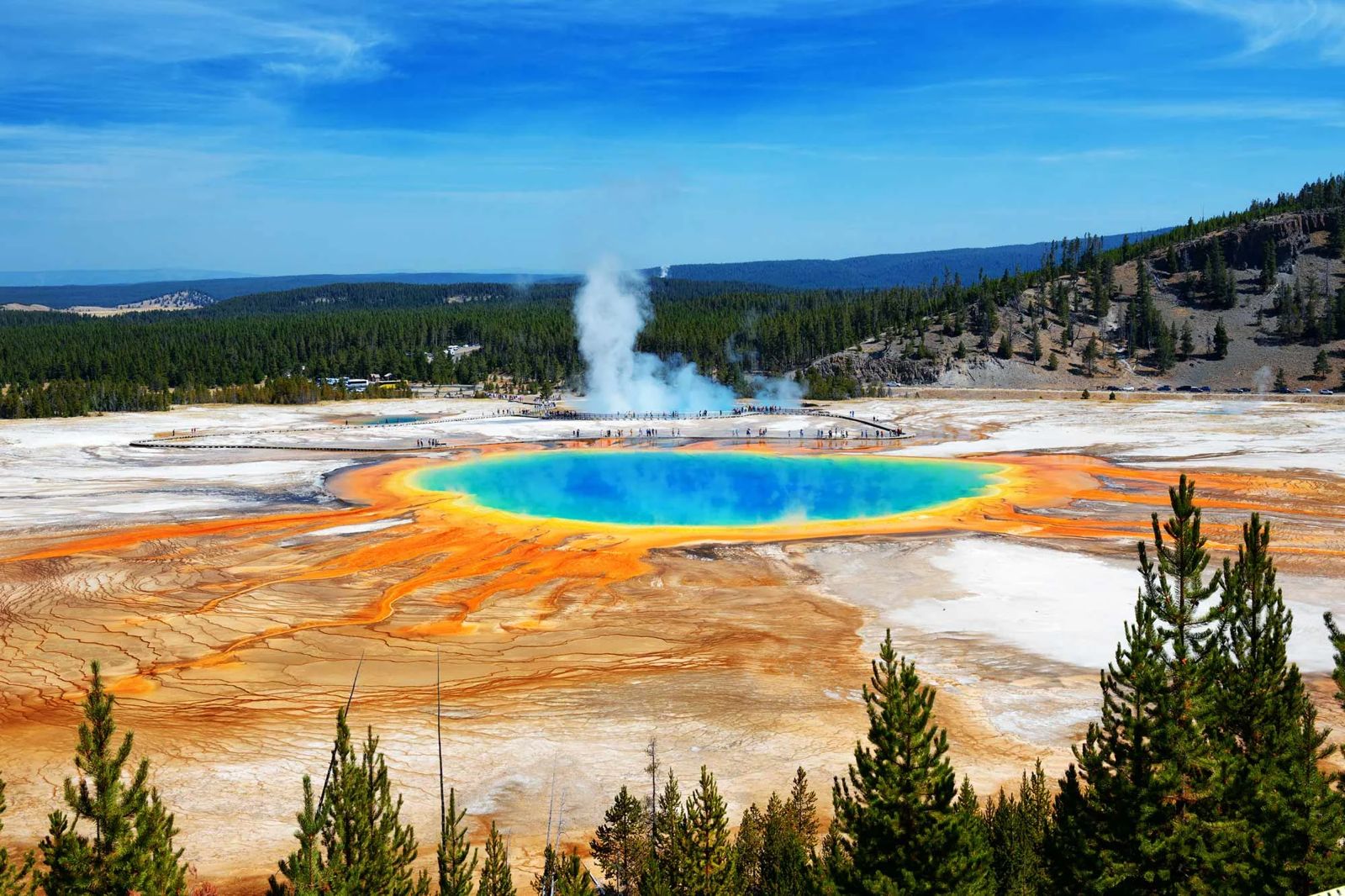
US President Ulysses S. Grant signed the Yellowstone National Park Protection Act on 1 March 1872, thereby formally creating the world’s first national park. One day earlier, on 28 February 1872, the United States Congress had approved the bill. With the President’s signature, the area was permanently designated as a national park.
The idea of Yellowstone first emerged during the 1871 expedition led by geologist Dr Ferdinand V. Hayden and his scientific team, who conducted a detailed survey of the region. Their report and photographic documentation convinced Congress that this extraordinary natural landscape should be preserved rather than opened for private ownership or settlement. On this basis, it was declared a “public park for the benefit and enjoyment of the people.”
Yellowstone National Park covers approximately 2.2 million acres, or about 8,991 square kilometres. The area spans parts of the present day states of Wyoming, Montana, and Idaho. It is home to hot springs, geysers, dense forests, mountains, rivers, and rare wildlife species. It was this unique natural beauty and scientific significance that led to the decision to protect it.

(National Park refers to an extensive natural territory within a sovereign state that is formally designated and protected through statutory law, ensuring the preservation of its ecological integrity, scenic landscapes, wildlife habitats, mountain systems, forests, wetlands, rivers, and broader environmental character.Such land is not ordinarily opened to private acquisition, speculative real estate development, housing schemes, or industrial construction. Instead, it is institutionally reserved for public benefit, ecological conservation, regulated tourism, environmental education, and scientific research, thereby safeguarding it as part of the nation’s natural heritage for present and future generations.In Pakistan, several National Parks have been established under federal and provincial legal frameworks, including Hingol National Park, Khunjerab National Park, Lal Suhanra National Park, Margalla Hills National Park, and Ayubia National Park, each representing a distinct ecological zone within the country’s environmental geography.When observing satellite imagery through platforms such as Google Earth, one often notices a prominent green demarcated expanse labeled “National Park.” This cartographic distinction signifies a legally protected landscape, formally set aside by the state in the collective public interest and for long term environmental stewardship.Syed Shayan Archive Editorial Head)
The most remarkable aspect of the legislation was that, for the first time, a country set aside such a vast tract of land not for sale, settlement, or commercial exploitation, but as a preserved public trust. It was protected so that future generations could benefit from it. This philosophy later became the foundation for land use regulation, zoning laws, and environmental protection policies.
Today, Yellowstone National Park is managed by the National Park Service, which was established in 1916 and operates under the United States Department of the Interior. In addition, scientific research and documentation have been supported by global institutions such as National Geographic, which has played a significant role in highlighting the park’s international importance.
▪️Syed Shayan Real Estate Archive
▪ Reference(s):
On This Date
امریکی صدر یولیسس ایس گرانٹ (Ulysses S. Grant) نے ییلو سٹون نیشنل پارک پروٹیکشن ایکٹ پر یکم مارچ 1872 کو دستخط کیے اور یوں دنیا کا پہلا نیشنل پارک باقاعدہ طور پر وجود میں آ گیا۔ اس سے ایک روز قبل، 28 فروری 1872 کو امریکی کانگریس نے یہ بل منظور کیا تھا۔ صدر کے دستخط کے ساتھ ہی یہ علاقہ مستقل طور پر نیشنل پارک قرار دے دیا گیا۔
ییلو سٹون کا تصور پہلی مرتبہ 1871 کی مہم کے دوران سامنے آیا جب ماہر ارضیات ڈاکٹر فرڈینینڈ ہیڈن (Ferdinand V. Hayden) اور ان کی سائنسی ٹیم نے اس علاقے کا تفصیلی سروے کیا۔ ان کی رپورٹ اور تصاویر نے کانگریس کو قائل کیا کہ اس غیر معمولی قدرتی خطے کو نجی ملکیت یا آبادکاری کے لیے کھولنے کے بجائے محفوظ کیا جائے۔ اسی بنیاد پر اسے “public park for the benefit and enjoyment of the people” قرار دیا گیا۔
ییلو اسٹون نیشنل پارک تقریباً 2.2 ملین ایکڑ، یعنی لگ بھگ 8,991 مربع کلومیٹر پر پھیلا ہوا علاقہ ہے۔ یہ رقبہ آج کی ریاستوں وائیومنگ، مونٹانا اور ایڈاہو کے حصوں میں واقع ہے۔ اس علاقے میں گرم پانی کے چشمے، گیزر، گھنے جنگلات، پہاڑ، دریا اور نایاب جنگلی جانور پائے جاتے ہیں۔ اسی قدرتی حسن اور سائنسی اہمیت کی وجہ سے اسے محفوظ کرنے کا فیصلہ کیا گیا۔
اس قانون کی خاص بات یہ تھی کہ پہلی بار کسی ملک نے اتنی بڑی زمین کو اس لیے محفوظ کیا کہ اسے نہ بیچا جائے، نہ وہاں آبادکاری کی جائے اور نہ اسے صرف کاروباری فائدے کے لیے استعمال کیا جائے۔ اسے عوام کی مشترکہ امانت سمجھ کر محفوظ رکھا گیا تاکہ آنے والی نسلیں بھی اس سے فائدہ اٹھا سکیں۔ یہی سوچ آگے چل کر زمین کے استعمال کے قوانین، زوننگ اور تحفظِ ماحول کی پالیسیوں کی بنیاد بنی
آج ییلو سٹون نیشنل پارک کی نگرانی اور انتظام نیشنل پارک سروس (National Park Service) کرتی ہے، جو 1916 میں قائم کی گئی تھی۔ یہ ادارہ امریکی محکمہ داخلہ کے تحت کام کرتا ہے۔ اس کے علاوہ سائنسی تحقیق اور دستاویزی کام میں نیشنل جیوگرافک (National Geographic) جیسے عالمی ادارے بھی اہم کردار ادا کرتے رہے ہیں، جنہوں نے اس پارک کی عالمی اہمیت کو اجاگر کیا۔
▪️ سید شایان ریئل اسٹیٹ آرکائیو

Washington A significant development unfolded today in the realm of American housing policy as President George H. W. Bush formally signed the Cranston–Gonzale...
Read More →
In 2019, Pakistan fully implemented the Real Estate Regulatory Act (RERA), marking a major milestone in the modernization of the country’s property market. This...
Read More →
On November 10, 1992, the Capital Development Authority of Pakistan announced a major plan to expand Islamabad toward the southern side of the city. The plan in...
Read More →
On October 10, 1924, the Registrar of Co-operative Societies in the Bengal Presidency recorded one of the earliest applications for a Residential Cooperative Ho...
Read More →
August 29, 1842, is an important date in the history of Asian urban development and real estate. On this day, Britain and China signed the Treaty of Nanking, en...
Read More →
The acquisition of land for the Model Town Society was one of the most remarkable and spirited chapters in its early history. Dewan Khem Chand and his...

Between 1921 and 1924, the land for Model Town Lahore was acquired in successive phases. The process began in 1921, shortly after the establishment of...
No comments yet. Be the first to comment!