
Syed Shayan Real Estate Archive
Syed Shayan Real Estate Archive
From Real Estate History
On This Date
Tokyo launched post-earthquake housing and property reforms in 1923, beginning a major reconstruction that reshaped the city with modern infrastructure and housing.
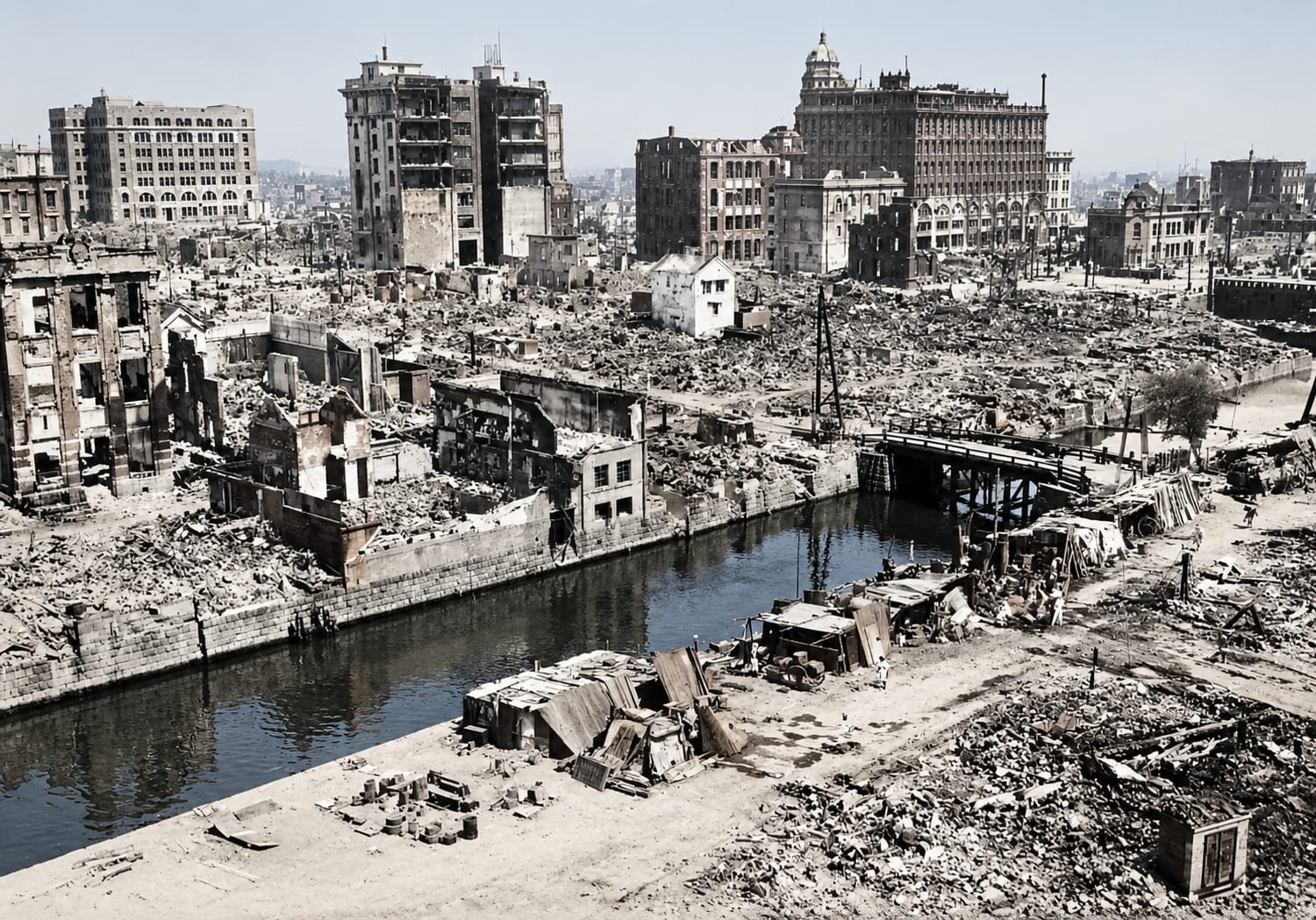
September 26, 1923, marked a critical moment in the aftermath of the Great Kanto Earthquake, as Japan moved from emergency relief toward the difficult task of rebuilding Tokyo and other devastated cities. The disaster had struck on September 1, destroying vast areas of Tokyo and Yokohama and leaving hundreds of thousands of homes damaged or destroyed. More than 1.5 million people were rendered homeless, according to historical research on the catastrophe.
By September 26, the housing crisis had become intertwined with another major problem: property and tenancy disputes. Contemporary records from the period show that disputes over leases and rented houses had multiplied after the earthquake. Because communications remained severely disrupted, the Japanese government decided to establish special courts in district offices in the devastated areas to resolve such disputes more quickly.
The rebuilding challenge was extraordinary. Around 370,000 houses had been burned or collapsed in the earthquake, creating an urgent need for temporary and permanent housing. The government supported temporary accommodation and provided financing mechanisms for people rebuilding their homes.
What followed eventually transformed Tokyo's physical structure. Japan introduced large-scale land readjustment, widened roads, developed parks and rebuilt bridges and public infrastructure. The reconstruction programme also produced an important experiment in modern housing. The Dojunkai Foundation, established in 1923, initially constructed wooden houses and later developed reinforced-concrete apartment buildings equipped with modern facilities. Between 1926 and 1933, about 2,800 housing units were supplied through 16 locations in Tokyo and Yokohama.
The transformation extended beyond housing. By the early 1930s, Tokyo had wider roads, new bridges, parks and reorganized neighbourhoods. Contemporary reporting later described the rebuilding of Tokyo and Yokohama as substantially completed within seven years.
September 26 therefore stands as an important date in the history of property and urban development: only weeks after catastrophe, Tokyo was already confronting the fundamental questions that modern cities still face after disasters — where people will live, how damaged land should be reorganized, how tenants and owners should be protected, and how reconstruction can create a safer city for the future.
This topic works particularly well for a ReNews “On This Date” historical series because September 26 is directly documented in contemporary records as a day when post-earthquake housing and property disputes were being addressed.
▪️Syed Shayan Real Estate Archive
▪ Reference(s):
On This Date
1923 میں زلزلے کے بعد ٹوکیو میں رہائش اور جائیداد سے متعلق اصلاحات شروع ہوئیں، جس سے جدید انفرااسٹرکچر اور ہاؤسنگ کے ذریعے شہر کی بڑے پیمانے پر تعمیرِ نو کا آغاز ہوا۔
26 ستمبر 1923 جاپان کی تاریخ میں عظیم کانٹو زلزلے کے بعد بحالی اور تعمیرِ نو کے ایک اہم مرحلے کے طور پر سامنے آیا، جب جاپان نے ہنگامی امدادی اقدامات سے آگے بڑھتے ہوئے ٹوکیو اور دیگر متاثرہ شہروں کی دوبارہ تعمیر کے مشکل مرحلے کا آغاز کیا۔ یکم ستمبر کو آنے والے تباہ کن زلزلے نے ٹوکیو اور یوکوہاما کے وسیع علاقوں کو متاثر کیا، جبکہ لاکھوں مکانات تباہ یا شدید نقصان کا شکار ہوئے۔ تاریخی تحقیقات کے مطابق 15 لاکھ سے زائد افراد بے گھر ہوئے۔
26 ستمبر تک رہائش کا بحران جائیداد اور کرایہ داری کے تنازعات سے بھی جڑ چکا تھا۔ اس دور کے معاصر ریکارڈز سے معلوم ہوتا ہے کہ زلزلے کے بعد لیز اور کرائے کے مکانات سے متعلق تنازعات میں نمایاں اضافہ ہوا۔ مواصلاتی نظام شدید متاثر ہونے کے باعث جاپانی حکومت نے تباہ شدہ علاقوں کے ضلعی دفاتر میں خصوصی عدالتیں قائم کرنے کا فیصلہ کیا تاکہ ایسے تنازعات کو تیزی سے حل کیا جا سکے۔
تعمیرِ نو کا چیلنج غیر معمولی نوعیت کا تھا۔ زلزلے کے نتیجے میں تقریباً 3 لاکھ 70 ہزار مکانات جل گئے یا منہدم ہو گئے، جس سے عارضی اور مستقل رہائش کی فوری ضرورت پیدا ہوئی۔ حکومت نے عارضی رہائش گاہوں کے انتظام کے ساتھ ساتھ شہریوں کو اپنے مکانات دوبارہ تعمیر کرنے کے لیے مالی معاونت اور سہولیات بھی فراہم کیں۔
بعد ازاں تعمیرِ نو کے اس عمل نے ٹوکیو کے شہری خدوخال کو بھی تبدیل کر دیا۔ جاپان نے بڑے پیمانے پر زمین کی ازسرنو ترتیب، سڑکوں کی توسیع، پارکس کی تعمیر، پلوں اور بنیادی شہری انفراسٹرکچر کی بحالی جیسے اقدامات کیے۔ اسی دور میں جدید رہائشی منصوبہ بندی کا ایک اہم تجربہ بھی سامنے آیا۔ 1923 میں قائم ہونے والی دوجنکائی فاؤنڈیشن نے ابتدا میں لکڑی کے مکانات تعمیر کیے، جبکہ بعد میں ٹوکیو اور یوکوہاما میں جدید سہولیات سے آراستہ مضبوط کنکریٹ کے اپارٹمنٹس بھی تعمیر کیے۔ 1926 سے 1933 کے دوران 16 مختلف مقامات پر تقریباً 2,800 رہائشی یونٹس فراہم کیے گئے۔
تعمیرِ نو کا دائرہ رہائش تک محدود نہیں رہا۔ 1930 کی دہائی کے آغاز تک ٹوکیو میں وسیع سڑکیں، نئے پل، پارکس اور ازسرنو منظم رہائشی علاقے وجود میں آ چکے تھے۔ معاصر رپورٹس کے مطابق ٹوکیو اور یوکوہاما کی تعمیرِ نو کا بڑا حصہ سات سال کے اندر مکمل کر لیا گیا۔
یوں 26 ستمبر 1923 جائیداد اور شہری ترقی کی تاریخ میں ایک اہم حوالہ بن گیا۔ تباہی کے چند ہی ہفتوں بعد جاپان کو انہی بنیادی سوالات کا سامنا تھا جو آج بھی قدرتی آفات کے بعد دنیا کے بڑے شہروں کو درپیش ہوتے ہیں: متاثرہ افراد کو رہائش کہاں فراہم کی جائے، تباہ شدہ زمین کو کس طرح دوبارہ منظم کیا جائے، مالکان اور کرایہ داروں کے حقوق کیسے محفوظ کیے جائیں اور تعمیرِ نو کے ذریعے مستقبل کے لیے زیادہ محفوظ شہر کیسے تشکیل دیے جائیں۔
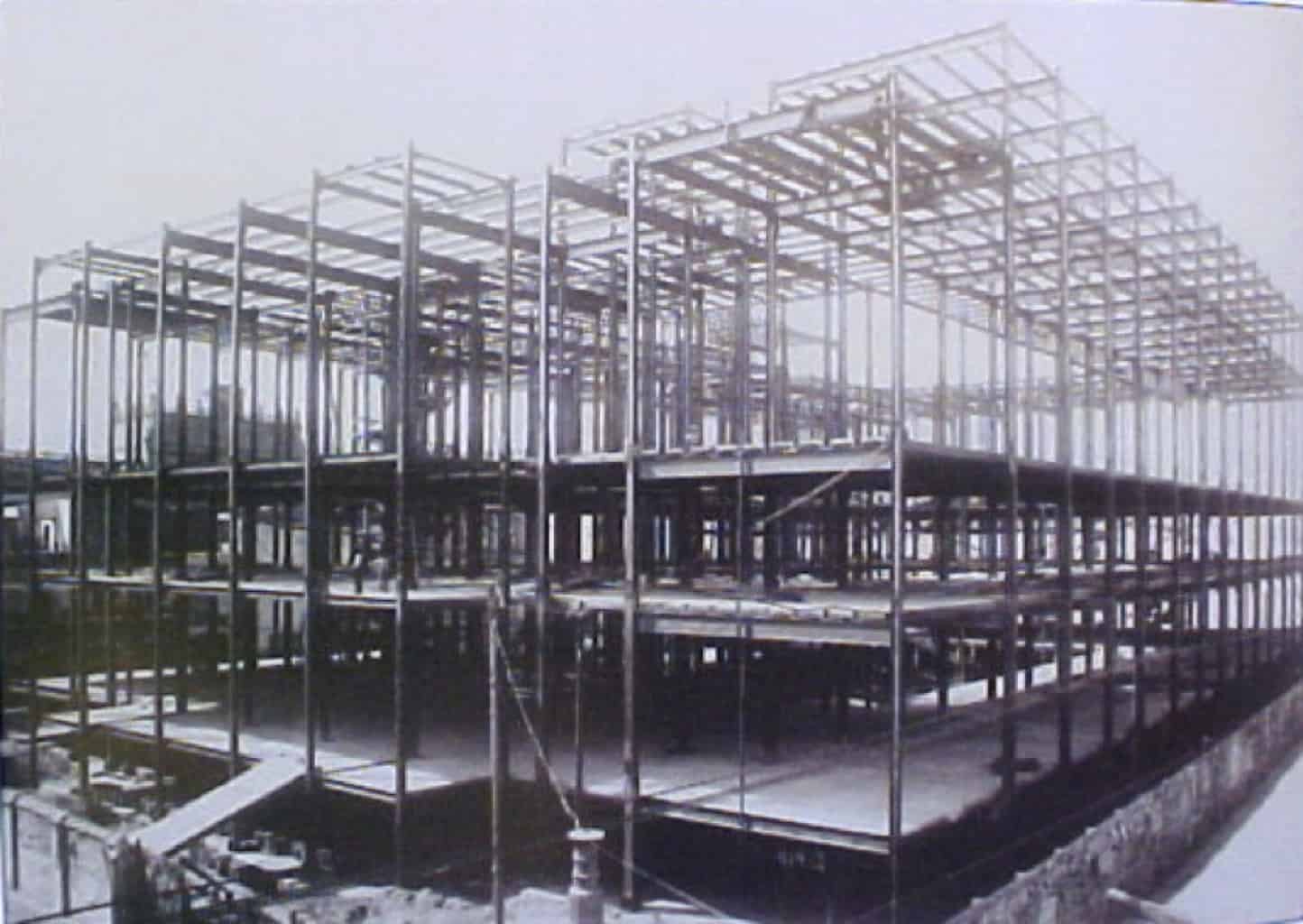
On October 28, 1895, the construction industry's widespread adoption of steel-frame technology enabled the first generation of modern skyscrapers, fundamentally...
Read More →
In Britain, the understanding of land and property ownership underwent a decisive and lasting transformation with the legal enforcement of the Land Registration...
Read More →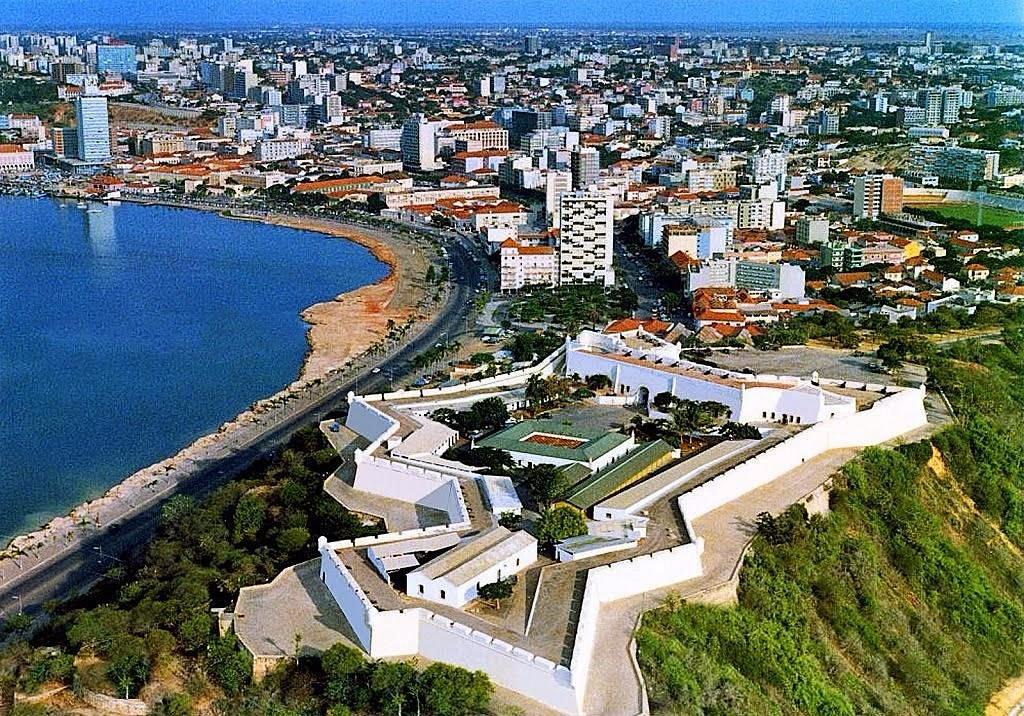
25 January 1575 marks the formal foundation of Luanda on the western coast of Africa by the Portuguese explorer and colonial administrator Paulo Dias de Novais....
Read More →
On October 27, 1994, the Federal Reserve's aggressive interest rate hikes significantly pressured the US housing market, demonstrating the powerful connection b...
Read More →On November 23, 1971, the United Nations General Assembly convened an urgent session in New York to address the rapidly escalating humanitarian crisis in South ...
Read More →
The acquisition of land for the Model Town Society was one of the most remarkable and spirited chapters in its early history. Dewan Khem Chand and his...

Between 1921 and 1924, the land for Model Town Lahore was acquired in successive phases. The process began in 1921, shortly after the establishment of...
No comments yet. Be the first to comment!