On This Date
Tsunami Destroyed the Great Buddha Hall in Japan, Transforming the Site’s Architectural History
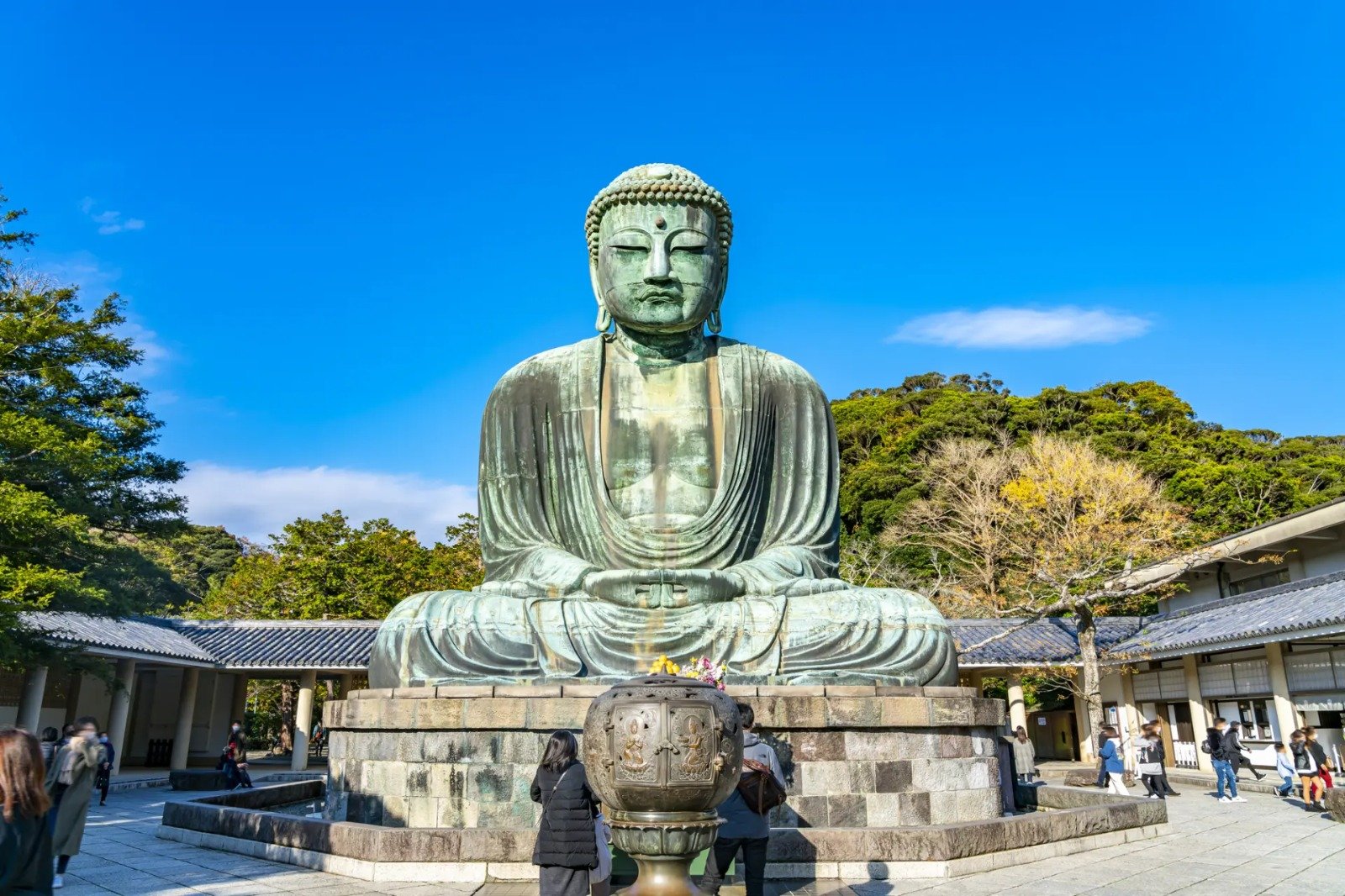
On September 20, 1498, a powerful earthquake near Japan’s Nankai region triggered a tsunami that destroyed the building housing the Great Buddha at Kotoku in Temple in Kamakura. The event remains an important example of the relationship between historic architecture, coastal settlements and natural disasters. The existing bronze statue of the Great Buddha stands approximately 13.35 metres tall and was originally housed inside a dedicated hall. Historical records indicate that the structure had already suffered repeated damage from severe weather. A typhoon destroyed the hall in 1334, after which it was rebuilt. Another storm damaged the building in 1369, leading to further reconstruction. However, the tsunami generated by the Nankai earthquake on September 20, 1498, swept away the building completely. The bronze statue survived, but it was not placed inside another hall afterwards and has remained outdoors ever since. In this way, a natural disaster not only destroyed a historic structure but also changed the long term architectural identity of the site. The incident illustrates the importance of considering location, coastal exposure, structural resilience and disaster preparedness when planning buildings in areas vulnerable to earthquakes and tsunamis. It also demonstrates that the destruction of a historic building does not necessarily mean the disappearance of the heritage associated with it. The surviving statue continued to preserve the cultural significance of the site while its open air setting became a defining feature of the monument. Today, the Great Buddha of Kamakura remains one of Japan’s recognised historic attractions. Its history reflects how architecture and cultural heritage can adapt after catastrophic events. From a real estate history perspective, the incident offers an enduring lesson: the value of a historic property is not limited to its physical structure, as cultural meaning, surviving landmarks and the surrounding site can continue to shape its identity long after the original building has disappeared.
▪️Syed Shayan Real Estate Archive
▪ Reference(s):
On This Date
جاپان میں زلزلے اور سونامی نے عظیم بدھا کی عمارت بہا دی، تاریخی ورثہ کھلے آسمان تلے منتقل ہو گیا
20 ستمبر 1498 کو جاپان کے ساحلی علاقے نانکائی کے قریب آنے والے شدید زلزلے کے نتیجے میں پیدا ہونے والی سونامی نے کاماکورا شہر میں واقع کوتوکو اِن مندر کے عظیم بدھا کے مجسمے کو محفوظ رکھنے والی عمارت تباہ کر دی۔ یہ واقعہ جاپان کی تعمیراتی اور مذہبی تاریخ کے ساتھ ساتھ ساحلی آبادیوں، تاریخی عمارتوں اور قدرتی آفات کے درمیان تعلق کی ایک اہم مثال سمجھا جاتا ہے۔ عظیم بدھا کا موجودہ کانسی کا مجسمہ تقریباً 13.35 میٹر بلند ہے، جبکہ اسے ابتدا میں ایک مخصوص عبادت گاہ کے اندر رکھا گیا تھا۔ تاریخی ریکارڈ کے مطابق اس عمارت کو اس سے قبل بھی طوفانوں اور قدرتی نقصانات کا سامنا کرنا پڑا تھا۔ 1334 میں ایک طوفان سے عمارت تباہ ہوئی، جسے دوبارہ تعمیر کیا گیا، جبکہ 1369 میں ایک اور طوفان کے باعث اسے نقصان پہنچا۔ بعد ازاں عمارت کی دوبارہ تعمیر کی گئی، تاہم 20 ستمبر 1498 کو آنے والی سونامی نے اسے مکمل طور پر بہا دیا۔ کانسی کا عظیم بدھا مجسمہ اس تباہی میں محفوظ رہا، لیکن اس کے بعد اسے دوبارہ کسی عمارت کے اندر رکھنے کے بجائے کھلے آسمان تلے قائم کر دیا گیا۔ یوں ایک قدرتی آفت نے نہ صرف ایک تاریخی تعمیر کو ختم کیا بلکہ اس مقام کی آئندہ شناخت بھی تبدیل کر دی۔ یہ واقعہ اس بات کی نشاندہی کرتا ہے کہ تاریخی عمارتوں کی منصوبہ بندی میں مقام، ساحلی خطرات، تعمیراتی مضبوطی اور قدرتی آفات سے تحفظ کو نظرانداز نہیں کیا جا سکتا۔ آج عظیم بدھا کھلے ماحول میں موجود ہے اور جاپان کے معروف تاریخی مقامات میں شمار ہوتا ہے۔
اس واقعے سے یہ سبق بھی ملتا ہے کہ بعض اوقات کسی عمارت کا خاتمہ اس کے اندر موجود تاریخی ورثے کے خاتمے کا سبب نہیں بنتا، بلکہ محفوظ رہ جانے والی اشیا نئی تعمیراتی اور ثقافتی شناخت اختیار کر لیتی ہیں۔
▪️ سید شایان ریئل اسٹیٹ آرکائیو
No comments yet. Be the first to comment!