
Syed Shayan Real Estate Archive
Syed Shayan Real Estate Archive
From Real Estate History
On This Date
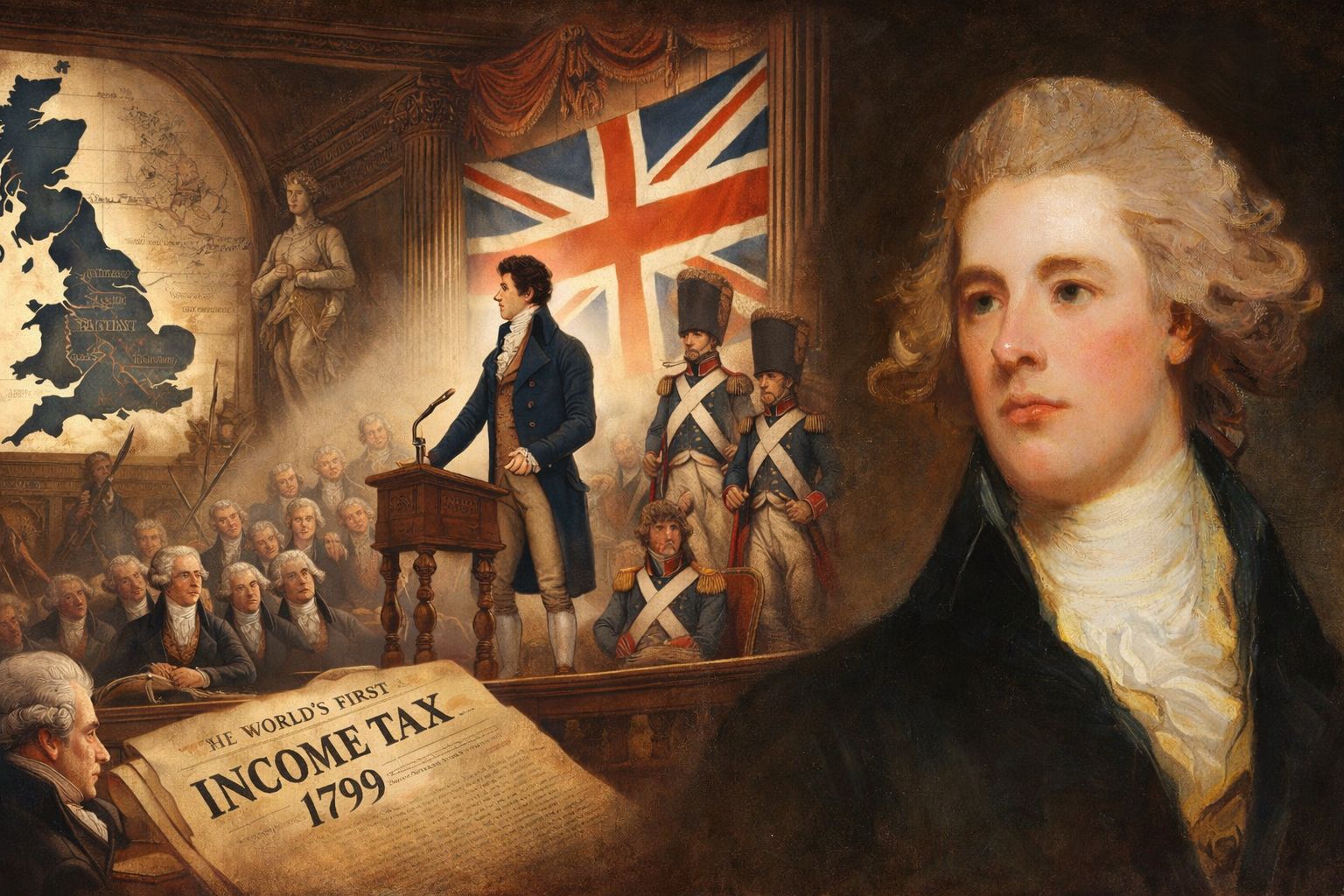
London: In the history of economic thought, 9 January 1799 is remembered as a decisive moment when the British Prime Minister, William Pitt the Younger, formally imposed income tax on rents derived from property. This measure was not introduced as part of a planned economic reform but was driven by the extraordinary financial pressures arising from the ongoing war against the French ruler, Napoleon Bonaparte.
Prior to this, Britain had a land tax that was limited strictly to ownership. The 1799 law, however, brought income directly within the scope of state taxation for the first time. This included both rental income from property and the estimated annual value of land.
Before 1799, although a land tax existed in Britain, its scope was narrow. It applied only to land ownership and had no connection with the income or rent generated from that land. Whether the land lay idle or produced no profit, the owner was required to pay tax solely on the basis of ownership.
The law enacted on 9 January 1799 clearly established, for the first time, the fundamental distinction between owning land and earning from land. Under this law, rental income from property and the estimated annual value of land were formally recognised as income and brought within the framework of state taxation. As a result, property was transformed from a mere asset of ownership into an income generating economic asset.
Following this law, real estate ceased to be merely a symbol of family inheritance or social prestige and became a commercial asset that the state began to view as a profit generating unit. For the first time, the government became a direct participant in the income derived from property.
Although William Pitt described this tax as temporary and promised to abolish it after the end of the war, and although it was indeed repealed briefly in 1802, its importance for state financial management led to its reintroduction in 1803. This concept later became the foundation of modern income tax, rental income tax, and property tax systems across the world.

This image shows a printed page of the historic legislation approved by the British Parliament, commonly known as the Income Tax Act of 1799, enacted during the reign of King George the Third. The document formally declares the authority of the state to levy tax on the income of its citizens, a measure introduced in response to the severe financial pressures generated by the ongoing war with France. Through this legislation, rental income and the estimated annual value of land were, for the first time, formally brought within the framework of state taxation, marking a decisive shift in the treatment of property from a mere object of ownership to a measurable economic asset. This page is widely regarded as one of the earliest and most fundamental documentary foundations of modern income tax, rental income tax, and property taxation systems, and it remains preserved within the British national and parliamentary archives.
At the time, the tax applied only to individuals with an annual income exceeding sixty pounds. A lower rate was imposed on incomes between sixty and two hundred pounds, while incomes above two hundred pounds were taxed at ten percent, equivalent to two shillings per pound. By the standards of the era, this was considered a bold and revolutionary step.
Through this law, a new philosophy emerged: since the state provides protection for property, builds roads, maintains law and order, and delivers public services, its share in the profits derived from property was considered legitimate. In this way, a social contract took shape between the citizen and the state, under which citizens contributed a portion of their property income to enable defence, wartime needs, and public welfare activities.
During this period, three key concepts were articulated for the first time, forming the foundation of the modern global real estate market.
First, the concept of rental income, whereby property that generates rent is treated as a business activity and taxed accordingly.
Second, the concept of annual value, under which property may be taxed on the basis of its potential annual value even if it is not rented out.
Third, the concept of capital value, which established that property itself constitutes an economic force, not merely the income derived from it.
The law of 9 January 1799 granted the state the right to require citizens to disclose details of their income and property. For the first time, individuals were compelled to provide formal information about their income and assets to the government, laying the foundation for modern tax returns and declaration systems. Prior to this, property records often remained concealed, but taxation made formal documentation unavoidable.
▪️Syed Shayan Real Estate Archive
▪ Reference(s):
On This Date
لندن: معیشت کی تاریخ میں 9 جنوری 1799 ہمیشہ ایک ایسے فیصلہ کن دن کے طور پر یاد رکھا جائے گا کہ جب برطانیہ کے وزیرِاعظم ولیم پٹ دی ینگر نے پہلی مرتبہ جائیداد سے ملنے والے کرایوں پر باقاعدہ انکم ٹیکس عائد کر دیا۔ یہ اقدام کسی معاشی اصلاح کے تحت نہیں بلکہ فرانس کے حکمران نپولین بوناپارٹ کے خلاف جاری جنگ کے غیر معمولی مالی دباؤ کے نتیجے میں کیا گیا۔
اس سے پہلے برطانیہ میں زمین پر لینڈ ٹیکس موجود تھا جو صرف ملکیت تک محدود تھا، مگر 1799 کے قانون نے پہلی بار آمدن کو براہِ راست ریاستی محاصل کے دائرے میں شامل کیا، جس میں جائیداد سے حاصل ہونے والا کرایہ اور زمین کی سالانہ قابلِ تخمینہ مالیت بھی شامل تھی۔
1799 سے پہلے برطانیہ میں لینڈ ٹیکس موجود تھا، مگر اس کی نوعیت محدود تھی کیونکہ یہ صرف زمین کی ملکیت پر عائد ہوتا تھا اور اس کا تعلق اس زمین سے حاصل ہونے والی آمدن یا کرایے سے نہیں تھا۔ چاہے زمین خالی پڑی ہو یا اس سے کوئی منافع حاصل نہ ہو، مالک کو محض ملکیت کی بنیاد پر ٹیکس دینا پڑتا تھا۔
9 جنوری 1799 کو نافذ ہونے والے قانون نے پہلی مرتبہ یہ بنیادی فرق واضح کیا کہ زمین رکھنا ایک بات ہے اور زمین سے کمائی کرنا دوسری بات۔ اس قانون کے تحت جائیداد سے حاصل ہونے والی کرایہ جاتی آمدن اور زمین کی سالانہ قابلِ تخمینہ مالیت کو براہِ راست آمدن تسلیم کیا گیا اور اسے ریاستی محاصل کے دائرے میں شامل کر دیا گیا، جس سے جائیداد پہلی بار محض ملکیت کے بجائے ایک آمدن پیدا کرنے والا معاشی اثاثہ بن گئی۔
اس قانون کے بعد رئیل اسٹیٹ محض خاندانی وراثت یا سماجی وقار کی علامت نہیں رہی بلکہ ایک کمرشل اثاثہ بن گئی جسے ریاست منافع پیدا کرنے والا یونٹ سمجھنے لگی۔ یوں حکومت پہلی مرتبہ جائیداد سے ہونے والی کمائی میں براہِ راست شریک ہوئی۔
اگرچہ ولیم پٹ نے اس ٹیکس کو عارضی قرار دیتے ہوئے جنگ کے خاتمے پر ختم کرنے کا وعدہ کیا تھا اور یہ قانون 1802 میں وقتی طور پر ختم بھی ہوا، تاہم ریاستی مالی نظم میں اس کی افادیت کے باعث اسے 1803 میں دوبارہ نافذ کیا گیا اور یہی تصور بعد میں انکم ٹیکس، رینٹل انکم ٹیکس اور پراپرٹی ٹیکس کی عالمی بنیاد بنا۔
اس وقت یہ ٹیکس صرف ان افراد پر عائد کیا گیا جن کی سالانہ آمدن ساٹھ پاؤنڈ سے زیادہ تھی، ساٹھ سے دو سو پاؤنڈ تک کم شرح رکھی گئی، جبکہ دو سو پاؤنڈ سے زائد آمدن پر دس فیصد ٹیکس یعنی دو شلنگ فی پاؤنڈ نافذ کیا گیا، جو اس دور کے لحاظ سے ایک جرات مندانہ اور انقلابی قدم سمجھا جاتا ہے۔
اس قانون کے ذریعے ایک نیا فلسفہ سامنے آیا کہ ریاست چونکہ جائیداد کو تحفظ فراہم کرتی ہے، سڑکیں بناتی ہے، نظم و قانون قائم رکھتی ہے اور دیگر سہولیات مہیا کرتی ہے، اس لیے جائیداد سے حاصل ہونے والے منافع میں اس کا حصہ جائز سمجھا گیا۔ یوں شہری اور ریاست کے درمیان ایک سماجی معاہدہ وجود میں آیا جس کے تحت شہری اپنی جائیداد کی آمدن کا ایک حصہ ریاست کو دیتا ہے تاکہ دفاع، جنگی ضروریات اور عوامی فلاح کے کام انجام دیے جا سکیں۔
اسی دور میں پہلی مرتبہ یہ تین تصورات واضح ہوئے جن پر آج کی پوری عالمی رئیل اسٹیٹ مارکیٹ کا نظام قائم ہے۔
نمبر 1- پہلا تصور کرایہ جاتی آمدن کا تھا، یعنی اگر کوئی جائیداد کرائے پر دی گئی ہے اور آمدن پیدا کر رہی ہے تو اسے ایک کاروباری سرگرمی سمجھا جائے گا اور اس پر ٹیکس عائد ہوگا۔
2- دوسرا تصور سالانہ مالیت کا سامنے آیا، جس کے مطابق اگر جائیداد کرائے پر نہ بھی ہو تب بھی اس کی ایک ممکنہ سالانہ قیمت ہوتی ہے جسے بنیاد بنا کر ٹیکس لگایا جا سکتا ہے۔
3- تیسرا تصور جائیداد کی اصل قیمت یعنی کیپیٹل ویلیو کا تھا، جس سے یہ بات واضح ہوئی کہ جائیداد خود بھی ایک معاشی طاقت ہے، صرف اس سے حاصل ہونے والی آمدن ہی نہیں۔
9 جنوری 1799 کے اس قانون نے ریاست کو یہ حق دیا کہ وہ شہریوں سے ان کی آمدن اور جائیداد کی تفصیلات طلب کرے۔ چنانچہ پہلی بار لوگوں کو اپنی آمدن اور اثاثوں کی باقاعدہ معلومات حکومت کو دینا پڑیں، جس سے آج کے ٹیکس ریٹرن اور ڈیکلیریشن کے نظام کی بنیاد پڑی۔ کیونکہ اس سے پہلے جائیداد کا ریکارڈ اکثر پوشیدہ رہتا تھا، مگر ٹیکس کے بعد اسے دستاویزی شکل دینا ناگزیر ہو گیا۔
▪️ سید شایان ریئل اسٹیٹ آرکائیو
On October 26, 2005, the US housing bubble reached its zenith, marking the peak of unsustainable price growth that would soon trigger the global financial crisi...
Read More →
On November 21, 1987, the Punjab Planning and Development Department introduced the Inter-District Agricultural Storage & Cold-Chain Enhancement Initiative, a l...
Read More →
On October 11, 1955, the Federal Cabinet of Pakistan approved the formation of the Karachi Development Authority (KDA) Master Plan Unit, marking the beginning o...
Read More →
September 26, 1923, marked a critical moment in the aftermath of the Great Kanto Earthquake, as Japan moved from emergency relief toward the difficult task of r...
Read More →
In October 2013, India began the active implementation of the Land Acquisition, Rehabilitation and Resettlement Act (LARR) 2013, one of the most transformative ...
Read More →
The acquisition of land for the Model Town Society was one of the most remarkable and spirited chapters in its early history. Dewan Khem Chand and his...

Between 1921 and 1924, the land for Model Town Lahore was acquired in successive phases. The process began in 1921, shortly after the establishment of...
No comments yet. Be the first to comment!