
Syed Shayan Real Estate Archive
Syed Shayan Real Estate Archive
From Real Estate History
On This Date
World Town Planning Day highlights how land-use decisions shape housing, property markets and the future of cities
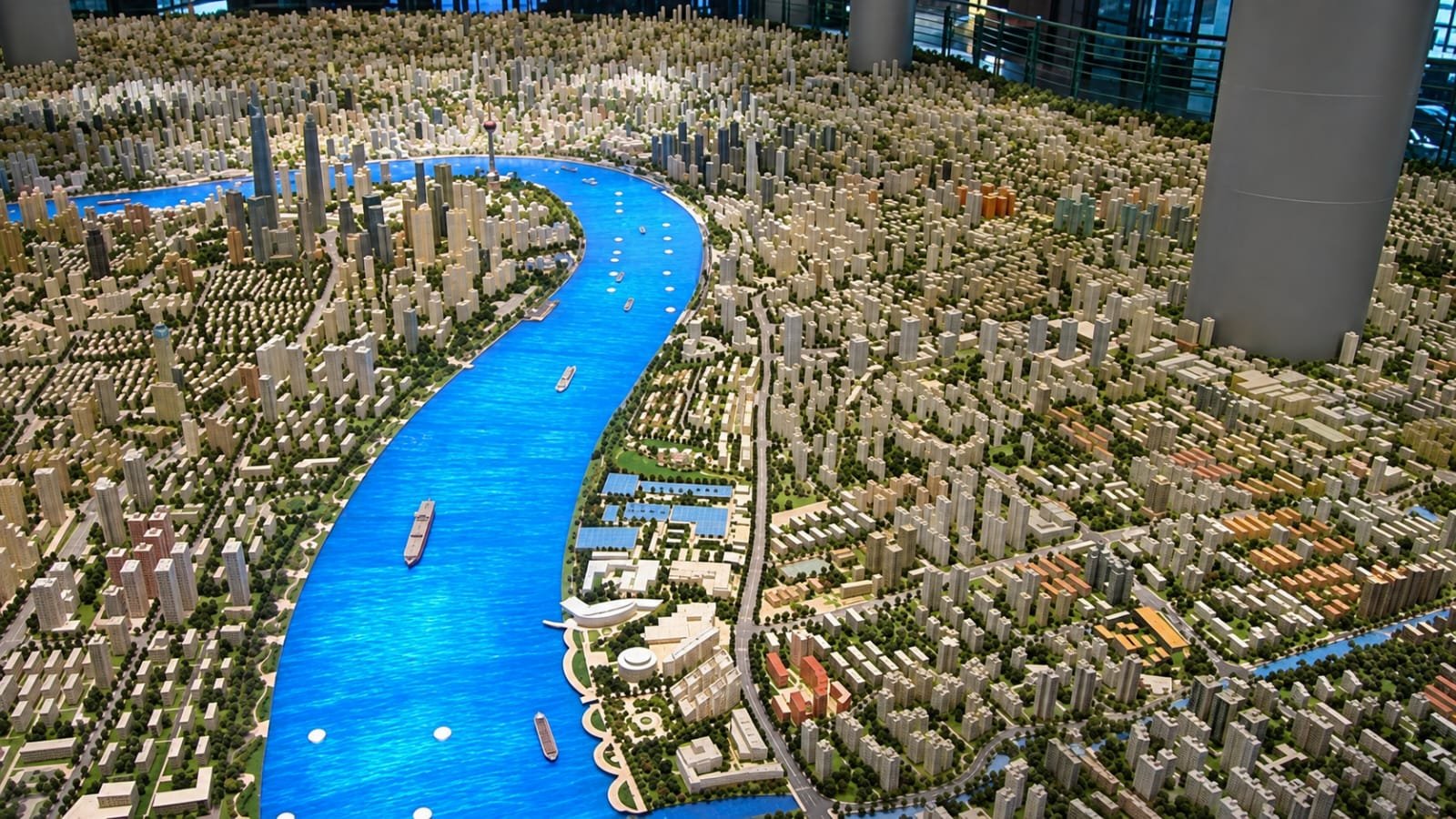
Every November 8, planners and communities mark World Town Planning Day, also known as World Urbanism Day. The observance began in 1949 in Buenos Aires, through the initiative of Argentine professor Carlos María della Paolera of the University of Buenos Aires. His aim was to promote public and professional interest in urban planning. More than seven decades later, the day is observed in over 30 countries across four continents.
The anniversary has a direct connection to housing and real estate. Planning decisions help determine where homes can be built, how neighbourhoods connect to jobs and public transport, and whether residents have access to water, schools, parks and other services. These choices shape both the experience of living in a city and the long-term prospects of property in its different areas.
A well-planned neighbourhood can make homes more useful and accessible by coordinating housing with roads, utilities and public spaces. When new development moves ahead without those connections, residents may face long commutes, overcrowded services or limited access to essential facilities. The World Bank has highlighted the importance of linking land use with infrastructure and connecting housing, jobs and services as cities expand.
For the property sector, planning can influence land values, construction costs and investment decisions. Zoning rules guide which sites can be used for housing, shops or industry. Building regulations affect the form and density of projects, while infrastructure plans can make previously difficult-to-reach areas more attractive for development. Clear, consistent planning also helps residents, builders and investors understand how a district may change over time.
Housing affordability is part of that discussion. Land that is scarce or poorly connected can become expensive, while regulations that fail to reflect local needs may limit the kinds of homes developers can build.
UN-Habitat notes that better governance of urban land markets is important for improving access to affordable housing. Planning therefore involves balancing new construction and investment with the need for safe, serviced homes within reach of different income groups. World Town Planning Day also draws attention to the environmental and social consequences of urban growth. The International Society of City and Regional Planners describes the observance as an opportunity to consider the development of cities and territories from a global perspective. Its purpose brings planners and the public together around decisions that affect communities for generations.
The lasting message of November 8 is that housing outcomes begin before construction starts. Decisions about land, transport, public services and open space help determine whether a city grows as a connected community or as disconnected developments. For governments, residents and the real-estate industry, the day is a reminder that good planning is part of building places where people can live well.
▪️Syed Shayan Real Estate Archive
▪ Reference(s):
On This Date
ورلڈ ٹاؤن پلاننگ ڈے یاد دلاتا ہے کہ زمین کے استعمال سے متعلق فیصلے رہائش، پراپرٹی مارکیٹ اور شہروں کے مستقبل پر کیسے اثر انداز ہوتے ہیں
ہر سال 8 نومبر کو منصوبہ ساز اور شہری کمیونیٹیز ورلڈ ٹاؤن پلاننگ ڈے مناتی ہیں، جسے ورلڈ اربنزم ڈے بھی کہا جاتا ہے۔ اس دن کا آغاز 1949 میں بیونس آئرس میں یونیورسٹی آف بیونس آئرس کے ارجنٹائنی پروفیسر کارلوس ماریا ڈیلا پاؤلیرا کی کوشش سے ہوا۔ ان کا مقصد شہری منصوبہ بندی میں عوامی اور پیشہ ورانہ دلچسپی کو فروغ دینا تھا۔ سات دہائیوں سے زیادہ عرصہ گزرنے کے بعد یہ دن چار براعظموں کے 30 سے زائد ممالک میں منایا جاتا ہے۔
اس دن کا رہائش اور رئیل اسٹیٹ سے براہِ راست تعلق ہے۔ منصوبہ بندی کے فیصلے طے کرتے ہیں کہ گھر کہاں تعمیر ہو سکتے ہیں، محلے روزگار اور عوامی ٹرانسپورٹ سے کیسے منسلک ہوں گے، اور شہریوں کو پانی، سکولوں، پارکوں اور دیگر سہولتوں تک رسائی حاصل ہوگی یا نہیں۔ یہی فیصلے شہر میں رہنے کے تجربے کے ساتھ ساتھ مختلف علاقوں میں جائیداد کے طویل مدتی امکانات پر بھی اثر انداز ہوتے ہیں۔
منصوبہ بندی کے تحت رہائشی علاقوں کو سڑکوں، یوٹیلٹی سروسز اور عوامی مقامات سے مربوط کیا جائے تو گھروں کی افادیت اور رسائی بہتر ہو سکتی ہے۔ اس کے برعکس، اگر نئی تعمیرات ان رابطوں کے بغیر آگے بڑھیں تو رہائشیوں کو طویل سفر، سہولتوں پر بڑھتے دباؤ اور بنیادی خدمات تک محدود رسائی جیسے مسائل کا سامنا ہو سکتا ہے۔
عالمی بینک نے بھی شہروں کی توسیع کے دوران زمین کے استعمال کو بنیادی ڈھانچے سے مربوط کرنے اور رہائش، روزگار اور سہولتوں کے درمیان رابطہ قائم رکھنے کی اہمیت اجاگر کی ہے۔
پراپرٹی کے شعبے میں منصوبہ بندی زمین کی قیمتوں، تعمیراتی لاگت اور سرمایہ کاری کے فیصلوں پر اثر ڈال سکتی ہے۔ زوننگ کے قواعد طے کرتے ہیں کہ کون سی زمین رہائش، دکانوں یا صنعت کے لیے استعمال ہو سکتی ہے۔ تعمیراتی ضوابط منصوبوں کی ساخت اور گنجائش پر اثر انداز ہوتے ہیں، جبکہ بنیادی ڈھانچے کے منصوبے ایسے علاقوں کو ترقی کے لیے زیادہ پُرکشش بنا سکتے ہیں جہاں پہلے پہنچنا مشکل تھا۔ واضح اور مستقل منصوبہ بندی سے رہائشیوں، تعمیراتی اداروں اور سرمایہ کاروں کو یہ سمجھنے میں مدد ملتی ہے کہ کسی علاقے میں وقت کے ساتھ کیا تبدیلیاں آ سکتی ہیں۔
رہائش کی استطاعت بھی اسی بحث کا اہم حصہ ہے۔ زمین کی قلت یا ناقص رابطوں کے باعث قیمتیں بڑھ سکتی ہیں، جبکہ مقامی ضروریات سے ہم آہنگ نہ ہونے والے ضوابط ڈویلپرز کے لیے مختلف اقسام کے گھر تعمیر کرنے کی گنجائش محدود کر سکتے ہیں۔ یو این ہیبی ٹیٹ کے مطابق شہری زمین کی منڈیوں کی بہتر حکمرانی، سستی رہائش تک رسائی بہتر بنانے کے لیے اہم ہے۔ اسی لیے منصوبہ بندی میں نئی تعمیرات اور سرمایہ کاری کے ساتھ محفوظ، بنیادی سہولتوں سے آراستہ اور مختلف آمدنی والے طبقات کی پہنچ میں رہائش کی ضرورت کے درمیان توازن قائم کرنا بھی شامل ہے۔
ورلڈ ٹاؤن پلاننگ ڈے شہری ترقی کے ماحولیاتی اور سماجی اثرات کی جانب بھی توجہ دلاتا ہے۔ انٹرنیشنل سوسائٹی آف سٹی اینڈ ریجنل پلانرز کے مطابق یہ دن شہروں اور علاقوں کی ترقی کو عالمی تناظر میں دیکھنے کا موقع فراہم کرتا ہے۔ اس کا مقصد منصوبہ سازوں اور عوام کو ان فیصلوں پر یکجا کرنا ہے جو نسلوں تک کمیونٹیز کی زندگیوں کو متاثر کرتے ہیں۔
8 نومبر کا بنیادی پیغام یہ ہے کہ رہائش کے نتائج تعمیراتی کام شروع ہونے سے پہلے طے ہونا شروع ہو جاتے ہیں۔ زمین، ٹرانسپورٹ، عوامی خدمات اور کھلی جگہوں سے متعلق فیصلے یہ طے کرتے ہیں کہ شہر ایک مربوط آبادی کے طور پر ترقی کرے گا یا الگ تھلگ منصوبوں کی صورت میں پھیلے گا۔ حکومتوں، شہریوں اور رئیل اسٹیٹ کے شعبے کے لیے یہ دن یاد دہانی ہے کہ اچھی منصوبہ بندی ایسے مقامات کی تعمیر کا اہم حصہ ہے جہاں لوگ بہتر زندگی گزار سکیں۔
▪️ سید شایان ریئل اسٹیٹ آرکائیو
▪ حوالہ جات:
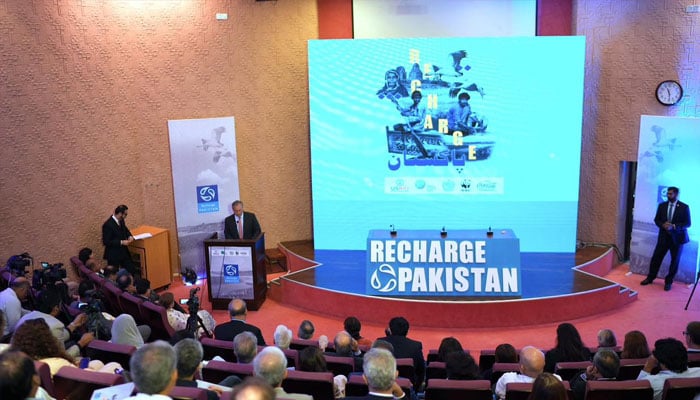
On November 2, 2021, Pakistan’s Ministry of Climate Change launched the ‘Recharge Pakistan’ project in collaboration with the World Bank and the Green Climate F...
Read More →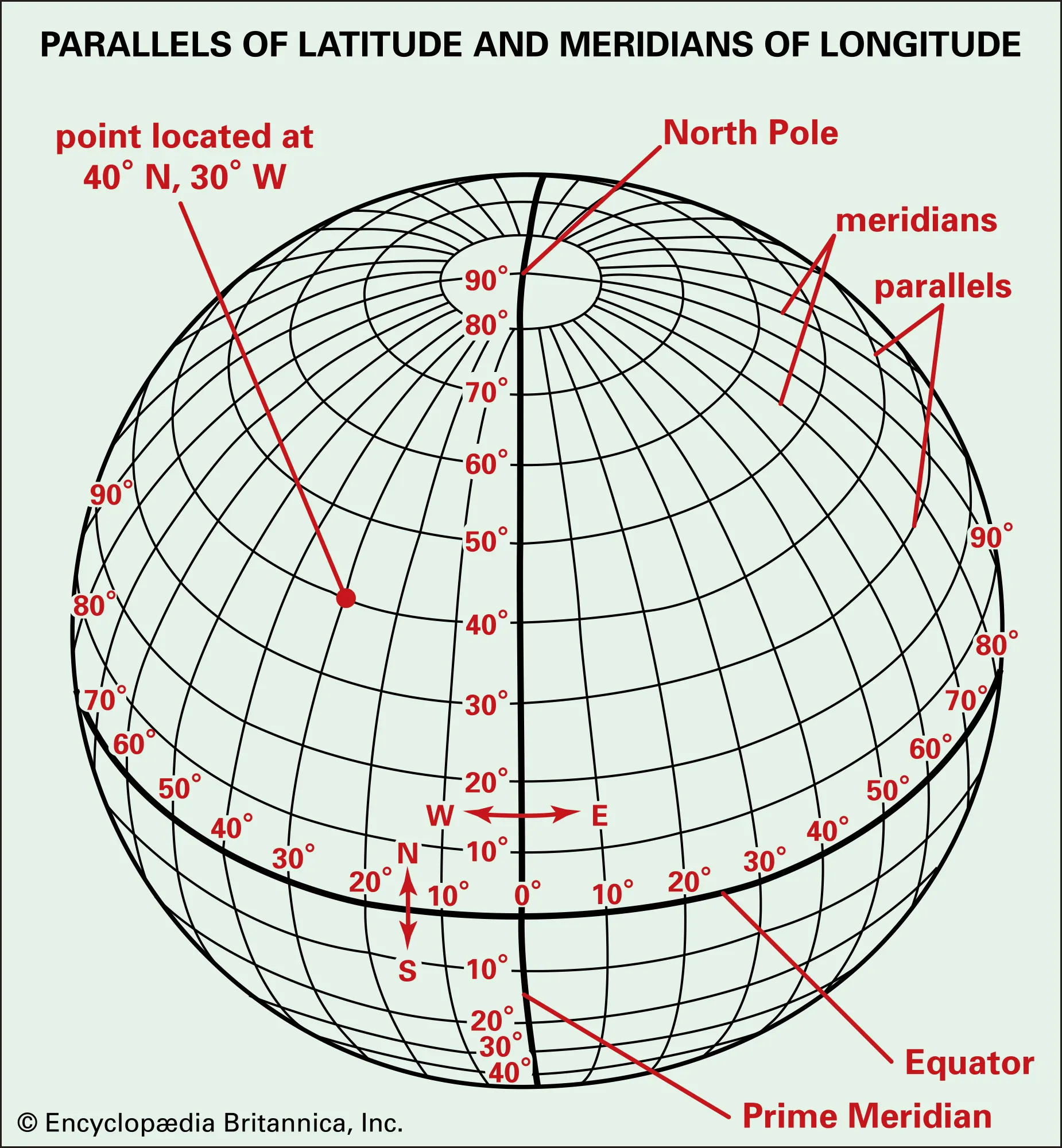
On October 13, 1884, a historic vote at the International Meridian Conference in Washington, D.C., marked a turning point in the development of internationally ...
Read More →
The International Olympic Committee selected Beijing, China, to host the 2008 Summer Olympic Games during its 112th Session in Moscow. The decision became a maj...
Read More →
On October 27, 2020, Pakistan launched its first comprehensive smart city project in Islamabad, representing a major advancement in urban development and real e...
Read More →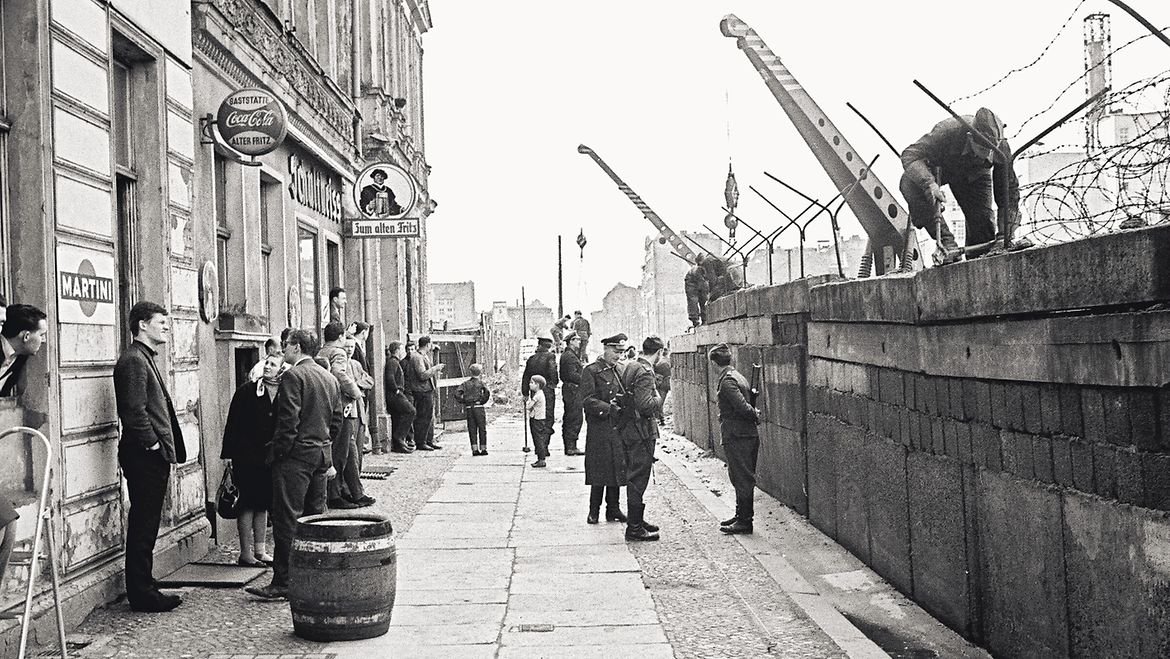
East German authorities began sealing the border between East and West Berlin, an action that would transform not only the political geography of Europe but als...
Read More →
The acquisition of land for the Model Town Society was one of the most remarkable and spirited chapters in its early history. Dewan Khem Chand and his...

Between 1921 and 1924, the land for Model Town Lahore was acquired in successive phases. The process began in 1921, shortly after the establishment of...
No comments yet. Be the first to comment!