
Syed Shayan Real Estate Archive
Syed Shayan Real Estate Archive
From Real Estate History
On This Date
On October 12, 1992, a destructive earthquake struck Cairo and surrounding areas in Egypt, killing hundreds of people and causing extensive damage to residential and commercial properties. The disaster became an important case study in urban development, exposing serious deficiencies in construction quality, building regulations and structural safety.
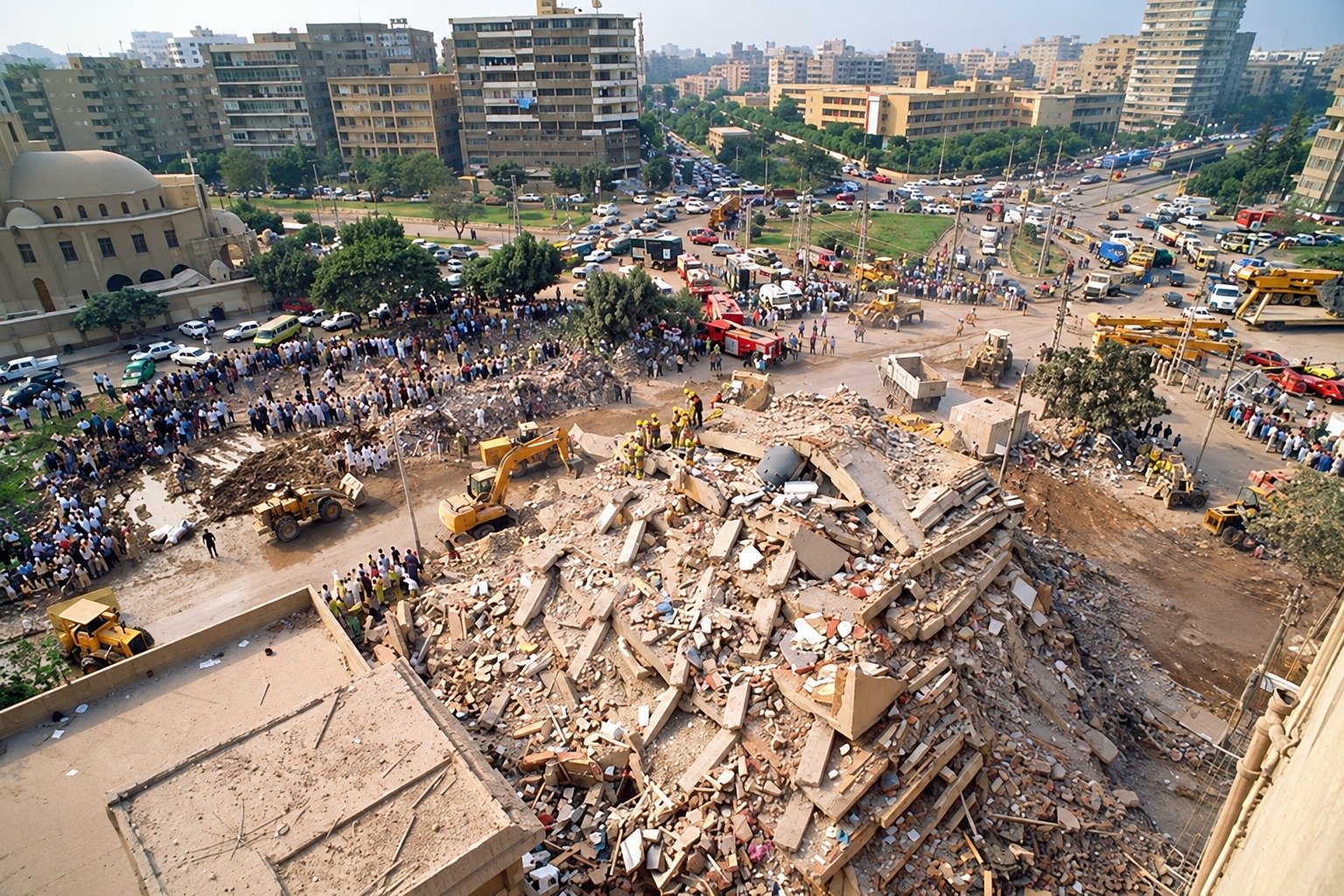
On October 12, 1992, a destructive earthquake struck Cairo and surrounding areas in Egypt, killing hundreds of people and causing extensive damage to residential and commercial properties. The disaster became an important case study in urban development, exposing serious deficiencies in construction quality, building regulations and structural safety.
According to the United States Geological Survey (USGS), the earthquake measured 5.9 on the Richter scale, with its epicentre located near Dahshur, approximately 18 kilometres south of Cairo. The earthquake originated at a depth of around 25 kilometres.
Despite its relatively moderate magnitude, the disaster claimed more than 500 lives, injured thousands of people and damaged or destroyed approximately 8,300 buildings. Preliminary estimates placed direct economic losses at around $300 million.
The extensive destruction raised serious questions about construction practices, engineering standards and regulatory oversight in one of the world's historically significant metropolitan areas.
Post earthquake investigations identified several factors that contributed to the widespread structural damage, including substandard construction materials, inadequate engineering design, poor workmanship, weak foundations and excessive structural loading.
Older residential buildings constructed from adobe and other vulnerable materials suffered particularly severe damage. Some reinforced concrete buildings also experienced structural failures because of construction deficiencies, improper modifications and inadequate compliance with building standards.
The earthquake highlighted the risks associated with rapid urban expansion when housing development and commercial construction are not supported by effective planning, technical supervision and strict enforcement of safety regulations.
For the real estate and construction industries, the disaster demonstrated that property development cannot be evaluated solely through the number of buildings completed, rising investment levels or expanding urban boundaries. Structural integrity, construction quality and public safety remain equally important indicators of sustainable development.
Following the earthquake, engineering experts emphasised the need for stronger building codes, improved construction techniques, better quality control of materials, earthquake-resistant structural designs and more effective emergency preparedness.
The 1992 Cairo earthquake remains a significant historical reminder for urban planners, property developers, construction professionals and regulatory authorities worldwide.
More than three decades later, its central lesson remains relevant: sustainable real estate development depends not only on investment and infrastructure expansion, but also on the ability of buildings to protect human lives when natural disasters strike.
Source(s) :
United States Geological Survey
▪️Syed Shayan Real Estate Archive
▪ Reference(s):
On This Date
12 اکتوبر 1992 کو مصر کے دارالحکومت قاہرہ اور اس کے گردونواح میں آنے والے تباہ کن زلزلے نے سینکڑوں افراد کی جان لے لی، جبکہ رہائشی اور تجارتی عمارتوں کو بڑے پیمانے پر نقصان پہنچا۔ یہ سانحہ شہری ترقی اور تعمیراتی شعبے کی تاریخ میں ایک اہم واقعہ ثابت ہوا، جس نے تعمیراتی معیار، بلڈنگ ریگولیشنز اور عمارتوں کے ساختی تحفظ میں سنگین خامیوں کو بے نقاب کیا۔
12 اکتوبر 1992 کو مصر کے دارالحکومت قاہرہ اور اس کے گردونواح میں آنے والے تباہ کن زلزلے نے سینکڑوں افراد کی جان لے لی، جبکہ رہائشی اور تجارتی عمارتوں کو بڑے پیمانے پر نقصان پہنچا۔ یہ سانحہ شہری ترقی اور تعمیراتی شعبے کی تاریخ میں ایک اہم واقعہ ثابت ہوا، جس نے تعمیراتی معیار، بلڈنگ ریگولیشنز اور عمارتوں کے ساختی تحفظ میں سنگین خامیوں کو بے نقاب کیا۔
امریکی ارضیاتی سروے (USGS) کے مطابق زلزلے کی شدت ریکٹر سکیل پر 5.9 ریکارڈ کی گئی، جبکہ اس کا مرکز قاہرہ سے تقریباً 18 کلومیٹر جنوب میں دہشور کے قریب واقع تھا۔ زلزلے کی گہرائی تقریباً 25 کلومیٹر تھی۔
شدت کے اعتبار سے نسبتاً درمیانے درجے کا ہونے کے باوجود اس زلزلے میں 500 سے زائد افراد جاں بحق اور ہزاروں زخمی ہوئے، جبکہ تقریباً 8 ہزار 300 عمارتیں مکمل یا جزوی طور پر تباہ ہو گئیں۔ ابتدائی اندازوں کے مطابق اس قدرتی آفت سے براہِ راست معاشی نقصانات کا حجم تقریباً 30 کروڑ امریکی ڈالر تھا۔
بڑے پیمانے پر ہونے والی تباہی نے دنیا کے تاریخی اعتبار سے اہم ترین شہروں میں شمار ہونے والے قاہرہ میں تعمیراتی طریقہ کار، انجینئرنگ کے معیارات اور متعلقہ اداروں کی نگرانی کے نظام پر سنگین سوالات کھڑے کر دیے۔
زلزلے کے بعد کی جانے والی تحقیقات میں عمارتوں کو پہنچنے والے وسیع نقصان کی کئی وجوہات سامنے آئیں، جن میں غیر معیاری تعمیراتی مواد، ناقص انجینئرنگ ڈیزائن، تعمیراتی کام میں خامیاں، کمزور بنیادیں اور عمارتوں پر ان کی برداشت سے زیادہ بوجھ ڈالنا شامل تھا۔
مٹی اور دیگر کمزور تعمیراتی مواد سے بنی پرانی رہائشی عمارتیں خصوصاً شدید متاثر ہوئیں۔ اس کے علاوہ بعض آر سی سی (Reinforced Concrete) عمارتیں بھی ناقص تعمیر، غیر مناسب ساختی تبدیلیوں اور بلڈنگ کوڈز پر مؤثر عمل درآمد نہ ہونے کے باعث تباہ ہوئیں۔
اس زلزلے نے واضح کیا کہ تیزی سے پھیلتے ہوئے شہروں میں اگر رہائشی منصوبوں اور تجارتی تعمیرات کے ساتھ مؤثر منصوبہ بندی، تکنیکی نگرانی اور حفاظتی ضوابط پر سختی سے عمل درآمد نہ کیا جائے تو قدرتی آفات کے دوران جانی و مالی نقصانات کئی گنا بڑھ سکتے ہیں۔
رئیل اسٹیٹ اور تعمیراتی صنعت کے لیے یہ سانحہ ایک اہم سبق تھا کہ پراپرٹی ڈویلپمنٹ کی کامیابی کو صرف تعمیر ہونے والی عمارتوں کی تعداد، سرمایہ کاری میں اضافے یا شہروں کے پھیلاؤ سے نہیں جانچا جا سکتا۔ عمارتوں کی مضبوطی، تعمیراتی معیار اور انسانی جانوں کا تحفظ بھی پائیدار شہری ترقی کے بنیادی پیمانے ہیں۔
زلزلے کے بعد انجینئرنگ ماہرین نے زیادہ مؤثر بلڈنگ کوڈز، جدید تعمیراتی تکنیک، تعمیراتی مواد کی سخت جانچ پڑتال، زلزلہ مزاحم ڈیزائن اور ہنگامی حالات سے نمٹنے کی بہتر تیاریوں کی ضرورت پر زور دیا۔
1992 کا قاہرہ زلزلہ آج بھی دنیا بھر کے شہری منصوبہ سازوں، پراپرٹی ڈویلپرز، تعمیراتی ماہرین اور ریگولیٹری اداروں کے لیے ایک اہم تاریخی حوالہ ہے۔
تین دہائیوں سے زیادہ عرصہ گزرنے کے باوجود اس سانحے کا بنیادی سبق آج بھی اتنا ہی اہم ہے کہ پائیدار رئیل اسٹیٹ ڈویلپمنٹ کا انحصار محض سرمایہ کاری اور انفراسٹرکچر کی توسیع پر نہیں بلکہ ایسی محفوظ اور مضبوط عمارتوں کی تعمیر پر بھی ہے جو قدرتی آفات کے دوران انسانی جانوں کا تحفظ یقینی بنا سکیں۔
On November 5, 1989, Singapore announced a major expansion to its Housing & Development Board (HDB) home-ownership model, creating policies that allowed low- an...
Read More →
U.S. President Dwight D. Eisenhower signed the Federal Aid Highway Act, a landmark law that created the Interstate Highway System. The act authorized the constr...
Read More →
On November 8, 1977, Sheikh Rashid bin Saeed Al Maktoum officially launched the Dubai Creek Expansion Project a defining moment in the city’s urban history that...
Read More →
On 27 November 1962, the Lahore Improvement Trust (LIT) issued a landmark resolution approving, for the first time, the formal urban expansion of Lahore across ...
Read More →
On June 17, 1885, the Statue of Liberty arrived in New York Harbor from France aboard the French ship Isère. The statue was sent in more than 200 crates as a gi...
Read More →
The acquisition of land for the Model Town Society was one of the most remarkable and spirited chapters in its early history. Dewan Khem Chand and his...

Between 1921 and 1924, the land for Model Town Lahore was acquired in successive phases. The process began in 1921, shortly after the establishment of...
No comments yet. Be the first to comment!