
Syed Shayan Real Estate Archive
Syed Shayan Real Estate Archive
From Real Estate History
On This Date
On September 29, 1907, construction of one of the most recognisable landmarks of Washington, D.C., formally began with the laying of the foundation stone of Washington National Cathedral. Officially known as the Cathedral Church of Saint Peter and Saint Paul, the cathedral was planned as a major religious and civic landmark in the American capital.
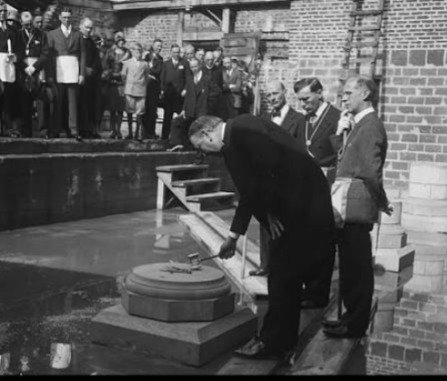
On September 29, 1907, construction of one of the most recognisable landmarks of Washington, D.C., formally began with the laying of the foundation stone of Washington National Cathedral. Officially known as the Cathedral Church of Saint Peter and Saint Paul, the cathedral was planned as a major religious and civic landmark in the American capital. The ceremony at Mount Saint Alban was attended by President Theodore Roosevelt, the Bishop of London and a crowd of around 10,000 people.
The project had roots several years earlier. The Protestant Episcopal Cathedral Foundation received a charter from the United States Congress in 1893 to promote religion, education and charity and to establish a cathedral and related institutions. Mount Saint Alban in northwest Washington was eventually selected as the site for the cathedral, giving the project a prominent position within the capital’s developing urban landscape.
The foundation stone itself carried historical symbolism. According to Washington National Cathedral’s official records, the stone came from a field near Bethlehem and was set into a larger block of American granite. It carried an inscription from the Gospel of John. The ceremonial stone became the physical starting point for what would become an exceptionally long construction project.
The cathedral was designed in the Gothic tradition, drawing heavily on historic European architectural forms. British architect George Frederick Bodley and architect Henry Vaughan were among the key figures involved in the early design and construction process. The project, however, was not completed within a conventional construction period. Economic difficulties, the two World Wars, funding constraints and changes in architectural leadership contributed to a construction process lasting more than eight decades.
The building’s long construction history is one of the reasons the date remains particularly significant in architectural and real estate history. Construction began on September 29, 1907, and the final stone was placed on September 29, 1990, exactly 83 years later. Washington National Cathedral describes this coincidence as marking the beginning and completion of the major construction of the building on the same calendar date.
From a real estate and urban development perspective, the project demonstrates how a major building can influence the identity and character of a city over generations. The cathedral was not developed simply as an isolated structure. Its extensive grounds, surrounding landscape and associated institutions created a significant urban place within Washington, D.C.
The site eventually became part of a wider complex that includes educational institutions and landscaped grounds. The Protestant Episcopal Cathedral Foundation says its institutions today occupy 59 acres known as the Close, a setting used by students, worshippers, visitors and residents of surrounding neighbourhoods.
The September 29, 1907 foundation laying therefore represents more than the beginning of a religious building. It marked the start of an 83 year construction journey that ultimately produced a major architectural landmark and helped shape a distinctive part of Washington, D.C.’s built environment.
For real estate history, the event offers a useful example of how long term construction, land selection, architecture and civic purpose can combine to create an enduring urban landmark whose significance extends far beyond the original construction project.
▪️Syed Shayan Real Estate Archive
▪ Reference(s):
On This Date
29 ستمبر 1907 کو امریکی دارالحکومت واشنگٹن ڈی سی میں ایک ایسی عمارت کی تعمیر کا باقاعدہ آغاز ہوا جو بعد میں شہر کی نمایاں تعمیراتی اور شہری شناخت کا حصہ بن گئی۔ اس روز واشنگٹن نیشنل کیتھیڈرل، جس کا باضابطہ نام کیتھیڈرل چرچ آف سینٹ پیٹر اینڈ سینٹ پال ہے، کا سنگ بنیاد رکھا گیا۔
29 ستمبر 1907 کو امریکی دارالحکومت واشنگٹن ڈی سی میں ایک ایسی عمارت کی تعمیر کا باقاعدہ آغاز ہوا جو بعد میں شہر کی نمایاں تعمیراتی اور شہری شناخت کا حصہ بن گئی۔ اس روز واشنگٹن نیشنل کیتھیڈرل، جس کا باضابطہ نام کیتھیڈرل چرچ آف سینٹ پیٹر اینڈ سینٹ پال ہے، کا سنگ بنیاد رکھا گیا۔ یہ تقریب ماؤنٹ سینٹ البان پر منعقد ہوئی اور اس میں امریکی صدر تھیوڈور روزویلٹ، لندن کے بشپ اور تقریباً 10 ہزار افراد نے شرکت کی۔
واشنگٹن نیشنل کیتھیڈرل کا تصور محض ایک مذہبی عمارت کی تعمیر تک محدود نہیں تھا۔ اسے امریکی دارالحکومت میں ایک ایسی قومی سطح کی عمارت کے طور پر تصور کیا گیا تھا جو عبادت، تعلیم، خیرات اور عوامی اجتماع کے لیے ایک نمایاں شہری مقام بن سکے۔ پروٹسٹنٹ ایپسکوپل کیتھیڈرل فاؤنڈیشن کو امریکی کانگریس نے 1893 میں چارٹر دیا تھا، جبکہ ماؤنٹ سینٹ البان کی جگہ کو کیتھیڈرل کے لیے منتخب کیا گیا۔
29 ستمبر 1907 کی تقریب میں رکھا گیا بنیادی پتھر بھی اپنے اندر تاریخی علامت رکھتا تھا۔ واشنگٹن نیشنل کیتھیڈرل کے مطابق یہ پتھر بیت لحم کے قریب ایک کھیت سے لایا گیا تھا اور اسے امریکی گرینائٹ کے بڑے ٹکڑے میں نصب کیا گیا۔ اس پر انجیل یوحنا کا ایک اقتباس درج تھا۔
عمارت کی تعمیر کا منصوبہ روایتی گوتھک طرز تعمیر سے متاثر تھا۔ اس منصوبے میں برطانوی معمار جارج فریڈرک بوڈلی اور بعد ازاں ہنری وان سمیت متعدد ماہرین نے کردار ادا کیا۔ تعمیر کا سفر معمول کے مطابق مختصر مدت میں مکمل نہیں ہوا بلکہ جنگوں، معاشی مشکلات، فنڈز کی کمی اور دیگر رکاوٹوں کے باعث کئی دہائیوں تک جاری رہا۔
دلچسپ بات یہ ہے کہ کیتھیڈرل کی تعمیر 29 ستمبر 1907 کو شروع ہوئی اور ٹھیک 83 سال بعد 29 ستمبر 1990 کو اس کا آخری پتھر نصب کیا گیا۔ واشنگٹن نیشنل کیتھیڈرل کے مطابق یوں ایک ہی تاریخ اس عمارت کے آغاز اور تکمیل، دونوں کی علامت بن گئی۔
رئیل اسٹیٹ اور شہری ترقی کی تاریخ میں اس واقعے کی اہمیت اس بات میں ہے کہ ایک بڑے تعمیراتی منصوبے نے وقت کے ساتھ محض ایک عمارت کی شکل اختیار نہیں کی بلکہ واشنگٹن ڈی سی کے شہری منظرنامے اور ثقافتی شناخت کا مستقل حصہ بن گیا۔ کیتھیڈرل کے وسیع احاطے، اردگرد کے کھلے مقامات اور تاریخی عمارت نے شہر میں ایک نمایاں شہری مقام تشکیل دیا۔
یوں 29 ستمبر 1907 کا دن صرف ایک مذہبی عمارت کا سنگ بنیاد رکھنے کی تاریخ نہیں بلکہ طویل المدت تعمیراتی منصوبہ بندی، فن تعمیر اور شہری شناخت کے ایک ایسے سفر کا آغاز تھا جو 83 سال بعد مکمل ہوا اور آج بھی واشنگٹن کے تعمیراتی ورثے کا حصہ ہے۔
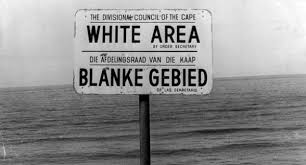
On 19 June 1913, South Africa’s Natives Land Act became law, marking one of the most consequential moments in the country’s land and property history. The legis...
Read More →
On November 6, 1853, the French Emperor Napoleon III appointed Baron Georges Eugène Haussmann as Prefect of the Seine, launching one of the most transformative ...
Read More →
Prior to Florida’s admission, the United States consisted of 26 states. Its elevation to statehood was driven in part by the need to preserve the delicate polit...
Read More →
On November 2, 2015, world leaders and climate experts gathered in Paris to finalize the framework for the COP21 Climate Agreement, a landmark initiative aimed ...
Read More →
On September 10, 1509, Constantinople, the capital of the Ottoman Empire, was struck by a powerful earthquake that caused extensive destruction to homes, religi...
Read More →
The acquisition of land for the Model Town Society was one of the most remarkable and spirited chapters in its early history. Dewan Khem Chand and his...

Between 1921 and 1924, the land for Model Town Lahore was acquired in successive phases. The process began in 1921, shortly after the establishment of...
No comments yet. Be the first to comment!