
Syed Shayan Real Estate Archive
Syed Shayan Real Estate Archive
From Real Estate History
On This Date
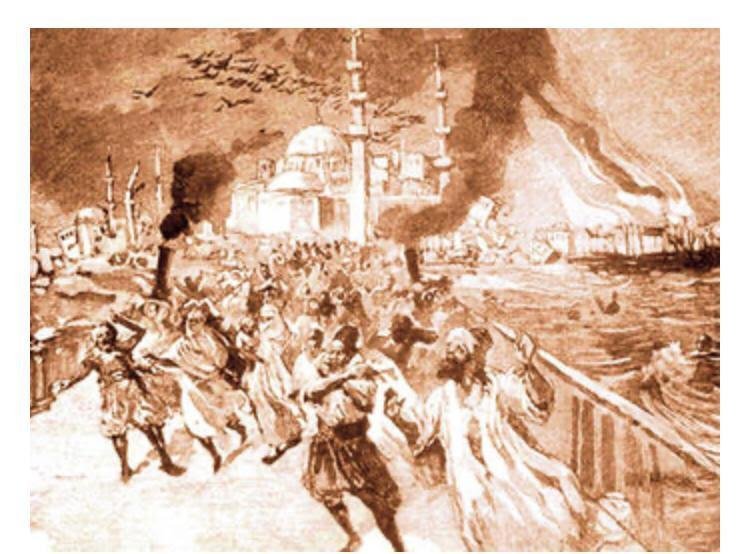
On September 10, 1509, Constantinople, the capital of the Ottoman Empire, was struck by a powerful earthquake that caused extensive destruction to homes, religious buildings, city walls, fortifications and other important structures. The earthquake occurred in the Sea of Marmara, close to Constantinople, and its magnitude is estimated at around 7.2.
The disaster became so deeply embedded in the city's history that contemporaries referred to it as “Kıyamet-i Suğra,” or the “Lesser Judgment Day.” The earthquake struck at approximately 10 p.m., followed by numerous aftershocks. Historical accounts indicate that the tremors continued for weeks, while some residents reportedly avoided returning to their homes for an extended period because of fears of further destruction.
The damage to the city's built environment was particularly severe. Historical records indicate that approximately 1,070 houses collapsed, while dozens of towers along the walls of Constantinople were destroyed or damaged. The newly constructed Bayezid II Mosque suffered major damage: its main dome was destroyed and one of its minarets collapsed. The Fatih Mosque also sustained serious structural damage, while numerous other mosques and public buildings were affected.
The earthquake also damaged major pieces of urban infrastructure. Parts of the city's historic water-supply system were affected, while important fortifications including Rumeli Fortress and Anadolu Fortress suffered damage. A tsunami associated with the earthquake also affected parts of the Sea of Marmara coastline, with historical accounts describing flooding in some settlements.
The number of casualties remains uncertain because historical sources provide different estimates. Modern summaries place the possible death toll somewhere between 1,000 and 13,000, while thousands more were reportedly injured.
For real estate history, the 1509 Constantinople earthquake offers an important lesson: a major natural disaster can transform an entire urban property landscape in a matter of hours,destroying homes, damaging infrastructure and forcing governments to undertake large scale reconstruction.
▪️Syed Shayan Real Estate Archive
▪ Reference(s):
On This Date
10 ستمبر 1509 کو سلطنتِ عثمانیہ کا دارالحکومت قسطنطنیہ ایک ایسے تباہ کن زلزلے سے لرز اٹھا جس نے شہر کی شہری عمارتوں، رہائشی مکانات اور تاریخی تعمیرات کو شدید نقصان پہنچایا۔ زلزلے کا مرکز بحیرۂ مرمرہ کے علاقے میں تھا اور اس کی شدت کا جدید اندازہ تقریباً 7.2 لگایا جاتا ہے۔
یہ واقعہ تاریخ میں اس قدر تباہ کن سمجھا گیا کہ اسے عثمانی دور کے لوگوں نے "قیامت صغریٰ" کا نام دیا۔ زلزلہ تقریباً رات دس بجے آیا اور اس کے بعد کئی ہفتوں تک جھٹکے محسوس ہوتے رہے۔ تاریخی شواہد کے مطابق بعض علاقوں میں لوگ تقریباً دو ماہ تک اپنے گھروں میں واپس جانے سے خوفزدہ رہے۔
رہائشی املاک کو پہنچنے والا نقصان غیر معمولی تھا۔ قسطنطنیہ میں تقریباً ایک ہزار ستر مکانات منہدم ہوئے، جبکہ شہر کی فصیل کے درجنوں برج بھی متاثر ہوئے۔ بڑی تعداد میں مذہبی اور عوامی عمارتیں بھی تباہ یا شدید متاثر ہوئیں۔ بایزید ثانی کی نئی تعمیر شدہ مسجد کا مرکزی گنبد تباہ ہوگیا اور ایک مینار گر گیا، جبکہ فاتح مسجد کے بڑے ستونوں اور گنبد کو بھی نقصان پہنچا۔
زلزلے کے اثرات صرف رہائشی علاقوں تک محدود نہیں رہے۔ آب رسانی کے لیے استعمال ہونے والے قدیم آبی راستے، قلعے، شہر کی فصیلیں اور دیگر اہم تعمیرات بھی متاثر ہوئیں۔ بحیرۂ مرمرہ میں پیدا ہونے والی سمندری لہروں نے ساحلی آبادیوں کو بھی نقصان پہنچایا اور بعض علاقوں کے مکانات پانی سے متاثر ہوئے۔
جانی نقصان کے بارے میں تاریخی ذرائع میں اختلاف پایا جاتا ہے، تاہم مختلف اندازوں میں ہلاکتیں ایک ہزار سے تیرہ ہزار تک بتائی گئی ہیں۔ زلزلے کی تباہی نے حکمرانوں کو بڑے پیمانے پر تعمیرِ نو کی ضرورت سے دوچار کیا اور یہ واقعہ قسطنطنیہ کی شہری تاریخ میں ایک اہم موڑ بن گیا۔
قدرتی آفات کسی شہر کی جائیداد، رہائشی ڈھانچے، بنیادی سہولتوں اور تعمیراتی منصوبہ بندی کو ایک ہی لمحے میں بدل سکتی ہیں۔ 1509 کا قسطنطنیہ اسی حقیقت کی ایک تاریخی مثال ہے۔

Makar Sankranti was a seasonal festival deeply rooted in the agrarian life of the subcontinent, traditionally observed around 14 January and celebrated with the...
Read More →
Some buildings become so deeply associated with a city that they eventually represent far more than steel, concrete and glass. New York’s World Trade Center Twi...
Read More →
On October 30, 1975, New York City narrowly averted financial catastrophe when President Gerald Ford authorized crucial federal loan guarantees, preventing comp...
Read More →
Days before the creation of Pakistan, the country’s Constituent Assembly held its inaugural session at the Sindh Assembly Building in Karachi on August 10, 1947...
Read More →
1979: The Hoboken Land and Improvement Company Building in New Jersey was added to the National Register of Historic Places, recognising its architectural, comm...
Read More →
The acquisition of land for the Model Town Society was one of the most remarkable and spirited chapters in its early history. Dewan Khem Chand and his...

Between 1921 and 1924, the land for Model Town Lahore was acquired in successive phases. The process began in 1921, shortly after the establishment of...
No comments yet. Be the first to comment!