
Syed Shayan Real Estate Archive
Syed Shayan Real Estate Archive
From Real Estate History
On This Date
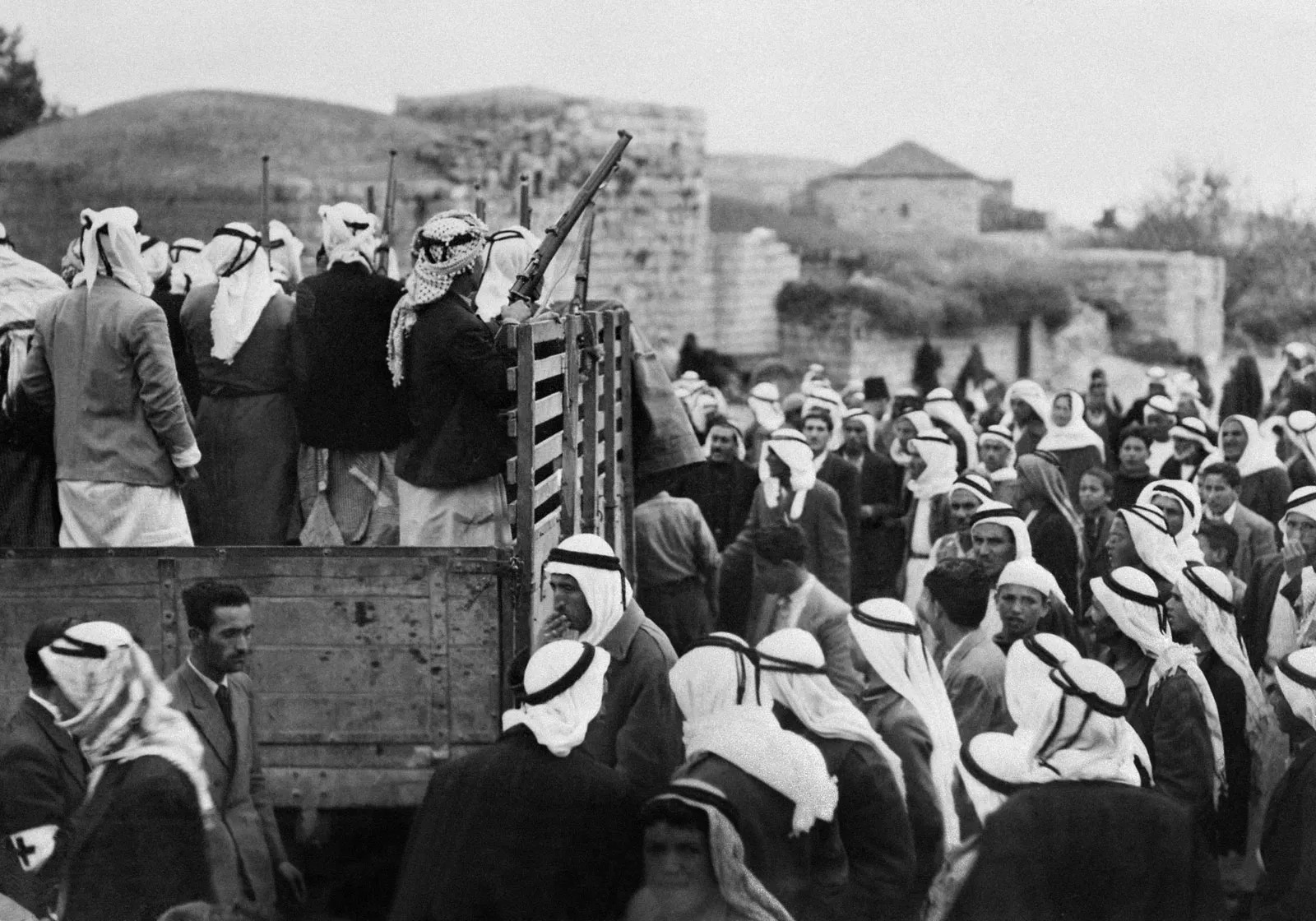
In the aftermath of the mass displacement of Palestinians during the Nakba, the Israeli government enacted the Abandoned Property Ordinance.
The ordinance gave the state control over properties belonging to Palestinians who had been expelled or had fled during the conflict. Three days later, the Abandoned Areas Ordinance expanded state control from individual properties to entire areas declared abandoned.
These measures became a major turning point in the history of land ownership and property rights in Palestine. They enabled the transfer, use and administration of homes, farmland and other immovable assets left behind by displaced Palestinians, with long lasting consequences for property ownership and urban development in the region.
The impact went far beyond individual property transactions. Control over land and buildings determined who could occupy homes, cultivate farmland, operate businesses and influence the future of towns and villages. In practical terms, this legal framework separated many displaced Palestinians from assets that had sustained family livelihoods and local economies for generations. Its legacy remains visible in continuing disputes over ownership, restitution, planning and access to land. For the real estate sector, the episode illustrates how laws governing abandoned property can permanently reshape land records, urban growth patterns and the balance of property rights between communities and the state. It also shows why transparent land registries and safeguards for displaced owners are critical in post conflict reconstruction.
▪️Syed Shayan Real Estate Archive
▪ Reference(s):
On This Date
24 جون 1948 کو نکبہ کے دوران فلسطینیوں کی بڑے پیمانے پر بے دخلی کے پس منظر میں اسرائیلی حکومت نے متروکہ جائیداد آرڈیننس نافذ کیا۔
اس آرڈیننس کے تحت ان فلسطینیوں کی جائیدادوں پر ریاستی کنٹرول قائم کیا گیا جو جنگی حالات کے دوران بے دخل ہوئے یا اپنے گھر اور زمینیں چھوڑنے پر مجبور ہوئے۔ تین روز بعد متروکہ علاقوں کے آرڈیننس کے ذریعے یہ اختیار انفرادی جائیدادوں سے بڑھا کر پورے ایسے علاقوں تک وسیع کر دیا گیا جنہیں متروکہ قرار دیا گیا تھا۔
یہ اقدامات فلسطین میں زمین کی ملکیت اور جائیدادی حقوق کی تاریخ میں ایک اہم موڑ ثابت ہوئے۔ ان کے ذریعے بے گھر فلسطینیوں کے چھوڑے گئے مکانات، زرعی زمینوں اور دیگر غیر منقولہ اثاثوں کی منتقلی، استعمال اور انتظام ممکن بنایا گیا، جس کے خطے میں جائیداد کی ملکیت اور شہری ترقی پر دیرپا اثرات مرتب ہوئے۔
▪️ سید شایان ریئل اسٹیٹ آرکائیو
On This Date
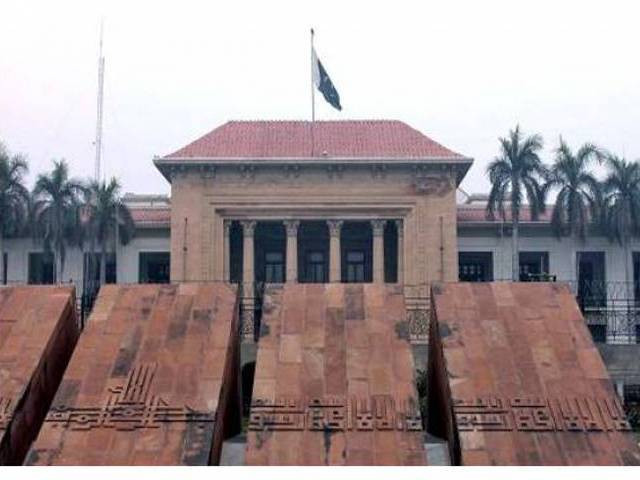
The Punjab Assembly passed the Management and Transfer of Properties by Development Authorities Act 2014, a law aimed at making the management, transfer and leasing of public development authority properties more transparent and structured.
The law covered properties managed by development authorities, including land, plots, buildings and housing schemes. It provided for property transfers through open auction, computerised ballot and joint ventures, while also requiring public notices, disclosure of transactions, geo referenced property inventories and compliance audits.
The legislation also established an appellate mechanism for people aggrieved by orders relating to property transfer or lease. It was assented to on 25 June 2014 and published in the Punjab Gazette on 26 June 2014.
Source: The Management and Transfer of Properties by Development Authorities Act 2014
▪️Syed Shayan Real Estate Archive
▪ Reference(s):
On This Date
24 جون 2014 کو پنجاب اسمبلی نے ڈویلپمنٹ اتھارٹیز کی جائیدادوں کے انتظام اور منتقلی سے متعلق قانون منظور کیا، جس کا مقصد سرکاری ترقیاتی اداروں کی زمین، پلاٹس، عمارتوں اور ہاؤسنگ سکیموں کے معاملات کو زیادہ شفاف اور منظم بنانا تھا۔
اس قانون کے تحت جائیداد کی منتقلی کیلئے کھلی نیلامی، کمپیوٹرائزڈ بیلٹنگ اور جوائنٹ وینچر جیسے طریقہ کار متعارف کرائے گئے۔ قانون میں عوامی نوٹس، لین دین کی تفصیلات کی اشاعت، جائیدادوں کا جغرافیائی ریکارڈ اور باقاعدہ آڈٹ کی شقیں بھی شامل کی گئیں۔
قانون نے جائیداد کی منتقلی یا لیز سے متعلق فیصلوں کے خلاف اپیل کا طریقہ بھی مقرر کیا۔ اسے 25 جون 2014 کو گورنر کی منظوری ملی اور 26 جون 2014 کو پنجاب گزٹ میں شائع کیا گیا۔
▪️ سید شایان ریئل اسٹیٹ آرکائیو

On November 15, 1986 the Gujrat Development Authority launched the Model Town Gujrat Housing Scheme to address rising population pressure and the need for organ...
Read More →
Prior to Florida’s admission, the United States consisted of 26 states. Its elevation to statehood was driven in part by the need to preserve the delicate polit...
Read More →
Born on 7 January 1886, Jamshed Nusserwanjee Mehta’s life story is inseparable from the transformation of Karachi itself, from a small harbour settlement into a...
Read More →
On June 20, 1930, the construction of New York’s iconic Empire State Building reached a major milestone when its steel frame rose to the 26th floor. This achiev...
Read More →
On 10 March 1930, the 27th President of the United States, William Howard Taft, was laid to rest at the nation’s renowned national burial ground, Arlington Nati...
Read More →
The acquisition of land for the Model Town Society was one of the most remarkable and spirited chapters in its early history. Dewan Khem Chand and his...

Between 1921 and 1924, the land for Model Town Lahore was acquired in successive phases. The process began in 1921, shortly after the establishment of...
No comments yet. Be the first to comment!