
Syed Shayan Real Estate Archive
Syed Shayan Real Estate Archive
From Real Estate History
On This Date
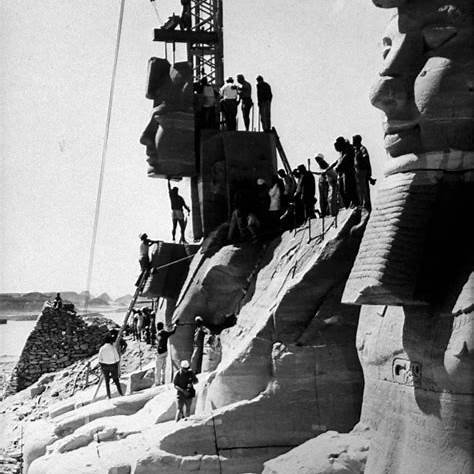
On August 12, 1965, one of the most remarkable preservation projects in the history of the built environment entered a decisive phase in Nubia, southern Egypt, as work advanced to cut and relocate the ancient temples of Abu Simbel before rising waters from the Aswan High Dam could reach them. Carved directly into a mountainside in the thirteenth century BC during the reign of Pharaoh Ramesses II, the monumental temples had survived for more than three thousand years and had become among the most celebrated architectural remains of ancient Egypt. Their future was threatened in the twentieth century when construction of the Aswan High Dam was expected to raise water levels across a vast area of Nubia and create a huge reservoir, placing Abu Simbel and numerous other historic sites at risk of permanent submersion. Following appeals from Egypt and Sudan, UNESCO launched an international campaign in 1960 to save the endangered monuments. Engineers, archaeologists and construction specialists developed an extraordinary solution: the temples would be carefully cut into large stone sections, numbered, lifted to higher ground and reconstructed in their original architectural arrangement and orientation. August 12, 1965 marked an important stage in this complex cutting and relocation operation. Over the following years, the massive sections were moved and reassembled inside an artificial hill designed to reproduce the setting of the original site, with the Abu Simbel relocation completed in 1968. The wider Nubian preservation campaign ultimately involved the relocation of 22 monuments and architectural complexes and brought together specialists from countries across the world. The success of Abu Simbel demonstrated that major infrastructure and development projects did not necessarily have to result in the permanent loss of historic buildings and cultural landmarks. The campaign also helped strengthen the international idea that places of exceptional cultural importance form part of a shared human heritage, contributing to the development of the UNESCO World Heritage Convention adopted in 1972. August 12, 1965 therefore stands as a remarkable date in real estate and built environment history, when engineering was used not to erase the past in the name of development, but to physically move history so that it could survive into the future.
▪️Syed Shayan Real Estate Archive
▪ Reference(s):
On This Date
12 اگست 1965 کو مصر کے جنوبی علاقے نوبیا میں دنیا کے عظیم ترین تعمیراتی اور ثقافتی ورثہ بچاؤ منصوبوں میں سے ایک فیصلہ کن مرحلے میں داخل ہوا، جب ابو سمبل کے تین ہزار سال سے زیادہ قدیم مندروں کو اسوان ہائی ڈیم کے نتیجے میں بلند ہونے والے پانی سے محفوظ رکھنے کے لیے انہیں کاٹ کر منتقل کرنے کا عملی مرحلہ شروع کیا گیا۔ فرعون رامسیس دوم کے دور میں تیرہویں صدی قبل مسیح میں پہاڑ کو تراش کر تعمیر کیے گئے یہ عظیم مندر اپنی دیوقامت مجسمہ نما عمارتوں اور منفرد طرز تعمیر کے باعث قدیم مصر کی اہم ترین تعمیراتی یادگاروں میں شمار ہوتے ہیں۔ بیسویں صدی میں اسوان ہائی ڈیم کی تعمیر کے باعث دریائے نیل کے وسیع علاقے میں پانی کی سطح بلند ہونے اور نئی جھیل بننے کا امکان پیدا ہوا تو ابو سمبل سمیت نوبیا کے کئی تاریخی مقامات کے زیر آب آنے کا خطرہ پیدا ہوگیا۔ مصر اور سوڈان کی اپیل پر یونیسکو نے 1960 میں ان تاریخی عمارتوں کو بچانے کے لیے ایک غیر معمولی عالمی مہم شروع کی۔ انجینئروں، ماہرین آثار قدیمہ اور تعمیراتی ماہرین نے ابو سمبل کے مندروں کو ضائع ہونے سے بچانے کے لیے انہیں بڑے بڑے پتھریلے حصوں میں کاٹنے، ہر حصے کو نمبر دینے، بلند اور محفوظ مقام تک منتقل کرنے اور پھر اصل شکل، ترتیب اور سمت کے مطابق دوبارہ تعمیر کرنے کا منصوبہ تیار کیا۔ 12 اگست 1965 اس مشکل آپریشن کے اہم ترین مراحل میں سے ایک کا آغاز بنا۔ بعد کے برسوں میں مندروں کے بڑے حصے محفوظ مقام تک منتقل کرکے ایک مصنوعی پہاڑی کے اندر دوبارہ جوڑے گئے اور 1968 تک یہ غیر معمولی منصوبہ مکمل ہوگیا۔ نوبیا کے وسیع تر تاریخی ورثہ بچاؤ پروگرام کے دوران مجموعی طور پر 22 تاریخی یادگاروں اور تعمیراتی مجموعوں کو منتقل کیا گیا جبکہ دنیا کے مختلف ممالک کے ماہرین نے اس میں حصہ لیا۔ ابو سمبل کی کامیاب منتقلی نے یہ ثابت کیا کہ بڑے ڈیم، شہری ترقی اور انفراسٹرکچر منصوبوں کے باوجود تاریخی تعمیرات کو جدید انجینئرنگ کے ذریعے محفوظ رکھا جا سکتا ہے۔ اسی عالمی مہم نے بعد میں تاریخی اور ثقافتی مقامات کو انسانیت کا مشترکہ ورثہ قرار دینے کے تصور کو مضبوط کیا اور 1972 کے یونیسکو عالمی ثقافتی و قدرتی ورثہ کنونشن کی تشکیل میں اہم کردار ادا کیا۔ یوں 12 اگست 1965 تعمیراتی تاریخ کا وہ یادگار دن بن گیا جب انسان نے ترقی کے لیے تاریخ کو مٹانے کے بجائے انجینئرنگ کی مدد سے تاریخ کو اپنی جگہ سے اٹھا کر مستقبل کے لیے محفوظ کرنے کا راستہ اختیار کیا۔
On November 20, 1993, the Rahim Yar Khan District Council approved the Cross-Canal Agro-Industrial Expansion Plan, a transformative initiative aimed at moderniz...
Read More →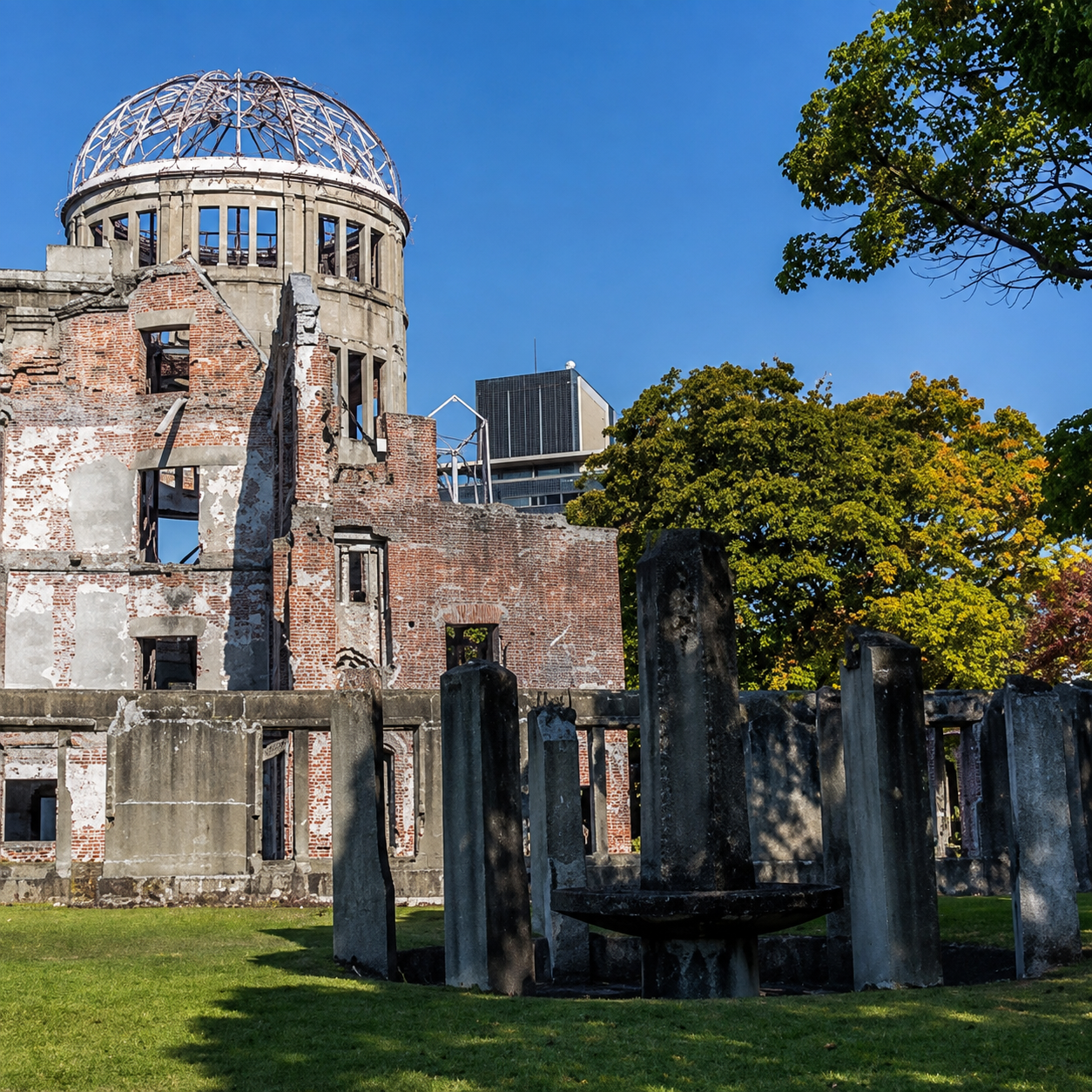
Japan enacted the Hiroshima Peace Memorial City Construction Law, establishing a special legal framework for the reconstruction, urban planning and redevelopmen...
Read More →
At 3:42 in the morning on July 28, 1976, a powerful earthquake struck the industrial city of Tangshan in China’s Hebei province. The earthquake, generally measu...
Read More →
On August 16, 2016, Westfield World Trade Center officially opened in New York, marking a major milestone in the long redevelopment of the World Trade Center si...
Read More →
On this day in 2005, a catastrophic 7.6 magnitude earthquake struck northern Pakistan and Azad Jammu & Kashmir (AJK), marking one of the deadliest natural disas...
Read More →
The acquisition of land for the Model Town Society was one of the most remarkable and spirited chapters in its early history. Dewan Khem Chand and his...

Between 1921 and 1924, the land for Model Town Lahore was acquired in successive phases. The process began in 1921, shortly after the establishment of...
No comments yet. Be the first to comment!