
Syed Shayan Real Estate Archive
Syed Shayan Real Estate Archive
From Real Estate History
On This Date
Millions were displaced in France as temporary housing, compensation for war damage and new urban-planning measures followed
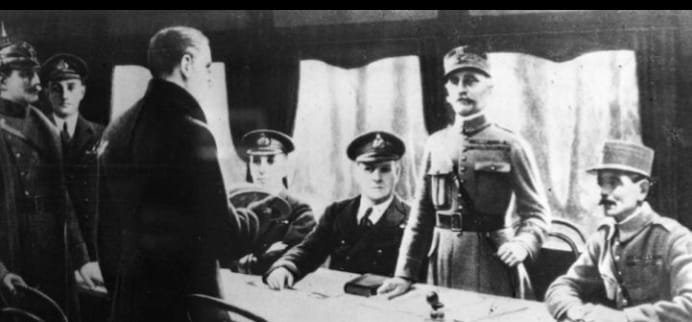
On November 11, 1918, Allied representatives and Germany signed an armistice inside a railway carriage near Compiègne, France. Fighting on the Western Front stopped at 11am that day, bringing the First World War to an end. The agreement was not a permanent peace treaty, but it marked the beginning of an extensive period of post-war recovery and reconstruction across Europe.
After the armistice, displaced people began returning to towns and villages in northern and eastern France. Years of fighting had damaged homes, farmland, forests, roads and railways. In France’s Nord department, more than 50,000 homes had been completely destroyed and 210,000 damaged. Many communities near the front lay in ruins, while transport links and essential services had been left unusable.
For returning families, finding shelter was the most urgent concern. Permanent reconstruction would take time, so authorities built temporary homes and barracks from wood, metal and other available materials.
Some families initially took refuge in makeshift shelters built from metal sheets used in trenches, bricks salvaged from rubble and timber. These temporary homes were bitterly cold in winter and unbearably hot in summer, but they offered an initial means of restarting life in devastated areas.
Reconstruction also required a financial and legal framework. On April 17, 1919, France passed a law to compensate for war damage. Under the law, affected property owners could receive compensation and advance payments to restore buildings and other assets. The measures helped residents rebuild their homes and farmers resume cultivation.
Reconstruction cooperatives were later established to help property owners choose architects and contractors, navigate government procedures and oversee building work.
Post-war reconstruction was not limited to rebuilding damaged structures. An urban-planning law passed in 1919 set out principles for roadworks, sanitation, urban expansion and improvements to the appearance of affected cities. The measures aimed to restore pre-war urban layouts while also making room for better transport and more orderly communities.
The November 11 armistice remains a symbol of the end of the fighting, but one of its lasting legacies was the long reconstruction effort that made the recovery of homes, cities and infrastructure a central responsibility of government and urban planning. The return to permanent life in devastated areas was gradual, with the transition from temporary shelter to durable housing taking many years.
▪️Syed Shayan Real Estate Archive
▪ Reference(s):
On This Date
فرانس میں لاکھوں افراد بے گھر ہوئے؛ عارضی رہائش، جنگی نقصانات کے ازالے اور شہری منصوبہ بندی کے نئے اقدامات سامنے آئے
11 نومبر 1918 کو فرانس کے شہر کمپین کے قریب ایک ریلوے ڈبے میں اتحادی ممالک اور جرمنی کے درمیان جنگ بندی کے معاہدے پر دستخط ہوئے۔ اسی دن صبح 11 بجے مغربی محاذ پر لڑائی رک گئی، جس کے بعد پہلی عالمی جنگ کا اختتام ہوا۔ یہ معاہدہ مستقل امن معاہدہ نہیں تھا، تاہم اس نے یورپ میں جنگ کے بعد بحالی اور تعمیرِ نو کے ایک غیرمعمولی دور کی بنیاد رکھ دی۔
جنگ بندی کے بعد فرانس کے شمالی اور مشرقی علاقوں میں بے گھر آبادی اپنے شہروں اور دیہات واپس آنے لگی۔ کئی برس کی لڑائی نے گھروں، کھیتوں، جنگلات، سڑکوں اور ریلوے کو نقصان پہنچایا تھا۔ فرانس کے علاقے نور میں 50 ہزار سے زیادہ مکانات مکمل تباہ اور 210 ہزار متاثر ہوئے۔ محاذ کے قریب واقع متعدد بستیاں ملبے کا ڈھیر بن چکی تھیں، جبکہ آمدورفت اور روزمرہ زندگی کے لیے ضروری سہولتیں بھی ناکارہ تھیں۔
واپس آنے والے خاندانوں کے لیے سب سے فوری مسئلہ چھت اور رہائش کا تھا۔ مستقل تعمیرِ نو میں وقت لگنا تھا، اس لیے حکام نے لکڑی، دھات اور دیگر دستیاب مواد سے عارضی گھر اور بیرکیں بنائیں۔ ابتدا میں بعض خاندان خندقوں میں استعمال ہونے والی دھاتی چادروں، ملبے سے حاصل شدہ اینٹوں اور لکڑی سے بنائے گئے کمزور پناہ گاہوں میں رہے۔ یہ عارضی مکانات سردیوں میں شدید سرد اور گرمیوں میں ناقابلِ برداشت حد تک گرم ہوتے تھے، مگر تباہ شدہ علاقوں میں زندگی دوبارہ شروع کرنے کا ابتدائی ذریعہ بنے۔
تعمیرِ نو کے لیے مالی اور قانونی ڈھانچا بھی ضروری تھا۔
فرانس نے 17 اپریل 1919 کو جنگی نقصانات کے ازالے کا قانون منظور کیا، جس کے تحت متاثرہ مالکان کو عمارتوں اور دیگر املاک کی بحالی کے لیے معاوضے اور پیشگی رقوم مل سکتی تھیں۔ اس سے رہائشیوں کو اپنے گھر دوبارہ تعمیر کرنے اور کسانوں کو کھیتی باڑی بحال کرنے میں مدد ملی۔ بعد میں تعمیرِ نو کی کوآپریٹو تنظیمیں قائم ہوئیں، جنہوں نے مالکان کو معماروں اور ٹھیکے داروں کے انتخاب، سرکاری کارروائیوں اور تعمیراتی کام کی نگرانی میں سہولت دی۔
جنگ کے بعد تعمیرِ نو محض تباہ شدہ عمارتیں دوبارہ کھڑی کرنے تک محدود نہیں رہی۔
1919 میں منظور ہونے والے شہری منصوبہ بندی کے قانون نے متاثرہ شہروں میں سڑکوں، صفائی، توسیع اور خوب صورتی کے منصوبوں کے لیے اصول وضع کیے۔ اس طرح جنگ سے پہلے کے شہری نقشے کو بحال کرنے کے ساتھ بہتر آمدورفت اور زیادہ منظم آبادیوں کی گنجائش بھی پیدا ہوئی۔
11 نومبر کی جنگ بندی آج بھی جنگ کے خاتمے کی علامت ہے، لیکن اس کی ایک اہم تاریخی میراث تعمیرِ نو کا وہ طویل عمل ہے جس نے گھروں، شہروں اور بنیادی ڈھانچے کی بحالی کو ریاستی ذمہ داری اور شہری منصوبہ بندی کا مرکزی موضوع بنایا۔ تباہ شدہ علاقوں میں مستقل زندگی کی واپسی فوری نہیں تھی؛ عارضی رہائش سے پائیدار تعمیر تک کا سفر کئی برس جاری رہا۔
▪️ سید شایان ریئل اسٹیٹ آرکائیو
▪ حوالہ جات:
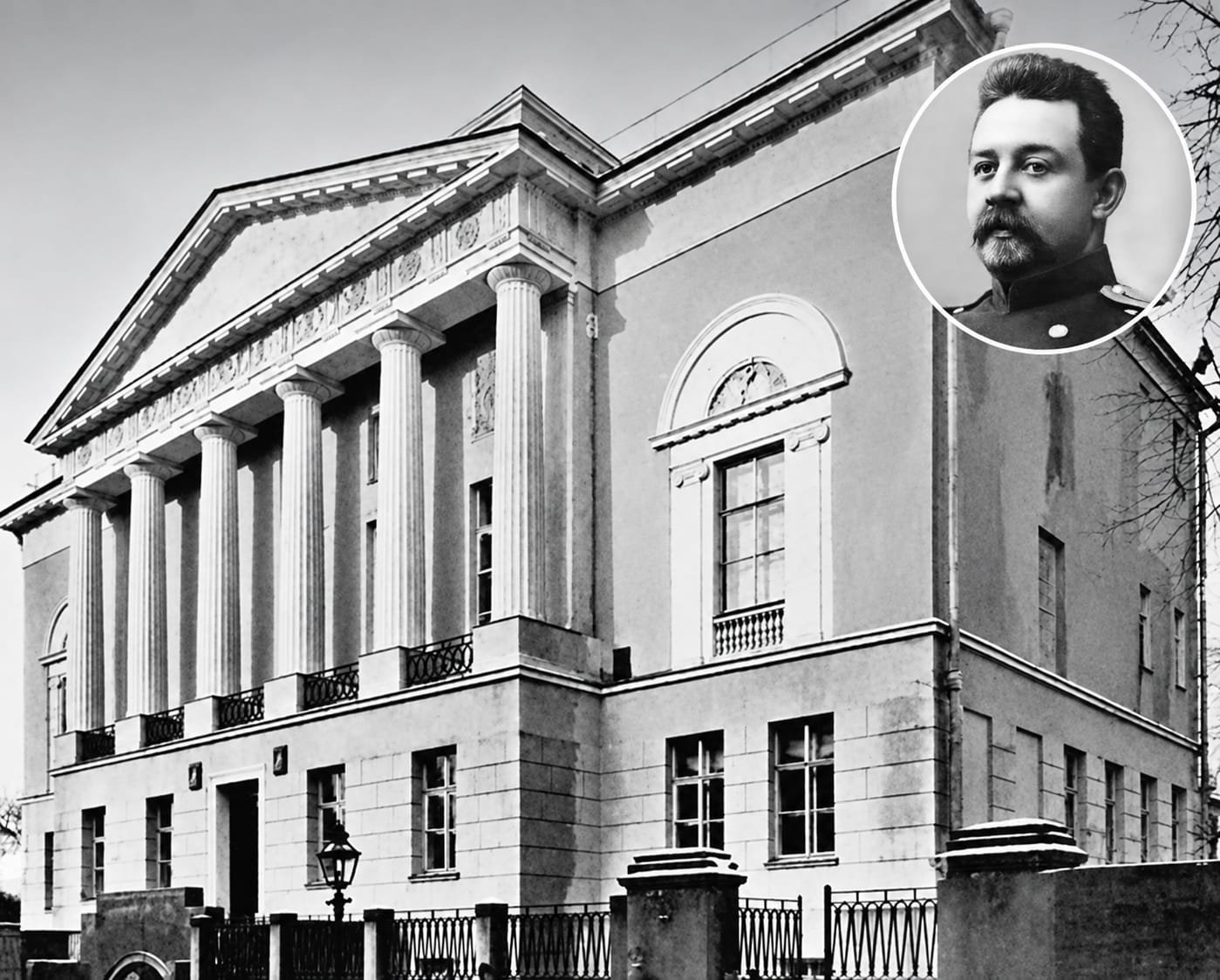
On October 4, 1869, prominent Russian engineer and architect Ivan Ivanovich Rerberg was born in Moscow, beginning the life of a designer whose work would later ...
Read More →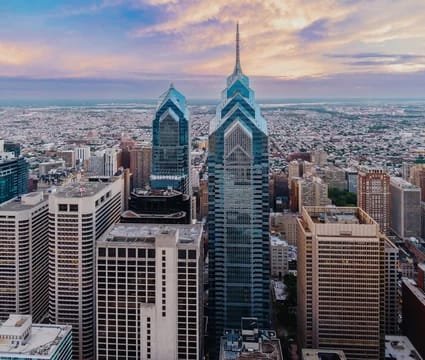
On August 17, 1987, One Liberty Place officially opened for business in Philadelphia, becoming a turning point in the city's real estate and urban development h...
Read More →On November 15, 1910 the municipal government of Cape Town, South Africa created its first Public Housing Works Department to address deteriorating living condi...
Read More →
On November 17, 1994, the Peshawar Development Authority (PDA) began its first Ring Road Housing Expansion Scheme to reduce congestion inside the historical cor...
Read More →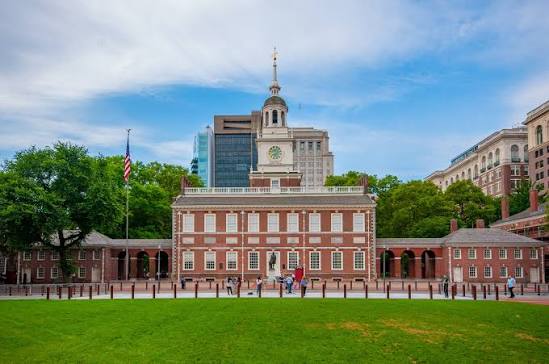
One of the most important moments in modern political and urban history took place inside Independence Hall in Philadelphia, United States. On this day, the Dec...
Read More →
The acquisition of land for the Model Town Society was one of the most remarkable and spirited chapters in its early history. Dewan Khem Chand and his...

Between 1921 and 1924, the land for Model Town Lahore was acquired in successive phases. The process began in 1921, shortly after the establishment of...
No comments yet. Be the first to comment!