
Syed Shayan Real Estate Archive
Syed Shayan Real Estate Archive
From Real Estate History
On This Date
The 792-foot Manhattan tower held the world height record from 1913 to 1930 and became a model for a generation of skyscrapers
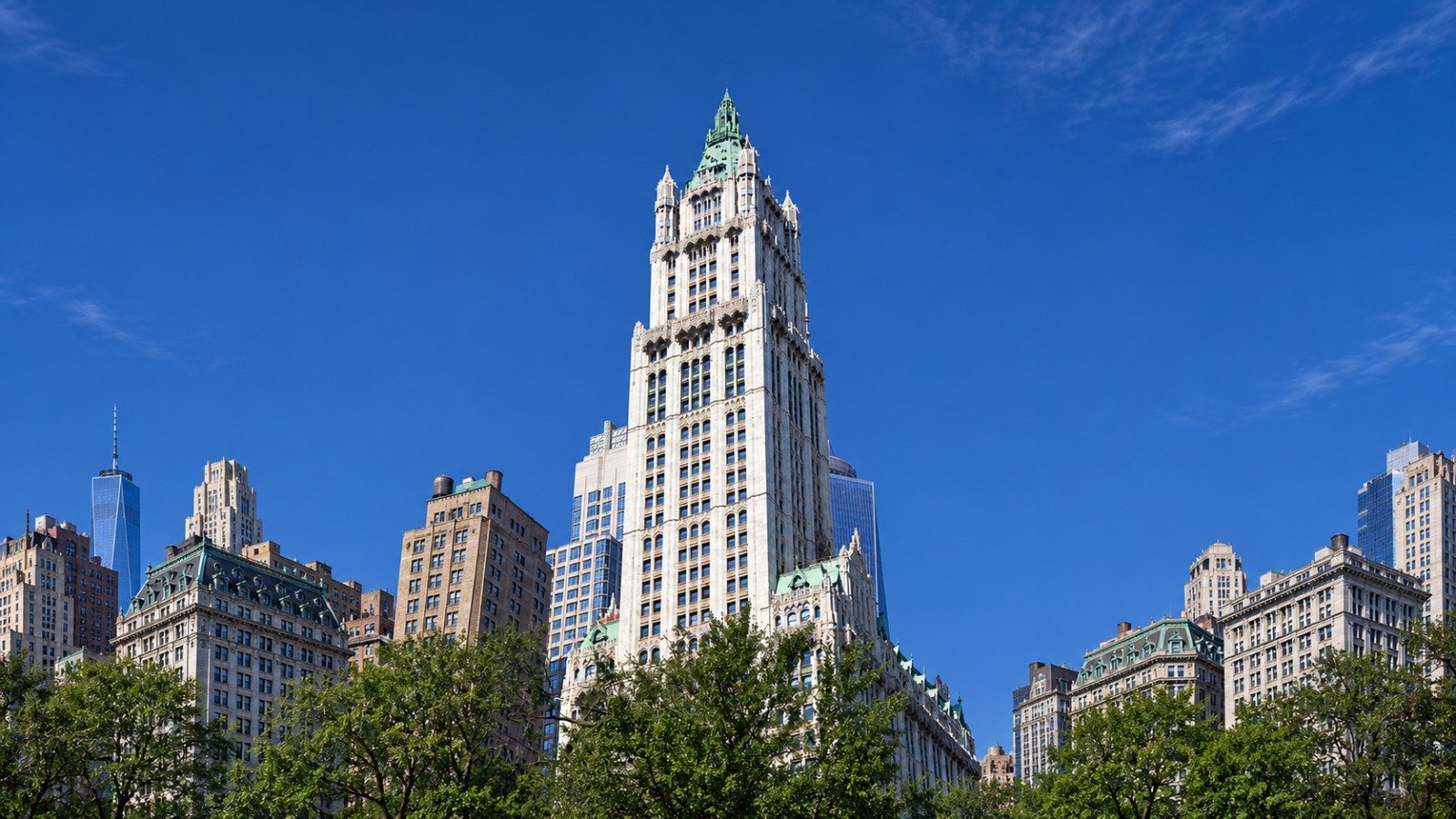
The United States recognised New York’s Woolworth Building as a National Historic Landmark on 13 November 1966, more than half a century after the skyscraper opened as the world’s tallest building. The US National Park Service records the designation on the same date that the Interior Department announced a federal advisory board’s recommendation of 57 sites for landmark status, including the tower at 233 Broadway in Lower Manhattan.
Retail entrepreneur Frank W. Woolworth commissioned the building, and architect Cass Gilbert designed it. Construction began in 1911, and the tower opened in April 1913. At 792 feet, or about 241 metres, the 60-storey building surpassed every other building of its time. It held the record for 17 years, until 40 Wall Street overtook it in 1930.
Gilbert paired a steel frame with an ornate Gothic-style exterior clad in terra cotta. High-speed lifts made the upper floors practical for office tenants, while the building had its own power, water and fire-protection systems. New York City’s Landmarks Preservation Commission later identified the tower as a model for the skyscrapers that reshaped Manhattan’s skyline after the First World War.
The building’s business model was as consequential as its height. Woolworth’s company occupied only about one and a half floors, leaving much of the property available for rent. A shopping arcade, restaurant, barber shop and other amenities served people working in and visiting the building. The combination earned the tower a place in the history of commercial real estate as an early example of how a single high-rise could accommodate offices, retail and services.
New York City designated the building and its first-floor interior as landmarks in 1983. Decades later, Alchemy Properties acquired the tower section in 2012 and converted its upper floors into condominiums, with construction completed in 2019. The conversion gave part of the former office tower a new use while retaining the exterior that had defined its place on the skyline.
For cities in Pakistan planning new commercial districts or looking for ways to reuse older buildings, the Woolworth Building offers two practical examples. Its original design shows how offices and street-level businesses can support each other within one property. Its later conversion shows how a historic building can accommodate new uses while retaining the features that give it architectural value.
▪️Syed Shayan Real Estate Archive
▪ Reference(s):
On This Date
مین ہیٹن کی 792 فٹ بلند عمارت 1913 سے 1930 تک دنیا کی بلند ترین عمارت رہی اور بعد کی فلک بوس عمارتوں کے لیے نمونہ بنی
امریکہ نے 13 نومبر 1966 کو نیویارک کی وول ورتھ بلڈنگ کو قومی تاریخی عمارت کا درجہ دیا۔ اس وقت دنیا کی بلند ترین عمارت کے طور پر اس کے افتتاح کو نصف صدی سے زیادہ عرصہ گزر چکا تھا۔
امریکی نیشنل پارک سروس کے ریکارڈ کے مطابق، اسی روز امریکی محکمہ داخلہ نے ان 57 مقامات کی فہرست جاری کی جنہیں ایک وفاقی مشاورتی بورڈ نے تاریخی حیثیت دینے کی سفارش کی تھی۔ لوئر مین ہیٹن میں 233 براڈوے پر واقع وول ورتھ بلڈنگ بھی اس فہرست میں شامل تھی۔
معروف امریکی کاروباری شخصیت فرینک ڈبلیو وول ورتھ نے یہ عمارت تعمیر کروائی، جبکہ اس کا ڈیزائن ماہرِ تعمیرات کاس گلبرٹ نے تیار کیا۔ تعمیر 1911 میں شروع ہوئی اور اپریل 1913 میں عمارت کا افتتاح ہوا۔ تقریباً 241 میٹر، یعنی 792 فٹ بلند اس 60 منزلہ عمارت نے 17 برس تک دنیا کی بلند ترین عمارت کا اعزاز برقرار رکھا۔ 1930 میں مین ہیٹن کی ایک اور عمارت، 40 وال سٹریٹ، نے اس کی بلندی کا ریکارڈ توڑ دیا۔
گلبرٹ نے عمارت کے فولادی ڈھانچے کو گوتھک طرز کے نقش و نگار اور ٹیراکوٹا کی بیرونی تہہ کے ساتھ ڈیزائن کیا۔ تیز رفتار لفٹوں نے بالائی منزلوں پر دفاتر تک رسائی آسان بنائی، جبکہ عمارت میں بجلی، پانی اور آگ سے تحفظ کے اپنے نظام موجود تھے۔ نیویارک سٹی کے 'کمیشن برائے تحفظِ تاریخی عمارات' کے مطابق، یہ عمارت پہلی جنگِ عظیم کے بعد مین ہیٹن میں بننے والی فلک بوس عمارتوں کے لیے ایک نمونہ ثابت ہوئی۔
عمارت کا تجارتی ماڈل بھی اس کی بلندی کی طرح اہم تھا۔ وول ورتھ کی کمپنی تقریباً ڈیڑھ منزل استعمال کرتی تھی اور عمارت کا بڑا حصہ کرائے کے لیے دستیاب تھا۔
یہاں دفاتر کے ساتھ دکانوں کی گیلری، ریستوران، حجام کی دکان اور دیگر سہولیات بھی موجود تھیں۔ ایک ہی بلند عمارت میں دفاتر، خوردہ کاروبار اور خدمات کی موجودگی نے اسے جدید کمرشل رئیل اسٹیٹ کی ابتدائی مثالوں میں شامل کیا۔
نیویارک کی شہری انتظامیہ نے 1983 میں عمارت اور اس کی پہلی منزل کے اندرونی حصے کو تاریخی حیثیت دی۔ کئی دہائیوں بعد، 2012 میں، الکیمی پراپرٹیز نے عمارت کا ٹاور والا حصہ خریدا اور اس کی بالائی منزلوں کو رہائشی اپارٹمنٹس میں تبدیل کیا۔ یہ کام 2019 میں مکمل ہوا۔ رہائشی استعمال کے لیے تبدیلی کے دوران عمارت کا تاریخی بیرونی ڈیزائن برقرار رکھا گیا۔
پاکستانی شہروں میں نئے تجارتی مراکز کی منصوبہ بندی اور پرانی عمارتوں کے دوبارہ استعمال کے لیے وول ورتھ بلڈنگ کی تاریخ دو عملی مثالیں پیش کرتی ہے۔ اس کا اصل ڈیزائن دکھاتا ہے کہ دفاتر اور دکانیں ایک ہی عمارت میں کیسے کام کر سکتی ہیں۔ بالائی منزلوں کی رہائشی تبدیلی یہ مثال پیش کرتی ہے کہ کسی تاریخی عمارت کی نمایاں تعمیراتی خصوصیات کو محفوظ رکھتے ہوئے اسے نئی ضروریات کے مطابق کیسے استعمال کیا جا سکتا ہے۔
▪️ سید شایان ریئل اسٹیٹ آرکائیو
▪ حوالہ جات:

In 1947, the partition of the subcontinent divided Bengal into two parts, West Bengal and East Bengal, later known as East Pakistan. The system of land owner...
Read More →On November 15, 1910 the municipal government of Cape Town, South Africa created its first Public Housing Works Department to address deteriorating living condi...
Read More →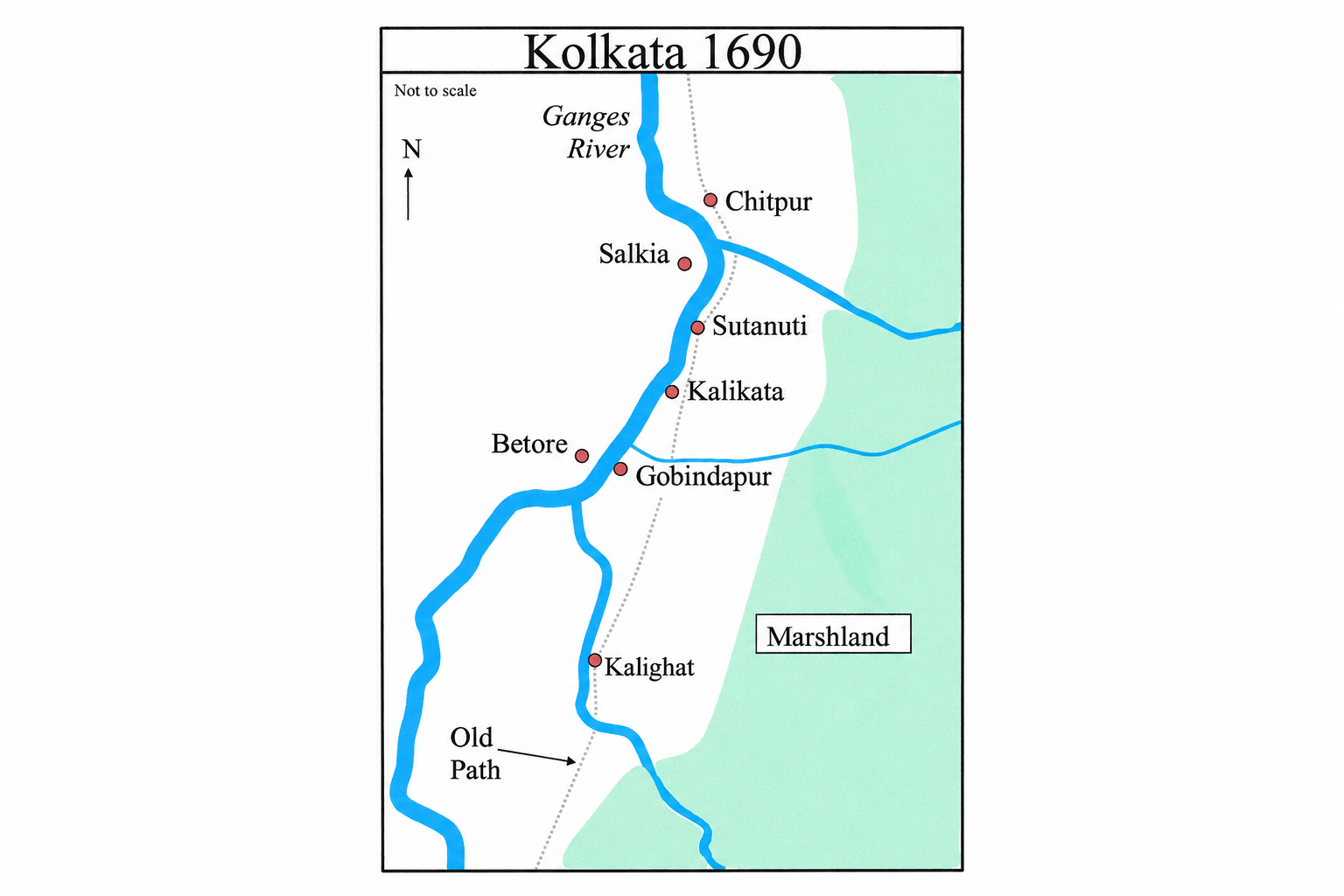
On August 24, 1690, Job Charnock, an agent of the British East India Company, returned to Sutanuti, a settlement on the banks of the Hooghly River. For generati...
Read More →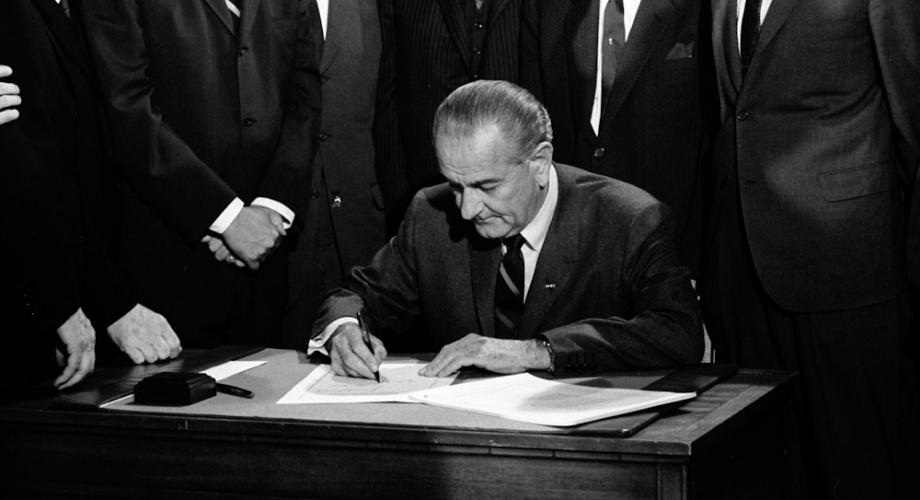
U.S. President Franklin D. Roosevelt signed the National Housing Act, a landmark law in the history of real estate and housing finance. Introduced during the G...
Read More →
On November 2, 2015, world leaders and climate experts gathered in Paris to finalize the framework for the COP21 Climate Agreement, a landmark initiative aimed ...
Read More →
The acquisition of land for the Model Town Society was one of the most remarkable and spirited chapters in its early history. Dewan Khem Chand and his...

Between 1921 and 1924, the land for Model Town Lahore was acquired in successive phases. The process began in 1921, shortly after the establishment of...
No comments yet. Be the first to comment!