
Syed Shayan Real Estate Archive
Syed Shayan Real Estate Archive
From Real Estate History
On This Date
Massive destruction hit Tokyo and Yokohama, leaving large numbers of people homeless and triggering one of the most significant urban reconstruction programmes in modern Japanese history۔
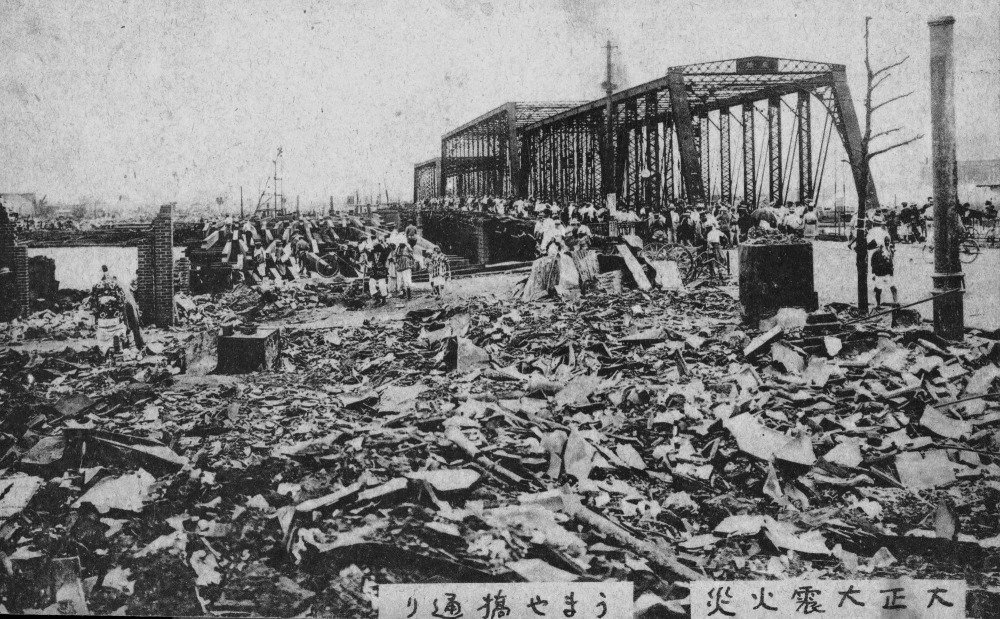
Massive destruction hit Tokyo and Yokohama, leaving large numbers of people homeless and triggering one of the most significant urban reconstruction programmes in modern Japanese history۔
On September 1, 1923, a powerful earthquake struck Japan’s Kanto region, causing widespread destruction across Tokyo and Yokohama. The earthquake, estimated at around magnitude 7.9, was followed by devastating fires that significantly increased the scale of destruction. According to the U.S. Geological Survey, the disaster destroyed hundreds of thousands of houses through fire, while the overall death toll exceeded 100,000 according to later assessments.
The disaster went far beyond damage to individual buildings. Large parts of Tokyo’s urban infrastructure and residential areas were destroyed, creating an enormous challenge for the Japanese government. The National Diet Library of Japan records that survivors began rebuilding their lives in temporary shelters while the government moved towards a comprehensive reconstruction programme for the imperial capital.
The reconstruction effort was led by Gotō Shinpei, who promoted an ambitious plan to rebuild Tokyo as a more organised and modern city. According to the Tokyo Metropolitan Government, the programme included the development of roads, bridges, rivers, canals and parks, along with land readjustment projects in areas devastated by the earthquake and subsequent fires.
The reconstruction also introduced important changes in urban planning. Streets were widened, public spaces were created and damaged neighbourhoods were reorganised to improve the city’s infrastructure and living environment. Research on the reconstruction shows that new small parks were also developed, with many strategically located alongside primary schools.
The Tokyo Metropolitan Government describes the reconstruction as an important early example of modern city planning. The programme not only reshaped large parts of Tokyo but also influenced later approaches to reconstruction and urban development in Japan. Roads, parks, waterways and other infrastructure created during the rebuilding process continued to contribute to the city’s development.
The Great Kanto Earthquake therefore became more than a major natural disaster. Its aftermath marked a significant turning point in Tokyo’s history, demonstrating how a large scale catastrophe could lead to major changes in land use, infrastructure and urban planning.
Sources(s) :
U.S. Geological Survey
▪️Syed Shayan Real Estate Archive
On This Date
ٹوکیو اور یوکوہاما میں بڑے پیمانے پر تباہی، لاکھوں افراد بے گھر ہوئے، بعد ازاں سڑکوں، پارکوں، نہروں اور شہری انفراسٹرکچر کی ازسرنو تعمیر کا جامع منصوبہ شروع کیا گیا۔
ٹوکیو اور یوکوہاما میں بڑے پیمانے پر تباہی، لاکھوں افراد بے گھر ہوئے، بعد ازاں سڑکوں، پارکوں، نہروں اور شہری انفراسٹرکچر کی ازسرنو تعمیر کا جامع منصوبہ شروع کیا گیا۔
یکم ستمبر 1923 کو جاپان کے کانٹو خطے میں آنے والے شدید زلزلے نے ٹوکیو اور یوکوہاما سمیت بڑے شہری علاقوں کو شدید نقصان پہنچایا۔ تقریباً 7.9 شدت کے اس زلزلے کے بعد بڑے پیمانے پر آگ بھڑک اٹھی، جس نے تباہی میں مزید اضافہ کیا۔ امریکی جیولوجیکل سروے کے مطابق زلزلے کے نتیجے میں بڑے پیمانے پر عمارتیں تباہ ہوئیں، جبکہ آگ سے لاکھوں مکانات متاثر ہوئے۔ جدید تحقیقی اندازوں کے مطابق اس سانحے میں ایک لاکھ سے زائد افراد جان سے گئے۔
زلزلے نے صرف عمارتوں کو نقصان نہیں پہنچایا بلکہ ٹوکیو کے شہری ڈھانچے، رہائشی علاقوں، سڑکوں اور بنیادی سہولیات کو بھی شدید متاثر کیا۔ نیشنل ڈائٹ لائبریری جاپان کے مطابق تباہی کے فوراً بعد متاثرہ شہریوں نے عارضی رہائش گاہیں قائم کرنا شروع کر دیں، جبکہ حکومت نے دارالحکومت کی بڑے پیمانے پر تعمیر نو کا منصوبہ تیار کیا۔
اس تعمیر نو کی قیادت گوٹو شِن پے نے کی، جنہوں نے ٹوکیو کو زیادہ منظم، محفوظ اور جدید شہر بنانے کے لیے وسیع منصوبہ پیش کیا۔ ٹوکیو میٹروپولیٹن گورنمنٹ کے مطابق تعمیر نو کے منصوبے میں سڑکوں، پلوں، دریاؤں، نہروں اور پارکوں کی ترقی کے ساتھ ساتھ زمین کی ازسرنو ترتیب کے منصوبے بھی شامل تھے۔
اس عمل نے شہری منصوبہ بندی میں ایک اہم تبدیلی پیدا کی۔ تباہ شدہ علاقوں میں سڑکوں کو وسیع کیا گیا، نئی عوامی جگہیں تخلیق کی گئیں اور رہائشی و شہری زمین کو زیادہ منظم انداز میں ترتیب دینے کی کوشش کی گئی۔ بعد کی تحقیق کے مطابق ٹوکیو میں تعمیر نو کے دوران چھوٹے پارکوں اور سکولوں سے منسلک گرین ایریاز بھی شہری ڈیزائن کا حصہ بنے۔
ٹوکیو کی حکومت کے تاریخی ریکارڈ کے مطابق اس تعمیر نو نے جدید شہری منصوبہ بندی کے طریقوں کو عملی سطح پر استعمال کرنے کی ایک اہم مثال قائم کی، جبکہ اس کے اثرات بعد میں جاپان کے جنگِ عظیم دوم کے بعد کے تعمیر نو کے منصوبوں تک بھی پہنچے۔
یکم ستمبر 1923 کا کانٹو زلزلہ یوں جاپان کی تاریخ کا صرف ایک قدرتی سانحہ نہیں رہا بلکہ شہری تعمیر نو، زمین کے استعمال اور انفراسٹرکچر کی منصوبہ بندی کے حوالے سے بھی ایک اہم تاریخی موڑ بن گیا۔
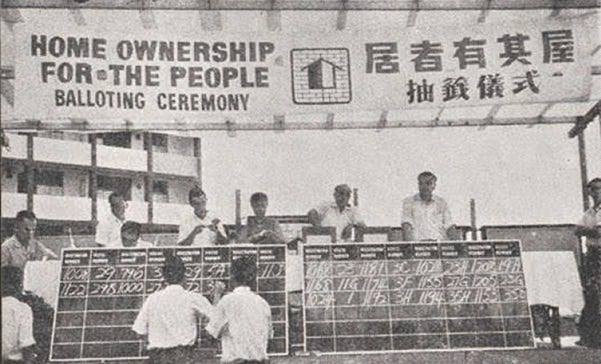
Singapore established the Urban Renewal Unit under the Housing and Development Board, marking a defining moment in the city-state’s urban development history. T...
Read More →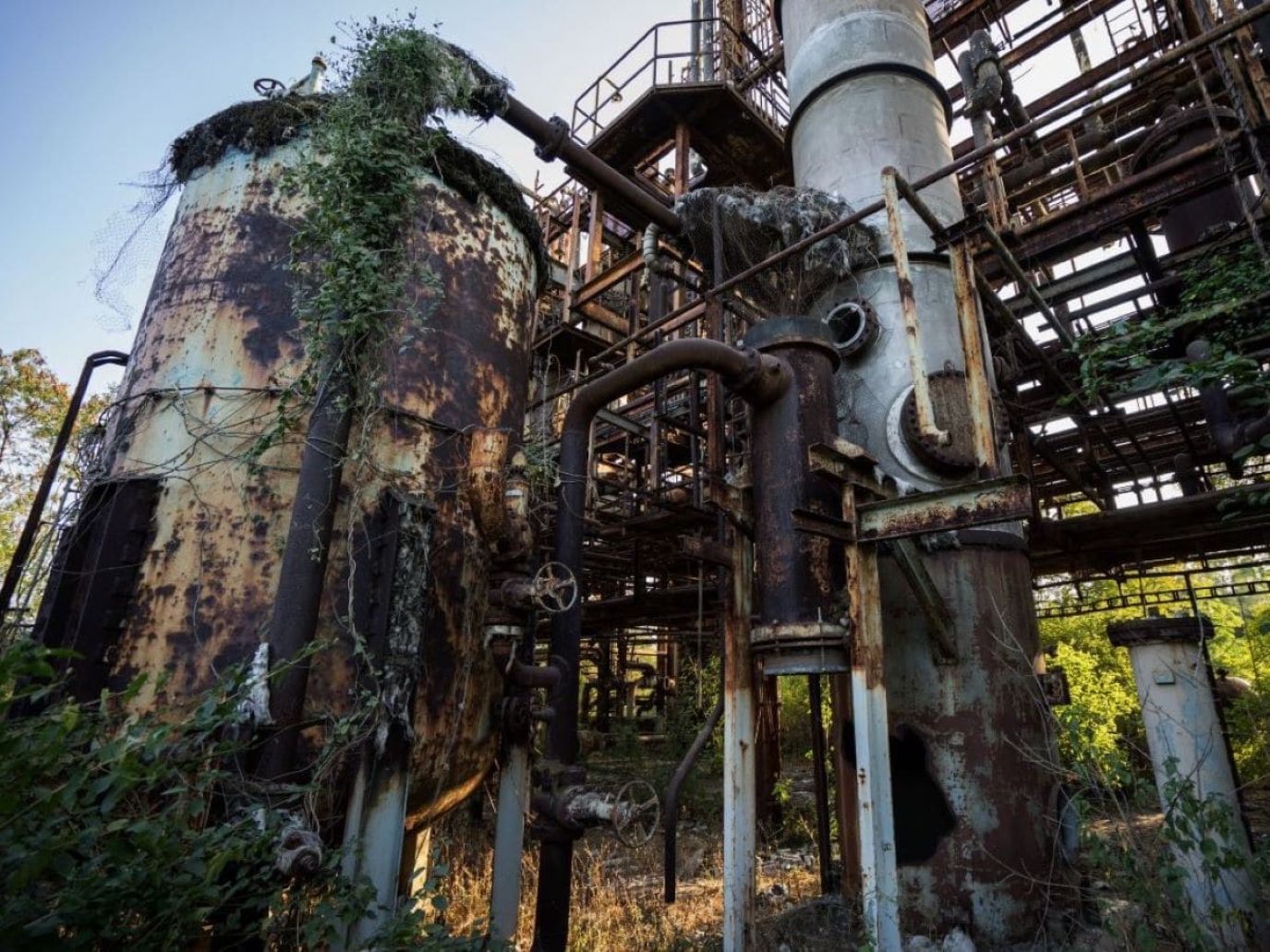
On the night of 3 December 1984, the city of Bhopal in Madhya Pradesh witnessed the uncontrolled release of methyl isocyanate gas from the Union Carbide chemica...
Read More →
In 2019, Pakistan fully implemented the Real Estate Regulatory Act (RERA), marking a major milestone in the modernization of the country’s property market. This...
Read More →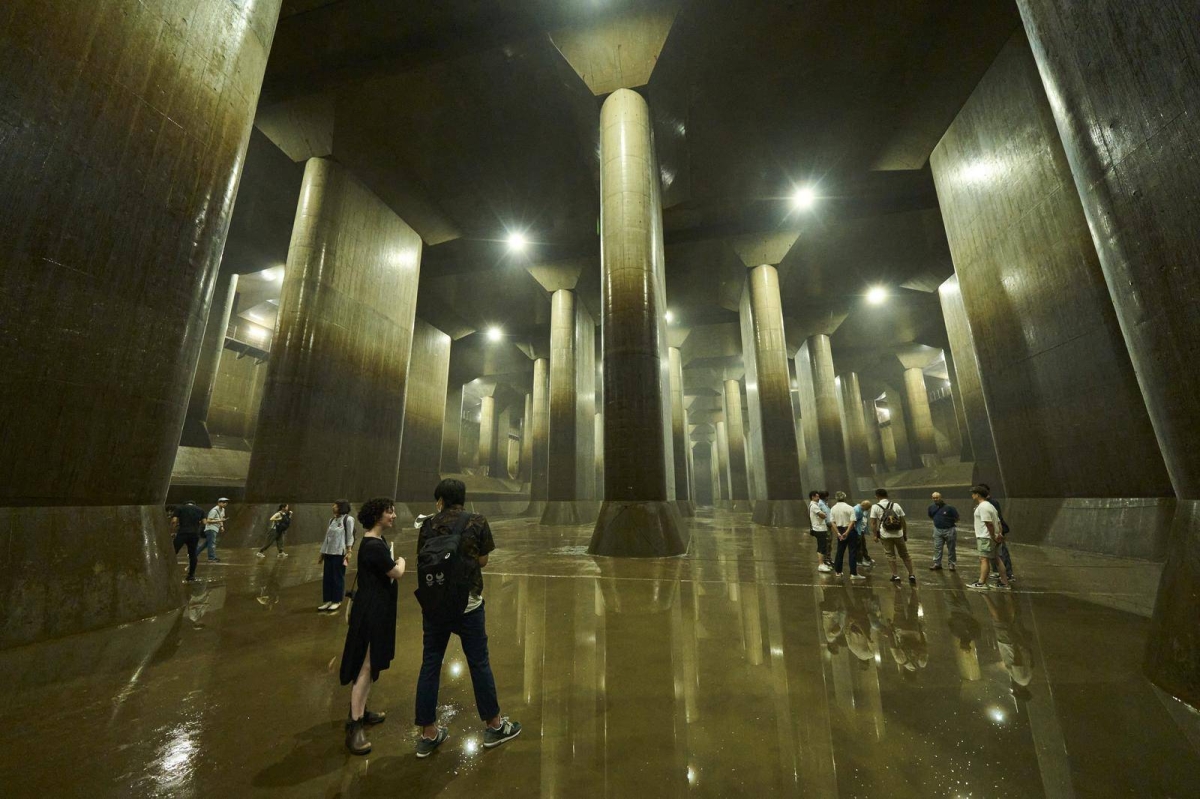
On November 21, 1979, the Tokyo Metropolitan Government released one of Japan’s earliest comprehensive flood-resilient urban infrastructure blueprints, respondi...
Read More →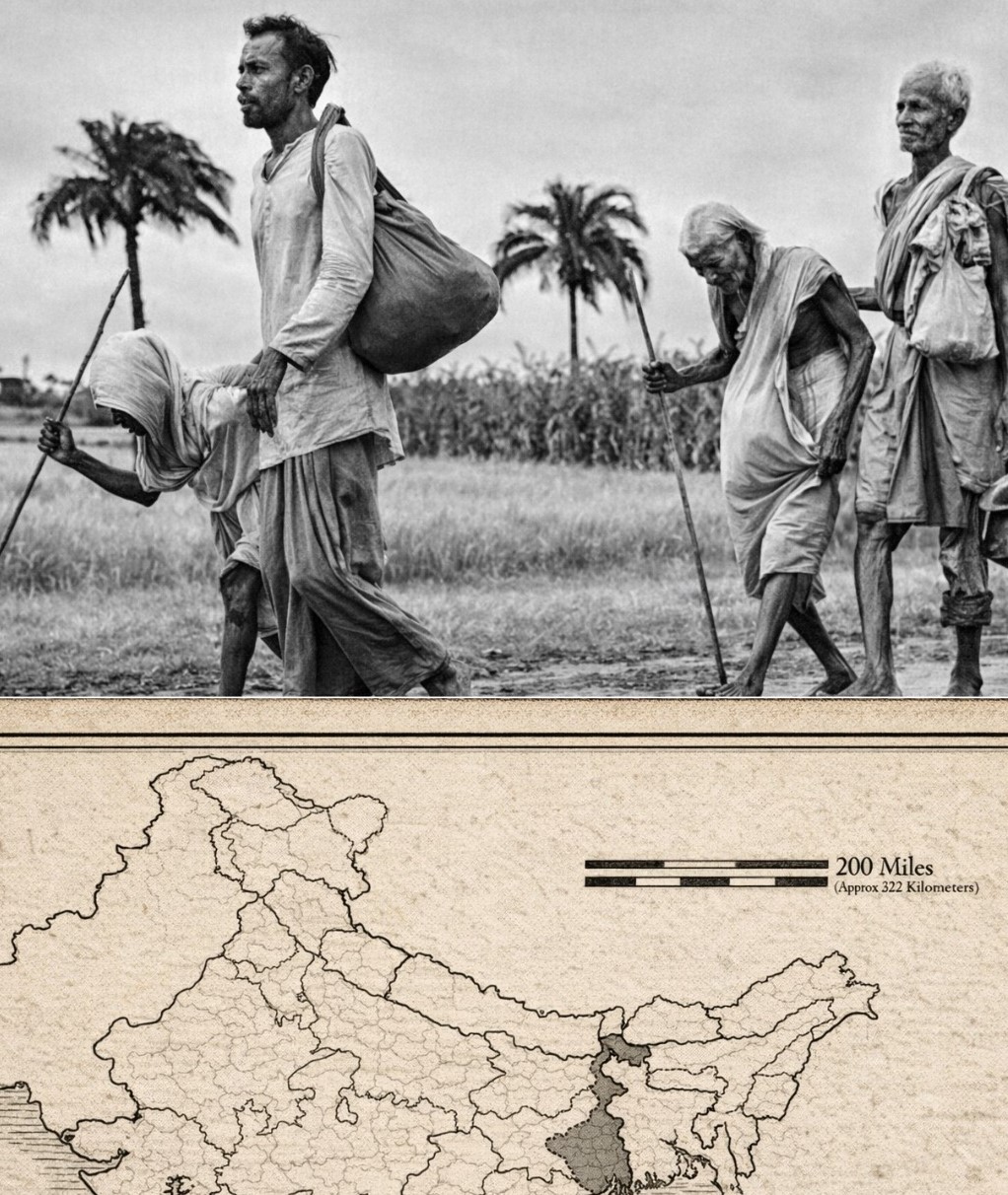
In 1947, the partition of the subcontinent divided Bengal into two parts, West Bengal and East Bengal, later known as East Pakistan. The system of land owner...
Read More →
The acquisition of land for the Model Town Society was one of the most remarkable and spirited chapters in its early history. Dewan Khem Chand and his...

Between 1921 and 1924, the land for Model Town Lahore was acquired in successive phases. The process began in 1921, shortly after the establishment of...
No comments yet. Be the first to comment!