
Syed Shayan Real Estate Archive
Syed Shayan Real Estate Archive
From Real Estate History
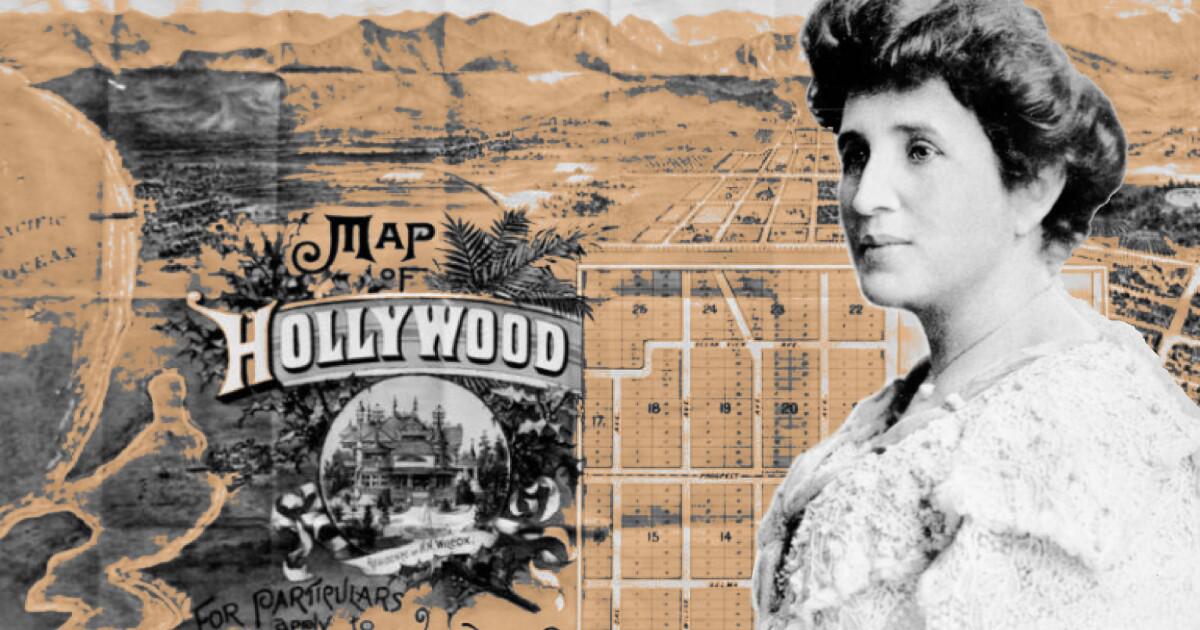
On 1 February 1887, in what is now Los Angeles County in the US state of California, Harvey Wilcox formally registered his privately owned agricultural land as a residential real estate subdivision. This registration marked the first official use of the name Hollywood in public land records. At the time of registration, the project had no association with film or entertainment activity and was conceived solely as a residential real estate development.
The name Hollywood was proposed by Wilcox’s wife, Daeida Wilcox. Contemporary and later historical sources indicate that the name was inspired by hollyhock plants commonly found in the surrounding area. Through this registration, Hollywood entered official records as a planned housing scheme, with defined plot subdivision, structured street layouts, and residential land use regulations established in accordance with prevailing urban planning practices of the period. The development also included explicit restrictions prohibiting industrial activity within the subdivision. The stated objective was the creation of a controlled residential environment intended for middle and upper income households, located away from industrial zones and urban congestion.
The registration of Hollywood occurred within a broader pattern of land use change prevalent in the United States during the late nineteenth and early twentieth centuries. Between approximately 1880 and 1910, agricultural land on the peripheries of major cities was increasingly converted into planned residential subdivisions. This process was particularly pronounced in Los Angeles County, where railway expansion, population growth, and rapid urbanisation significantly altered patterns of land ownership and use.
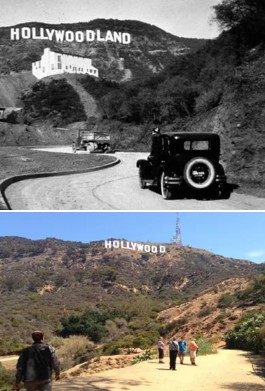
Most of us are familiar with the Hollywoodland sign perched on a hillside in Los Angeles, visible in this image. The sign has become almost as iconic as Hollywood itself. Wherever Hollywood is mentioned around the world, it is these large white letters rising from the hills that immediately come to mind.To understand the true story of Hollywoodland, and the journey from a real estate settlement to the global symbol known as Hollywood, it is essential to distinguish clearly between two different figures: Harvey Wilcox and Harry Chandler. Harvey Wilcox was the individual who, on 1 February 1887, registered his agricultural land in Los Angeles County as a residential real estate project under the name Hollywood.The role of Harry Chandler, by contrast, emerged several decades later. In 1923, he and other real estate developers illuminated the Hollywoodland sign as part of a large-scale promotional campaign for nearby housing developments. During this period, Chandler and his associates also acquired surrounding land and expanded real estate development in the area.Real estate developers, including Harry Chandler, officially lit the Hollywoodland sign on 13 July 1923. The sign was fitted with approximately 4,000 light bulbs that illuminated in sequence each night, first spelling “HOLLY,” then “WOOD,” and finally “LAND.” This staged illumination was designed to maximise visibility and enhance the promotion of the area.The sign was originally intended as a temporary installation, planned to remain in place for only 18 months. At the time, no one anticipated that it would still exist a century later or that it would evolve into a global cultural landmark.By the 1940s, the sign had deteriorated significantly. Consequently, during repair work carried out in 1949, the word “LAND” was removed, allowing the sign to represent the city itself and the rapidly growing film industry.The sign visible today is not the original wooden structure. By 1978, the original sign had completely decayed and was replaced with a new steel version. Funding for this reconstruction was raised through a sponsorship campaign in which eight donors each sponsored one letter, contributing 27,777.77 US dollars per letter. Hugh Hefner, founder of Playboy, played a notable role in this effort by sponsoring the letter “Y.” In total, approximately 222,000 US dollars were raised to install the steel sign, which continues to stand today as one of the most enduring symbols of Hollywood. (Syed Shayan Archive Head)
The Hollywood subdivision formed part of this wider transformation. Although the land had previously been used for agricultural purposes, its registration reflected a deliberate transition toward residential development through formal subdivision, road planning, and regulatory controls. During this period, Hollywood remained a sparsely populated rural settlement marketed primarily on the basis of residential order, open land, and environmental quality.
Film related activity emerged only at a later stage. The availability of land, relatively low property values, and favourable physical conditions subsequently attracted film producers and associated enterprises. Over time, the residential subdivision expanded to accommodate studios, commercial functions, and cultural infrastructure. This gradual process transformed a formally registered housing scheme into a centre of film production with global cultural and economic significance.
Harvey Wilcox is documented as holding strong religious convictions and initially envisaged Hollywood as a community governed by moral regulation, including strict prohibitions on alcohol consumption and non residential activities. These principles were reflected in the original development restrictions. Notwithstanding this intent, a significant shift occurred approximately twenty four years after registration. In 1911, the establishment of Nestor Studios marked the first permanent film studio in the area, initiating a long term transformation of Hollywood’s functional identity.
▪️Syed Shayan Real Estate Archive
▪ Reference(s):
یکم فروری 1887 کو آج کی امریکی ریاست کیلیفورنیا کی لاس اینجلس کاؤنٹی میں Harvey Wilcox نے اپنی ملکیتی زرعی زمین کو ایک باقاعدہ رہائشی اسکیم کے منصوبے کے طور پر رجسٹر کروایا، جو بعد میں ہالی ووڈ (Hollywood) کے نام سے پہچانی گئی۔ یہ ابتدا میں کسی بھی طرح کا فلمی منصوبہ نہیں تھا بلکہ ایک خالص رئیل اسٹیٹ ڈویلپمنٹ کا رہائشی منصوبہ تھا، جو وقت گزرنے کے ساتھ عالمی ثقافت اور معیشت کی ایک طاقتور علامت بن گیا۔
اس منصوبے کا نام ہاروی ویلکاکس کی اہلیہ Daeida Wilcox نے تجویز کیا تھا۔ مختلف تاریخی حوالوں کے مطابق یہ نام ہولی ہولک کے پودوں (Hollyhock plants) سے متاثر تھا جو اس علاقے میں کثرت سے پائے جاتے تھے۔ اس رجسٹریشن کے ذریعے ہالی ووڈ پہلی مرتبہ سرکاری ریکارڈ میں ایک باقاعدہ ہاؤسنگ اسکیم کی شناخت کے ساتھ سامنے آیا، جہاں پلاٹس کی حد بندی (Plot Subdivision)، سڑکوں کی ترتیب اور رہائشی استعمال کے اصول جدید شہری منصوبہ بندی کے تحت طے کیے گئے۔ ساتھ ہی یہ شرط بھی شامل کی گئی کہ اس علاقے میں صنعتی سرگرمیوں کی اجازت نہیں ہوگی۔ مقصد یہ تھا کہ متوسط اور اعلیٰ طبقے کے لیے ایک صاف ستھرا، صحت مند اور منظم رہائشی علاقہ تشکیل دیا جائے جو لاس اینجلس کے شور اور فیکٹریوں سے دور ہو۔
انیسویں صدی کے آخر اور بیسویں صدی کے آغاز میں، خصوصاً 1880 سے 1910 کے دوران، امریکہ کے بڑے شہروں کے اطراف میں زرعی زمینوں کو منظم منصوبہ بندی کے تحت رہائشی کالونیوں میں تبدیل کرنے کا رجحان عام تھا۔ لاس اینجلس کاؤنٹی میں یہ عمل خاص طور پر تیز ہوا کیونکہ ریلوے کی آمد، بڑھتی ہوئی آبادی اور شہری پھیلاؤ نے زمین کے استعمال کی نوعیت کو تیزی سے بدل دیا۔
ہم میں سے بیشتر لوگ لاس اینجلس کی پہاڑی پر نصب ہالی ووڈ لینڈ کے اس سائن بورڈ (Signage) سے بخوبی واقف ہیں، جو اس تصویر میں نظر آ رہا ہے۔ یہ سائن بورڈ خود ہالی ووڈ جتنا ہی مشہور ہو چکا ہے۔ دنیا بھر میں جب بھی ہالی ووڈ کا ذکر آتا ہے تو ذہن میں سب سے پہلے یہی سفید حروف ابھرتے ہیں جو پہاڑی پر ایستادہ نظر آتے ہیں۔ ہالی ووڈ لینڈ کی اصل کہانی کو سمجھنے اور ایک رئیل اسٹیٹ سوسائٹی سے ہالی ووڈ بننے تک کے سفر کو جاننے کے لیے ضروری ہے کہ ہاروی ویلکاکس (Harvey Wilcox) اور ہیری چانڈلر (Harry Chandler) کو دو مختلف کرداروں کے طور پر الگ الگ سمجھا جائے۔ ہاروی ویلکاکس وہ شخص تھے جنہوں نے یکم فروری 1887 کو لاس اینجلس کاؤنٹی میں اپنی زرعی زمینوں کو ہالی ووڈ کے نام سے ایک رہائشی رئیل اسٹیٹ پراجیکٹ کے طور پر رجسٹر کروایا۔ اس کے برعکس ہیری چانڈلر کا کردار کئی دہائیاں بعد سامنے آتا ہے، جب 1923 میں انہوں نے اور دیگر ڈویلپرز نے Hollywoodland سائن روشن کر کے علاقے کی رئیل اسٹیٹ تشہیر کی، اور آس پاس کی مزید زمین خرید کر رئیل اسٹیٹ ڈویلپمنٹ کا کام کیا۔ رئیل اسٹیٹ ڈویلپرز، جن میں ہیری چانڈلر بھی شامل تھے، نے ہالی ووڈ لینڈ (Hollywoodland) کے اس سائن کو باضابطہ طور پر 13 جولائی 1923 کو روشن کیا۔ اس سائن پر تقریباً 4,000 بلب نصب تھے جو رات کے وقت مرحلہ وار روشن ہوتے تھے۔ پہلے “HOLLY”، پھر “WOOD” اور آخر میں “LAND” جگمگاتا تھا، جس کا مقصد علاقے کی تشہیر کو زیادہ مؤثر بنانا تھا۔ یہ سائن دراصل ایک عارضی منصوبہ تھا، جسے صرف 18 ماہ کے لیے نصب کیا گیا تھا۔ اس وقت کسی نے تصور بھی نہیں کیا تھا کہ یہ سائن ایک صدی بعد بھی موجود ہوگا اور ایک عالمی علامت بن جائے گا۔ 1940 کی دہائی تک یہ سائن شدید ٹوٹ پھوٹ کا شکار ہو چکا تھا۔ چنانچہ 1949 میں مرمت کے دوران “LAND” کا لفظ ہٹا دیا گیا تاکہ یہ صرف شہر اور ابھرتی ہوئی فلمی صنعت کی نمائندگی کرے۔ جو سائن آج ہم دیکھتے ہیں، وہ اصل لکڑی کا سائن نہیں ہے۔ 1978 میں پرانا سائن مکمل طور پر بوسیدہ ہو چکا تھا، جس کے بعد اس کی جگہ اسٹیل سے بنا نیا سائن نصب کیا گیا۔ اس منصوبے کے لیے فنڈز جمع کرنے میں Hugh Hefner (پلے بوائے کے بانی) نے نمایاں کردار ادا کیا۔ ہالی ووڈ سائن کی بحالی کے لیے آٹھ نو سپانسرز نے چندہ دیا، جن میں ہر اسپانسر نے ایک ایک حرف کی سرپرستی کی، اور ہر ایک نے 27,777.77 امریکی ڈالر عطیہ کیے۔ ہیو ہیفنر نے حرف Y کی اسپانسرشپ کی، اور یوں مجموعی طور پر تقریباً 2 لاکھ 22 ہزار امریکی ڈالر کی رقم سے نیا اسٹیل سائن نصب کیا گیا، جو آج تک ہالی ووڈ کی علامت کے طور پر قائم ہے۔ (سید شایان آرکائیو ہیڈ)
ہاروی ویلکاکس کا ہالی ووڈ رہائشی منصوبہ بھی اسی وسیع تر رجحان کا حصہ تھا۔ اگرچہ یہ زمین پہلے زرعی استعمال میں تھی، مگر رجسٹریشن کا بنیادی مقصد اسے پلاٹس، سڑکوں اور رہائشی ضابطوں کے ساتھ ایک باقاعدہ ہاؤسنگ سب ڈویژن میں تبدیل کرنا تھا۔ اس وقت ہالی ووڈ کا فلمی صنعت سے کوئی تعلق نہیں تھا بلکہ یہ ایک خاموش دیہی علاقہ تھا جسے بہتر رہائش، صحت مند ماحول اور منظم بستی کے تصور کے تحت فروخت کیا جا رہا تھا۔
فلمی صنعت کئی برس بعد یہاں پہنچی، جب اس علاقے کی زمین، کھلا ماحول اور نسبتاً سستی پراپرٹی نے فلم سازوں اور پروڈیوسرز کو اپنی طرف متوجہ کیا۔ وقت کے ساتھ یہی رہائشی بستی اسٹوڈیوز، کمرشل سرگرمیوں اور ثقافتی اثرات کا مرکز بنتی چلی گئی، اور یوں ایک سادہ زرعی زمین پر قائم ہونے والا رہائشی منصوبہ رفتہ رفتہ ایک عالمی فلمی و ثقافتی برانڈ میں تبدیل ہو گیا۔
دلچسپ بات یہ ہے کہ Harvey Wilcox ایک سخت گیر مذہبی رجحان رکھتے تھے اور ہالی ووڈ کو ایسی رہائشی بستی بنانا چاہتے تھے جہاں شراب نوشی پر مکمل پابندی ہو۔ اور ماحول اخلاقی اقدار کے مطابق رہے۔ اسی سوچ کے تحت انہوں نے ہاؤسنگ اسکیم کے ابتدائی ضابطوں میں یہاں غیر اخلاقی سرگرمیوں اور صنعتی استعمال کی ممانعت شامل کی تھی ۔ تاہم وقت نے اس سوچ کے ساتھ جو ستم ظریفی کی وہ اب تاریخ کا حصہ ہے۔ ۔ ہاؤسنگ اسکیم کے رجسٹر ہونے کے تقریباً چوبیس سال بعد، 1911 میں، یہاں پہلا فلم اسٹوڈیو Nestor Studios قائم ہوا، جس نے اس علاقے کی شناخت ہمیشہ کے لیے بدل دی
▪️ سید شایان ریئل اسٹیٹ آرکائیو

On November 4, 1998, the first comprehensive online property listing platform was launched in the United States, revolutionizing how real estate was marketed and searched. This digital innovation allowed potential buyers to view properties remotely, access detailed information, and connect with agents online. The platform featured photos, property ...
Read More →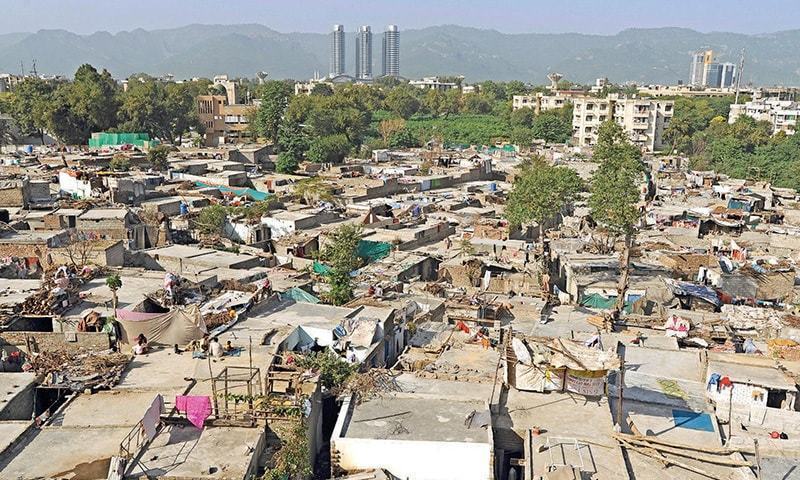
On November 5, 1987, the Government of Pakistan approved one of the largest informal settlement upgrading programs in South Asia, granting legal recognition and development support to thousands of low-income households living in Karachi's katchi abadis. The policy, supported by international urban development agencies, aimed to regularize slums, se...
Read More →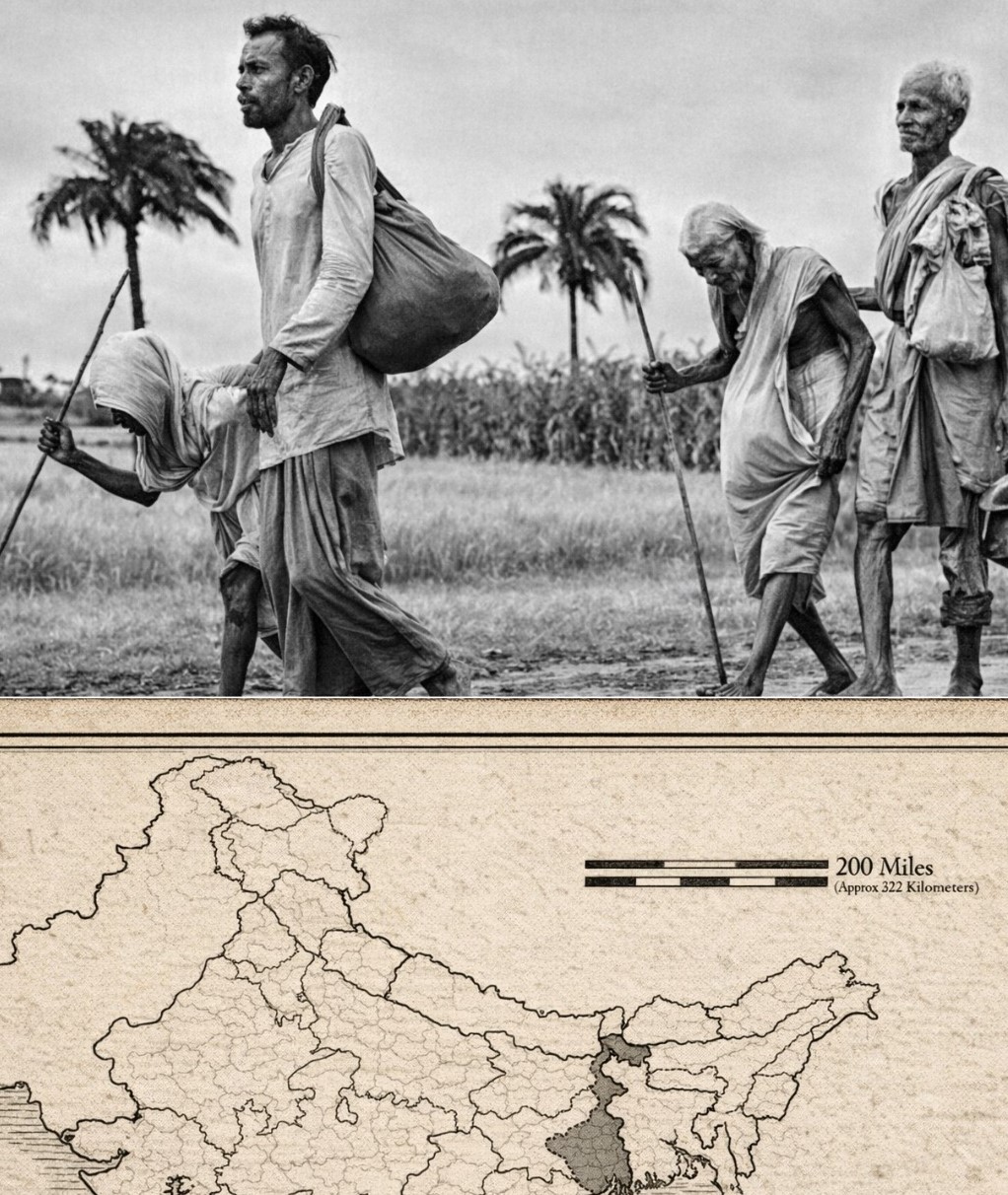
In 1947, the partition of the subcontinent divided Bengal into two parts, West Bengal and East Bengal, later known as East Pakistan. The system of land ownership had been severely disrupted. Large scale migration left millions of acres of land without resident owners, as many had crossed the newly drawn borders. These abandoned properties quickl...
Read More →
On 6 January 1912, the German geophysicist and meteorologist Alfred Wegener presented for the first time the theory of continental drift during a meeting of the German Geological Association held at the Senckenberg Museum in Frankfurt. In this lecture, Wegener proposed that the Earth’s continents had not always occupied their present positions bu...
Read More →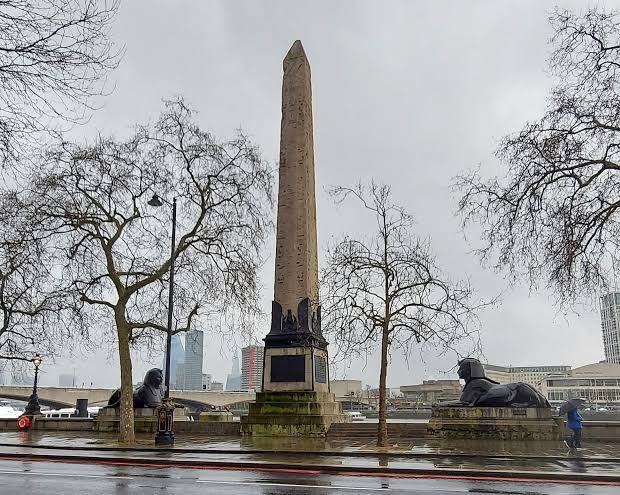
London:On 21 January 1878, the ancient Egyptian stone obelisk known as Cleopatra’s Needle formally became part of London’s public and urban landscape. On this date, the monument was opened to the public following its complete installation at Victoria Embankment on the banks of the River Thames. The obelisk was originally created around 1450 ...
Read More →
The acquisition of land for the Model Town Society was one of the most remarkable and spirited chapters in its early history. Dewan Khem Chand and his...
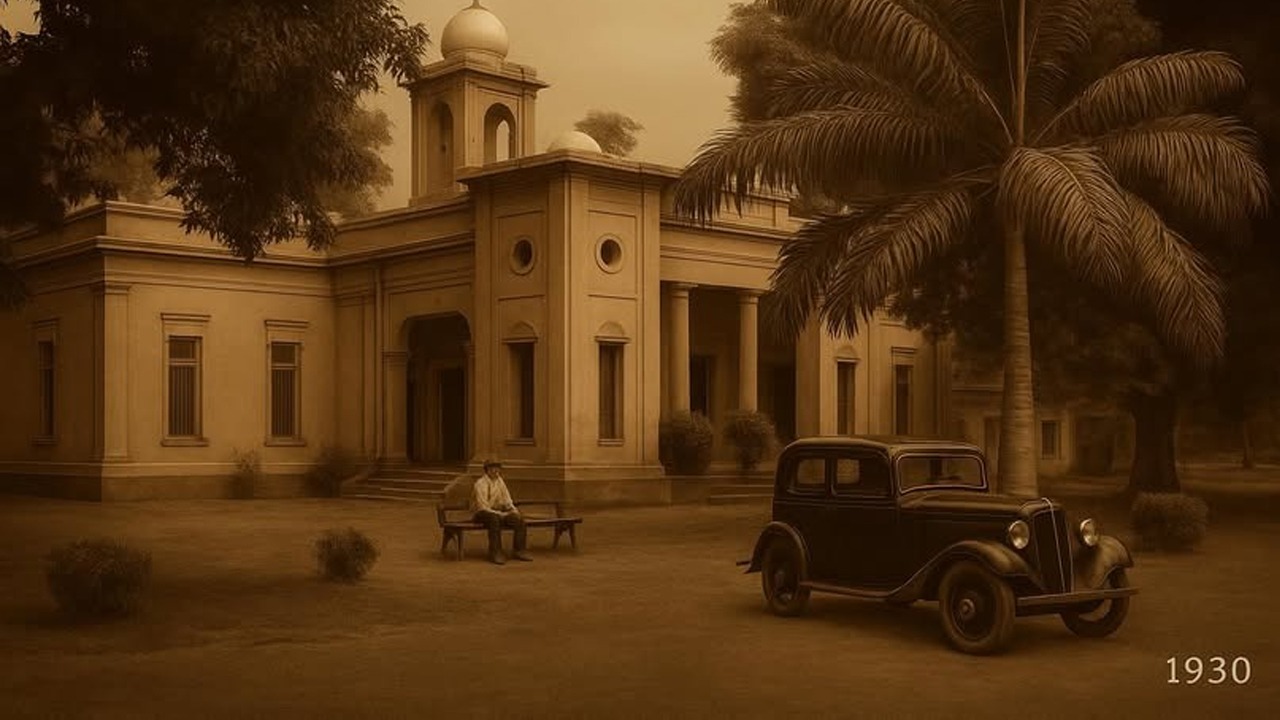
Between 1921 and 1924, the land for Model Town Lahore was acquired in successive phases. The process began in 1921, shortly after the establishment of...
No comments yet. Be the first to comment!