Logo

Syed Shayan Real Estate Archive

Logo

From Real Estate History

Home

Select Date

Space Economy

1 Historical Event found

Leadership transition at WeWork and the reassertion of a traditional real estate model

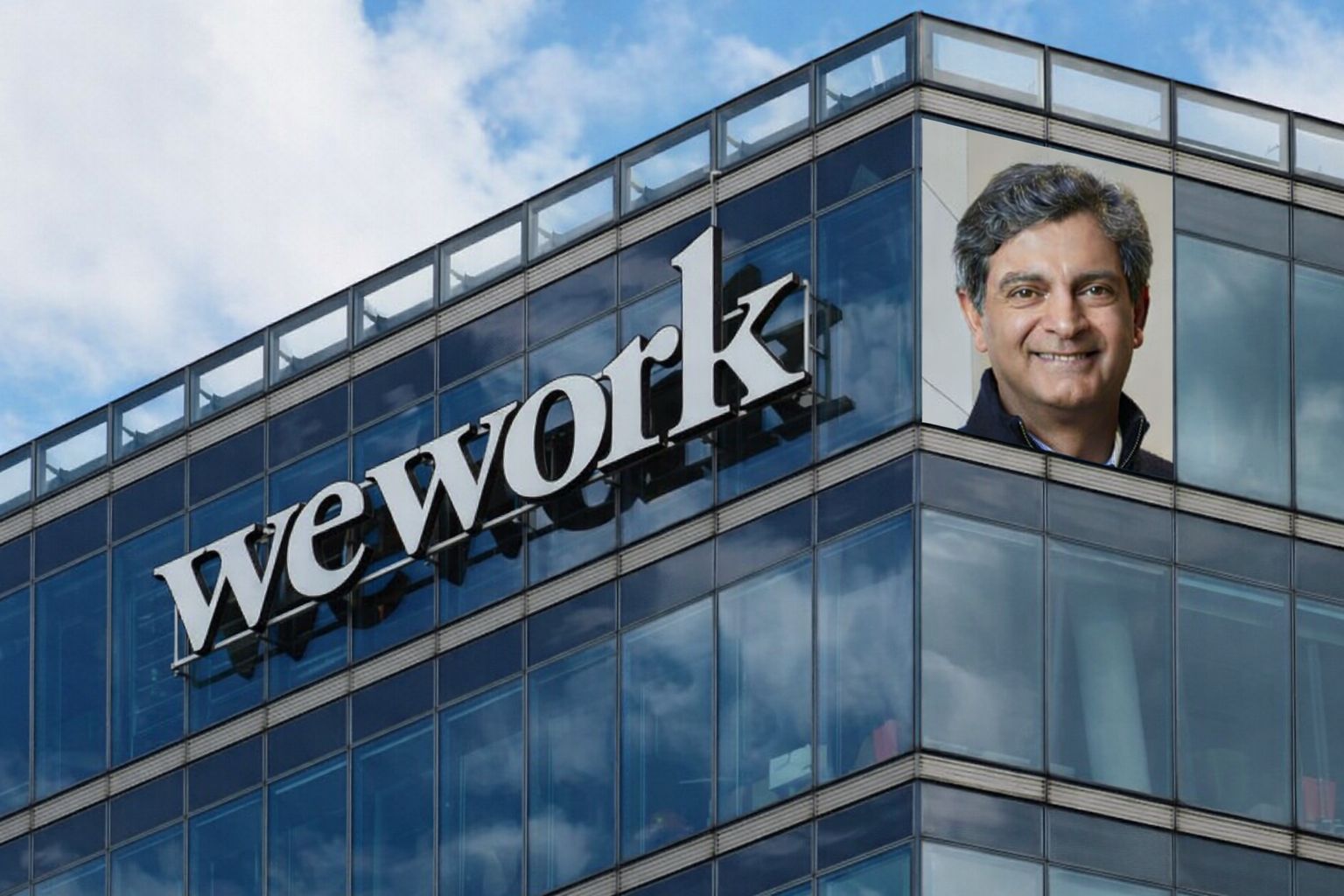
For WeWork, the globally recognised emblem of rapidly expanding co working spaces, the year 2020 marked a decisive turning point. Following a period of excessive expansion and a failed initial public offering, it became evident that the company was required to undertake a fundamental reassessment of its strategy. WeWork’s valuation, business model, and corporate governance came under intense international scrutiny, prompting growing concern among investors and market regulators alike. In response to this mounting pressure, the company resolved to realign its strategic direction. Within this context, on 2 February 2020, WeWork announced a significant and foundational change in leadership with the appointment of Sandeep Mathrani as Chief Executive Officer. Sandeep Mathrani brought with him extensive senior level experience from major commercial real estate organisations, including deep expertise in shopping centres, office portfolios, and leasing structures. His appointment signalled a deliberate shift away from the perception of WeWork as a technology driven start up, and towards its repositioning as a disciplined and operationally grounded real estate leasing company. This transition also marked the conclusion of the leadership era associated with the company’s founder, Adam Neumann. In the period that followed, WeWork moved away from aggressive expansion, inflated growth narratives, and unsustainable expenditure, choosing instead to re establish financial discipline and operational restraint. The revised strategy focused on aligning lease obligations with market realities and managing assets in a more structured and sustainable manner. Within the global real estate industry, this shift came to be regarded as a clear illustration of how an overextended start up vision can be recalibrated in accordance with conventional and cautious real estate principles. It is important to note that WeWork’s underlying business model is rooted in traditional real estate practice. The company leases large commercial buildings on long term agreements, subdivides them into smaller shared offices, and offers these spaces to companies, freelancers, and start ups. In practical terms, WeWork’s operations centre on leasing properties, converting them into modern and functional office environments, and generating revenue through the sub leasing of space to a diverse user base.

Read More >