
Syed Shayan Real Estate Archive
Syed Shayan Real Estate Archive
From Real Estate History
3 Historical Event found
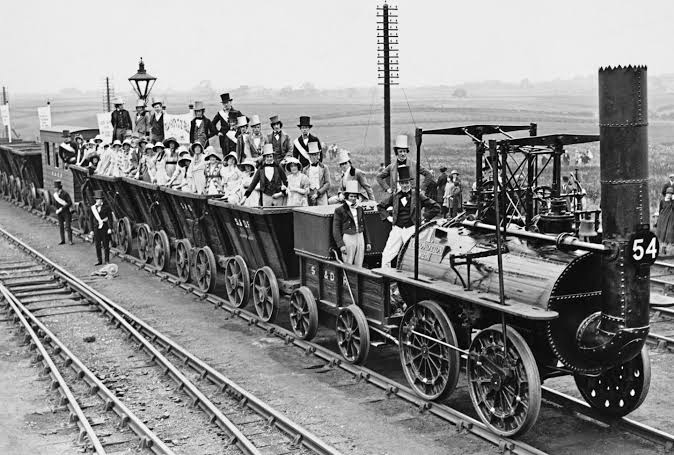
The Kilmarnock and Troon Railway officially opened in Ayrshire, Scotland. It is widely regarded as Scotland’s first public railway line and one of the early transport projects that helped shape the relationship between infrastructure, land value and industrial development. The line connected Kilmarnock with Troon Harbour and was primarily built to move coal from inland pits to the coast for shipping. Engineered under William Jessop, the railway began as a horse drawn plateway. Although simple by modern standards, it represented a major shift in how land, industry and transport were connected. Before such railway links, the movement of coal and goods depended heavily on slower road transport. By creating a direct route between mining areas and the harbour, the railway improved trade efficiency, reduced transport barriers and increased the economic importance of the land around the route. One of its most important structures was the Laigh Milton Viaduct over the River Irvine. This historic bridge is regarded as one of the earliest surviving railway viaducts on a public railway. Its construction showed how engineering could overcome natural barriers and open new possibilities for trade, settlement and industrial expansion. From a real estate and urban development perspective, the opening of the Kilmarnock and Troon Railway was more than a transport milestone. It demonstrated that infrastructure can transform land use, increase the value of industrial locations, support port based commerce and influence the growth of nearby towns. Railways, roads, bridges and ports continue to play the same role today by shaping where people live, where businesses invest and how cities expand. The event of 6 July 1812 reminds us that real estate history is not only about buildings. It is also about the networks that connect land to markets, labour, industry and long term urban growth.
Read More >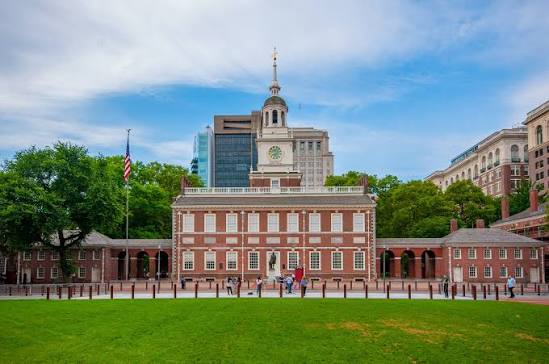
One of the most important moments in modern political and urban history took place inside Independence Hall in Philadelphia, United States. On this day, the Declaration of Independence was approved, turning a civic building into a global symbol of freedom, public authority and national identity. The building was originally known as the Pennsylvania State House. It was designed as a seat of colonial government, but history gave it a much larger role. Over time, Independence Hall became more than a government building. It became proof that civic real estate can influence the direction of nations and preserve the memory of major constitutional change. From a real estate and urban heritage perspective, Independence Hall shows how buildings can carry political, cultural and symbolic value far beyond their physical structure. Its rooms were not only used for official meetings, but also became the setting for decisions that shaped the future of the United States and influenced democratic movements around the world. The building is also linked with the formation of the United States Constitution, making it one of the most significant civic landmarks in modern history. Its preservation highlights the importance of protecting historic urban assets, especially those connected with public life, governance and national memory. Today, Independence Hall is recognised as a UNESCO World Heritage Site. It stands as a reminder that real estate is not only about land, buildings and market value. Some properties become part of human history because of the ideas, decisions and movements they witness.
Read More >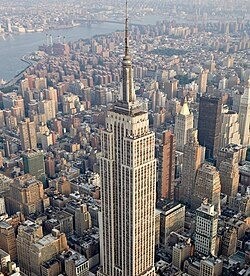
On June 20, 1930, the construction of New York’s iconic Empire State Building reached a major milestone when its steel frame rose to the 26th floor. This achievement showed the speed, ambition and technical strength behind one of the most important real estate projects of the 20th century. Work on the Empire State Building had begun in March 1930, and within a short time the structure started rising rapidly above Manhattan. The construction team relied on careful planning, prefabricated steel components, skilled labour and a highly organised workflow to keep the project moving at an extraordinary pace. The building was completed in 1931 and soon became a defining symbol of New York’s skyline, commercial property development and the modern skyscraper era. The Empire State Building remains a powerful reminder that major real estate projects do more than create buildings; they shape city identity, economic confidence and architectural history.
Read More >