Logo

Syed Shayan Real Estate Archive

Logo

From Real Estate History

Home

Select Date

Princely States of British India and Their Administrative Systems

1 Historical Event found

Sardar Mahal of the Hyderabad State Placed Under Municipal Control Due to Non Payment of Property Tax

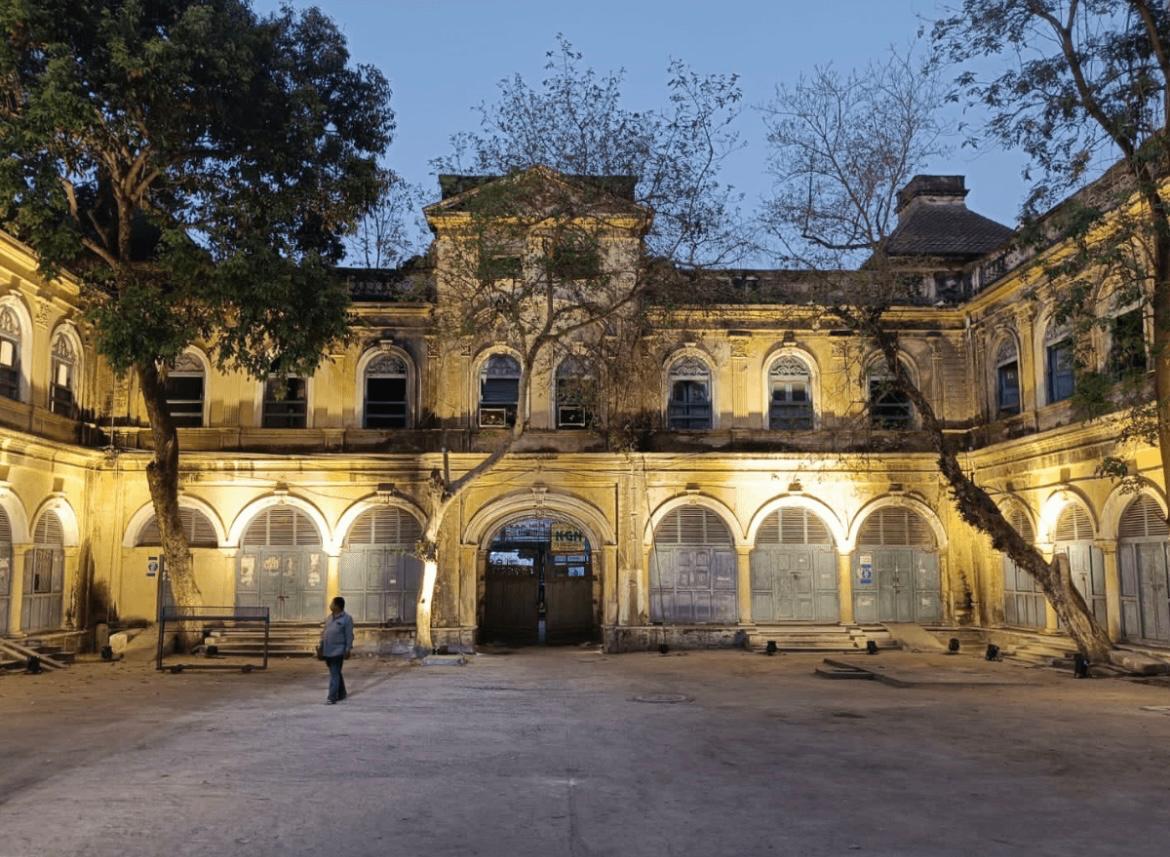
On 24 January 1965, the historic Sardar Mahal, located in Hyderabad, was placed under official municipal control following the failure to clear outstanding property tax dues. After the takeover, the premises were repurposed for municipal administrative use. The action was carried out by the Hyderabad Municipal Corporation, which was later reorganised as the Greater Hyderabad Municipal Corporation. Sardar Mahal was commissioned in 1900 by Mir Mahbub Ali Khan, the sixth Nizam of the Hyderabad State, for his fourth consort, Sardar Begum. Situated near the Charminar in the old city, the palace was intended both as a royal residence and as a distinct symbol of the Begum’s personal status within the Nizam’s household. Contemporary historical records indicate that Sardar Begum did not occupy the palace as a permanent residence and continued to reside primarily within the principal royal complexes and other official residences. Following the Partition of the subcontinent in 1947, the Hyderabad State entered a period of acute political and administrative transition. The idea of a Southern Pakistan had earlier been associated with the state, but in 1948 the Government of India formally integrated Hyderabad through military action. With the dissolution of the princely system, municipal and central administrative laws were applied to the city for the first time. As a consequence, properties belonging to the Nizam’s family were brought under urban taxation, statutory review, and administrative regulation. Over time, this shift resulted in the municipal assumption of control over Sardar Mahal due to unpaid property tax obligations. [img:Images/otd-24-jan-2nd.jpeg | desc:Mir Mahbub Ali Khan Asaf Jah VI, the sixth Nizam of the Hyderabad State and a member of the Asaf Jahi dynasty. One image shows him with his fourth consort, Sardar Begum, while the other depicts the main facade and entrance of Sardar Mahal.] In the contemporary period, the Government of Telangana has undertaken a policy shift to redefine Sardar Mahal as an active public heritage site rather than a neglected historical structure. During 2024 and 2025, phased conservation and restoration programmes were initiated, including architectural documentation, structural stabilisation, and the revival of original design features. These efforts aim to safeguard the building in accordance with recognised conservation principles while retaining its architectural and historical identity from the Nizami period. With its proposed conversion into a museum and cultural centre, Sardar Mahal is intended to serve not only as a former royal residence but also as a representative site of Hyderabad’s urban history. The building will interpret aspects of life during the Nizam’s rule and the administrative and social transformations that followed the integration of the Hyderabad State. The transition of Sardar Mahal from a private princely property to a public cultural institution thus establishes a sustained historical link between the city’s royal past and its civic present.

Read More >

Select Date

© syedshayan.com