
Syed Shayan Real Estate Archive
Syed Shayan Real Estate Archive
From Real Estate History
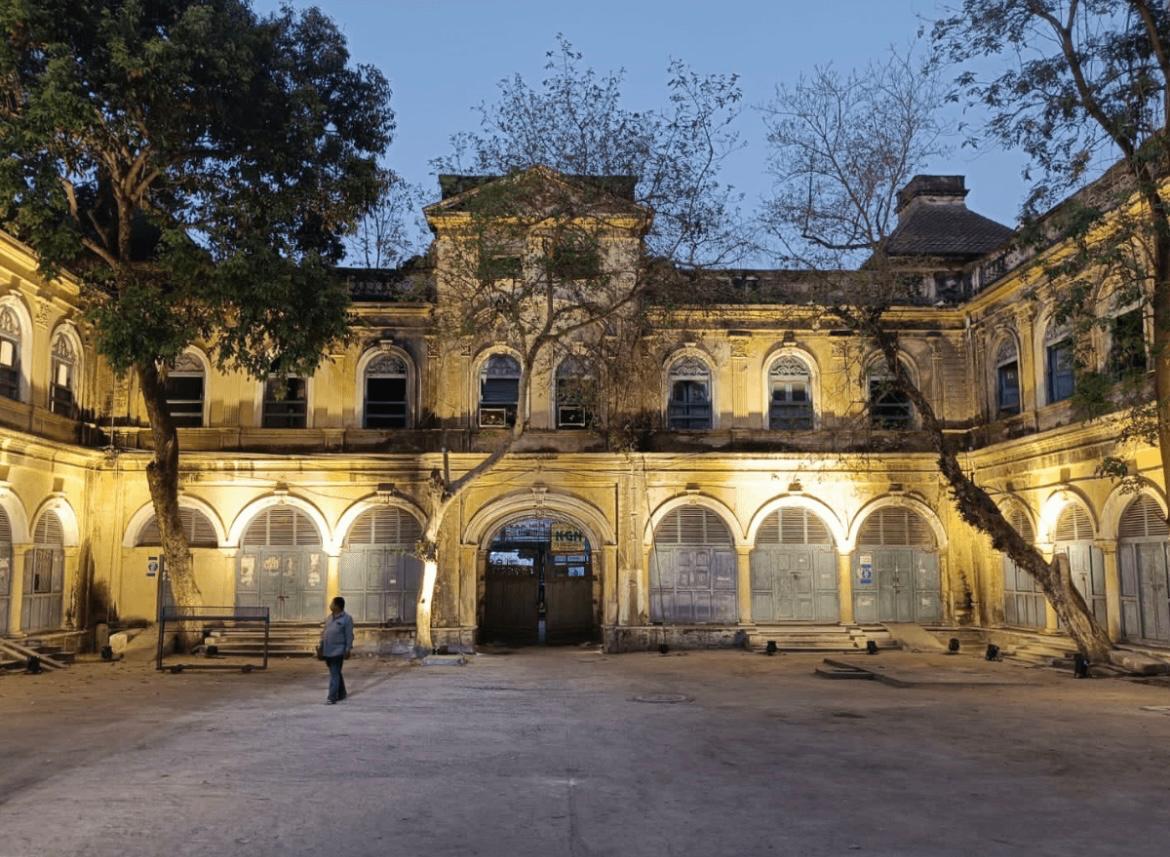
On 24 January 1965, the historic Sardar Mahal, located in Hyderabad, was placed under official municipal control following the failure to clear outstanding property tax dues. After the takeover, the premises were repurposed for municipal administrative use. The action was carried out by the Hyderabad Municipal Corporation, which was later reorganised as the Greater Hyderabad Municipal Corporation.
Sardar Mahal was commissioned in 1900 by Mir Mahbub Ali Khan, the sixth Nizam of the Hyderabad State, for his fourth consort, Sardar Begum. Situated near the Charminar in the old city, the palace was intended both as a royal residence and as a distinct symbol of the Begum’s personal status within the Nizam’s household. Contemporary historical records indicate that Sardar Begum did not occupy the palace as a permanent residence and continued to reside primarily within the principal royal complexes and other official residences.
Following the Partition of the subcontinent in 1947, the Hyderabad State entered a period of acute political and administrative transition. The idea of a Southern Pakistan had earlier been associated with the state, but in 1948 the Government of India formally integrated Hyderabad through military action. With the dissolution of the princely system, municipal and central administrative laws were applied to the city for the first time. As a consequence, properties belonging to the Nizam’s family were brought under urban taxation, statutory review, and administrative regulation. Over time, this shift resulted in the municipal assumption of control over Sardar Mahal due to unpaid property tax obligations.
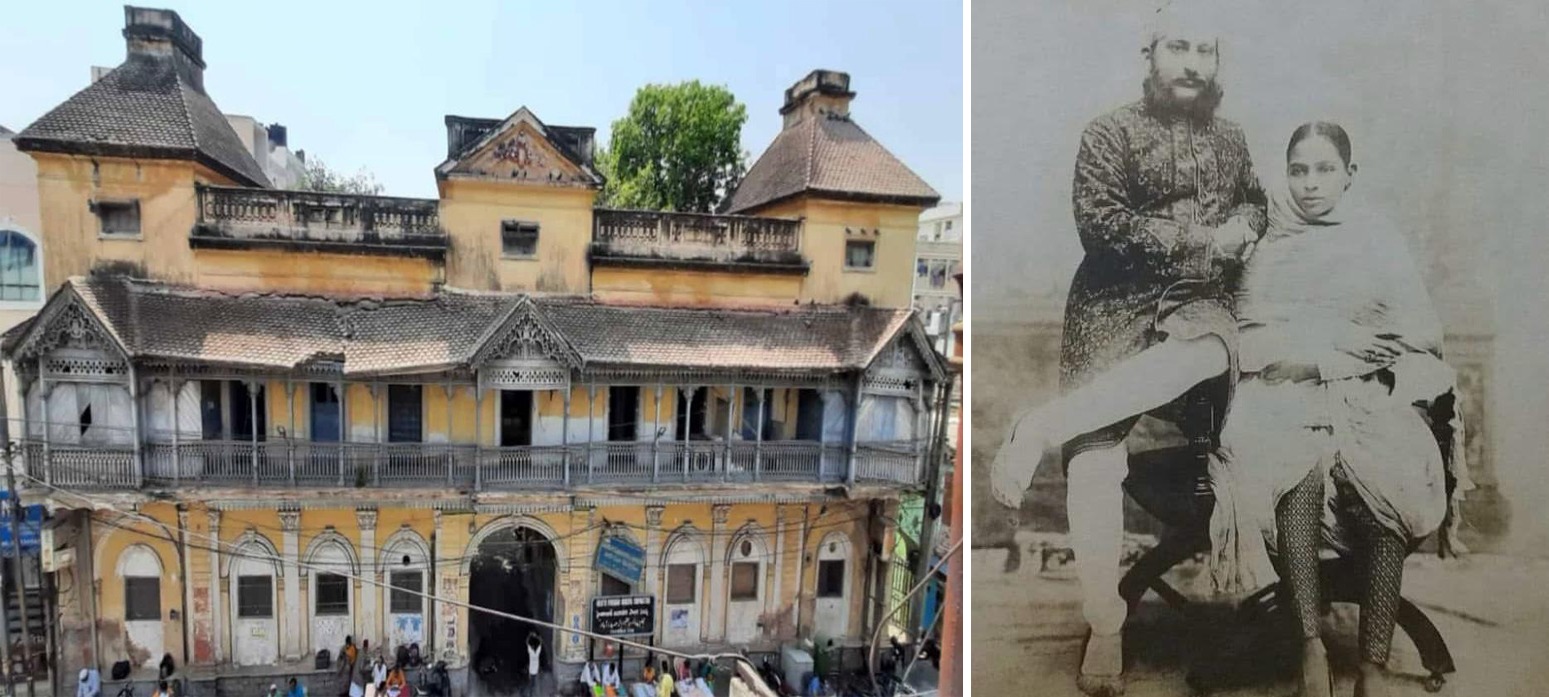
Mir Mahbub Ali Khan Asaf Jah VI, the sixth Nizam of the Hyderabad State and a member of the Asaf Jahi dynasty. One image shows him with his fourth consort, Sardar Begum, while the other depicts the main facade and entrance of Sardar Mahal.
In the contemporary period, the Government of Telangana has undertaken a policy shift to redefine Sardar Mahal as an active public heritage site rather than a neglected historical structure. During 2024 and 2025, phased conservation and restoration programmes were initiated, including architectural documentation, structural stabilisation, and the revival of original design features. These efforts aim to safeguard the building in accordance with recognised conservation principles while retaining its architectural and historical identity from the Nizami period.
With its proposed conversion into a museum and cultural centre, Sardar Mahal is intended to serve not only as a former royal residence but also as a representative site of Hyderabad’s urban history. The building will interpret aspects of life during the Nizam’s rule and the administrative and social transformations that followed the integration of the Hyderabad State. The transition of Sardar Mahal from a private princely property to a public cultural institution thus establishes a sustained historical link between the city’s royal past and its civic present.
▪️Syed Shayan Real Estate Archive
▪ Reference(s):
24 جنوری 1965 کو حیدرآباد میں واقع تاریخی سردار محل کو جائیداد ٹیکس کے واجبات جمع نہ ہونے کے باعث بلدیاتی انتظامیہ نے اپنی تحویل میں لے کر یہاں اپنے دفاتر قائم کر لیے۔ اس وقت یہ کارروائی حیدرآباد کی میونسپل کارپوریشن نے کی، جو بعد ازاں Greater Hyderabad Municipal Corporation کہلائی۔
سردار محل 1900 میں ریاستِ حیدرآباد دکن کے چھٹے نظام میر محبوب علی خان نے اپنی چوتھی اہلیہ سردار بیگم کے لیے تعمیر کروایا۔ یہ محل پرانے شہر حیدرآباد کے علاقے چارمینار کے قریب واقع تھا اور اس کا مقصد شاہی رہائش کے ساتھ ساتھ بیگم کی ذاتی شناخت اور وقار کو دوسری بیگمات سے نمایاں کرنا تھا۔ تاہم تاریخی شواہد کے مطابق سردار بیگم نے اس محل میں کبھی مستقل سکونت اختیار نہیں کی اور زیادہ تر وقت شاہی محل یا دیگر رہائش گاہوں میں گزارا۔
برصغیر کی تقسیم 1947 کے بعد ریاستِ حیدرآباد کو ایک غیر معمولی سیاسی اور انتظامی آزمائش کا سامنا کرنا پڑا۔ جنوبی پاکستان یا Southern Pakistan کا تصور دراصل اسی ریاست سے جڑا ہوا تھا، اسی لیے پاکستان کے قیام کے بعد بھارتی حکومت نے فوجی طاقت کے ذریعے 1948 میں ریاستِ حیدرآباد کا انضمام کیا۔ اس انضمام کے ساتھ ہی شاہی نظامِ حکومت کا خاتمہ ہوا اور شہرِ حیدرآباد میں پہلی مرتبہ بلدیاتی اور مرکزی حکومت کے قوانین نافذ کیے گئے، جن کے نتیجے میں نظام خاندان کی نجی املاک بھی شہری ٹیکس، قانونی جانچ اور انتظامی کنٹرول کے دائرے میں آ گئیں، جس کا نتیجہ بالآخر پراپرٹی ٹیکس کی عدم ادائیگی پر جائیداد کی سرکاری ضبطی کی صورت میں نکلا۔
نظام میر محبوب علی خان آصف جاہ ششم، ریاستِ حیدرآباد دکن کے چھٹے نظام تھے اور آصف جاہی خاندان سے تعلق رکھتے تھے۔ ایک تصویر میں اپنی چوتھی بیوی سردار بیگم کے ہمراہ ہیں اور دوسری تصویر میں ‘سردار محل’ کا مرکزی رُخ اور داخلی دروازہ دیکھا جا سکتا ہے۔
موجودہ دور میں حکومتِ تلنگانہ نے سردار محل کو محض ایک متروک تاریخی عمارت کے بجائے ایک فعال عوامی ورثہ بنانے کا باقاعدہ فیصلہ کیا۔ اسی پالیسی کے تحت 2024 اور 2025 میں اس عمارت کے لیے مرحلہ وار بحالی اور تحفظ کے منصوبے شروع کیے گئے، جن میں عمارت کی دستاویزی مرمت، اصل طرزِ تعمیر کی بحالی، اور تاریخی شناخت کو محفوظ رکھنے کے اقدامات شامل ہیں۔ ان منصوبوں کا مقصد عمارت کو جدید تقاضوں کے مطابق محفوظ بناتے ہوئے اس کے نوابی دور کے کردار کو برقرار رکھنا ہے۔
میوزیم اور ثقافتی مرکز میں تبدیلی کے بعد یہ عمارت صرف ایک شاہی ورثہ نہیں رہے گی بلکہ حیدرآباد کی شہری تاریخ، نظامی دور کے طرزِ زندگی، اور ریاست کے انضمام کے بعد آنے والی سماجی اور انتظامی تبدیلیوں کی نمائندہ علامت بنے گی۔ اس طرح سردار محل کو شاہی نجی ملکیت سے نکال کر ایک عوامی ثقافتی اثاثے میں تبدیل کرنے کا عمل ماضی اور حال کے درمیان ایک زندہ تاریخی ربط قائم کرتا ہے۔
▪️ سید شایان ریئل اسٹیٹ آرکائیو
On October 20, 1978, transformative zoning legislation was enacted that specifically addressed large-scale shopping center developments, creating dedicated commercial zoning categories for retail complexes. This legal framework established standards for parking requirements, traffic management, environmental impact assessments, and community benefi...
Read More →
In October 2013, India began the active implementation of the Land Acquisition, Rehabilitation and Resettlement Act (LARR) 2013, one of the most transformative land governance reforms in South Asia. Although the Act had been passed in September, by early October the federal government had issued operational frameworks for states to establish valuat...
Read More →
On October 27, 1835, the first official institutional mortgage system emerged in the United States through 'Terminating Building Societies' (TBS), marking a revolutionary shift from informal property transactions to structured home financing. These societies pooled member resources to provide systematic mortgage lending, establishing foundational p...
Read More →On October 26, 1933, the US New Deal introduced transformative housing reforms during the Great Depression. The Home Owners' Loan Corporation (HOLC) and Federal Housing Administration (FHA) were established to prevent foreclosures, stabilize property values, and introduce long-term amortized mortgages. These initiatives revolutionized home financin...
Read More →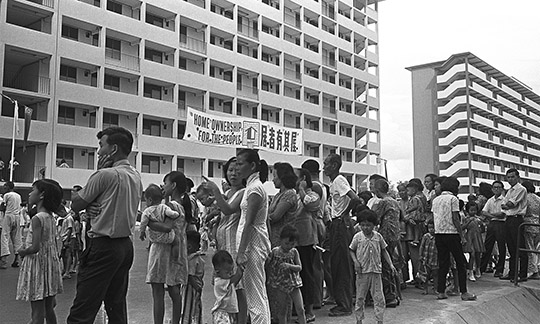
On November 5, 1989, Singapore announced a major expansion to its Housing & Development Board (HDB) home-ownership model, creating policies that allowed low- and middle-income families to purchase improved public flats with government-backed financing. The initiative marked a new chapter in Singapore’s urban housing revolution, aimed at transitio...
Read More →
The acquisition of land for the Model Town Society was one of the most remarkable and spirited chapters in its early history. Dewan Khem Chand and his...
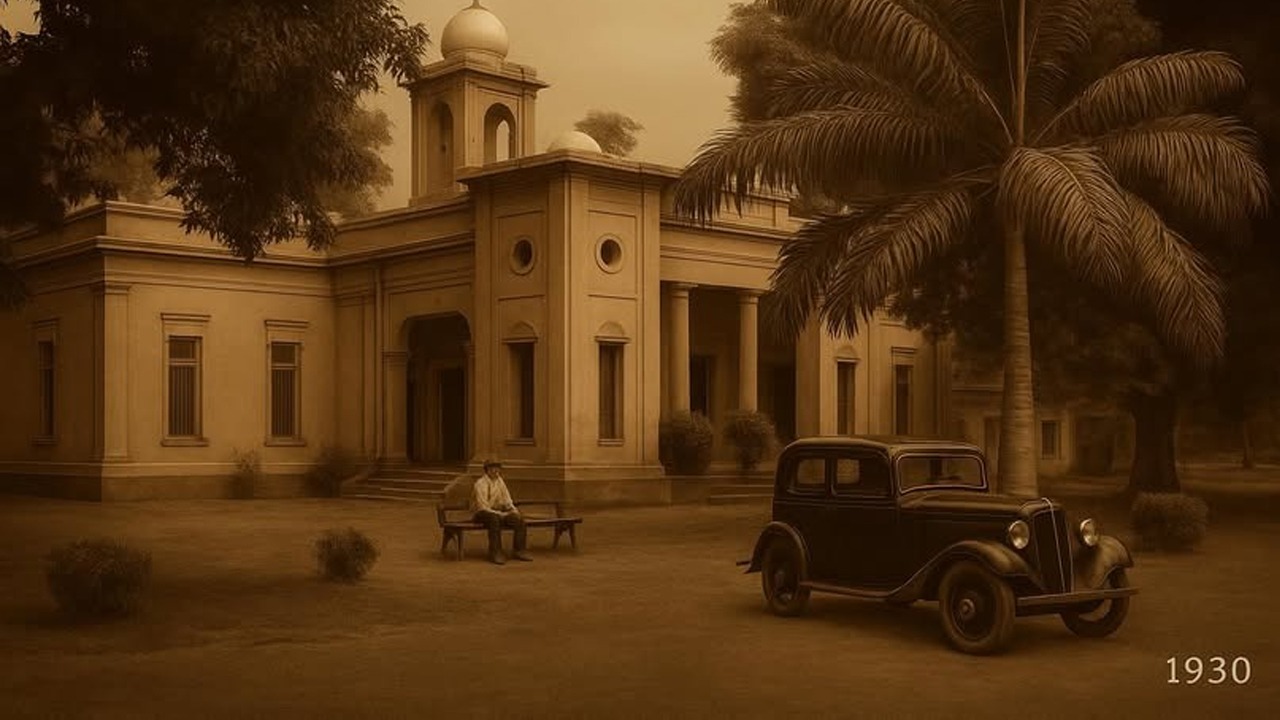
Between 1921 and 1924, the land for Model Town Lahore was acquired in successive phases. The process began in 1921, shortly after the establishment of...
No comments yet. Be the first to comment!