History by Year

123 results found
Image

31 December 2025

31 December Annual Closing of Land Records and Revenue Registers in Pakistan

Across Pakistan, 31 December is designated as the annual Close of the revenue system, under which all land and property related records maintained by the Board of Revenue are formally closed on a yearly basis. This process encompasses all administrative levels, from the traditional patwari system to modern computerised land record offices. On 31 December, land mutations, the Jamabandi or Record of Rights, and other entries are given final form on an annual basis, while revenue related accounts including land revenue and water charges are closed and carried forward into the new year. Within the revenue system, the most prominent symbol of this day is the Lal Kitab, regarded as the fundamental and classical register of the patwari system. The Lal Kitab records information relating to the nature of the land, natural conditions, crop status, and agricultural resources of the area, details that are not ordinarily included in standard registers. At the end of the year, the renewal of this record is informally understood as a summary of the land’s History of Title. According to our real estate analyst, this annual closure on 31 December is of particular importance for investors and developers, as it forms the basis for determining the legal status of land, tax liabilities, and revenue assessments for the coming year. It is at this point that the previous year is formally closed in terms of land records, and the new year begins with fresh entries. Revenue officials state that although Pakistan’s financial year commences on 1 July, within the land record and patwari system 31 December continues to be regarded as a practical deadline, reflecting an administrative continuity that extends back centuries. Digital land ownership records, both in Pakistan and in many parts of the world, are also frozen on 31 December, and at midnight a new register or digital database is opened for the following year. This process is significant as it determines the total value of land ownership transferred over the course of the year.


Read more
Image

30 December 1973

Foundation Stone of Pakistan Steel Mills

On 30 December 1973, a day of exceptional significance in the industrial and urban history of Pakistan, former Prime Minister Zulfikar Ali Bhutto laid the foundation stone of Pakistan Steel Mills at Bin Qasim, Steel Town, to the east of Karachi, beyond the then urban limits of the city. This project not only became a symbol of Pakistan’s industrial sovereignty but also led to an immediate and notable rise in land values across the surrounding areas of Karachi. Pakistan Steel Mills was established on approximately eighteen thousand six hundred acres of land near Karachi. Spread across such an extensive area, it was not merely an industrial unit but effectively a city within a city. The scale of this development can be understood by comparing it to Sukkur, the third largest city of Sindh, whose present urban area is approximately seventy five square kilometres. The land occupied by Pakistan Steel Mills was comparable to, and in some assessments larger than, the urban footprint of Sukkur. This vast expanse comprised the main industrial complex of the steel mills, the residential settlement of Steel Town, supporting infrastructure, roads, railway connections, and essential utilities. From a research perspective, it would not be inaccurate to describe Pakistan Steel Mills as one of the most prominent examples of large scale industrial land use undertaken by the state at that time. Its impact extended beyond industrial production to influence national patterns of urban expansion and land utilisation. As a result of this project, extensive coastal and semi agricultural land near Karachi was converted to industrial use. Over thousands of acres, the central steel complex, residential colonies, roads, utilities, and auxiliary infrastructure were developed, giving rise to a fully integrated industrial and urban zone in the Bin Qasim area. In parallel, Steel Town emerged as a planned residential city, designed specifically to accommodate industrial workers and government employees. From the perspective of real estate and urban development, the establishment of Pakistan Steel Mills triggered an extraordinary expansion of Karachi’s urban boundaries. Coastal and underdeveloped land underwent a fundamental transformation, land values increased significantly, and a new urban model emerged based on the interrelationship between port activity, industry, and residential settlement. This project became a defining example of large scale industrial land use by the state in Pakistan. From an archival standpoint, 30 December 1973 stands as the date that permanently reshaped the geographical, urban, and property landscape of Karachi’s eastern coastline. It is preserved as a milestone in the history of industrial real estate development in Pakistan.


Read more
Image

29 December 1845

The Annexation of Texas to the United States

On 29 December 1845, Texas formally became the twenty eighth state of the United States. This event was not merely a political decision. It marked an extraordinary turning point in the global history of land ownership and real estate. As a result of this single day’s decision, approximately 259000 square miles, or nearly 695000 square kilometres, came under the jurisdiction of the American federal system. Texas held a unique position because it had previously existed as an independent republic. The land was already settled. Agriculture was actively practised. Claims of private as well as communal ownership were firmly in place. When Texas was annexed by the United States, all these lands were brought under the American constitutional and legal framework in a single moment. This transition reshaped land registration, land claims, agricultural ownership, and future urban planning within an entirely new framework influenced by American legal culture. Concepts of ownership, legal documentation, boundary demarcation, and patterns of urban expansion shifted from local traditions to align with the federal American system. The historical importance of this annexation is further underscored by the fact that it represented the largest territorial addition ever gained through the admission of a sovereign state into the United States. At the time, the area exceeded that of several European countries and opened the path for the expansion of the American property market towards the southern and western regions. In subsequent decades, these lands formed the foundation for vast agricultural estates, railway networks, industrial centres, and newly established cities. One of the most significant outcomes of Texas’s annexation for the United States was the acquisition of an extensive coastline, providing strong and direct access to the Gulf of Mexico. This geographical transformation also produced a broader economic benefit for landlocked states. The development of ports along the Texas coast created new and more accessible routes for the agricultural and industrial output of inland regions to reach global markets. Over time, as expansive railway networks and integrated river systems connected these landlocked states to the Texas coastline, interior regions became part of the global trade system. In this way, the annexation of Texas emerged as a gradual yet profoundly significant milestone in the overall economic growth of the United States.
Read more
Image

29 December 1885

Treaty of New Echota When a minority group negotiated away an entire nation and its land

On 29 December 1835, a legal treaty was concluded in the American state of Georgia, historically known as the Treaty of New Echota. This agreement is regarded as one of the most controversial and troubling chapters in United States history, particularly in relation to land ownership, state authority, and the rights of Indigenous nations. By the early nineteenth century, the south eastern states of the United States, especially Georgia, Alabama, and Tennessee, had become centres of an expanding agricultural economy. Cotton cultivation, commonly referred to as the Cotton Economy, was growing rapidly, leading to an exceptional demand for fertile land. Large tracts of this land were owned by Indigenous communities, most notably the Cherokee Nation. Their continued presence was increasingly viewed as an obstacle to the American policy of westward territorial expansion. Within this context, the United States Congress passed the Indian Removal Act in 1830, which provided the legal framework for the forced relocation of Indigenous peoples from east of the Mississippi River to lands further west. The Treaty of New Echota emerged as a direct outcome of this policy. The treaty was finalised on 29 December 1835 at New Echota, which was then the capital of the Cherokee Nation. Under its terms, the Cherokee ceded all their lands east of the Mississippi River to the United States government. This territory amounted to approximately seven million acres. In return, the government promised compensation of five million dollars and the allocation of alternative land in the west. This land lay within the area of present day Oklahoma, known at the time as Indian Territory. From a legal perspective, the most contentious aspect of the treaty concerned the issue of representation. The agreement was not signed by the elected leadership or the national council of the Cherokee Nation. Instead, it was endorsed by a small political faction, later known as the Ridge Party, whose members included Major Ridge, John Ridge, Elias Boudinot, and Stand Watie. The principal chief of the Cherokee Nation, John Ross, along with the majority of the national council, rejected the treaty as invalid and contrary to the collective will of the people. The United States was represented in the negotiations by John F. Schermerhorn, a federal commissioner. Despite widespread opposition among the Cherokee population, the United States Senate ratified the treaty by a margin of just one vote. This ratification elevated the agreement to the status of federal law and paved the way for the use of state force. When a large proportion of the Cherokee people refused to comply with the treaty and abandon their ancestral lands, the United States military initiated a programme of forced removal. Between 1838 and 1839, thousands of Cherokee men, women, and children were gathered into detention camps and subsequently transported westwards. This episode became known in history as the Trail of Tears. Historical records indicate that approximately sixteen thousand Cherokee individuals were forcibly displaced from their homelands. The journey covered an average distance of twelve hundred miles and was undertaken on foot, by riverboats, and with limited means of transport. Severe weather conditions, inadequate food supplies, disease, and poor administration resulted in the deaths of an estimated four thousand people. In the Cherokee language, this journey is remembered as Nu na da ut sun y, meaning the place where they cried. After arriving in the west, the Cherokee Nation re established its political and social institutions in Oklahoma. Tahlequah was designated as the new capital, and systems of constitutional governance, courts, educational institutions, and newspapers were rebuilt. Nevertheless, their legal ownership of their former eastern lands was considered permanently extinguished. The legacy of this treaty has not entirely faded in the modern era. In 2020, the United States Supreme Court, in the case of McGirt v. Oklahoma, affirmed that large parts of Oklahoma legally remain tribal reservation land, as earlier treaties had never been formally revoked. This ruling carried significant implications for land rights, jurisdiction, and property law. [img:Images/2nd-image-29-dec.jpeg | desc:The Treaty of New Echota and the subsequent forced removal of the Cherokee people have been the subject of numerous serious documentary films and historical reconstructions based on official records and archival evidence. Notable among these are Trail of Tears: Cherokee Legacy and the PBS series We Shall Remain, which examine the legal and political consequences of the Indian Removal Act and the Treaty of New Echota. These works illustrate how treaties and federal policy were used to reshape patterns of land ownership and population geography. ] The Treaty of New Echota has been included in the Syed Shayan Real Estate Archives to serve as a reminder of how state policy, legal instruments, and economic interests can combine to dispossess ordinary people of their land.
Read more
Image

24 December 1968

On this day, humanity witnessed Earth from space for the first time as a complete and finite planet.

On 24 December 1968, the Apollo 8 spacecraft was orbiting the Moon. As it emerged from behind the Moon’s far side, an extraordinary sight appeared before the astronauts. Slowly rising above the Moon’s barren and gray horizon, Earth came into view. Recognizing the significance of the moment, astronaut William Anders immediately reached for a camera. At the time, the onboard camera was intended primarily for photographing the lunar surface. Acting on instinct, he quickly loaded color film, adjusted the angle, and captured an image of Earth. This photograph was neither planned nor instructed as part of the mission.Yet history was made in that unplanned moment. The image, later known as Earthrise, became the first photograph of Earth taken from lunar orbit and preserved by a human using a camera. Its historical importance lies in the fact that it marked the first time a human observer captured Earth from space in its entirety. Before this, images of Earth, including those taken in 1966 by Lunar Orbiter 1, were produced exclusively by automated spacecraft, without any direct human involvement. The Earthrise photograph profoundly reshaped global thinking about the environment, natural resources, and the protection of the planet. In the United States, its influence was reflected in the adoption of environmentally conscious land-use policies, stricter zoning regulations in urban and suburban areas, and the creation of green belts designed to curb uncontrolled urban expansion and preserve Earth’s natural beauty.
Read more
Image

23 December 1925

The Florida Land Boom of the 1920s The Florida Land Boom is widely regarded as the first major speculative bubble of the modern real estate era, a period when land could change hands several times within a single day, each transaction multiplying its price

Exactly one century ago, on 23 December 1925, the most famous real estate phenomenon in American history stood at its absolute peak. Across Florida, particularly in Miami and Palm Beach, the purchase of land had transformed into a national obsession. The promise was simple and intoxicating: fortunes could be made overnight. At the height of the boom, even the smallest plots in virtually any district of these cities could double in value within hours. Buyers routinely paid advances without inspecting the land, and in many cases plots were resold for profit even before formal registration was completed. Real estate agents, investors, and ordinary citizens alike were swept into the frenzy, united by a shared conviction that prices would never fall. Contemporary newspaper reports from December 1925, most notably the 23 December edition of The Miami Herald, describe scenes bordering on the extraordinary. Despite the Christmas holidays, thousands queued to purchase land. Railway stations, ports, and land offices were overwhelmed, while civic systems struggled to cope with the sheer volume of speculative activity. Economic historians have since identified this episode as the first great real estate bubble of the modern age. Land values were no longer determined by housing needs or economic fundamentals, but by speculation, rumour, and the pursuit of rapid profit. The boom, however, proved unsustainable. In 1926, a devastating hurricane struck Florida, destroying vast areas and shattering investor confidence almost overnight. Economic strains quickly followed, land prices collapsed with remarkable speed, and the Florida Land Boom, once celebrated worldwide as a symbol of opportunity and prosperity, became a lasting cautionary tale in real estate history. When examined plainly, the underlying story is unmistakably clear. Following the First World War, the United States experienced a surge in wealth. Automobiles became commonplace, railways and advertising compressed distances, and Florida was marketed as a dreamland where sunshine, oceanfront living, and rapidly expanding cities promised universal prosperity. In Miami and Palm Beach in particular, land was no longer acquired for settlement but for immediate resale. Plots were purchased without inspection, without maps, and often without any understanding of location, driven solely by hearsay and expectations of rising prices. A plot acquired in the morning could pass through several owners by evening. Land ceased to function as an asset rooted in utility and instead became a certificate of anticipated wealth, sustained by the collective belief that prices could only rise. The fundamental weakness of the system lay in the absence of genuine end users. Most buyers had no intention of building homes or establishing communities. They were merely waiting for the next purchaser. Once the flow of new buyers slowed, the structure began to falter. By late 1925, rail networks were paralysed, not by building materials, but by the transport of land documents. Banks began to restrict lending, buyers disappeared, and for the first time prices stagnated. These were the early signs of collapse.[img:Images/2nd-image-23-dec1.jpeg | desc:This board is a striking example of the deceptive advertising that characterised the Florida Land Boom. Swamp land and waterlogged areas were promoted as “reclaimed land” and boldly described as “the richest soil in the world.” The purpose of such language was not to reflect the land’s actual condition, but to convince buyers that an immediate purchase would yield rapid profits. In reality, most of these plots were neither properly drained nor suitable for housing or cultivation. Yet slogans such as “buy now at ground floor prices” were used to intensify speculation. This form of misleading promotion played a central role in inflating the Florida Land Boom into a speculative bubble, which ultimately left thousands of investors facing heavy financial losses.] Two decisive developments in 1926 rendered the decline irreversible. First, a powerful hurricane struck Miami, destroying thousands of structures, crippling ports, and exposing the reality that the city had been sold far faster than it had been built, secured, or prepared. Second, confidence among banks and developers evaporated. As payments ceased and instalments defaulted, the very documents once regarded as wealth became liabilities. Countless individuals who had purchased land through borrowed funds lost everything. The outcome was severe. In many areas, land values fell by fifty to seventy percent. Thousands of projects were abandoned, banks failed, and Florida’s economy was set back for years. Crucially, all of this occurred three years before the Great Depression of 1929. For this reason, scholars consistently identify the Florida Land Boom as the first modern speculative real estate bubble, containing all the defining elements later repeated across the world: purchases driven by rumour, the absence of real demand, faith in effortless profit, and the sudden collapse of systemic confidence. The enduring lesson of the Florida Land Boom is unmistakable. Land was stripped of its function as shelter and long-term asset and transformed into a vehicle for rapid speculation. When buyers place their faith solely in the next buyer and abandon underlying use, prices may rise, but they cannot endure. This principle lies at the heart of why the episode is still taught in universities across the United States and beyond, within disciplines such as real estate studies, economics, urban planning, and finance. Students are shown how speculation, market psychology, and the abandonment of economic fundamentals combine to inflate bubbles, and how those same forces ultimately precipitate collapse. Estimates of the financial losses caused by the Florida Land Boom have varied across historical accounts, and no single official figure exists. Nevertheless, economic historians have established a broadly accepted consensus range. Historical records indicate that during the early 1920s, speculative land transactions in Florida reached an estimated total value of six to seven billion US dollars in 1920s terms. When the bubble collapsed between 1925 and 1926, direct and indirect losses are estimated at approximately two billion US dollars in contemporary values. This figure appears consistently in American economic history and is regarded as a confirmed historical estimate. Adjusted for inflation, these losses equate to approximately thirty to thirty-five billion US dollars in present-day terms. It is important to note that the damage extended far beyond declining land prices. It encompassed widespread bank failures, the cancellation of construction projects, loan defaults, and the prolonged paralysis of Florida’s state economy.
Read more
Image

22 December 856 CE

Damghan The Deadliest Earthquake in Human History Claiming Two Hundred Thousand Lives

Approximately 1,169 years ago, on 22 December 856 AD, a devastating earthquake struck the city of Damghan and its surrounding areas in the northern region of Qumis in Persia, present day Iran. Contemporary historical accounts and later scholarly records agree that this earthquake ranks among the most destructive natural disasters in human history in terms of both intensity and loss of life. According to historical estimates, the earthquake reached a magnitude of approximately 7.9 on the Richter scale. The death toll is commonly cited at around two hundred thousand people. Although systematic population censuses did not exist in the ninth century, early Islamic and Persian historical sources consistently describe the scale of human loss as extraordinarily high, leaving little doubt about the severity of the catastrophe. At the time, Damghan was an important commercial centre under Abbasid administration and one of the most densely populated cities of ancient Iran. The earthquake caused widespread destruction across the city. Residential quarters, mosques, fortifications, and public buildings collapsed almost entirely, while many nearby settlements disappeared altogether. Historical narratives report that aftershocks continued for several days, deepening fear and instability among the surviving population and compounding the humanitarian crisis. In later centuries, with the emergence of modern historiography and scientific research approximately between 1880 and 1930 AD, scholars undertook systematic efforts to convert dates recorded in the lunar calendar into the Christian calendar using astronomical calculations. Through this process, the date of the Damghan earthquake was established as 22 December 856 AD, a conclusion that is now widely accepted in international academic and scientific records. The Damghan disaster represents more than a natural calamity. It marked a profound turning point in human settlement patterns and construction practices across the region. In the aftermath of the earthquake, greater attention was given to safer locations for habitation. Communities increasingly moved away from unstable mountainous zones toward comparatively secure plains, and the relationship between human settlement and natural risk began to be taken seriously for the first time.
Read more
Image

22 December 1924

The State Recognition of Affordable Housing as a Public Right in France

In the aftermath of the First World War, Europe faced widespread devastation. Millions of homes had been destroyed, while soldiers returned from the front to cities unable to absorb them. In Britain, this moment gave rise to the slogan “Homes Fit for Heroes”, encapsulating a growing belief that postwar reconstruction demanded more than physical rebuilding. Within this context, the French government decree issued on 22 December 1924, alongside Britain’s Wheatley Act of the same year, marked a decisive turning point in the history of housing and real estate. For the first time, the provision of housing was formally acknowledged as a public responsibility rather than a charitable or purely private concern. On 22 December 1924, France issued a formal governmental order that transformed the Loucheur Law from a legislative framework into an operational programme. This decree authorised, for the first time, the allocation of public funds specifically for affordable housing, enabled the acquisition and designation of land for residential development, and vested municipal authorities with clear mandates for construction and implementation. Through this administrative and financial framework, the state assumed the role of housing developer, explicitly recognising access to affordable housing as a public right. In the immediate aftermath of the decree, construction commenced under the model of Habitations à Bon Marché (HBM), representing France’s earliest systematic approach to affordable housing. In subsequent years, this framework evolved into the structured system of Habitations à Loyer Modéré (HLM), establishing regulated, low-rent public housing as a permanent feature of the urban landscape. The importance of this moment has endured. Contemporary debates around low-cost housing and social housing policy continue to draw upon the practical foundations laid by the decision of 22 December 1924. Following the issuance of the decree, land acquisition began in the outskirts of Paris for the development of garden cities and collective residential apartment blocks. Designed around principles of open space, natural light, greenery, and access to essential services, these schemes represented a significant departure from prevailing urban models. For the first time, it was formally asserted that low-income citizens were entitled not merely to shelter, but to dignified and adequate living conditions. This decision also established a new precedent for state intervention. While municipal and cooperative housing initiatives had existed on a limited scale prior to this period, it was within this framework that the state, for the first time at a national level, assumed responsibility for large-scale funding, land allocation, and construction. This model later informed social housing policies across Europe and, eventually, across much of the world. Today, as discussions continue in Pakistan and elsewhere regarding low-cost housing, access to housing for lower-income populations, and the role of state subsidy, their intellectual and practical origins can be traced to the decision of 22 December 1924. That moment reframed real estate from a purely investment-driven asset into an arena of social responsibility, positioning housing as a foundational element of the relationship between the state and its citizens.
Read more
Image

21 December 1911

Formal Land Acquisition and Notification for New Delhi in British India

On 21 December 1911, during the period of the British Raj, a formal notice for the acquisition of land for New Delhi was published in the Punjab Gazette. This notification was issued only nine days after the proclamation of 12 December 1911, when King George V of Britain announced the transfer of the capital of British India from Calcutta to Delhi. Through this notification, the systematic acquisition of several thousand acres of agricultural land situated to the south west of present day Delhi formally commenced. These lands were subsequently developed into the core of New Delhi, upon which were constructed the Viceroy’s House now known as Rashtrapati Bhavan, the Parliament House originally called the Council House, the Central Secretariat comprising the North Block and South Block, as well as other major administrative and defence buildings that symbolised imperial authority. To connect these monumental structures, a grand ceremonial avenue later known as Rajpath was laid out, and for commemorative purposes the India Gate memorial was erected. Under the same planning framework, Connaught Place was designated as the principal commercial district of New Delhi, where banks, insurance offices and retail commercial activities were concentrated. In parallel, residential areas such as the Lutyens’ Bungalow Zone, Civil Lines and Karol Bagh emerged as planned neighbourhoods for the Viceroy, senior colonial officials, members of the civil services and the urban middle class. All these measures were undertaken under the provisions of the Land Acquisition Act of 1894, enabling the legal acquisition of land for public and governmental purposes and laying the organised urban and real estate foundation of the new imperial capital of British India. Following the announcement of the capital’s relocation, the British administration moved swiftly to advance the land acquisition process by issuing the Punjab Gazette notification of 21 December 1911, under which land values were fixed as of that date to ensure that agricultural landowners received compensation prior to the transfer of possession. As a result, lands belonging to Malcha, Raisina and other neighbouring villages were acquired, areas upon which the Parliament House, the Presidential Estate and numerous other key government buildings now stand. This historical event occupies a significant place in the history of real estate, as it marked the formal legal commencement of the largest land acquisition undertaken during the British period in the subcontinent and the construction of a new imperial capital. It not only transformed urban planning and land values but also exerted lasting influence on land use patterns and the spatial hierarchy of cities in the decades that followed.
Read more
Image

20 December 1803

The Louisiana Purchase: the largest land transaction in global real estate history, formally transferred on this day

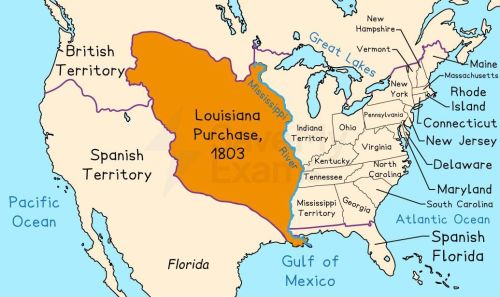
20 December 1803 stands as a defining date in the global history of real estate and land agreements. It not only reshaped the concept of land acquisition but also introduced a new dimension to state expansion, geopolitics, and the strategic value of land. This event is historically known as the Louisiana Purchase. The Louisiana Purchase was not a conventional commercial transaction within a real estate market. Rather, it was a sovereign-to-sovereign land transfer, involving the sale and transfer of territory from one state to another. The transaction was executed without reference to market valuation mechanisms and was driven entirely by political and strategic considerations. For this reason, it is regarded as the largest land transaction in recorded history and, on technical grounds, may also be described as the largest real estate deal ever concluded. Although the Louisiana Purchase treaty had been agreed earlier, on 30 April 1803 in Paris, the decisive event occurred on 20 December 1803, when France formally transferred practical control of the vast Louisiana territory to the United States of America. The United States was represented by Robert Livingston and James Monroe, while France was represented by François Barbé-Marbois, acting on behalf of the government of Napoleon Bonaparte. The formal ceremony of transfer took place in New Orleans, completing what is widely recognised as the largest territorial transfer in history. As a direct consequence of the Louisiana Purchase, the United States doubled its geographical size in a single act, while France relinquished control of a distant territory in order to concentrate on its European priorities. Under the terms of the agreement, the United States acquired approximately 828,000 square miles of land, equivalent to around 2.1 million square kilometres. By comparison, this area was roughly two and a half times larger than the present land area of Pakistan. The territory was acquired for 15 million US dollars, an amount that equates to only a few cents per acre by modern standards. In the history of global real estate, the acquisition of such an immense territory at such a nominal price, yet with such profound strategic significance, remains without precedent. The significance of the Louisiana Purchase extended far beyond its price or size. The agreement fundamentally reshaped the future geographical, economic, and political structure of the United States. As a result of this territorial acquisition, fifteen American states later emerged from the Louisiana territory, including Louisiana, Arkansas, Missouri, Iowa, North Dakota, South Dakota, Nebraska, Kansas, Oklahoma, Montana, Wyoming, Colorado, Minnesota, New Mexico, and Texas. These regions played a decisive role in strengthening agricultural production, industrial expansion, and internal trade, transforming the United States into a continental power. From a geographical perspective, most of the acquired territory was landlocked, lacking direct access to an ocean coastline. However, the true strategic value of the acquisition lay in the United States gaining full control over the Mississippi River system and its entire basin, which ultimately connects to the Gulf of Mexico. This acquisition established a strong internal geographical backbone for the United States, later enabling westward expansion towards the Pacific coast. Politically, the purchase represented a major decision for President Thomas Jefferson, as the United States Constitution contained no explicit provision for the acquisition of foreign territory. Nevertheless, guided by national interest, future expansion, and control of the Mississippi River, the transaction was completed and later came to be regarded as one of the most prudent decisions in American history. Historically, the territory of Louisiana was a product of European imperial expansion. In 1682, the French explorer Robert de La Salle claimed the Mississippi River basin for France and named the territory Louisiana in honour of King Louis XIV. This claim was not based on the consent of indigenous populations but on a colonial doctrine that treated discovery as the basis of ownership, with land regarded as an expression of sovereign land ownership. France organised the territory as a colonial possession, but following the Seven Years’ War in 1763, Louisiana was transferred to Spain. Later, in 1800, under the secret Treaty of San Ildefonso, Spain returned Louisiana to France, placing the territory legally under French control at the time of sale. In practice, however, neither Spain nor France succeeded in establishing durable and effective administrative control over this vast region. Ongoing Napoleonic wars in Europe, acute financial pressures, and the increasing difficulty of sustaining overseas colonial territories proved decisive for France. Under these conditions, Napoleon Bonaparte chose to sell Louisiana, securing immediate financial resources while simultaneously strengthening the United States as a counterbalance to British power. In this way, a fragile colonial possession was transformed into the largest land transaction in history. This day therefore serves as a reminder of the multi-dimensional strategic thinking of European powers, which often extended control far beyond their practical capacity to govern. Such territorial decisions were shaped not only by military power, but by financial capability, naval security, global trade interests, and long-term political balance. In the case of Louisiana, France chose strategic withdrawal over the maintenance of an unsustainable and costly possession. In this context, 20 December 1803 symbolises the reality that land decisions are rarely about geography alone; they are decisions of time, power, foresight, and statecraft. At times, strategic retreat itself becomes the force that shapes the direction of history.
Read more
Image

4 December 2002

Major deviations uncovered in Islamabad’s master plan, federal government orders full review in 2002

On 4 December 2002, the federal government approved the first comprehensive technical review of Islamabad’s 1960 master plan. The cabinet was informed that rapid population growth, uncontrolled commercialisation and extensive public and private construction had fundamentally altered the original plan, while land-use patterns and designated green areas had also changed significantly. The meeting emphasised the need to restore the master plan, protect green zones and enforce zoning regulations, directing the CDA to begin the technical review with the support of international specialists. Below are the verified deviations and alterations recorded in the 1960 master plan of Islamabad. ▫️Over 40 percent of land use had changed The original distribution of land residential, commercial, institutional and green areas, had been altered by more than 40 percent, either officially changed or used in an unplanned manner. ▫️Nearly 30 percent reduction in green areas Green belts, parks and reserved forests were reduced by almost one third compared to the original plan. Public and private construction, expansion of institutional buildings, residential encroachments and illegal occupation severely damaged the city’s green cover. ▫️Commercial zones had tripled Islamabad was originally designed as a non commercial capital, but by 2002, uncontrolled commercialisation had expanded markets, plazas, marriage halls and private businesses to nearly three times the size of the original commercial zones. ▫️Over 100 zoning violations recorded According to CDA’s internal reports, more than 100 documented violations were identified across Zones I to V by 2002. Examples included: * Commercial construction on residential plots * Encroachments in Zone 3 (foothills of Margalla) * Institutional buildings on green areas * Housing schemes in Zone 4 where only farming was permitted ▫️Alignment of 52 major roads and corridors changed Increased traffic pressure had altered the original alignment at 52 locations, including redesigned intersections, re-engineered corridors, conversions from single to dual roads and overloaded urban arteries. ▫️Population exceeded projections by 250 percent The 1960 master plan projected Islamabad’s population to remain between 300,000 and 400,000 by the year 2000. But by 2002, the population had crossed one million, two and a half times higher than anticipated, placing enormous pressure on services, infrastructure and the environment. ▫️Housing schemes expanded by 70 percent beyond planned limits The spread of public and private housing schemes in Zones 2, 4 and 5 exceeded the master plan’s projections by 70 percent, much of it unplanned. Summary By 2002, Islamabad’s 1960 master plan had undergone severe distortion: * 40 percent of land use had changed * 25–30 percent of green areas were lost or damaged * Commercial zones had expanded threefold * More than 100 zoning violations had been recorded * Alignment of 52 major roads had shifted * Population exceeded projections by 250 percent * Housing schemes had spread 70 percent beyond the planned limits These factors prompted the federal government’s decision on 4 December 2002 to launch the first full technical review of the master plan. The aim was to reorganise the capital’s development according to modern international planning standards. Islamabad’s master plan, prepared in 1960 by Greek architect Constantinos A. Doxiadis, envisioned a capital defined by controlled population, extensive green belts, balanced sectoral architecture and environmental protection. However, weak enforcement over the decades gradually changed the city’s urban form. By the 1980s, the city’s population began increasing at a pace never anticipated by the master plan. The projected three to four lakh residents grew to over one million by 2002, placing direct pressure on public services, roads, parks, traffic systems and the environment.
Read more
Image

3 December 1938

Nazi Germany issues decree for the compulsory seizure of Jewish property

(Berlin) On 3 December 1938, the Nazi government enacted a severe state decree titled “Verordnung über den Einsatz des jüdischen Vermögens” (Regulation on the Use of Jewish Property), through which the forced sale of all residential, commercial and agricultural assets owned by Jewish citizens was formalised in law. Signed by Economics Minister Walther Funk and Interior Minister Wilhelm Frick, the order formed part of Adolf Hitler’s direct policy following Kristallnacht, aimed at removing Jews entirely from Germany’s economic, social and territorial life. Under this decree, Jewish property owners were compelled to sell all their holdings within a fixed period, with only “Aryan” non Jewish Germans permitted as purchasers. As a result, homes, shops and land were transferred at prices far below their actual market value, while a substantial portion of the proceeds was absorbed by the state through taxes and confiscatory measures. Remaining funds were deposited into government-controlled blocked accounts, to which former owners had no free access. A key provision prohibited Jews from acquiring any new real estate, residential rights, mortgages or land. Thus, while they were forced to relinquish their existing property, they were simultaneously denied the right to obtain any alternative accommodation, giving full legal support to the process of Aryanisation. (Aryanisation was the systematic Nazi policy under which Jewish homes, businesses, land, bank accounts and commercial assets were forcibly transferred to non-Jewish German “Aryans”.) This policy became a structured instrument of economic dispossession, depriving thousands of Jewish families of their homes and workplaces and pushing them into ghettos (ghettos being enclosed, prison-like quarters where Jews were segregated from the general population) and forced-labour camps. It represented one of the clearest violations of private property rights and a stark example of state driven expropriation. Following the end of the Second World War, Allied authorities repealed this decree and all anti-Jewish laws in 1945. Post war Germany subsequently enacted restitution and compensation statutes to restore confiscated properties or provide financial redress. Even today, the decree of 3 December 1938 remains a central historical reference point in international discussions on forced expropriation, private property rights and state abuse of authority.
Read more
Image

3 December 1984

The Bhopal Disaster

On the night of 3 December 1984, the city of Bhopal in Madhya Pradesh witnessed the uncontrolled release of methyl isocyanate gas from the Union Carbide chemical plant, a facility located in the midst of densely populated residential areas. Within minutes, streets, houses and entire neighbourhoods were engulfed in a toxic cloud, creating scenes of devastation unmatched in the history of industrial disasters. The placement of the plant, embedded deep within the residential fabric of the city, had for years concealed profound weaknesses in local zoning practices, urban master planning and the regulation of industrial siting. By the morning of 3 December, it became evident that no buffer zones had been allocated, no wind-direction studies undertaken, no assessment of population density or industrial hazards conducted, and no emergency routes planned for the plant or the neighbourhoods around it. The tragedy forced governments, courts, environmental experts and urban planners to confront the fact that the distance between heavy industry and residential settlements can never remain a mere administrative formality; it is a fundamental requirement for the preservation of human life. Across India, an urgent national debate emerged over which provisions had permitted such a hazardous facility to operate within a residential zone and why the master plan had failed to enforce a clear separation between industrial and residential land use. These questions became the basis for the most significant legislative reforms in India’s urban and industrial history. Two years later, the Environment Protection Act of 1986 granted the central government authority to determine the siting of industrial units, enforce buffer zones and restrict hazardous industries from operating near homes, schools, markets or hospitals. It established, for the first time, the principle that industrial location must correspond to the degree of risk associated with each facility. Following this, the Hazardous Chemicals Rules of 1989 were promulgated, requiring every industrial plant to prepare detailed risk maps, maintain minimum distances from residential populations, account for wind direction, groundwater flows, fire safety pathways and potential patterns of toxic dispersion. The rules also made the creation of green belts around industrial areas mandatory in order to slow or prevent the spread of toxic emissions in the event of an accident. In the years that followed, the very concept of urban master planning changed, introducing risk-based zoning into Indian planning practice and dividing urban space into clearly defined zones such as safe residential sectors, mixed-use areas, general industrial districts and hazardous industrial exclusion zones. After 3 December, it was further established that the denser a city’s population, the stricter the prohibition on hazardous industry within its bounds, and that industrial licensing must be accompanied by insurance, safety audits, risk maps and emergency response plans. The Public Liability Insurance Act of 1991 subsequently required every hazardous facility to demonstrate its capacity to provide immediate compensation in the event of an accident, drawing industrial construction, location and permitting firmly into the domain of real estate regulation. The Bhopal disaster permanently altered India’s understanding of urban space; cities were no longer viewed as mere collections of roads, buildings and lanes, but as environments where every plan, every factory and every decision concerning land must place human safety at its core. 3 December 1984 became a defining reminder that poor zoning is not a technical lapse but a determinant of life and death, forming the foundation of modern land-use regulation, industrial oversight and urban safety laws in India. The magnitude of the tragedy and its status as one of the most catastrophic events in human industrial history led filmmakers in India and abroad to document it from several angles. Among these, the best-known is the 2014 international film Bhopal: A Prayer for Rain, which reconstructs the events preceding the disaster, highlighting the safety failures and operational conditions inside the plant. Earlier, in 1999, the Indian film Bhopal Express depicted the tragedy through the experience of an ordinary family caught unawares by the sudden release of toxic gas. In 2004, the BBC produced One Night in Bhopal, a detailed documentary examining the technical causes of the incident, the breakdown of industrial oversight and the impact of the disaster on the urban landscape. Additional documentaries, including Bhopal: A Search for Justice, explored the long-term health effects, legal battles and continuing contamination affecting the community. The human scale of suffering, combined with failures in urban planning and industrial zoning, made the disaster a subject of global cinematic and documentary attention, preserved through serious artistic, investigative and historical filmmaking.
Read more
Image

2 December 1931

United States enters a new phase in national housing policy as President Herbert Hoover inaugurates the Home Building Conference

Amid the continuing economic crisis, President Herbert Hoover inaugurated the White House Conference on Home Building and Home Ownership today in Washington. The nationwide conference brought together more than three thousand specialists in construction, housing finance, urban planning and land law. The opening session emphasised that although the private sector had long been active in housing and construction, its efforts remained scattered and uncoordinated. The purpose of the conference was to place the private sector, for the first time, within a formal federal framework for residential policy to create a unified strategy for expanding home ownership, reviving construction activity and addressing the weaknesses in housing finance. Committee reports presented on the first day examined the fragile mortgage system, construction standards, the requirements of planned urban development, essential infrastructure and the need for financial support for low income families. In his address, President Hoover described home ownership as a foundation of national stability and economic recovery and stated that an organised private partnership was essential for rebuilding the construction sector. The recommendations of the conference are expected to provide the principal guidelines for future United States housing policy and to mark the beginning of a new era of cooperation between the federal government and private institutions in the residential sector. (Reference: United States Presidential Archives, Address by President Herbert Hoover, December 2 1931)
Read more
Image

2 December 1869

Introduction of Compulsory Land Auctions in the Ottoman Empire, New Regulation Issued on December 2 1869

Istanbul, December 2 1869 The Ottoman Empire today issued a significant legal regulation permitting, for the first time, the judicial seizure and auction of immovable property and agricultural miri land for the recovery of private debts. Previously, compulsory sale was limited to state revenues and tax obligations, but the new regulation now enables private creditors to petition the courts for the enforced sale of a debtor’s land. This measure formed part of a wider period of administrative and legal reform in which the Ottoman government sought to strengthen its institutions, reduce financial pressures and stabilise the economy by studying legal models from European states. The Land Code of 1858 had clarified the categories of land and the principles of ownership, yet it continued to protect agricultural holdings from seizure in cases of ordinary private debt. The newly issued regulation has removed this protection, rendering the rights of use over miri land both transferable and liable to judicial confiscation. The legal framework drew upon the recommendations of a commission supervised by Ahmed Cevdet Pasha, which advised that land should be formally recognised as security for debt in order to address the increasing financial strain on the empire and the disorder within the private credit system. With the introduction of this regulation, agricultural land, residential property and village rights have, for the first time, entered the scope of judicial foreclosure, meaning the legal process through which a court may order the seizure and public sale of property when a borrower fails to repay a secured debt. Historians consider this reform a defining moment in the commercialisation of land in the Ottoman East, contributing to the gradual rise of capitalist economic structures and the development of modern land laws. Its influence became visible in subsequent decades across the successor states of the region, including Turkey, Syria and Palestine, where systems of mortgage, foreclosure and property registration evolved along new legal lines.
Read more
Image

29 November 1947

The United Nations General Assembly Approved the Partition Plan for British Palestine

▫This decision is regarded as one of the most consequential developments of its era, shaping the historical geography of land, real estate, urban division, agricultural territory, industrial regions, coastal zones and the boundaries that connected transport routes across the region. ▫The refusal to accept this resolution has shaped the Palestinian experience ever since. On 29 November 1947, during its second session, the United Nations General Assembly adopted Resolution one hundred and eighty one, known internationally as the United Nations Partition Plan for Palestine. Through this resolution, the Assembly recommended the division of British administered Palestine into two separate states, one Jewish and one Arab. The plan also proposed that Jerusalem and Bethlehem be placed under an International Trusteeship in recognition of their religious significance and administrative sensitivity, thereby placing them under international supervision. The resolution received thirty three votes in favour, thirteen against, while ten states abstained. The plan was presented to the General Assembly by the United Nations Special Committee on Palestine, established in May nineteen forty seven. The committee consisted of eleven neutral countries and was mandated to recommend an international solution for the political future of Palestine following the end of the British Mandate. Over several months, the committee conducted extensive field visits, hearings and inquiries across Palestine, and eventually submitted its final report. The report included maps, boundary lines, the proposed division of the territory, and detailed allocations of agricultural land, industrial areas, coastal regions and transport corridors. It is considered one of the most comprehensively documented land division plans of the modern century and represented the first time that the future territorial shape of a region was determined through an international vote. The plan, however, was never implemented. The Arab states and the Palestinian leadership rejected it as unjust, and following the war of nineteen forty eight, Israel took control of far more territory than had been assigned under the resolution. In the years that followed, the nineteen forty nine Green Line, the nineteen sixty seven war, subsequent military occupations, political negotiations and the Oslo process created the borders and administrative arrangements that exist today. These territorial realities do not follow the lines proposed in Resolution one hundred and eighty one. For Palestine, the rejection of the resolution resulted in the loss of the state envisaged for it. The wars of nineteen forty eight and nineteen sixty seven deepened this loss. Almost all land allocated to the Arab state came under Israeli control. The nineteen forty nine Green Line further confined Palestinian territory, while the post nineteen sixty seven arrangements fragmented Gaza, the West Bank and Jerusalem into separate and often disconnected zones. The vision of a unified and sovereign Palestinian state remained limited to documents and maps. In the present moment, after the most prolonged and destructive conflict of recent history, from twenty twenty three to twenty twenty five, both Palestine and Israel stand in a state of devastation. The coastal territory of Gaza has been almost entirely destroyed. It is this shattered landscape that the President of the United States, Donald Trump, has spoken of transforming into a Riviera once the war has ended. (Official records of the United Nations, the General Assembly archives, Encyclopaedia Britannica, BBC Archives and the Al Jazeera Timeline all confirm this event as taking place on twenty nine November nineteen forty seven.)
Read more
Image

29 November 1912

Approval for Large Scale Government Acquisition of Land for the Construction of New Delhi

On 29 November 1912, a decisive notification was published in Part One of the Government of India Gazette, establishing the legal basis for the large scale acquisition of government land required for the construction of New Delhi, the new capital of British India. This notification followed the Delhi Durbar of 1911, during which King George V announced the transfer of the capital from Calcutta to Delhi. The British administration was therefore required to identify an appropriate site and secure the necessary land without delay for the establishment of the new city. According to the notification, and under Sections Three and Six of the Land Acquisition Act of 1894, the southern suburban districts of Delhi were declared compulsory acquisition zones. These included extensive tracts covering Raisina Hill, Malcha, the Revenue District of Mehrauli, and areas extending to the western bank of the River Yamuna. The land identified for acquisition comprised all those areas selected for the Viceroy’s House, the Central Secretariat, the Civil Lines extension, the Central Avenue, and the wider administrative framework of the proposed capital. The notification made clear that New Delhi was not intended merely as a political centre, but as a modern, comprehensively planned urban seat of government, designed to accommodate administrative institutions, major boulevards, residential settlements and commercial districts. Government records indicate that the land being acquired consisted largely of agricultural fields, woodland tracts and small rural settlements. These areas were incorporated into a consolidated urban scheme in accordance with the recommendations of the Town Planning Committee of 1912. Through this notification, the Collector of Delhi was instructed to carry out all requisite procedures without delay, including land surveys, demarcation, mapping, valuation, verification of local records and completion of acquisition proceedings, to ensure the timely construction of Lutyens Delhi. Lutyens Delhi refers to that part of New Delhi designed by the British architect Sir Edwin Lutyens. This area includes major government buildings such as the Viceroy’s House (present day Rashtrapati Bhavan), the Parliament House, the North Block, the South Block and the Central Secretariat. Its broad avenues and ordered urban layout continue to form the core of New Delhi’s administrative identity. The Gazette notification of 29 November 1912 occupies a foundational place in the history of land acquisition, urban planning, colonial architecture and state control of territory in the Indian subcontinent. These official British government records are preserved today in the National Archives of India and the India Office Records at the British Library, where the proceedings of 29 November 1912 are recognised as the formal beginning of the construction of New Delhi.
Read more
Image

28 November 1990

United States Enacts Federal Affordable Housing Law

Washington A significant development unfolded today in the realm of American housing policy as President George H. W. Bush formally signed the Cranston–Gonzalez National Affordable Housing Act, thereby giving it the full force of federal law. The Act inaugurates a broad national framework of residential funding, housing assistance and urban support programmes aimed at low income households, the homeless and distressed urban areas. Under the provisions of the Act, the HOME Investment Partnerships Program is established, through which states and local governments will receive direct federal grants. These funds are designated for the construction of affordable housing, the rehabilitation of existing units and the expansion of homeownership opportunities for lower income families. The legislation also authorises the HOPE Programme, enabling tenants of public housing units to purchase their dwellings on preferential terms. In addition, the Act introduces dedicated schemes for emergency and long term accommodation for the homeless, supportive funding for low income renters and federal block grants intended for the renewal and development of urban communities. The Cranston–Gonzalez Act sets out new federal standards for the repair of public housing, the administration of housing vouchers and the management of a wide range of urban development initiatives. In accordance with these new requirements, states will be obliged to align their housing programmes with the revised federal framework from the forthcoming fiscal year. The US Department of Housing and Urban Development has confirmed that disbursement of the new funds is commencing immediately. This Act, forming a central component of the federal housing budget for 1990, officially comes into force today.
Read more
Image

28 November 1903

The East Indian Railway approved its first large scale acquisition of state land between Howrah and Liluah

According to the notification published in Part One of the Government of India Gazette on 28 November 1903, the East Indian Railway authorised for the first time an extensive acquisition of state land in the stretch between Howrah and Liluah. The measure was undertaken under Section Six of the Land Acquisition Act of 1894 and its principal purpose was to secure land for the expansion of railway goods yards, siding lines, wagon repair sheds and associated installations. At the time the Calcutta region constituted the busiest commercial corridor in the subcontinent, with growing volumes of imports and exports placing considerable pressure on the railway system and creating a pressing need for additional routes and more resilient infrastructure. Archival records indicate that the land designated for acquisition included privately owned agricultural fields adjoining the existing railway alignment, which were considered essential for increased traffic capacity and the enlargement of the goods yard. Low lying and marshy tracts were also identified, requiring embankments and protective bunds to safeguard railway facilities from seasonal flooding and monsoon damage. Land earmarked for the proposed wagon repair sheds at Liluah was prioritised owing to its strategic importance for industrial operations and employee services. The Gazette notification directed the Collector of Hooghly to undertake a complete survey, demarcation, cartographic mapping and valuation of the specified plots and to transfer possession to the East Indian Railway upon completion of all statutory proceedings. Contemporary records reveal that this decision produced an immediate enhancement in the operational capacity of the railway. Howrah Junction, already regarded as the busiest station in British India, became capable of accommodating the region’s expanding industrial demands, while the productivity of the Liluah workshops was substantially strengthened. This measure formed part of the broader railway policy of British India, in which the government sought to adapt the railway network rapidly to commercial, administrative and strategic requirements. The notification of 1903 laid the groundwork for several major future expansions, including new track extensions, freight complexes and large scale industrial workshops. Historical studies demonstrate that this intervention played a decisive role in solidifying Howrah as the principal railway hub of the subcontinent and in shaping the Calcutta region into a central axis of industrial and commercial activity for decades to come. The advent of railways in the subcontinent dates back to the morning of 1853 when the first passenger train ran from Bombay to Thane, marking the beginning of a system the government intended to extend across the entire region. In the early phase, land was acquired strictly on a need basis, whether on one side of the track or both, and this principle remained consistent as the network expanded through Punjab, Bengal and the United Provinces during the eighteen sixties and eighteen seventies. The Land Acquisition Act of 1894 formalised this practice by stipulating that the government should acquire only such land as was necessary for public purpose. It was in continuation of this long established policy that the Howrah Liluah notification of 28 November 1903 was issued, authorising limited yet essential acquisitions for the expansion of goods yards and siding lines.
Read more
Image

27 November 1962

Lahore Improvement Trust Approves First Westward Urban Expansion across the Ravi River

On 27 November 1962, the Lahore Improvement Trust (LIT) issued a landmark resolution approving, for the first time, the formal urban expansion of Lahore across the western bank of the Ravi River (towards Shahdara). This decision emerged at a time when Lahore was confronting rapid population growth, the housing pressures of post Partition migration, and increasingly unplanned urban sprawl. Established in 1936 under the Punjab Town Improvement Act of 1922, the LIT was responsible for urban reconstruction, residential layout planning, land acquisition, and the development of new housing schemes in and around Lahore. After Partition in 1947, the influx of refugees created an unprecedented housing crisis. In response, LIT initiated several major schemes including Samanabad (1950) for middle and lower income groups, Gulberg (1952) for higher income residents, and Wahdat Colony (1958) for government employees during the One Unit period. Financial limitations and a revenue model dependent on land sales, however, often resulted in greater attention toward middle and upper income categories. ▫Urban Pressure, the Ravi River, and Lahore’s Expanding Geography By the late 1950s, Lahore was compelled to grow beyond its traditional eastern and central limits. Although vast land lay west of the Ravi River, expansion had long been inhibited by monsoon floods, drainage challenges, and the flat topography of the region. Yet socio economic surveys undertaken in 1962 increasingly indicated that westward expansion was essential to accommodate future residential needs. Against this backdrop, the LIT on 27 November 1962 formally approved the opening of new residential estates on the Ravi’s western bank. The plan included dedicated engineering measures for flood protection, drainage, road alignment, and the provision of basic civic amenities. At the time, LIT’s administrative jurisdiction spanned 128 square miles, with proposals under review to expand that jurisdiction to 380 square miles. The 1962 decision marked a significant shift from piecemeal township schemes to broader metropolitan planning. ▫Financial Position and the Changing Planning Landscape Annual statements from 1961 to 1965 show that LIT recorded a surplus of 1.7 million Pakistani rupees in 1962, providing limited fiscal space for new development. Yet long standing constraints remained: between 1947 and 1975, only 11 percent of all LIT residential plots were allocated to low income groups, reflecting structural limitations in its development model. ▫Subsequent Developments and the Path to the Creation of LDA The 1962 westward expansion initiative set in motion a series of more modern planning efforts. • By 1966, the Iqbal Town scheme was developed with Canadian consultants. • At Kot Lakhpat, a low income housing project was designed with American assistance through Doxiadis Associates. A major administrative shift occurred in February 1967, when Lahore’s complete water, sewerage, and drainage systems were transferred from the Lahore Municipal Corporation (LMC) to LIT. LMC had accumulated a deficit of 7.12 million rupees by 1965; assets worth 19.1 million rupees were transferred, resulting in new rate structures and the introduction of metering. Infrastructure planning continued under engineering reports issued in 1964, which projected water demand up to 1981 and linked sewage disposal systems to the Ravi River. The 1966 Draft Master Plan for Greater Lahore (formally published in 1973) underscored the need for a stronger institution than LIT to manage citywide growth. This process culminated in 1975, when the Punjab Legislative Assembly enacted the LDA Act, transforming the Lahore Improvement Trust into the Lahore Development Authority (LDA). LDA inherited LIT’s assets but was granted wider financial, regulatory, and judicial powers. In the following decades, LDA developed over 55,000 residential plots, introduced low cost housing schemes, and reshaped Lahore’s modern urban landscape. The 27 November 1962 approval is therefore regarded as a key archival moment, marking the transition from colonial era improvement trusts toward more comprehensive, metropolitan scale development authorities in Pakistan.
Read more
Image

27 November 1875

The British Acquisition of Suez Canal Shares: A Pivotal Milestone in the Annals of Global Real Estate and Strategic Infrastructure

In a manoeuvre to fortify its stance upon the realms of international commerce and strategic infrastructure, the British Government has secured effective dominion over one of the world’s paramount maritime passages through the purchase of substantial shares in the Suez Canal Company. This historic transaction was executed under the direct sanction of Prime Minister Benjamin Disraeli, who capitalised upon the fiscal exigencies of the Egyptian sovereign, Khedive Ismail Pasha, to procure 176,602 shares at a sum of 3,976,582 pounds sterling. The financial arrangements were expeditiously facilitated by the Rothschild family in the form of an immediate loan, which played a central role in consummating the accord. Although the acquisition was finalised on 25 November and apprised to the British Parliament on 26 November, it was on 27 November 1875 that sundry British periodicals, including The Times of London and The Manchester Guardian, promulgated the tidings upon their frontispieces. According to these accounts, Britain has thereby become a stakeholder in approximately 44 per centum of the Canal Company, conferring upon it a decisive sway over this vital conduit betwixt Europe and Asia. Authorities in economics and geography opine that this inclusion in the proprietorship of the Suez Canal constitutes a unique paradigm in the sphere of global real estate oversight, wherein not mere terra firma, but a planetary corridor, was acquired. This corridor has profoundly altered the cartography of international trade, the orchestration of port cities, colonial administration, and the global transport schema. As a consequence of this purchase, mercantile routes have been abbreviated by nigh seven thousand kilometres, conveyance expenditures diminished, and British influence extended to unprecedented extents across the Middle East, Eastern Africa, and Southern Asia. Historians aver that this bargain was, in essence, the decree which paved the path for Britain’s de facto suzerainty over Egypt in 1882. It not only transformed the urban schematics of metropolises such as Alexandria, Suez, and Port Said, but also augmented the economic stature of harbour entrepôts like Aden, Karachi, Hong Kong, and Singapore. Experts in global real estate affirm that this acquisition exemplifies how a singular infrastructure edifice may redirect the economic trajectories of entire continents. Per the records of the Syed Shayan Real Estate Archive, the British gazettes of 27 November 1875 characterised this resolution as a decisive stride in British imperial stratagem, the repercussions of which shall resonate through the conduits of global commerce and urban evolution for more than a century henceforth.
Read more
Image

26 November 1960

CDA Approves First Sector Boundary Map of the New Federal Capital

On this date, the Capital Development Authority formally approved the first sector boundary map for Pakistan’s newly designated federal capital, Islamabad. The authorisation marked one of the earliest and most consequential administrative steps taken by the newly formed authority, which had been established in June 1960 under the direction of President Muhammad Ayub Khan. Prepared within the framework of the master plan developed by Doxiadis Associates of Athens, the boundary map confirmed the geometric layout of the F, G, H and I series sectors, forming the structural grid that would shape the capital’s long-term growth. The CDA chairman at the time, Major General Yahya Khan, described the approval as the foundational “planning DNA” of the new city. Structure and Intent of the Sector Plan Under the Doxiadis plan, Islamabad was conceived as a modern, orderly and environmentally integrated capital. The adopted boundary system arranged the city on a two by two kilometre grid, with each sector divided into four sub-sectors planned as self-contained communities. Residential, commercial, educational and recreational functions were placed within walkable distances, framed by green belts intended to protect natural landscapes. F Series: Predominantly residential in nature, the F sectors were designed to house middle and lower-middle income groups, including federal employees. Early development was prioritised in F-6 and F-7, with planned parks, pedestrian routes and green buffers. G Series: The G sectors were positioned as central residential and community zones. G-6, the first to be developed, was designed to be completed by the end of 1960, with markets, schools, mosques and health facilities integrated into its layout. I Series: The I sectors served the industrial and commercial functions of the new city. Areas from I-8 to I-17 were assigned for light industry, transport hubs and office clusters, forming the economic base of Islamabad. H Series: Reserved for higher-income residences and institutional development, the H sectors were planned to accommodate universities, hospitals and cultural facilities, establishing Islamabad as an administrative and academic centre. Planning Philosophy and Long Term Significance The approval reflected the Doxiadis concept of a “Dynapolis”, a city designed to expand gradually from the north-east to the south-west, preserving existing villages while creating space for controlled urban growth. Road hierarchies were calibrated at 100-foot dual carriageways, 80-foot single lanes and dedicated pedestrian pathways, ensuring orderly circulation and low environmental impact. President Ayub Khan, while reviewing the approved boundaries, remarked that Islamabad was intended not only as the administrative heart of Pakistan but also as “a model Asian city”, combining human needs, natural setting and modern technology. The 26 November approval laid the administrative and spatial foundations for all future development. It enabled the CDA to begin land acquisition, allocate resources and initiate phased construction. Work on F-6 and G-6 was scheduled for commencement in early 1961, with core infrastructure projected for completion by 1963. Historical Context The decision to relocate the capital from Karachi to a new site near Rawalpindi was taken in 1959 following a national review of administrative needs, geography and security. Doxiadis Associates submitted the first draft of the master plan in May 1960, and the boundary approval of November 1960 represented the earliest formal adoption of that plan. Legacy This boundary authorisation became the cornerstone of Islamabad’s urban identity. The grid it introduced remains intact to this day, guiding municipal planning, land regulation and infrastructure development. It is widely regarded as one of the most influential planning decisions in Pakistan’s urban history.
Read more
Image

25 November 1982

Punjab Finalizes Pre Master Planning Guidelines for Rapid Urban Expansion

On November 25, 1982, the Government of Punjab finalized its first pre master planning guidelines to manage accelerating urban growth in Lahore, Rawalpindi, Faisalabad, Multan, and Gujranwala. During the late 1970s and early 1980s, these cities witnessed rapid expansion marked by informal subdivisions, inadequate street layouts, and insufficient drainage systems. To address these challenges, the new guidelines introduced early land assessments, structured plotting rules, and basic zoning coordination that would help authorities identify development pressures before colonies expanded uncontrollably. The policy particularly focused on fringe zones, where agricultural land was quickly being converted into speculative residential pockets without formal planning oversight. The guidelines required pre development surveys to document soil stability, natural drainage channels, and existing right-of-way pathways, allowing planners to create more sustainable layouts. They also made cadastral verification mandatory to minimize overlapping land claims, which had become a rising issue in fast-growing districts. Alongside technical steps, the government launched training initiatives for patwaris, junior planners, and municipal engineers to improve mapping accuracy and strengthen basic documentation practices. The policy recommended a phased model for integrating private housing schemes into municipal systems through shared contributions toward link roads, water supply lines, and sewer networks. This helped reduce the long-term burden on municipal budgets. The 1982 framework later shaped Punjab’s structured planning reforms in the 1990s by standardizing NOC checks and promoting more data-driven approvals. Although preliminary, these guidelines became a foundation for modern peri-urban zoning practices and remain influential in shaping organized growth in expanding cities.
Read more
Image

22 November 1991

Punjab Launches Rural Water Supply Rehabilitation for Canal-Adjacent Villages

On November 22, 1991, the Punjab Public Health Engineering Department launched a major rural water supply rehabilitation program targeting villages located along major canal systems in districts including Vehari, Lodhran, Jhang, and Muzaffargarh. Throughout the late 1980s and early 1990s, canal-adjacent villages faced declining water quality due to seepage, contamination from agricultural runoff, and ageing hand-pump installations. The new initiative aimed to replace outdated water-draw systems with deep-bore motorized pumps, install iron-removal filtration units, and create protected distribution networks to supply cleaner drinking water directly to communal standposts. The program was based on extensive groundwater tests and field surveys conducted over several years. It encouraged community-led water committees to oversee operations and introduced Punjab’s early model of shared maintenance funding between households and the government. By modernizing extraction systems and reducing contamination risks, the project significantly improved public health conditions in rural belts and reduced waterborne illnesses that were common in canal-fed regions. Over time, the initiative became a precursor to Punjab’s 1990s rural water supply expansion policies. It strengthened technical standards for groundwater assessment, created district-level monitoring cells, and influenced later nationwide efforts to provide safe rural drinking water. Its long-term legacy lies in promoting community participation and systematic water quality testing across Punjab’s canal regions.
Read more
Image

22 November 1983

France Introduces National Rail Safety Modernization Blueprint After Urban Expansion

On November 22, 1983, the French Ministry of Transport unveiled a nationwide rail safety modernization blueprint to respond to rising commuter volumes and expanding suburban zones around major cities including Paris, Lyon, and Marseille. The early 1980s had seen frequent near-accident incidents due to outdated signalling systems, manual switching infrastructure, and poorly integrated suburban rail networks. The new blueprint called for digitalized signalling, automated switching controls, reinforced braking systems, and standardized safety protocols across all intercity and suburban railway lines. The plan emphasized the need for coordinated urban–transport planning so that expanding city outskirts could be connected through safe, synchronized routes. It introduced early computer-based traffic simulations to predict congestion, allowing engineers to redesign high-risk rail junctions. Socially, the blueprint improved worker safety conditions and required mandatory annual certification for rail operators. Over the following decade, this modernization initiative became the base architecture for France’s 1990s high-speed rail safety systems, influencing later upgrades in signalling, platform safety barriers, and automated track monitoring. The 1983 blueprint marked a national turning point, strengthening public confidence in rail travel and setting technical standards that shaped Europe’s later rail reforms.
Read more
Image

21 November 1987

Punjab Approves Inter-District Agricultural Storage & Cold-Chain Enhancement Initiative

On November 21, 1987, the Punjab Planning and Development Department introduced the Inter-District Agricultural Storage & Cold-Chain Enhancement Initiative, a landmark program designed to reduce post-harvest losses and stabilize farm incomes across central and southern Punjab. During the late 1980s, regions such as Okara, Sahiwal, Rahim Yar Khan, and Bahawalpur were experiencing increased production of perishable crops including vegetables, citrus, and fodder, yet the lack of structured storage facilities often resulted in wastage and major price fluctuations. The new initiative proposed the construction of standardized cold-storage units along canal-fed agricultural belts, ensuring that farmers could safely store produce instead of selling it at low off-season prices. The program also emphasized mobile cooling vans, district-level storage cooperatives, and the development of power-stable ‘agri-zones’, aimed at mitigating voltage instability that frequently damaged cooling equipment. The policy was rooted in extensive field surveys and consultations with local growers, transporters, and market committees. It introduced early models of public–private partnerships, allowing private investors to operate storage facilities under government-regulated pricing mechanisms. By facilitating long-term preservation, the initiative significantly strengthened Pakistan’s internal vegetable and fruit supply chain. Farmers gained improved bargaining power, traders experienced lower transit spoilage, and urban markets began receiving more consistent supplies throughout the year. Over the years, this initiative became a foundational element of Punjab’s agricultural modernization. It shaped later cold-chain policies of the 1990s and improved coordination between rural production zones and major urban consumption centres. Its long-term legacy lies in establishing the concept of district-level storage hubs, which eventually became central to Pakistan’s early agri-logistics reforms.
Read more
Image

21 November 1979

Tokyo Metropolitan Government Introduces Early Urban Flood-Resilient Infrastructure Blueprint

On November 21, 1979, the Tokyo Metropolitan Government released one of Japan’s earliest comprehensive flood-resilient urban infrastructure blueprints, responding to a decade of frequent typhoons and rising urban density. During the 1970s, Tokyo had experienced repeated flood emergencies due to overwhelmed drainage channels and rapid concrete expansion that reduced natural water absorption. The new blueprint proposed an interconnected system of underground flood reservoirs, widened river embankments, multi-level drainage tunnels, and protected greenwater retention parks distributed across high-risk wards. It emphasized long-term land-use planning and mandated that new industrial and residential projects incorporate permeable surfaces, rooftop rainwater capture structures, and overflow mitigation mechanisms. The blueprint also marked Japan’s early shift toward scientifically modelled hazard forecasting. Engineers used rainfall simulations and terrain-based computational mapping to predict high-risk zones, allowing Tokyo to integrate flood protection into zoning regulations for the first time. Socially, the plan played a major role in improving public awareness regarding flood preparedness and building safety, with local committees conducting workshops to encourage household-level resilience practices. Over time, this 1979 framework became the philosophical and technical foundation for Japan’s later mega-projects, including the Metropolitan Area Outer Underground Discharge Channel and multi-tiered stormwater tunnels built in the 1990s. Tokyo’s transformation into one of the world’s most flood-resilient megacities began with this blueprint, which continues to influence contemporary Japanese urban infrastructure strategy.
Read more
Image

20 November 1993

Rahim Yar Khan District Council Introduces Cross-Canal Agro-Industrial Expansion Plan

On November 20, 1993, the Rahim Yar Khan District Council approved the Cross-Canal Agro-Industrial Expansion Plan, a transformative initiative aimed at modernizing agricultural processing and strengthening rural industrial capacities. During the early 1990s, Rahim Yar Khan was rapidly becoming a major sugarcane, cotton, and citrus-producing region, yet it suffered from outdated canal-side processing mills, poor farm-to-market linkages, and a lack of structured industrial zoning. The new plan introduced three major policy innovations: (1) designated agro-industrial corridors running parallel to the Abbasia and Desert Canals, (2) standardized processing sheds built with government-assisted financing, and (3) feeder link roads enabling heavy transport access to remote agricultural estates. One of the landmark components was the establishment of a ‘Citrus Processing and Packing Cluster’ near Sadiqabad, aimed at improving grading, preservation, and export readiness. Additionally, the plan supported smallholder farmers by offering low-cost storage rooms and communal cold-chain facilities. Key drainage improvements and tube-well power stabilizers were installed to reduce irrigation disruptions. The policy had long-term socioeconomic effects: production wastage decreased significantly, farm income stabilized, and new employment opportunities emerged within citrus, sugar, and oil-seed processing units. By the late 1990s, Rahim Yar Khan began integrating into regional value chains, supplying semi-processed goods to Karachi, Multan, and Lahore. The plan is still considered one of the earliest structured agro-industrial modernization templates in Southern Punjab, influencing later schemes such as the Cholistan Agro-Belt Program and early public–private farming cooperatives.
Read more
Image

20 November 1984

Shenzhen Government Introduces Bao’an Coastal Urban Greenline Ordinance

On November 20, 1984, the Shenzhen Municipal Government enacted the Bao’an Coastal Urban Greenline Ordinance, a pioneering environmental-urban regulation designed to preserve ecological corridors during the city’s early industrial boom. In the mid-1980s, Shenzhen was rapidly transitioning from a fishing town into China’s premiere Special Economic Zone, attracting factories, migrant workers, and large-scale construction. The ordinance established mandatory ‘coastal greenline buffers’—undeveloped ecological strips separating industrial zones from residential belts. These buffers included tree belts, water-retention ponds, coastal mangrove protection areas, and designated non-construction zones. The policy also required new factories to maintain setback distances from wetlands, integrate pollution-reduction technology, and develop green perimeter walls to reduce dust and noise. Residential districts received green plazas, multi-use community parks, and open-air pedestrian pathways linking neighborhoods to the coastline. The ordinance created one of China’s earliest examples of integrated environmental planning within a fast-growing industrial zone. It significantly reduced ecological degradation, protected Bao’an’s remaining mangrove forests, and preserved natural drainage patterns that later prevented flood disasters during 1990s storm surges. Socially, the green corridors improved liveability for migrant workers, offering recreation spaces that softened the harshness of early factory-heavy districts. By the 1990s, Shenzhen’s coastal greenline became a national model studied by Guangzhou, Ningbo, and Xiamen, influencing China’s long-term eco-urban design strategy.
Read more
Image

19 November 1987

Sialkot Municipal Committee Launches Khadim Ali Shah Industrial Cluster Upgrade

On November 19, 1987, the Sialkot Municipal Committee introduced the Khadim Ali Shah Industrial Cluster Upgrade Plan, marking a turning point for Punjab’s light-manufacturing sector. At a time when global export demand for sports goods, surgical tools, and leather accessories was rising rapidly, the city’s industrial clusters were struggling with outdated infrastructure, unstructured workshops, electricity shortages, and limited access roads. The 1987 upgrade plan initiated systematic zoning of workshops, introduced standardized sheds, created shared utility corridors, and improved access through newly laid link roads connecting the cluster with the wider city. One of the major milestones of the plan was the development of a dedicated “Small Units Support Zone,” where micro-manufacturers were given low-cost production spaces and joint facility centers. To support export-oriented firms, the plan included modern drainage, voltage-stabilized power lines, and a dry-storage goods yard. The initiative significantly improved Sialkot’s manufacturing efficiency, reducing production delays and attracting the city’s first wave of private industrial investors. These improvements strengthened the foundations for Sialkot’s later transformation into a globally recognized specialty manufacturing hub especially in football manufacturing, medical instruments, and precision metal goods. Beyond industrial impacts, the plan helped absorb the rapidly growing workforce by formalizing unregulated workshops and converting them into registered micro-industries. This gave thousands of workers improved safety, better wages, and more stable working hours. By the early 1990s, export volumes from this region had risen, influencing the creation of the Sialkot Export Processing Zone and motivating private exporters to build cooperative industrial estates. Today, many of the industrial pockets in Sialkot still operate on the spatial framework introduced in 1987, proving the long-term legacy of the municipal upgrade vision.
Read more
Image

19 November 1991

Shanghai Government Implements Pudong Housing Modernization Blueprint

On November 19, 1991, the Shanghai Municipal Government enacted the Pudong Housing Modernization Blueprint one of the most transformative urban redevelopment plans of pre-WTO China. At a time when Shanghai was emerging as the country’s economic engine, housing shortages, dilapidated worker dormitories, and congested alley-neighborhoods threatened the city’s developmental ambitions. The blueprint targeted Pudong’s eastern districts, introducing large-scale mid-rise residential blocks, earthquake-resistant structural designs, improved ventilation corridors, and integrated public amenities including clinics, schools, and neighborhood markets. It became the first major Chinese housing plan to combine industrial relocation with residential improvement: old factories were shifted outward, freeing land for mixed-use districts. The blueprint also marked the introduction of China’s early “unit-based housing reform,” allowing state employees to partially purchase their government-allotted apartments.Large green belts and open spaces were planned to counter population density, while wide arterial roads connected Pudong with central Shanghai, helping the district evolve from a peripheral industrial zone into a major financial and residential heartland.Within five years, Pudong’s new housing estates improved living standards significantly, replacing substandard shared housing with individual family units. This reshaped social life, strengthened household privacy, and fostered a more stable urban workforce.The blueprint became a national reference model, influencing housing reforms across Beijing, Tianjin, Guangzhou, and Chongqing. It was also foundational in preparing Shanghai for becoming a global investment hub in the 2000s, with Pudong’s transformation serving as a symbol of China’s modernization drive.
Read more
Image

8 November 1977

Sheikh Rashid Launches Dubai’s Creek Expansion Foundation of the City’s Modern Real Estate Vision

On November 8, 1977, Sheikh Rashid bin Saeed Al Maktoum officially launched the Dubai Creek Expansion Project a defining moment in the city’s urban history that laid the foundation for Dubai’s modern real estate model. The project aimed to deepen and extend the natural creek to allow large cargo ships to enter, transforming Dubai from a small trading town into a regional commercial hub. Funded by oil revenues and international loans, the project introduced large-scale land reclamation, dredging, and port infrastructure, creating new commercial and residential plots along the expanded creek. This initiative represented the first modern integration of public infrastructure with private land development in the UAE. The reclaimed zones quickly became home to warehouses, offices, and housing, attracting both local and foreign investors. Sheikh Rashid’s urban vision emphasized diversification beyond oil turning real estate into a driver of economic growth. The success of the Creek project inspired later megadevelopments such as Jebel Ali Port (1979) and Dubai Marina (1998). In retrospect, it marked the birth of Dubai’s real estate-driven urban identity, combining strategic state planning, global investment, and architectural ambition. The project’s long-term impact reshaped Dubai’s economy, positioning land and property as central instruments of national development and global branding.
Read more
Image

7 November 1857

Frederick Law Olmsted and Calvert Vaux Selected to Design New York’s Central Park The Birth of Modern Urban Green Planning

On November 7, 1857, the New York State authorities officially approved the design proposal by Frederick Law Olmsted and Calvert Vaux for Central Park, marking the birth of modern urban park planning. The mid 19th century was a period of intense industrial growth in the United States, during which New York City faced rapid population expansion, housing congestion, and severe public health crises. The idea of a massive public park was revolutionary intended to provide the city’s working and middle classes with a space for recreation, health, and social balance. Olmsted and Vaux’s 'Greensward Plan' introduced new planning concepts that fused landscape design with social reform. Their vision emphasized accessibility, harmony with nature, and the psychological need for open green environments within dense urban settings. Central Park’s 843 acres were transformed through artificial lakes, meadows, curving pathways, and wooded zones a masterpiece of design that blended art, engineering, and ecology. It was financed through a combination of public funds and rising real estate taxes on surrounding properties, setting a precedent for how public investment could simultaneously generate private land value. The success of Central Park redefined the relationship between real estate, public welfare, and urban identity, inspiring the creation of public parks in Boston, Chicago, London, Paris, and later, Lahore and Bombay under colonial urbanism. The project’s long term impact lay not only in its aesthetic beauty but in its socio economic innovation demonstrating that well planned green spaces could uplift public health, stabilize property markets, and enhance civic life. Even today, Olmsted’s park philosophy continues to guide sustainable city planning worldwide, reminding policymakers that open space is not a luxury but an urban necessity rooted in equality, ecology, and economic foresight.
Read more
Image

7 November 1851

British Government Establishes Lahore Cantonment Foundation of Colonial Urban Planning in Punjab

On November 7, 1851, the British colonial administration formally established the Lahore Cantonment one of the earliest planned military civil settlements in northern India. The decision, approved by the East India Company, followed the annexation of Punjab in 1849 and reflected the British strategy of securing administrative and military control through spatial design. Built on the fertile plains southeast of Lahore city, the cantonment was more than a garrison; it became a blueprint for modern urban planning, infrastructure zoning, and segregated land use. Large tracts of agricultural land were acquired from local landowners under the doctrine of eminent domain, often at nominal compensation rates. The plan introduced broad tree lined avenues, drainage systems, officer bungalows, parade grounds, and markets all laid out on a geometric grid pattern unprecedented in the region. This planning philosophy, centered on order, sanitation, and hierarchy, deeply influenced how colonial administrators later designed railway colonies, civil lines, and housing schemes across British India. The Lahore Cantonment’s establishment shifted the economic landscape by transforming peri-urban farmland into high value real estate. It also created social divisions between the European enclave and native settlements nearby. Yet, its infrastructure and planning logic formed the foundation for later Pakistani urban models, from military housing authorities to modern gated communities. The 1851 project remains a critical milestone in the history of real estate, illustrating how colonial urbanism blended control, capital, and architecture to reshape both geography and governance in South Asia.
Read more
Image

6 November 1995

Karachi Launches Regularization Drive for Informal Housing Settlements

On November 6, 1995, the Government of Sindh embarked on one of the most ambitious urban land reform programs in Pakistan’s history the Karachi Katchi Abadi Regularization and Land Titling Initiative. The campaign was designed to bring hundreds of informal settlements, locally known as katchi abadis, into the legal urban framework. These settlements, which had expanded rapidly during Karachi’s population boom of the 1980s and early 1990s, housed millions of low income residents who lacked property rights, basic infrastructure, and civic services. Under the new policy, the provincial government, working with the Sindh Katchi Abadi Authority (SKAA), began surveying unplanned areas, mapping land parcels, and issuing ownership documents to long term residents. The program’s objective was twofold: to legitimize existing housing through the distribution of title deeds and to upgrade essential services such as sanitation, drainage, paved streets, electricity, and clean drinking water. Regularization aimed not only to improve living conditions but also to enhance social inclusion by giving residents a sense of ownership and civic responsibility. Legal recognition enabled property holders to access loans, invest in home improvements, and participate in community based development programs. The Sindh government also collaborated with non governmental organizations and international development partners to ensure technical support, transparency, and community participation. Despite logistical challenges, including overlapping land claims, corruption, and lack of accurate records, the initiative was widely viewed as a milestone in inclusive urban policy. It bridged the gap between informal settlements and the formal housing market, providing a replicable model later adapted in other Pakistani cities such as Lahore and Hyderabad. Nearly three decades later, the 1995 regularization campaign remains a key reference point in Pakistan’s housing reform history. It demonstrated how proactive government intervention could balance legality, affordability, and social justice, setting the foundation for sustainable urban governance and equitable development in rapidly expanding metropolitan regions.
Read more
Image

6 November 1853

Haussmann Begins the Massive Redevelopment of Paris A New Era of Urban Planning and Real Estate Modernization

On November 6, 1853, the French Emperor Napoleon III appointed Baron Georges Eugène Haussmann as Prefect of the Seine, launching one of the most transformative urban redevelopment projects in modern history. The 'Haussmannization of Paris' would redefine not only the physical layout of the French capital but also the global principles of real estate, urban design, and civic modernization. At the time, Paris was a maze of narrow, overcrowded medieval streets plagued by poor sanitation, epidemics, and uncontrolled construction. Haussmann’s vision, supported by state funds and private investment, introduced wide boulevards, uniform building facades, modern sewage systems, and vast public squares that reshaped the entire cityscape. His urban reforms prioritized light, air, and mobility introducing zoning regulations, property expropriation laws, and new standards for architectural uniformity that dramatically increased land value across central Paris. The transformation displaced thousands of residents but simultaneously created unprecedented real estate opportunities for investors, developers, and the emerging bourgeoisie. Haussmann’s integrated planning approach became a global model, influencing urban renewal in London, Vienna, New York, and later colonial cities in South Asia. Although criticized for social displacement and elitism, his 1853 project established the foundation of modern urban governance, connecting architecture, public health, and economics into one cohesive framework. Today, Haussmann’s Paris remains a symbol of structured modernization a city rebuilt through vision, controversy, and the enduring power of real estate policy to shape society.
Read more
Image

11 October 1939

Lahore Improvement Trust Begins Wartime Urban Replanning

In October 1939, as the clouds of the Second World War gathered over the Indian subcontinent, Lahore stood as the administrative and military heart of British Punjab, a thriving center of commerce, governance, and mobility. During this critical moment, the Punjab Government declared Lahore a War Time Urban Zone and instructed the Lahore Improvement Trust (LIT) to begin urgent urban replanning to meet the city’s growing strategic and civilian needs. According to the Punjab Government Gazette issued on October 11, 1939, the LIT was directed to prepare a comprehensive plan that included new zoning, housing schemes, road expansions, and modern drainage systems for the city’s southern and western areas, particularly around Ferozepur Road, Mozang, Ichhra, and the outskirts of Model Town. This initiative marked the beginning of modern urban planning in Lahore. It introduced, for the first time, the concept of planned urban expansion, a model that would later shape the development of Shadman, Garden Town, Muslim Town, and Gulberg. The wartime replanning reflected a blend of British civic order, canal-based land use, and emerging defense corridors. It redirected the city’s axis of growth from the old walled core toward the south and west. It was also the first time a formal boundary was drawn between the city and the district, a line that would define Lahore’s urban identity for generations to come.
Read more
Image

11 October 1955

Karachi Master Plan Commission Established

On October 11, 1955, the Federal Cabinet of Pakistan approved the formation of the Karachi Development Authority (KDA) Master Plan Unit, marking the beginning of the country’s first metropolitan level planning institution. This landmark decision came during a period of rapid urban growth as Karachi evolved into the economic and administrative center of the newly independent state. By the mid 1950s, Karachi’s population had more than doubled since 1947 due to large scale migration, industrial expansion, and the relocation of government institutions. The city’s unplanned expansion created increasing challenges in housing, transportation, sanitation, and water supply. Recognizing the urgency of these issues, the Federal Cabinet directed the Ministry of Housing and Works to establish the Karachi Master Plan Commission, supported by the United Nations Technical Assistance Board (UNTAB). The Commission was given the responsibility to prepare a twenty year comprehensive plan to guide Karachi’s spatial development, zoning, housing programs, and industrial growth. The Karachi Development Authority was created as the executive body to implement this plan and to coordinate future infrastructure projects. The Master Plan Unit became the core of this initiative and set a model for urban management across Pakistan. The KDA’s vision described Karachi as a balanced coastal metropolis emphasizing organized residential clusters, industrial corridors, and modern transport systems. This vision provided the foundation for the development of satellite towns such as Korangi, Landhi, Malir, and New Karachi, designed to decentralize population and economic activity from the congested city center. The 1955 decision transformed Karachi into South Asia’s first major postcolonial experiment in organized urban growth. It marked a shift from colonial style municipal administration to a structured institutional framework for metropolitan planning supported by both national expertise and international technical collaboration.
Read more
Image

10 October 2013

Implementation of India’s Land Acquisition, Rehabilitation and Resettlement Act (LARR)

In October 2013, India began the active implementation of the Land Acquisition, Rehabilitation and Resettlement Act (LARR) 2013, one of the most transformative land governance reforms in South Asia. Although the Act had been passed in September, by early October the federal government had issued operational frameworks for states to establish valuation committees, compensation formulas, and social impact assessment mechanisms. This new law replaced the colonial era Land Acquisition Act of 1894, which had been widely criticized for enabling forced acquisitions and inadequate compensation. The 2013 Act sought to balance development needs with social justice by ensuring that landowners and displaced families received fair market value, resettlement benefits, and long term livelihood support. The Act introduced landmark provisions requiring public consent, social audits, environmental clearances, and rehabilitation planning before land could be acquired for industrial or infrastructure projects. By October 2013, pilot implementations had started in several states including Maharashtra, Andhra Pradesh, and Punjab, each developing local guidelines for valuation and grievance redressal. This period marked the beginning of a major shift in India’s property governance structure, as state level bureaucracies and district land offices began aligning their procedures with the new national law. The reform not only redefined the process of acquisition but also established a new social contract between the state, investors, and communities.
Read more

Filter by Year