
Syed Shayan Real Estate Archive
Syed Shayan Real Estate Archive
From Real Estate History
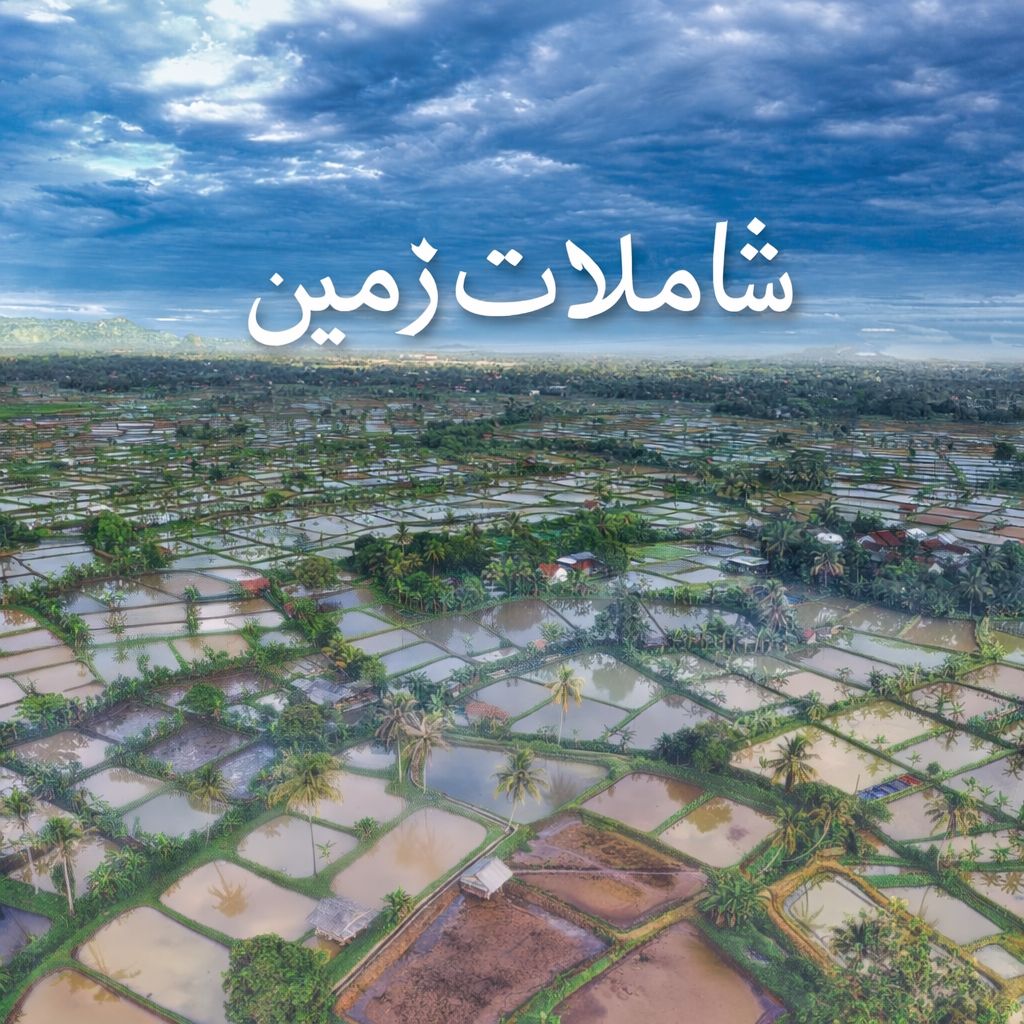
On 23 January 1959, the Governor of West Pakistan, Lieutenant General Muhammad Azam Khan, promulgated the Punjab Land Dispositions Saving of Shamilat Ordinance 1959.
The ordinance formally defined the ownership of village common land, known as Shamilat, and established clear principles governing its transfer. This strengthened land record management and property transfer systems and laid the legal foundation for resolving long-standing land disputes in rural areas.
The original and legally effective date of enforcement of this ordinance is 23 January 1959, the date on which it was promulgated by the Governor. It was subsequently published on 27 January 1959 in the West Pakistan Gazette (Extraordinary) on pages 455 to 456.
The primary objective of the law was to determine the legal status of village common land, including grazing areas, pathways, water sources, and other land reserved for collective use. It clarified which categories of such land could be transferred into private ownership and under what conditions those transfers would be considered legally valid. The ordinance also provided legal protection to certain past transfers carried out in good faith under prevailing laws, while denying legitimacy to illegal or arbitrary occupations.
In the decades that followed, this law became a foundational reference for land-related legislation, judicial rulings, and revenue reforms in Punjab and other regions. Even today, its principles are applied directly or indirectly in thousands of cases involving land transfers, ownership records, revenue documentation, and rural land disputes in Punjab. Higher courts have consistently recognised it as a living and effective law.
As of 23 January 2026, sixty-seven years have passed since the enforcement of this ordinance, yet its legal and practical relevance remains fully intact.
Although the word “Punjab” appears in the title of the ordinance, it was promulgated on 23 January 1959 by the Governor of West Pakistan under the One Unit system and applied to all rural areas of West Pakistan. Since most land and revenue laws of the period were based on the Punjab legal framework, the term Punjab was retained in the title. After the dissolution of the One Unit system, other provinces enacted their own laws, while this ordinance remained in force in Punjab and continues to be applied there at both administrative and judicial levels.
▪️Syed Shayan Real Estate Archive
▪ Reference(s):
23 جنوری 1959 کو مغربی پاکستان کے گورنر لیفٹیننٹ جنرل محمد اعظم خان نے پنجاب اراضی تصرفات تحفظِ شاملات آرڈیننس 1959 (Punjab Land Dispositions Saving of Shamilat Ordinance 1959) جاری کیا۔
اس آرڈیننس کے ذریعے دیہات کی مشترکہ زمین یعنی شاملات کی ملکیت اور اس کی منتقلی کے اصول واضح کیے گئے، جس سے زمین کے ریکارڈ اور انتقال کے نظام کو بہتر بنایا گیا اور دیہی علاقوں میں زمین کے پرانے تنازعات کے حل کی بنیاد پڑی۔
اس آرڈیننس کی اصل قانونی تاریخِ نفاذ 23 جنوری 1959 ہے، جب اسے گورنر کی جانب سے جاری کیا گیا۔ بعد ازاں 27 جنوری 1959 کو یہ آرڈیننس West Pakistan Gazette Extraordinary میں صفحات 455 سے 456 پر شائع ہوا۔
اس قانون کا بنیادی مقصد یہ تھا کہ گاؤں کی مشترکہ زمین، چراگاہیں، راستے، آب رسانی کے مقامات اور دیگر اجتماعی استعمال کی اراضی کے بارے میں یہ طے کیا جا سکے کہ کون سی زمین نجی ملکیت میں منتقل ہو سکتی ہے اور کن حالات میں ایسی منتقلی قانونی طور پر درست مانی جائے گی۔ اس آرڈیننس نے واضح کیا کہ ماضی میں کی گئی بعض منتقلیاں اگر نیک نیتی اور رائج قوانین کے تحت ہوئیں تو انہیں تحفظ دیا جائے گا، جبکہ غیر قانونی یا من مانے قبضوں کو قانونی جواز حاصل نہیں ہوگا۔
یہ قانون بعد کے عشروں میں پنجاب اور دیگر صوبوں میں زمین سے متعلق متعدد قوانین، عدالتی فیصلوں اور ریونیو اصلاحات کی بنیاد بنا۔ آج بھی پنجاب میں انتقالِ اراضی، فرد، جمعبندی، اور زمین کے تنازعات سے متعلق ہزاروں مقدمات میں اس آرڈیننس کے اصول براہِ راست یا بالواسطہ طور پر استعمال ہوتے ہیں۔ اعلیٰ عدالتوں کے فیصلوں میں بھی اسے ایک زندہ اور مؤثر قانون کے طور پر تسلیم کیا جاتا رہا ہے۔
23 جنوری 2026 کو اس آرڈیننس کے نفاذ کو 67 سال مکمل ہو چکے ہیں، مگر اس کی عملی اور قانونی افادیت آج بھی برقرار ہے۔
اگرچہ اس آرڈیننس کے عنوان میں پنجاب کا لفظ درج ہے، تاہم یہ قانون 23 جنوری 1959 کو مغربی پاکستان کے گورنر کی جانب سے One Unit کے نظام کے تحت جاری کیا گیا تھا اور اس کا اطلاق مغربی پاکستان کے تمام دیہی علاقوں پر ہوتا تھا۔ چونکہ اس دور میں زمین اور ریونیو سے متعلق زیادہ تر قوانین پنجاب کے قانونی فریم ورک پر مبنی تھے، اس لیے آرڈیننس کے نام میں پنجاب شامل رکھا گیا۔ بعد ازاں One Unit کے خاتمے کے بعد دیگر صوبوں نے اپنے علیحدہ قوانین تشکیل دے لیے، جبکہ پنجاب میں یہی آرڈیننس برقرار رہا اور آج بھی عملی اور عدالتی سطح پر اسی صوبے میں نافذ العمل ہے۔
▪️ سید شایان ریئل اسٹیٹ آرکائیو

On November 25, 1982, the Government of Punjab finalized its first pre master planning guidelines to manage accelerating urban growth in Lahore, Rawalpindi, Faisalabad, Multan, and Gujranwala. During the late 1970s and early 1980s, these cities witnessed rapid expansion marked by informal subdivisions, inadequate street layouts, and insufficient dr...
Read More →
On 30 December 1973, a day of exceptional significance in the industrial and urban history of Pakistan, former Prime Minister Zulfikar Ali Bhutto laid the foundation stone of Pakistan Steel Mills at Bin Qasim, Steel Town, to the east of Karachi, beyond the then urban limits of the city. This project not only became a symbol of Pakistan’s industri...
Read More →
On November 2, 2015, world leaders and climate experts gathered in Paris to finalize the framework for the COP21 Climate Agreement, a landmark initiative aimed at limiting global temperature rise below 2°C. The conference represented a pivotal moment in global environmental policy, bringing together 196 nations to commit to emission reduction targ...
Read More →
On November 15, 1986 the Gujrat Development Authority launched the Model Town Gujrat Housing Scheme to address rising population pressure and the need for organized residential expansion. During the 1980s Gujrat was transitioning from a semi-rural district center to a rapidly urbanizing city influenced by overseas remittances and growing domestic i...
Read More →On November 20, 1993, the Rahim Yar Khan District Council approved the Cross-Canal Agro-Industrial Expansion Plan, a transformative initiative aimed at modernizing agricultural processing and strengthening rural industrial capacities. During the early 1990s, Rahim Yar Khan was rapidly becoming a major sugarcane, cotton, and citrus-producing region,...
Read More →
The acquisition of land for the Model Town Society was one of the most remarkable and spirited chapters in its early history. Dewan Khem Chand and his...

Between 1921 and 1924, the land for Model Town Lahore was acquired in successive phases. The process began in 1921, shortly after the establishment of...
No comments yet. Be the first to comment!