
Syed Shayan Real Estate Archive
Syed Shayan Real Estate Archive
From Real Estate History
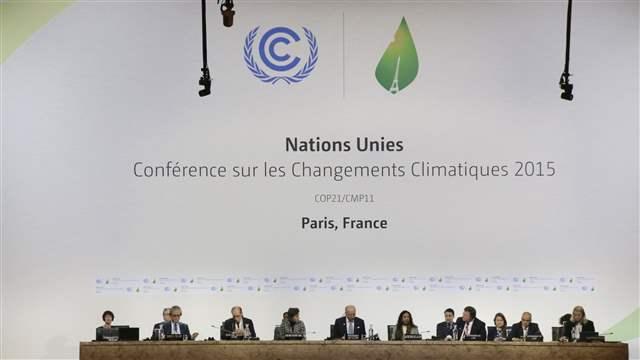
On November 2, 2015, world leaders and climate experts gathered in Paris to finalize the framework for the COP21 Climate Agreement, a landmark initiative aimed at limiting global temperature rise below 2°C. The conference represented a pivotal moment in global environmental policy, bringing together 196 nations to commit to emission reduction targets and sustainable development goals. Discussions revolved around carbon neutrality, renewable energy transition, and financial mechanisms to support developing countries. The event symbolized a turning point in collective environmental responsibility, emphasizing that sustainable growth was no longer optional but essential. The anticipation around COP21 reflected a growing global realization that environmental resilience and resource preservation are fundamental for long-term economic and human security.
▪ Reference(s):
2 نومبر 2015 کو دنیا بھر کے رہنما اور ماحولیاتی ماہرین پیرس میں جمع ہوئے تاکہ COP21 ماحولیاتی معاہدے کے فریم ورک کو حتمی شکل دی جا سکے۔ یہ معاہدہ عالمی درجہ حرارت میں 2 ڈگری سیلسیس سے کم اضافے کو یقینی بنانے کے لیے ایک تاریخی اقدام تھا۔ کانفرنس میں 196 ممالک نے اخراج میں کمی، قابلِ تجدید توانائی کے فروغ، اور ترقی پذیر ممالک کے لیے مالی معاونت کے نظام پر اتفاق کیا۔ یہ موقع عالمی ماحولیاتی ذمہ داری کے ایک نئے دور کی علامت بن گیا جس میں پائیدار ترقی کو انسانی بقا اور اقتصادی استحکام کے لیے ناگزیر تسلیم کیا گیا۔
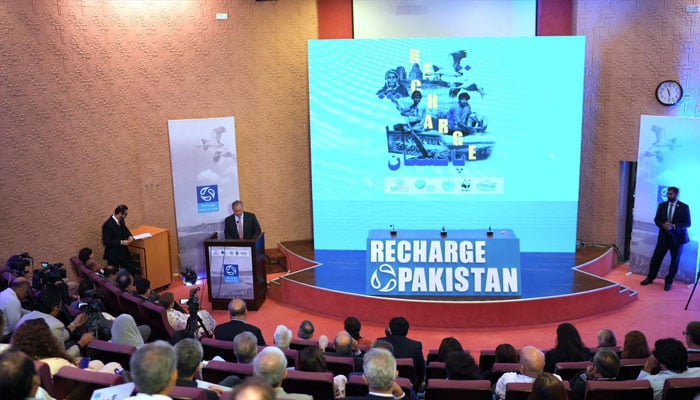
On November 2, 2021, Pakistan’s Ministry of Climate Change launched the ‘Recharge Pakistan’ project in collaboration with the World Bank and the Green Climate Fund. The initiative aimed to enhance water resilience by restoring wetlands, improving groundwater recharge, and managing floodwaters more sustainably. With nearly 90% of Pakistan’s freshwater consumed in agriculture, the project introduced innovative irrigation management and rainwater harvesting systems. It focused on vulnerable regions such as Sindh, Balochistan, and Southern Punjab, where communities face extreme water stress. ‘Recharge Pakistan’ represented a shift from crisis management to climate adaptation, emphasizing local empowerment and long-term sustainability for future generations.
▪ Reference(s):
2 نومبر 2021 کو وزارتِ موسمیاتی تبدیلی نے ورلڈ بینک اور گرین کلائمیٹ فنڈ کے تعاون سے 'ریچارج پاکستان' منصوبے کا آغاز کیا۔ اس منصوبے کا مقصد زیرِ زمین پانی کے ذخائر کو بحال کرنا، دلدلی علاقوں کو محفوظ بنانا، اور سیلابی پانی کے بہتر استعمال کے ذریعے پانی کی پائیدار فراہمی کو یقینی بنانا تھا۔ پاکستان کے تقریباً 90 فیصد میٹھے پانی کا استعمال زراعت میں ہوتا ہے، اس لیے منصوبے نے بارش کے پانی کے ذخیرے اور جدید آبپاشی کے طریقوں پر توجہ دی۔ یہ منصوبہ سندھ، بلوچستان اور جنوبی پنجاب جیسے علاقوں میں آبی قلت کے خطرے سے دوچار کمیونٹیز کے لیے امید کی نئی کرن ثابت ہوا۔

On November 3, 2010, Pakistan’s Parliament enacted the 18th Constitutional Amendment, marking a historic shift toward provincial autonomy. The amendment devolved 17 federal ministries to provinces, strengthened parliamentary democracy, and restored the balance of power envisioned in the 1973 Constitution. It abolished the concurrent legislative l...
Read More →
On November 9, 1996, the Lahore Development Authority (LDA) initiated the Shahdara Low Income Housing Project to address rising urban population pressures and informal settlements. The 500-acre development along the Ravi River’s northern bank offered over 3,000 small residential plots for low- and middle-income families. LDA prioritized infrastru...
Read More →
On November 10, 1995, the government of Japan began a national program to rebuild homes and cities after the Kobe earthquake that caused severe damage earlier that year. The plan aimed to make housing stronger and safer against future earthquakes. Japan introduced new building rules that required stronger concrete and steel structures. It also prov...
Read More →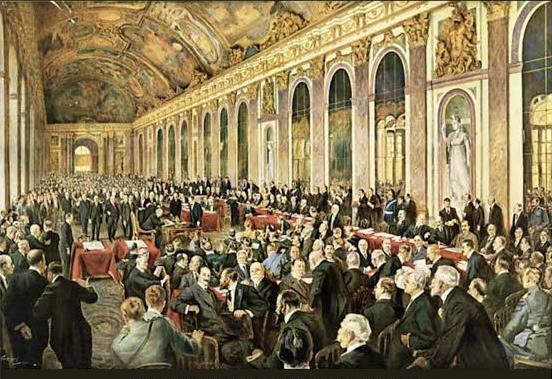
The structure of the world map and globe as they are recognised today is fundamentally rooted in the decisions taken following the Paris Peace Conference, which began on 18 January 1919. Prior to the conference, much of the world was organised under a limited number of vast imperial systems. These included the Ottoman Empire, extending across Asia...
Read More →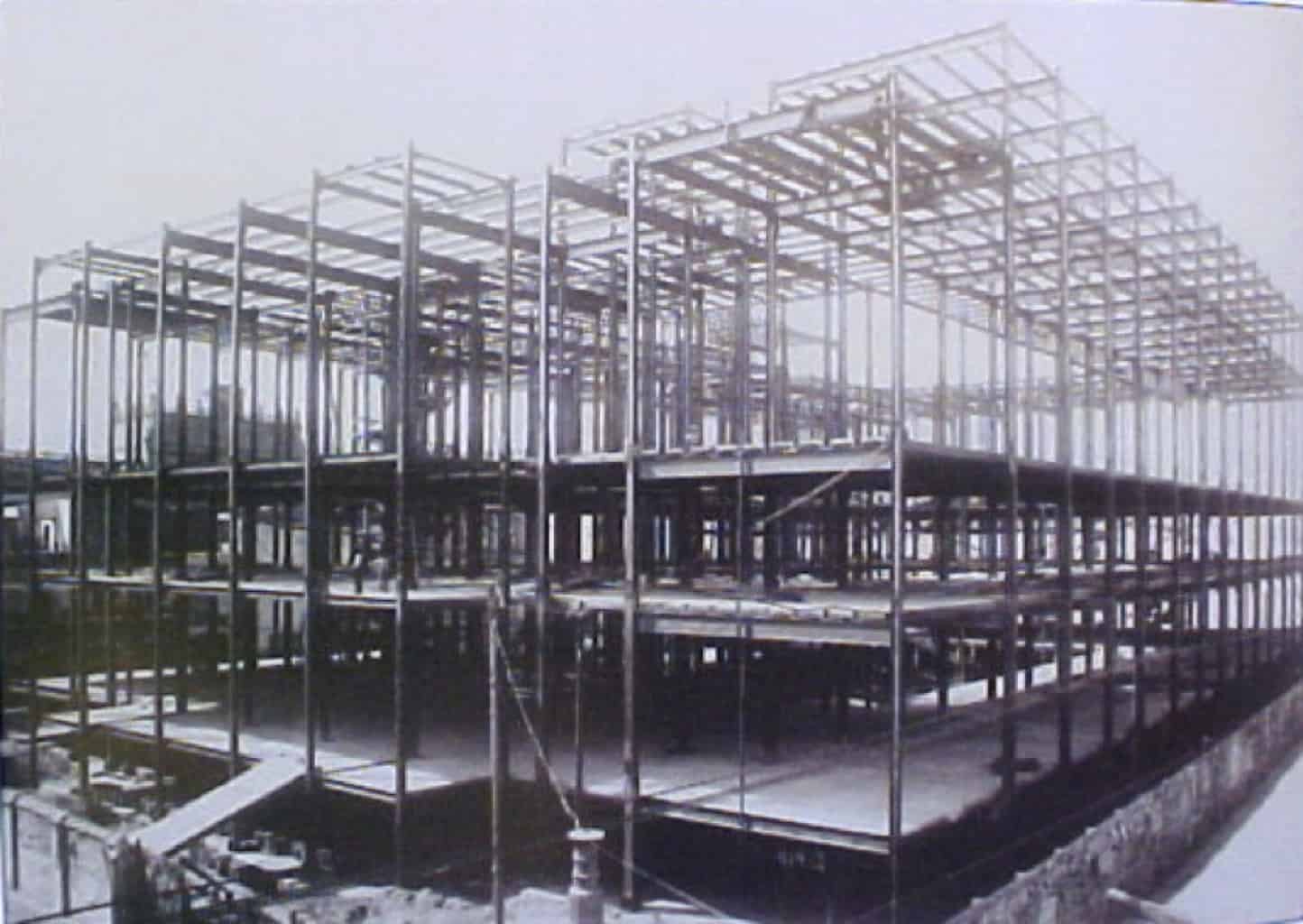
On October 28, 1895, the construction industry's widespread adoption of steel-frame technology enabled the first generation of modern skyscrapers, fundamentally transforming urban development worldwide. This engineering breakthrough allowed buildings to reach unprecedented heights, revolutionizing architectural possibilities and establishing new st...
Read More →
The acquisition of land for the Model Town Society was one of the most remarkable and spirited chapters in its early history. Dewan Khem Chand and his...
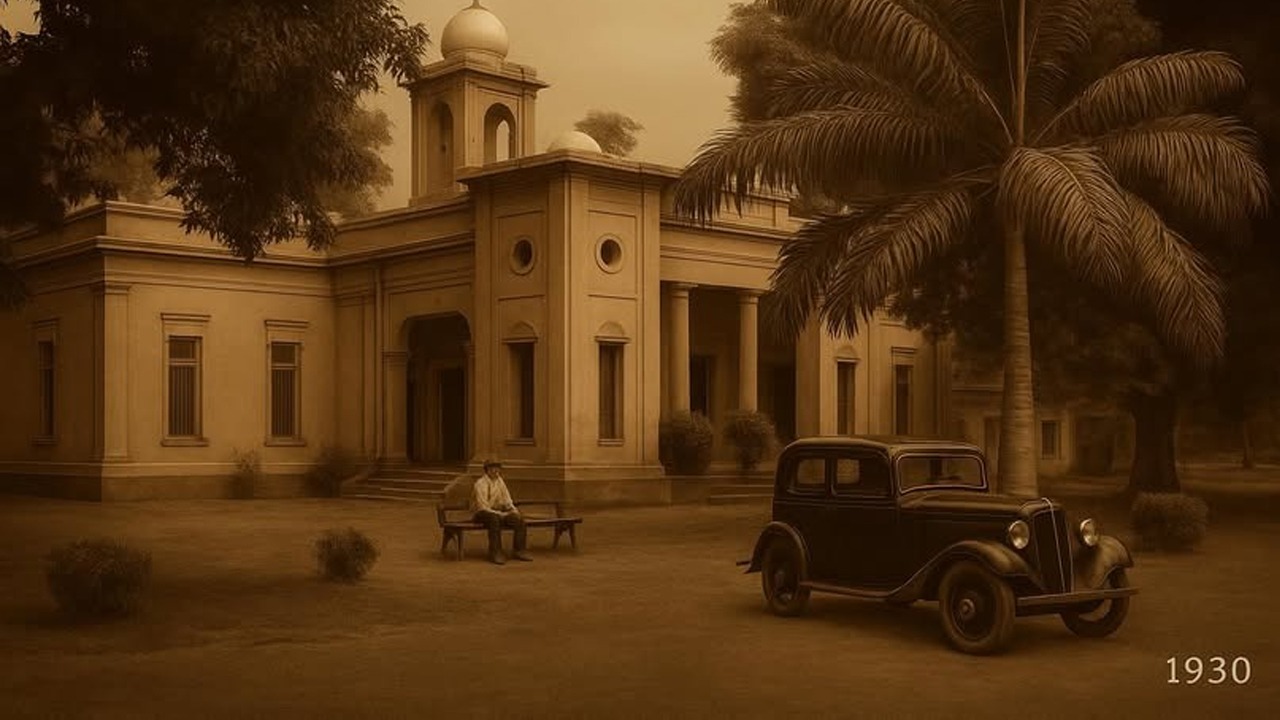
Between 1921 and 1924, the land for Model Town Lahore was acquired in successive phases. The process began in 1921, shortly after the establishment of...
No comments yet. Be the first to comment!