
Syed Shayan Real Estate Archive
Syed Shayan Real Estate Archive
From Real Estate History

On November 3, 1993, the implementation of the Maastricht Treaty revolutionized European real estate markets by establishing the framework for a unified property investment zone. The treaty's provisions for free movement of capital and persons enabled cross-border property ownership and investment across EU member states. This led to the emergence of pan-European real estate investment trusts (REITs) and facilitated property acquisitions by citizens from different member countries. The single currency framework later introduced through the treaty further streamlined property transactions, making cross-border real estate investments more accessible and creating new opportunities for commercial and residential property development throughout Europe.
▪ Reference(s):
3 نومبر 1993 کو ماستریخت معاہدے کے نفاذ نے یورپی رئیل اسٹیٹ مارکیٹوں میں انقلاب برپا کر دیا، جس نے متحدہ پراپرٹی سرمایہ کاری زون کے لیے فریم ورک قائم کیا۔ معاہدے میں سرمائے اور افراد کی آزادانہ نقل و حرکت کے احکامات نے یورپی یونین رکن ممالک میں سرحد پار پراپرٹی کی ملکیت اور سرمایہ کاری کو ممکن بنایا۔ اس کے نتیجے میں پین یورپی رئیل اسٹیٹ انویسٹمنٹ ٹرسٹس (REITs) کا ظہور ہوا اور مختلف رکن ممالک کے شہریوں کے لیے پراپرٹی کی خریداری آسان ہو گئی۔ معاہدے کے ذریعے متعارف کرائی گئی واحد کرنسی کے فریم ورک نے پراپرٹی لین دین کو مزید ہموار کیا، جس سے سرحد پار رئیل اسٹیٹ سرمایہ کاری زیادہ قابل رسائی ہو گئی اور پورے یورپ میں کامرشل اور رہائشی پراپرٹی ڈویلپمنٹ کے نئے مواقع پیدا ہوئے۔

On November 3, 2010, Pakistan’s Parliament enacted the 18th Constitutional Amendment, marking a historic shift toward provincial autonomy. The amendment devolved 17 federal ministries to provinces, strengthened parliamentary democracy, and restored the balance of power envisioned in the 1973 Constitution. It abolished the concurrent legislative list, granting provinces greater control over education, health, and natural resources. The move represented a decisive step in redefining Pakistan’s federal structure, promoting inclusive governance and regional participation. While challenges of capacity and coordination emerged, the amendment became a cornerstone for rethinking governance in a diverse and complex federation. It symbolized Pakistan’s aspiration for a more balanced and participatory national framework.
▪ Reference(s):
3 نومبر 2010 کو پاکستان کی پارلیمنٹ نے آئین کی 18ویں ترمیم منظور کی جو صوبائی خودمختاری کی جانب ایک تاریخی قدم تھا۔ اس ترمیم کے تحت 17 وفاقی وزارتیں صوبوں کے حوالے کی گئیں، پارلیمانی جمہوریت کو مضبوط کیا گیا اور 1973 کے آئین میں طے شدہ اختیارات کا توازن بحال کیا گیا۔ اس کے نتیجے میں تعلیم، صحت اور قدرتی وسائل جیسے شعبوں پر صوبوں کو زیادہ اختیار حاصل ہوا۔ اگرچہ انتظامی صلاحیت اور ہم آہنگی کے چیلنجز سامنے آئے، لیکن یہ ترمیم پاکستان میں جامع، متوازن اور شراکتی طرزِ حکومت کے لیے سنگِ میل ثابت ہوئی۔
On November 3, 2010, Pakistan’s Parliament enacted the 18th Constitutional Amendment, marking a historic shift toward provincial autonomy. The amendment devolved 17 federal ministries to provinces, strengthened parliamentary democracy, and restored the balance of power envisioned in the 1973 Constitution. It abolished the concurrent legislative l...
Read More →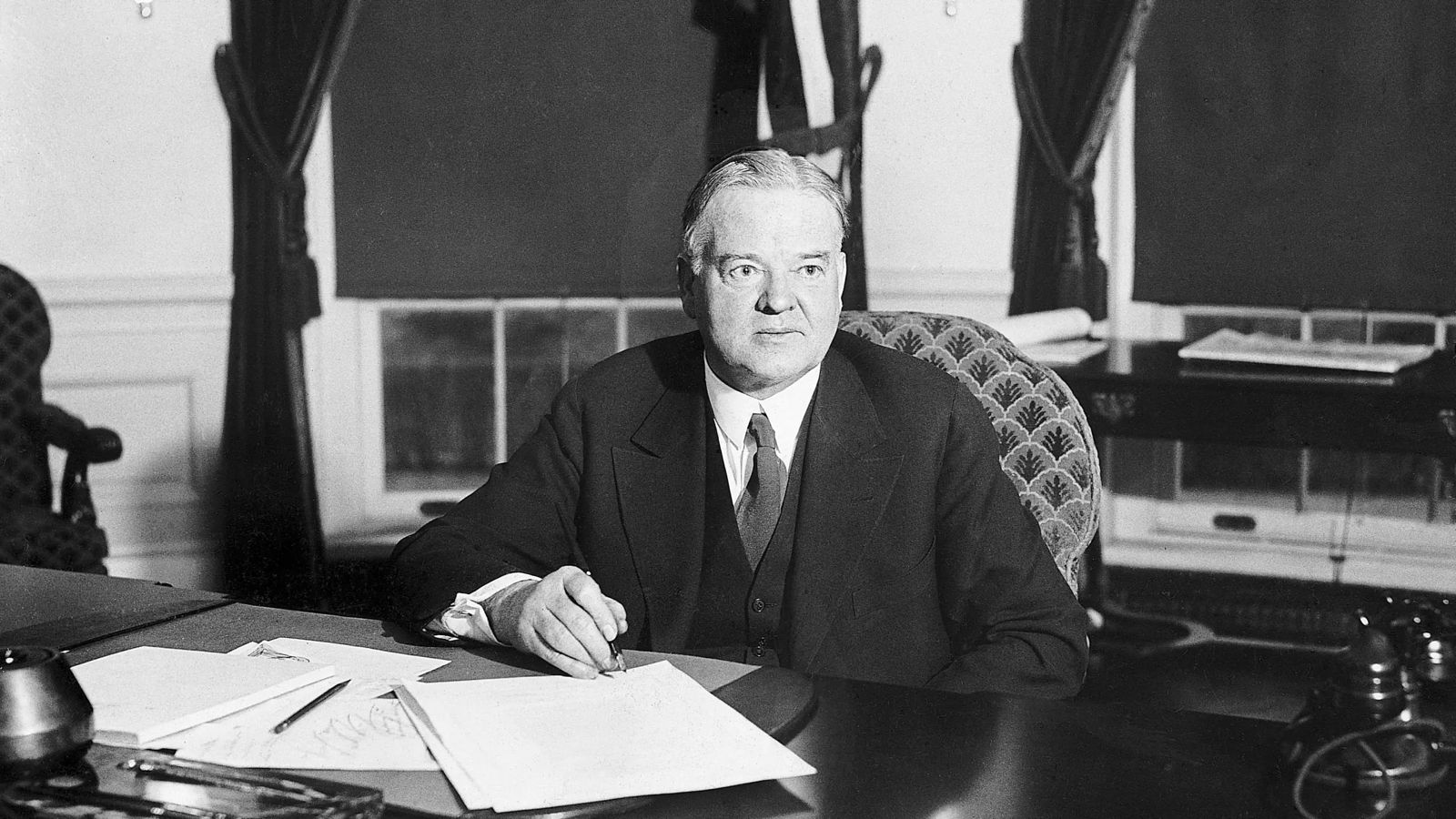
Amid the continuing economic crisis, President Herbert Hoover inaugurated the White House Conference on Home Building and Home Ownership today in Washington. The nationwide conference brought together more than three thousand specialists in construction, housing finance, urban planning and land law. The opening session emphasised that although the ...
Read More →
On October 11, 1955, the Federal Cabinet of Pakistan approved the formation of the Karachi Development Authority (KDA) Master Plan Unit, marking the beginning of the country’s first metropolitan level planning institution. This landmark decision came during a period of rapid urban growth as Karachi evolved into the economic and administrative cen...
Read More →
On November 11, 1952, the Government of Pakistan approved the Karachi Land Reclamation and Port Housing Development Plan to support the growing workforce of Karachi Port and nearby industries. Following independence, Karachi had transformed into a vibrant trade hub with massive migration from across South Asia. However, housing shortages and unsafe...
Read More →
On October 30, 2001, the Karachi Development Authority implemented Pakistan's first comprehensive high-rise building regulations, fundamentally transforming the city's vertical development patterns and establishing crucial safety standards for urban construction. The innovative regulatory framework established rigorous safety protocols for tall str...
Read More →
The acquisition of land for the Model Town Society was one of the most remarkable and spirited chapters in its early history. Dewan Khem Chand and his...

Between 1921 and 1924, the land for Model Town Lahore was acquired in successive phases. The process began in 1921, shortly after the establishment of...
No comments yet. Be the first to comment!