
Syed Shayan Real Estate Archive
Syed Shayan Real Estate Archive
From Real Estate History
3 Historical Event found
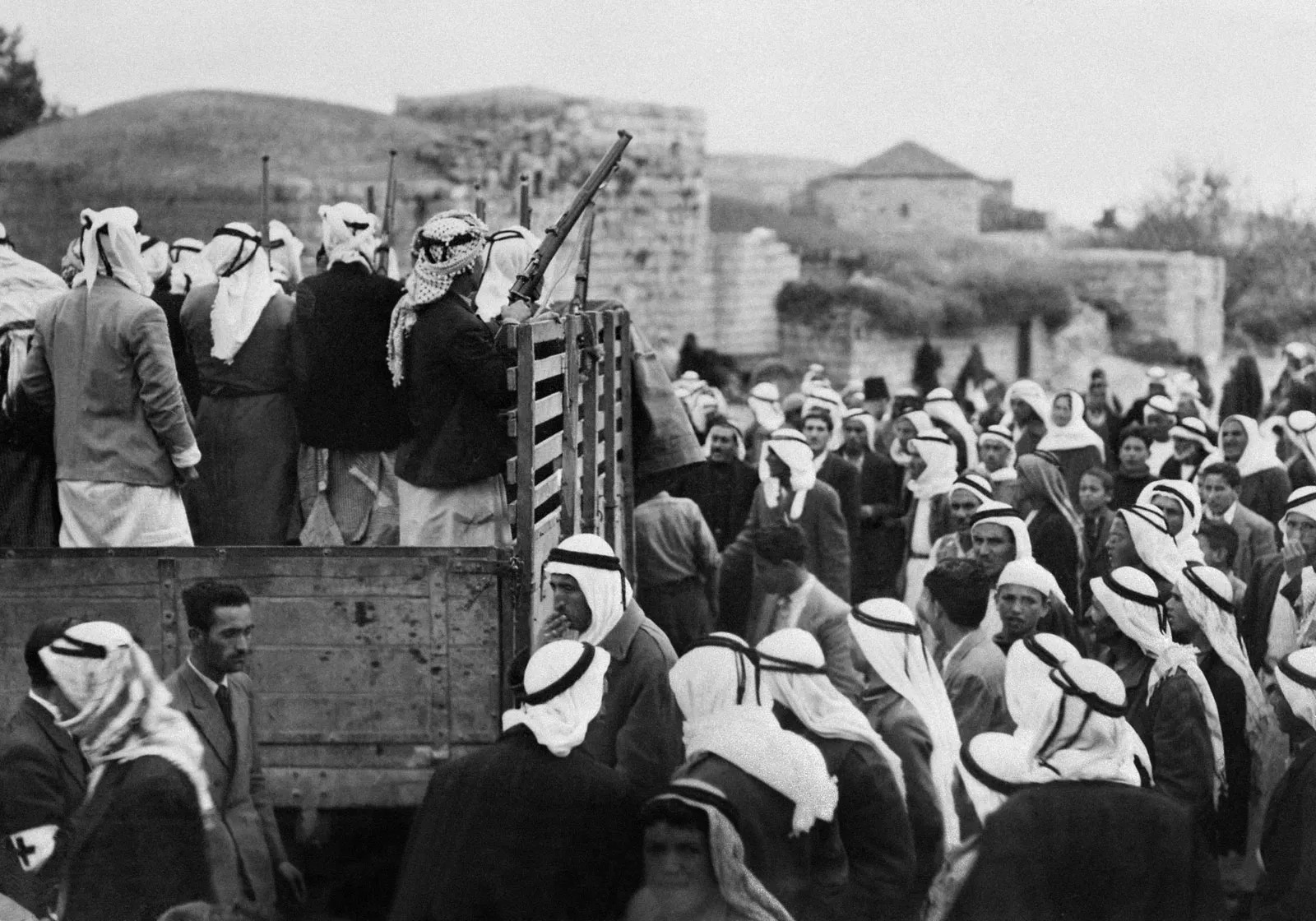
In the aftermath of the mass displacement of Palestinians during the Nakba, the Israeli government enacted the Abandoned Property Ordinance. The ordinance gave the state control over properties belonging to Palestinians who had been expelled or had fled during the conflict. Three days later, the Abandoned Areas Ordinance expanded state control from individual properties to entire areas declared abandoned. These measures became a major turning point in the history of land ownership and property rights in Palestine. They enabled the transfer, use and administration of homes, farmland and other immovable assets left behind by displaced Palestinians, with long lasting consequences for property ownership and urban development in the region. The impact went far beyond individual property transactions. Control over land and buildings determined who could occupy homes, cultivate farmland, operate businesses and influence the future of towns and villages. In practical terms, this legal framework separated many displaced Palestinians from assets that had sustained family livelihoods and local economies for generations. Its legacy remains visible in continuing disputes over ownership, restitution, planning and access to land. For the real estate sector, the episode illustrates how laws governing abandoned property can permanently reshape land records, urban growth patterns and the balance of property rights between communities and the state. It also shows why transparent land registries and safeguards for displaced owners are critical in post conflict reconstruction.
Read More >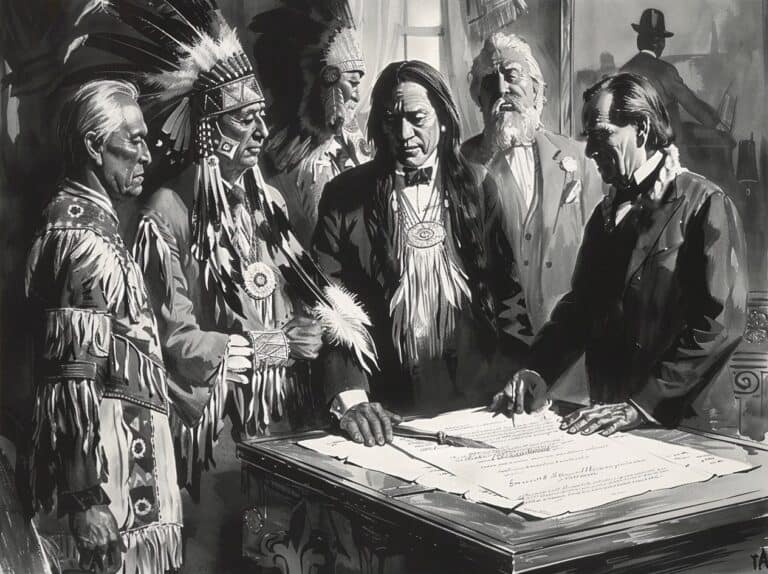
The Indian Reorganization Act, also known as the Wheeler Howard Act, was passed in the United States. The law marked a major shift in federal policy toward Native American lands. It ended the allotment policy that had broken up tribal lands and created a process through which land could be restored to tribal ownership. This made the act an important milestone in land rights, property ownership and self governance.
Read More >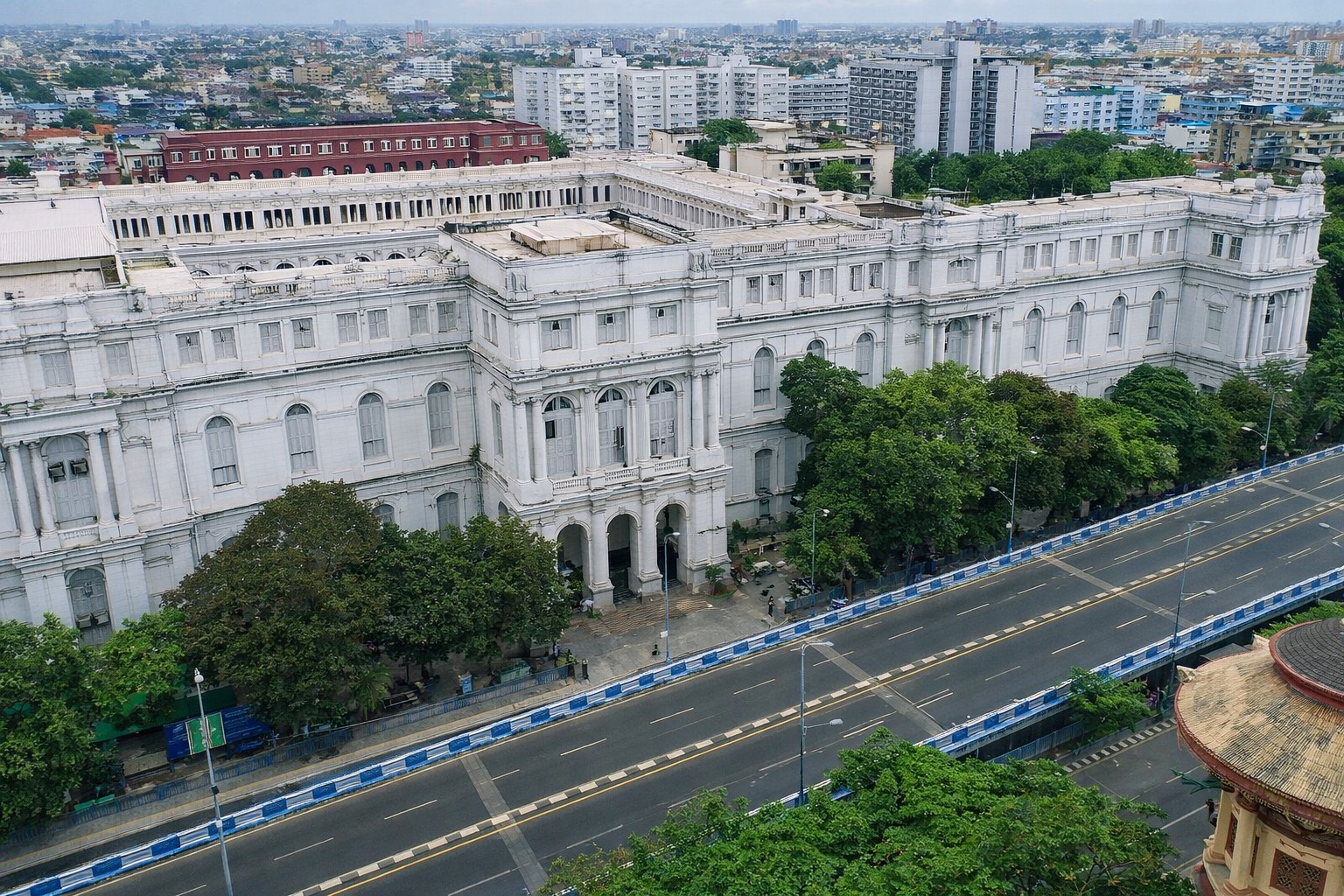
On 2 February, the Indian Museum in Calcutta marks its foundation day. The institution is recognised as the oldest and largest museum in the Indian subcontinent and has played a central role in preserving the region’s architectural legacy, land based civilisations, and archaeological heritage. The history of the museum represents the first organised and systematic effort in the subcontinent to preserve knowledge, antiquities, land related cultures, architecture, and civilisational heritage within a formal institutional framework. The origins of this initiative can be traced to the late eighteenth century, when scholars associated with the Asiatic Society of Bengal had accumulated extensive collections of ancient coins, inscriptions, sculptures, fossils, zoological specimens, botanical samples, and numerous artefacts brought from distant regions. Despite the growing scale and diversity of these collections, no permanent institution existed to house them, record them scientifically, or make them accessible to the public and researchers. This gap led to the emergence of the museum concept. On 2 February 1814, the Danish botanist Nathaniel Wallich formally proposed the establishment of a museum to the Asiatic Society of Bengal, offered his personal collection for this purpose, and assumed responsibility as its first curator in practice. Initially, the museum was accommodated within the premises of the Asiatic Society of Bengal. Over time, however, the collections expanded to such an extent that a separate and more spacious building became essential. The government of the period, operating under the East India Company, allocated more than ten acres of land in the area between Chowringhee Road and Park Street for the construction of a dedicated museum complex. The decision to construct a public museum on such a substantial tract of land during the colonial period was itself significant. It reflected an intention to create not merely an exhibition space, but a comprehensive institution dedicated to knowledge, research, antiquities, and natural history. The architectural plan incorporated multiple galleries, storage facilities, research rooms, and internal courtyards, arranged according to functional and scholarly requirements. [img:Images/otd-2-feb-2nd.jpeg | desc:] Development of the present neo classical building progressed during the nineteenth century. The name of architect Walter L B Granville appears consistently in credible sources associated with its design. The museum was opened to the public in its current building on 1 April 1878. Although the Indian Museum was formally established in 1814, the building that houses it today became accessible to the public nearly six decades later, in 1878. The scope of the collections preserved within the museum is so extensive that it is more accurately described as a convergence of multiple disciplines rather than a single subject institution. Its principal identity is shaped by holdings in archaeology, ancient sculpture, numismatics, epigraphy, and civilisational artefacts, alongside a substantial natural history collection that includes fossils and biological specimens. Among the most widely recognised objects of public interest are the ancient Egyptian mummy displayed in the Egyptian gallery and the stone railings of the Bharhut Stupa, together with other significant Buddhist remains regarded as internationally important. In the field of collection care, the institution has moved beyond traditional security measures towards systematic conservation, documentation, and scientific preservation. Its internal documentation includes conservation guidelines and structured upgrade frameworks, indicating sustained efforts to improve standards of collection management. Government audits and institutional reports also refer to administrative structures, trustee systems, and planned upgrades, suggesting that the museum operates as an autonomous institution under state oversight. The historical importance of the museum lies not only in its status as the oldest museum in the subcontinent, but also in its role in institutionalising the practices of collecting, cataloguing, and presenting antiquities, archaeological material, and scientific specimens as part of public knowledge. For this reason, it remains a central reference point for understanding the architectural and land history of the subcontinent, patterns of urban development, colonial era knowledge policy, and the formation of regional cultural capital. The museum continues to function actively and observes its foundation day each year on 2 February. In recent years, reports of special exhibitions and thematic programmes have continued to emerge, reflecting the continuity of its public engagement and educational role. At the same time, public discourse has drawn attention to challenges related to the age of the building, maintenance requirements, and the need to meet contemporary standards. The present condition of the institution is therefore best understood as that of a historic establishment which, despite its stature and collections, remains under constant pressure for restoration, upgrading, and advanced conservation. The Indian Museum was the first institution in the subcontinent to be established on the formal concept of a museum, where antiquities, archaeological material, natural history specimens, and scientific objects were systematically collected, recorded, and made accessible to the public and researchers. Prior to this, royal treasuries, private collections, and religious sites did preserve valuable objects, but these did not qualify as museums due to the absence of scientific documentation and public access. On this basis, the Indian Museum is recognised in authoritative historical sources as the first museum of the subcontinent.
Read More >