
Syed Shayan Real Estate Archive
Syed Shayan Real Estate Archive
From Real Estate History
2 Historical Event found

On June 17, 1885, the Statue of Liberty arrived in New York Harbor from France aboard the French ship Isère. The statue was sent in more than 200 crates as a gift from the people of France to the United States, symbolizing freedom, democracy, and friendship between the two nations. After its arrival, the statue was assembled on Bedloe’s Island, now known as Liberty Island, and was officially dedicated on October 28, 1886.
Read More >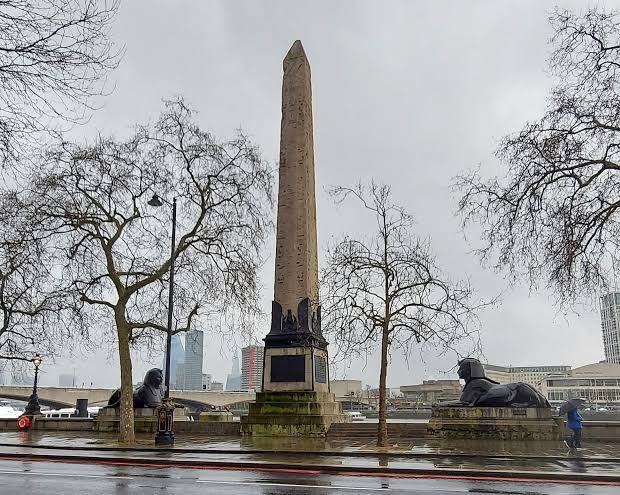
London:On 21 January 1878, the ancient Egyptian stone obelisk known as Cleopatra’s Needle formally became part of London’s public and urban landscape. On this date, the monument was opened to the public following its complete installation at Victoria Embankment on the banks of the River Thames. The obelisk was originally created around 1450 BC in the Egyptian city of Heliopolis. It was later presented by Egypt to Britain as a diplomatic gift. Although the transportation of the monument from Egypt to London and its final installation took many years, 21 January 1878 marks the moment when it was officially recognised as a permanent monument on public land in London. At the time, Victoria Embankment represented one of London’s most modern urban development projects. The installation of Cleopatra’s Needle elevated the area beyond its function as a roadway and riverbank, transforming it into a site of historical and cultural significance and enhancing the symbolic value of the surrounding land. In ancient Egyptian civilisation, the obelisk represented royal authority, state order, and religious belief. It was created during the reign of Pharaoh Thutmose III, and its inscriptions commemorate powerful rulers, their military victories, and their association with the gods. Such monuments were traditionally erected in major cities and royal or religious centres to publicly assert the authority and prestige of the state. The monument became known as Cleopatra’s Needle because, in antiquity, it was relocated to Alexandria and placed near a site believed to be close to Cleopatra’s palace. Later European visitors were more familiar with Cleopatra than with earlier pharaohs and began referring to the obelisk by her name. In reality, Cleopatra neither commissioned the monument nor had any direct association with it. The name endured due to its familiarity and association with a well known historical figure and was later retained in London and other countries.
Read More >