
Syed Shayan Real Estate Archive
Syed Shayan Real Estate Archive
From Real Estate History
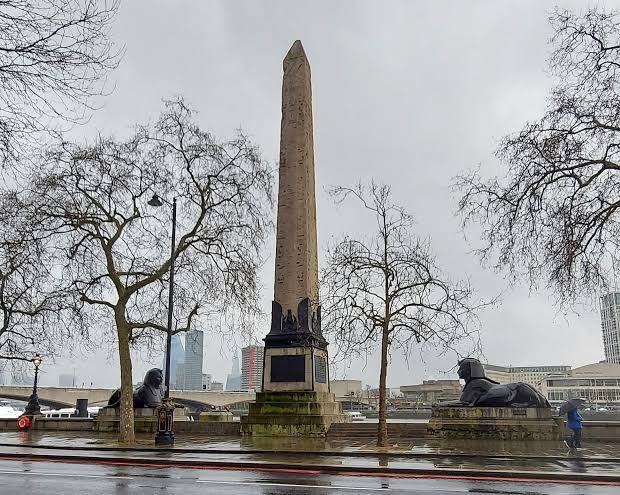
London:On 21 January 1878, the ancient Egyptian stone obelisk known as Cleopatra’s Needle formally became part of London’s public and urban landscape. On this date, the monument was opened to the public following its complete installation at Victoria Embankment on the banks of the River Thames.
The obelisk was originally created around 1450 BC in the Egyptian city of Heliopolis. It was later presented by Egypt to Britain as a diplomatic gift. Although the transportation of the monument from Egypt to London and its final installation took many years, 21 January 1878 marks the moment when it was officially recognised as a permanent monument on public land in London.
At the time, Victoria Embankment represented one of London’s most modern urban development projects. The installation of Cleopatra’s Needle elevated the area beyond its function as a roadway and riverbank, transforming it into a site of historical and cultural significance and enhancing the symbolic value of the surrounding land.
In ancient Egyptian civilisation, the obelisk represented royal authority, state order, and religious belief. It was created during the reign of Pharaoh Thutmose III, and its inscriptions commemorate powerful rulers, their military victories, and their association with the gods. Such monuments were traditionally erected in major cities and royal or religious centres to publicly assert the authority and prestige of the state.
The monument became known as Cleopatra’s Needle because, in antiquity, it was relocated to Alexandria and placed near a site believed to be close to Cleopatra’s palace. Later European visitors were more familiar with Cleopatra than with earlier pharaohs and began referring to the obelisk by her name. In reality, Cleopatra neither commissioned the monument nor had any direct association with it. The name endured due to its familiarity and association with a well known historical figure and was later retained in London and other countries.
▪️Syed Shayan Real Estate Archive
▪ Reference(s):
لندن: 21 جنوری 1878 کو قدیم مصر سے تعلق رکھنے والا مشہور پتھریلا ستون Cleopatra’s Needle باضابطہ طور پر لندن کے شہری اور عوامی علاقے کی زینت بن گیا۔ اس دن یہ ستون دریائے ٹیمز کے کنارے واقع Victoria Embankment پر مکمل طور پر نصب ہونے کے بعد عوام کے لیے کھول دیا گیا۔
یہ ستون تقریباً 1450 قبل مسیح میں مصر کے شہر ہلیوپولس میں بنایا گیا تھا۔ بعد میں مصر نے اسے برطانیہ کو تحفے کے طور پر دیا۔ اگرچہ اس ستون کو مصر سے لندن لانے اور یہاں نصب کرنے میں کئی سال لگے، لیکن 21 جنوری 1878 وہ دن ہے جب اسے عملی طور پر لندن کی عوامی زمین پر ایک مستقل یادگار کے طور پر تسلیم کیا گیا۔
اس وقت Victoria Embankment لندن کے جدید شہری منصوبوں میں شمار ہوتا تھا۔ Cleopatra’s Needle کی تنصیب سے یہ علاقہ صرف سڑک اور دریا تک محدود نہ رہا بلکہ ایک تاریخی اور ثقافتی مقام بن گیا، جس سے اس زمین کی اہمیت اور پہچان میں اضافہ ہوا۔
قدیم مصری تہذیب میں یہ ستون Cleopatra’s Needle مصر کی شاہی طاقت، ریاستی نظم اور مذہبی عقیدے کی علامت تھا۔ اسے تقریباً 1450 قبل مسیح میں فرعون تحتمس سوم کے دور میں بنایا گیا اور اس پر کندہ تحریریں مصر کے طاقتور فرعونوں، ان کی فتوحات اور دیوتاؤں سے وابستگی کو ظاہر کرتی ہیں۔ ایسے ستون اس دور میں اہم شہروں، مذہبی مراکز اور شاہی مقامات پر نصب کیے جاتے تھے تاکہ ریاست کی عظمت سب کے سامنے رہے۔
یہ ستون قلوپطرہ کے نام سے اس لیے مشہور ہوا کیونکہ جب اسے قدیم زمانے میں مصر کے شہر اسکندریہ میں رکھا گیا تو وہ جگہ قلوپطرہ کے محل کے قریب سمجھی جاتی تھی۔ بعد میں جب یورپی لوگ مصر آئے تو وہ فرعونوں کے ناموں سے زیادہ قلوپطرہ کو جانتے تھے، اس لیے انہوں نے اس قدیم ستون کو اسی کے نام سے پکارنا شروع کر دیا۔ حالانکہ حقیقت یہ ہے کہ قلوپطرہ نے نہ یہ ستون بنوایا تھا اور نہ اس کا اس سے کوئی براہ راست تعلق تھا۔ یہ نام صرف آسان پہچان اور مشہور شخصیت کی وجہ سے رائج ہو گیا اور پھر یہی نام لندن اور دوسرے ملکوں میں بھی محفوظ رہ گیا۔
▪️ سید شایان ریئل اسٹیٹ آرکائیو
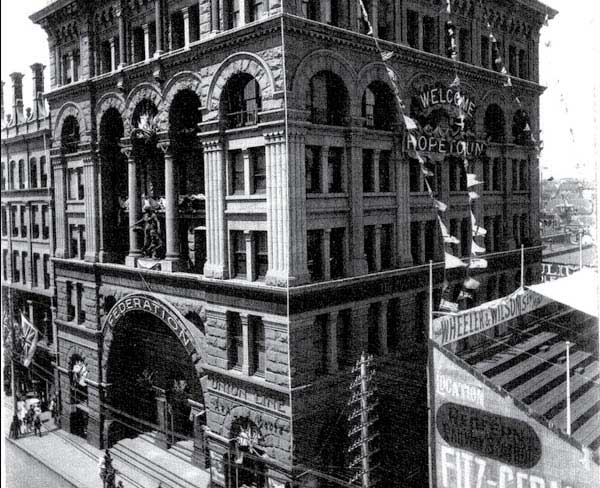
On October 22, 1888, pioneering building height limitation laws were enacted in major cities, establishing the first formal restrictions on building elevations. These regulations emerged as concerns grew about overcrowding, fire safety, and sunlight access in rapidly developing urban centers. The laws typically limited buildings to 6-8 stories, add...
Read More →
On November 7, 1851, the British colonial administration formally established the Lahore Cantonment one of the earliest planned military civil settlements in northern India. The decision, approved by the East India Company, followed the annexation of Punjab in 1849 and reflected the British strategy of securing administrative and military control t...
Read More →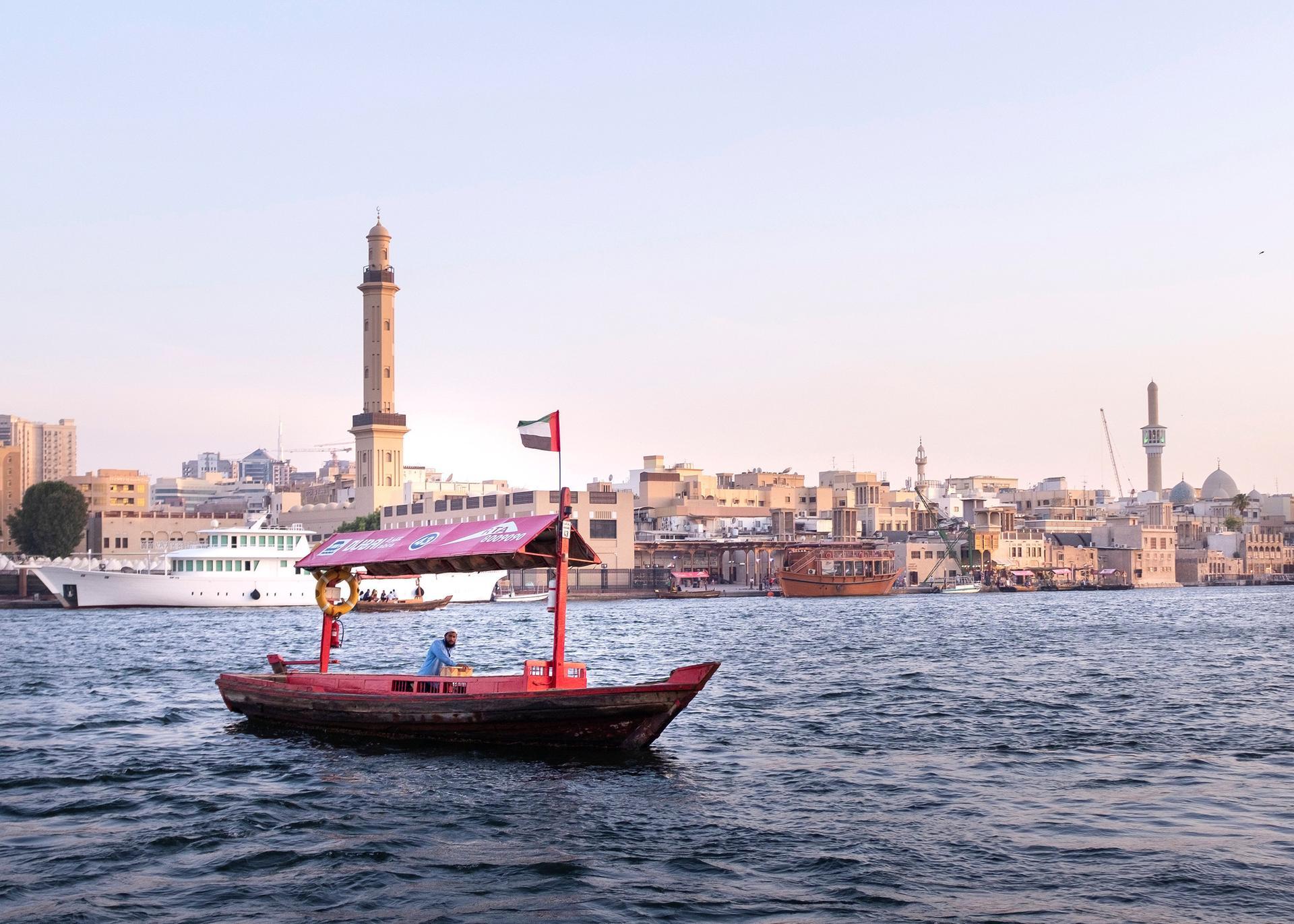
On November 8, 1977, Sheikh Rashid bin Saeed Al Maktoum officially launched the Dubai Creek Expansion Project a defining moment in the city’s urban history that laid the foundation for Dubai’s modern real estate model. The project aimed to deepen and extend the natural creek to allow large cargo ships to enter, transforming Dubai from a small t...
Read More →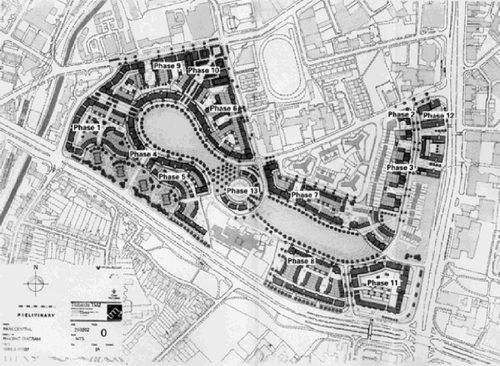
In October 1939, as the clouds of the Second World War gathered over the Indian subcontinent, Lahore stood as the administrative and military heart of British Punjab, a thriving center of commerce, governance, and mobility. During this critical moment, the Punjab Government declared Lahore a War Time Urban Zone and instructed the Lahore Improvement...
Read More →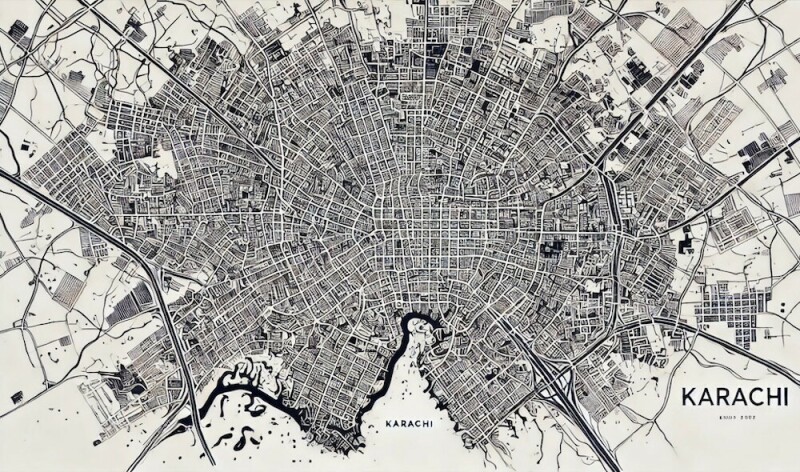
On October 11, 1955, the Federal Cabinet of Pakistan approved the formation of the Karachi Development Authority (KDA) Master Plan Unit, marking the beginning of the country’s first metropolitan level planning institution. This landmark decision came during a period of rapid urban growth as Karachi evolved into the economic and administrative cen...
Read More →
The acquisition of land for the Model Town Society was one of the most remarkable and spirited chapters in its early history. Dewan Khem Chand and his...

Between 1921 and 1924, the land for Model Town Lahore was acquired in successive phases. The process began in 1921, shortly after the establishment of...
No comments yet. Be the first to comment!