
Syed Shayan Real Estate Archive
Syed Shayan Real Estate Archive
From Real Estate History
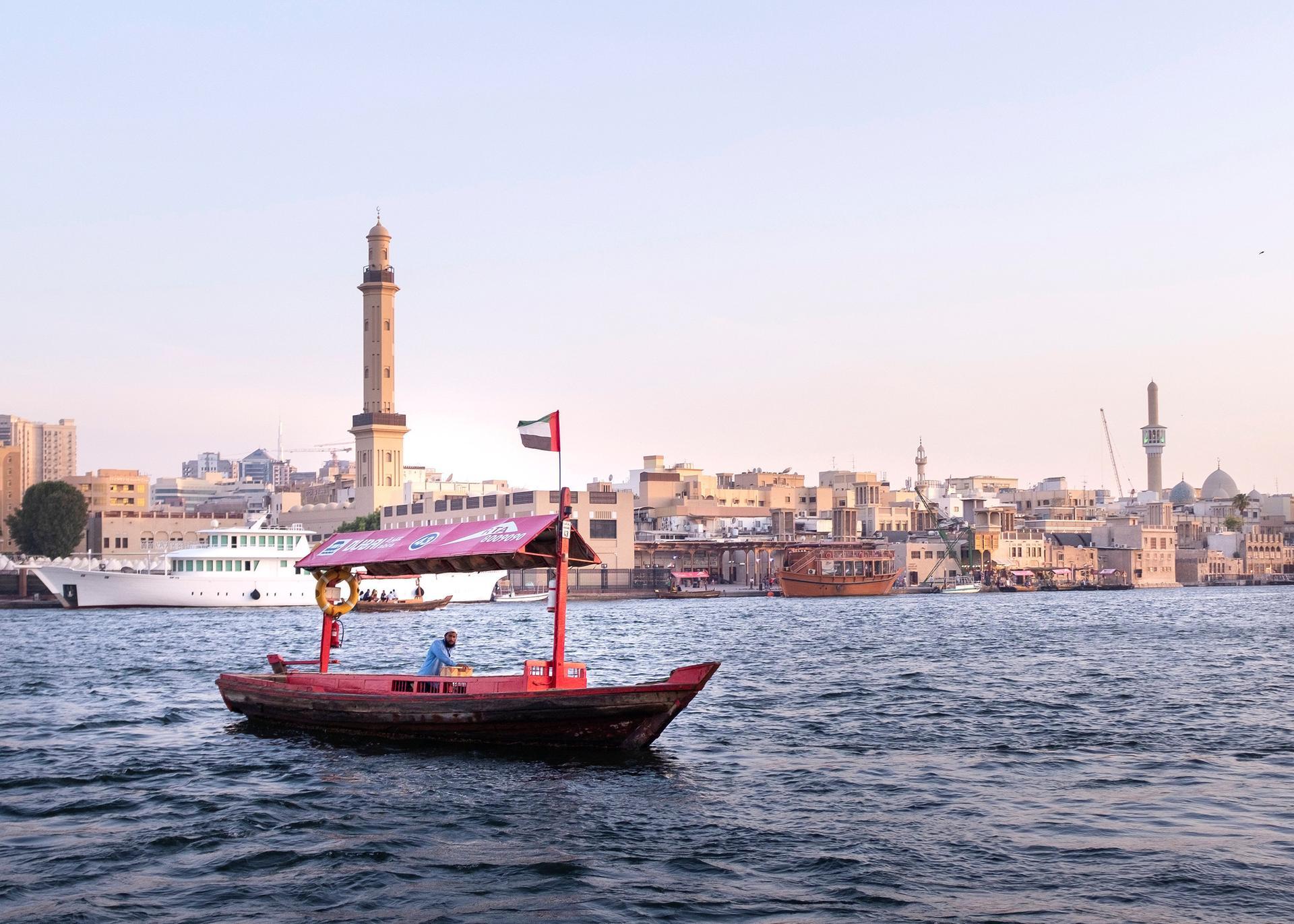
On November 8, 1977, Sheikh Rashid bin Saeed Al Maktoum officially launched the Dubai Creek Expansion Project a defining moment in the city’s urban history that laid the foundation for Dubai’s modern real estate model. The project aimed to deepen and extend the natural creek to allow large cargo ships to enter, transforming Dubai from a small trading town into a regional commercial hub. Funded by oil revenues and international loans, the project introduced large-scale land reclamation, dredging, and port infrastructure, creating new commercial and residential plots along the expanded creek. This initiative represented the first modern integration of public infrastructure with private land development in the UAE. The reclaimed zones quickly became home to warehouses, offices, and housing, attracting both local and foreign investors. Sheikh Rashid’s urban vision emphasized diversification beyond oil turning real estate into a driver of economic growth. The success of the Creek project inspired later megadevelopments such as Jebel Ali Port (1979) and Dubai Marina (1998). In retrospect, it marked the birth of Dubai’s real estate-driven urban identity, combining strategic state planning, global investment, and architectural ambition. The project’s long-term impact reshaped Dubai’s economy, positioning land and property as central instruments of national development and global branding.
▪ Reference(s):
8 نومبر 1977 کو شیخ راشد بن سعید المکتوم نے دبئی کریک توسیعی منصوبے کا باضابطہ آغاز کیا — یہ شہر کی شہری تاریخ کا ایک فیصلہ کن لمحہ تھا جس نے دبئی کے جدید رئیل اسٹیٹ ماڈل کی بنیاد رکھی۔ اس منصوبے کا مقصد کریک کو گہرا اور طویل کر کے بڑی کارگو جہازوں کی آمدورفت ممکن بنانا تھا تاکہ دبئی ایک چھوٹے تجارتی قصبے سے علاقائی تجارتی مرکز میں تبدیل ہو سکے۔ تیل کی آمدنی اور بین الاقوامی قرضوں سے مالی اعانت یافتہ، اس منصوبے میں زمین کی بازیابی، ڈریجنگ، اور بندرگاہی انفراسٹرکچر شامل تھا، جس کے نتیجے میں توسیع شدہ کریک کے کنارے تجارتی و رہائشی پلاٹس بنائے گئے۔ یہ اقدام متحدہ عرب امارات میں عوامی انفراسٹرکچر اور نجی زمین کی ترقی کا پہلا منظم امتزاج تھا۔ نئے علاقوں میں گودام، دفاتر اور رہائش گاہیں تیزی سے تعمیر ہوئیں، جنہوں نے مقامی اور غیر ملکی سرمایہ کاروں کو متوجہ کیا۔ شیخ راشد کا وژن تیل سے آگے معاشی تنوع پر مبنی تھا — جس میں رئیل اسٹیٹ کو ترقی کا محرک سمجھا گیا۔ کریک منصوبے کی کامیابی نے بعد کے میگا پراجیکٹس جیسے جبل علی پورٹ (1979) اور دبئی مرینا (1998) کو جنم دیا۔ یہ منصوبہ دبئی کی اقتصادی شناخت کے آغاز کی علامت تھا، جس نے زمین، منصوبہ بندی، اور سرمایہ کاری کو قومی ترقی اور عالمی پہچان کا ستون بنا دیا۔

In 1994, the Azad Jammu and Kashmir government initiated the Muzaffarabad Urban Housing Expansion Program the region’s first comprehensive plan to manage population growth and prevent unregulated sprawl. The initiative sought to formalize land use around the Jhelum and Neelum river basins, introduce zoning laws, and develop affordable housing sectors equipped with drainage systems, paved roads, and water supply. NESPAK and the AJK Development Authority jointly drafted the master layout, ensuring construction was adapted to the valley’s complex topography and rainfall. The project represented a paradigm shift from reactive, post-disaster rebuilding toward preventive urban management. For the first time, state planners emphasized seismic resilience, community accessibility, and the preservation of green belts. Although limited in scope due to financial constraints, it established planning standards that would later guide reconstruction after the 2005 earthquake. The Muzaffarabad expansion became a reference model for smaller towns like Bagh and Rawalakot, influencing the region’s housing policy for over a decade.
▪ Reference(s):
1994 میں آزاد جموں و کشمیر حکومت نے مظفرآباد شہری ہاؤسنگ توسیعی منصوبہ شروع کیا — جو اس خطے میں آبادی کے دباؤ اور غیر منصوبہ بند بستوں کے پھیلاؤ کو روکنے کے لیے پہلا جامع منصوبہ تھا۔ اس کا مقصد نیلم اور جہلم دریا کے کناروں پر زمین کے استعمال کو باقاعدہ بنانا، زوننگ قوانین نافذ کرنا، اور نکاسی آب، پختہ سڑکوں اور پانی کی فراہمی کے ساتھ کم لاگت رہائشی سیکٹر قائم کرنا تھا۔ نِسپاک اور آزاد کشمیر ڈیولپمنٹ اتھارٹی نے مشترکہ طور پر ماسٹر پلان تیار کیا، جو وادی کی دشوار گزار زمین اور بارش کے نظام کے مطابق ڈھالا گیا۔ یہ منصوبہ محض تعمیرِ نو نہیں بلکہ پیشگی شہری نظم کا مظہر تھا۔ پہلی بار منصوبہ سازوں نے زلزلہ مزاحم تعمیر، عوامی رسائی، اور سبز پٹیوں کے تحفظ پر زور دیا۔ اگرچہ مالی وسائل کی کمی کے باعث اس کی وسعت محدود رہی، تاہم اس نے وہ اصول وضع کیے جنہوں نے 2005 کے زلزلے کے بعد کی تعمیر نو کی رہنمائی کی۔ مظفرآباد کا یہ ماڈل بعد میں باغ اور راولا کوٹ جیسے چھوٹے شہروں کے لیے بھی ایک رہنما مثال بن گیا۔
On November 8, 1977, Sheikh Rashid bin Saeed Al Maktoum officially launched the Dubai Creek Expansion Project a defining moment in the city’s urban history that laid the foundation for Dubai’s modern real estate model. The project aimed to deepen and extend the natural creek to allow large cargo ships to enter, transforming Dubai from a small t...
Read More →
On November 11, 1952, the Government of Pakistan approved the Karachi Land Reclamation and Port Housing Development Plan to support the growing workforce of Karachi Port and nearby industries. Following independence, Karachi had transformed into a vibrant trade hub with massive migration from across South Asia. However, housing shortages and unsafe...
Read More →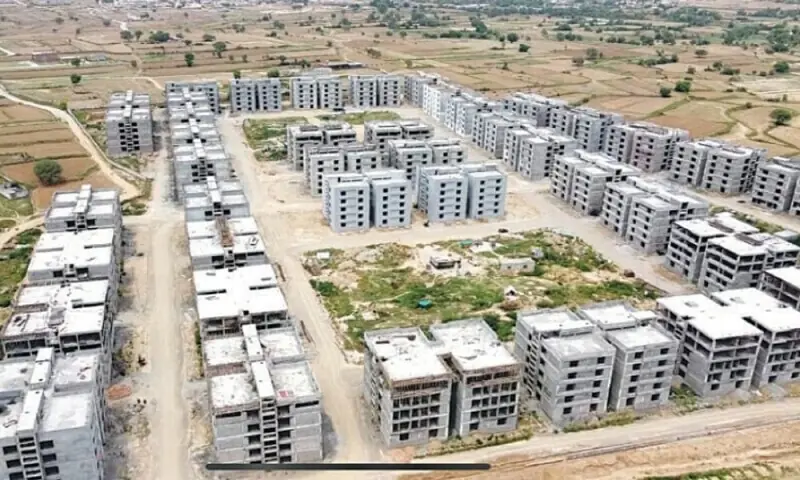
On October 21, 1959, Pakistan launched its first House Building Finance Scheme through the House Building Finance Corporation (HBFC). This initiative aimed to provide affordable housing loans to the middle class at subsidized interest rates. The scheme significantly boosted residential construction in urban areas and enabled thousands of families t...
Read More →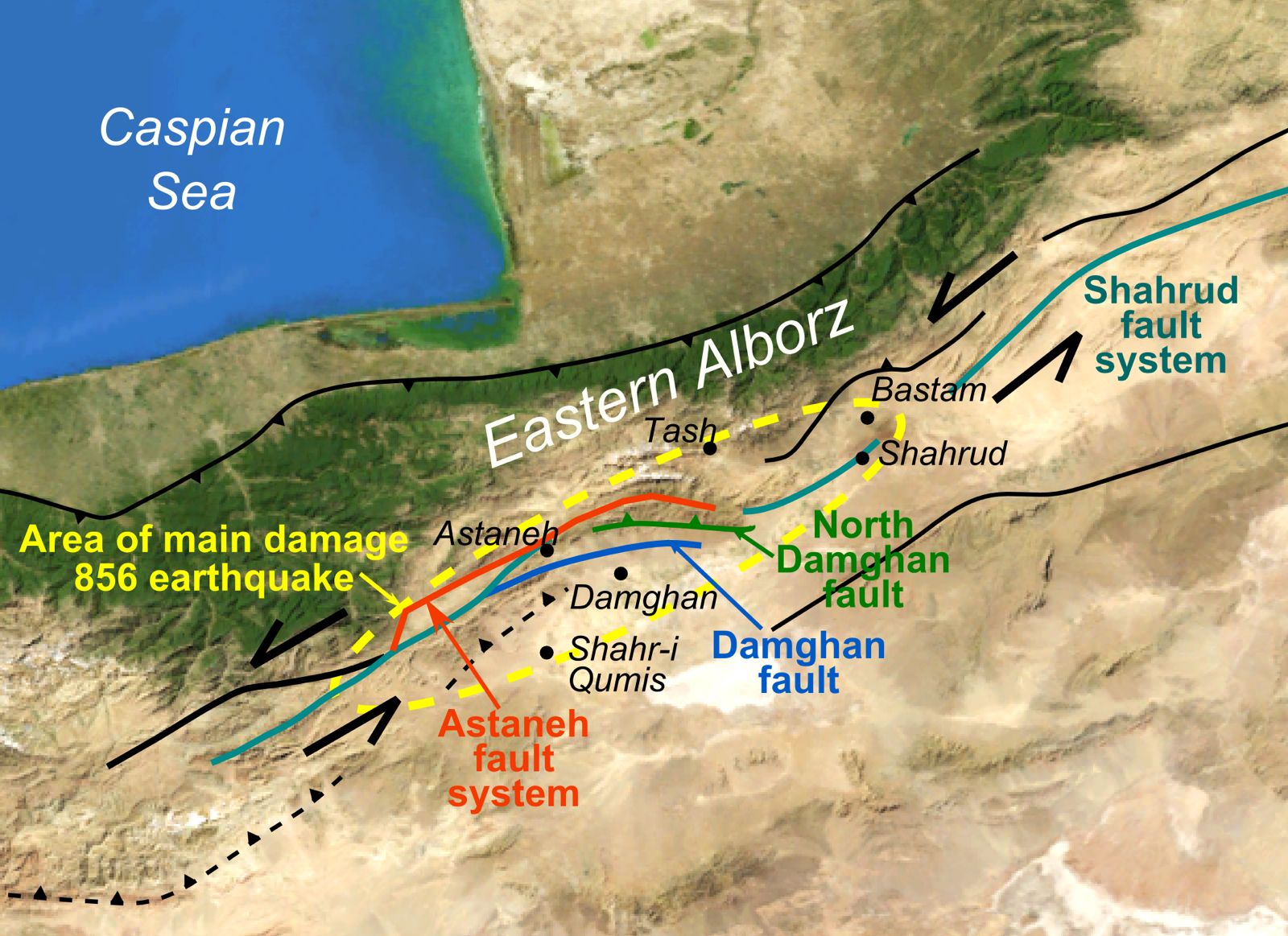
Approximately 1,169 years ago, on 22 December 856 AD, a devastating earthquake struck the city of Damghan and its surrounding areas in the northern region of Qumis in Persia, present day Iran. Contemporary historical accounts and later scholarly records agree that this earthquake ranks among the most destructive natural disasters in human history i...
Read More →On 26 November 1947 the Government of West Punjab completed its first major survey of Evacuee Property, documenting thousands of abandoned agricultural lands urban buildings and industrial units left behind during the mass migration of Partition. The survey established the first verified list of transferable assets that could be allocated to incomi...
Read More →
The acquisition of land for the Model Town Society was one of the most remarkable and spirited chapters in its early history. Dewan Khem Chand and his...
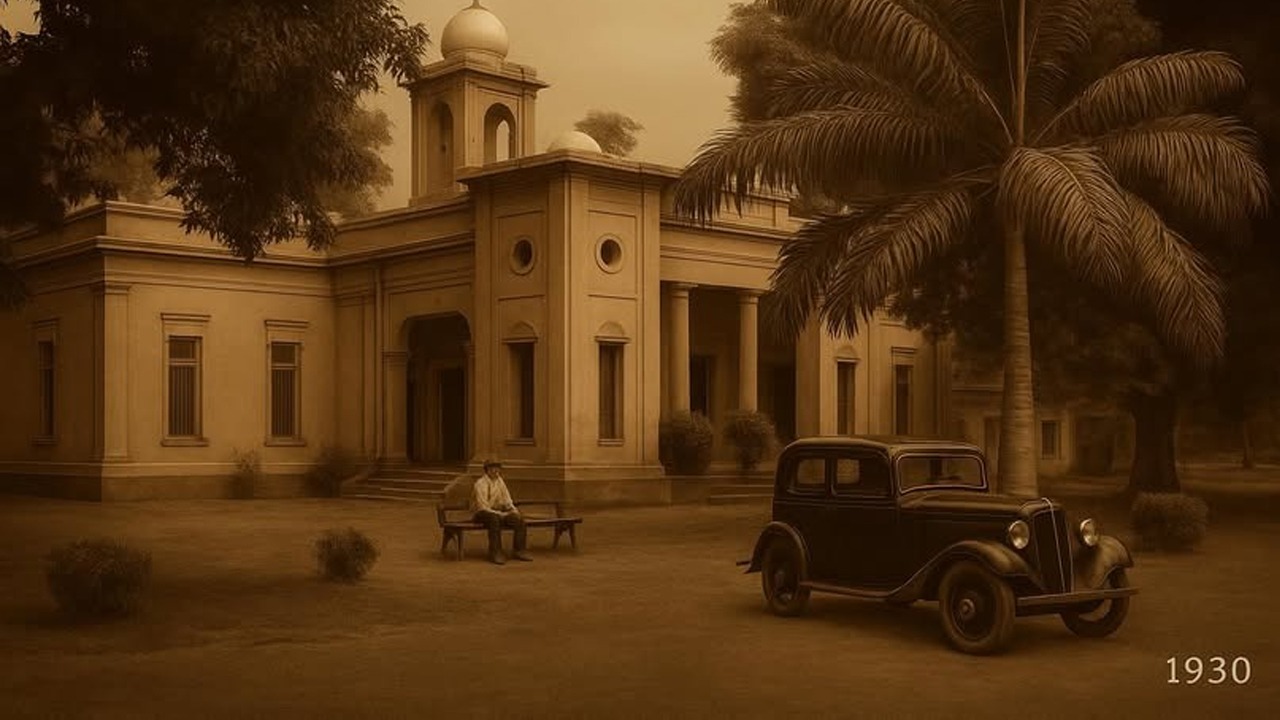
Between 1921 and 1924, the land for Model Town Lahore was acquired in successive phases. The process began in 1921, shortly after the establishment of...
No comments yet. Be the first to comment!