
Syed Shayan Real Estate Archive
Syed Shayan Real Estate Archive
From Real Estate History

On November 9, 1989, the fall of the Berlin Wall triggered one of the most transformative urban renewal movements in modern Europe. East Berlin’s neglected housing blocks, relics of socialist planning, were rapidly integrated into a unified national redevelopment agenda. The German government launched a multi-billion-mark program to restore apartments, modernize public utilities, and attract Western investment. Thousands of residential buildings were refurbished, and private ownership laws were restructured to encourage mixed housing and market liberalization. Berlin’s reconstruction became a model for post socialist urban reinvention, combining historic preservation with modern architecture. The housing initiatives of the early 1990s reshaped both the skyline and the social fabric, turning abandoned districts into thriving neighborhoods. Urban scholars cite the event as the rebirth of Berlin’s real estate identity a city redefined by openness, creativity, and renewal. The fall of the Wall thus became not only a political revolution but also a catalyst for Europe’s most ambitious real estate transformation of the 20th century.
▪ Reference(s):
9 نومبر 1989 کو برلن کی دیوار کے گرنے نے جدید یورپ کی سب سے بڑی شہری بحالی کی تحریک کو جنم دیا۔ مشرقی برلن کے بوسیدہ رہائشی بلاکس، جو سوشلسٹ دور کی منصوبہ بندی کی باقیات تھے، کو قومی تعمیرِ نو کے متحد منصوبے میں شامل کیا گیا۔ جرمن حکومت نے اربوں مارک کا پروگرام شروع کیا جس کے تحت اپارٹمنٹس کی مرمت، بنیادی سہولیات کی بہتری، اور مغربی سرمایہ کاری کے فروغ پر کام کیا گیا۔ ہزاروں رہائشی عمارتوں کو ازسرِنو آباد کیا گیا اور نجی ملکیت کے قوانین میں اصلاحات کی گئیں تاکہ متنوع رہائشی نظام اور منڈی کی آزادی کو فروغ دیا جا سکے۔ برلن کی تعمیرِ نو کو بعد از سوشلسٹ شہری احیاء کی ایک مثال سمجھا جاتا ہے، جہاں تاریخی ورثہ اور جدید طرزِ تعمیر کو یکجا کیا گیا۔ 1990 کی دہائی کے اوائل میں شروع ہونے والے رہائشی منصوبوں نے نہ صرف شہر کی شکل بلکہ اس کے سماجی ڈھانچے کو بھی بدل دیا۔ ماہرین کے مطابق یہ لمحہ برلن کی رئیل اسٹیٹ شناخت کی نئی پیدائش تھا — ایک ایسا شہر جو کھلے پن، تخلیق، اور بحالی کی علامت بن گیا۔ اس طرح دیوار کا گرنا محض سیاسی نہیں بلکہ 20ویں صدی کی سب سے بڑی رئیل اسٹیٹ تبدیلی کا آغاز تھا۔

On November 9, 1996, the Lahore Development Authority (LDA) initiated the Shahdara Low Income Housing Project to address rising urban population pressures and informal settlements. The 500-acre development along the Ravi River’s northern bank offered over 3,000 small residential plots for low- and middle-income families. LDA prioritized infrastructure before allocation, completing drainage systems, paved streets, electricity, and water supply networks. A transparent balloting system ensured fair distribution and reduced political interference. The initiative aimed to decongest central Lahore and provide affordable, serviced plots near industrial and transport zones. Despite funding delays in the late 1990s, the project’s phased implementation in the 2000s transformed northern Lahore into a structured residential corridor. Urban planners later viewed Shahdara’s scheme as a milestone in Lahore’s real estate evolution one that bridged public planning and social housing needs. The project demonstrated how organized low-income housing could drive inclusive urban growth and reduce informal sprawl, influencing later ventures such as Jubilee Town and LDA Avenue.
▪ Reference(s):
9 نومبر 1996 کو لاہور ڈویلپمنٹ اتھارٹی (ایل ڈی اے) نے شاہدرہ لو اِنکم ہاؤسنگ منصوبے کا آغاز کیا تاکہ بڑھتی ہوئی آبادی اور غیر منصوبہ بند بستیوں کے مسئلے کو حل کیا جا سکے۔ دریائے راوی کے شمالی کنارے پر 500 ایکڑ پر پھیلا یہ منصوبہ کم اور درمیانی آمدنی والے خاندانوں کے لیے 3,000 سے زائد چھوٹے رہائشی پلاٹس پر مشتمل تھا۔ ایل ڈی اے نے پلاٹوں کی الاٹمنٹ سے قبل نکاسی آب، پختہ سڑکوں، بجلی اور پانی کے نظام کی تکمیل کو ترجیح دی۔ پلاٹوں کی تقسیم کے لیے شفاف قرعہ اندازی کا نظام متعارف کرایا گیا تاکہ سیاسی مداخلت سے بچا جا سکے۔ اس منصوبے کا مقصد مرکزی لاہور پر دباؤ کم کرنا اور صنعتی و ٹرانسپورٹ زون کے قریب سستی اور منظم رہائش فراہم کرنا تھا۔ اگرچہ 1990 کی دہائی کے آخر میں فنڈنگ کے مسائل نے ترقی کو سست کر دیا، لیکن 2000 کی دہائی میں اس کے مختلف مراحل کی تکمیل نے شمالی لاہور کو منظم رہائشی کوریڈور میں تبدیل کر دیا۔ منصوبہ سازوں نے بعد میں شاہدرہ اسکیم کو لاہور کے رئیل اسٹیٹ ارتقاء میں ایک سنگِ میل قرار دیا — جو عوامی منصوبہ بندی اور سماجی رہائش کی ضرورتوں کے درمیان ایک پل ثابت ہوئی۔
On November 12, 1892, the British Municipal Authority of Karachi approved the Frere Town Housing Project, one of the earliest organized residential developments in the region. The project was designed to house civil servants and merchants near the port area, introducing planned streets, drainage systems, and masonry housing. It marked a turning poi...
Read More →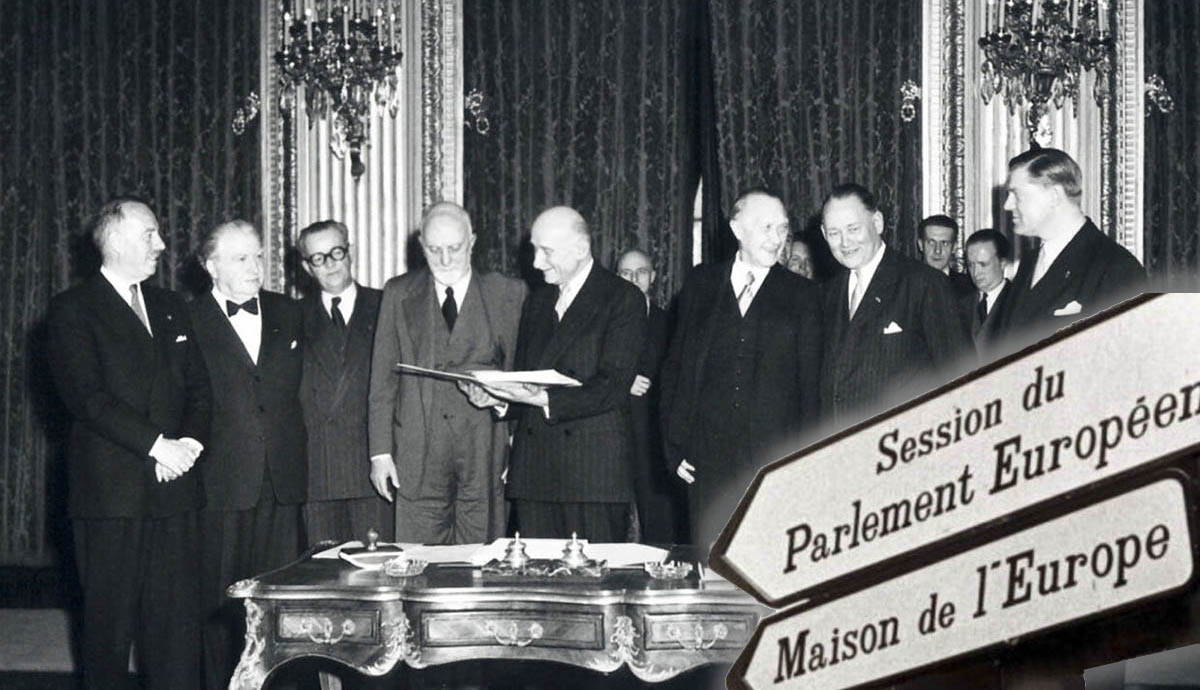
On November 1, 1993, the Maastricht Treaty officially established the European Union (EU), marking a transformative milestone in modern political and economic history. The agreement brought together 12 European nations under a unified structure, fostering economic cooperation, shared governance, and collective security. It introduced the concept of...
Read More →On November 23, 1971, the United Nations General Assembly convened an urgent session in New York to address the rapidly escalating humanitarian crisis in South Asia. Millions of civilians were displaced due to violent conflict, prompting intense debate among UN member states over emergency relief mechanisms, protection for refugees, and potential d...
Read More →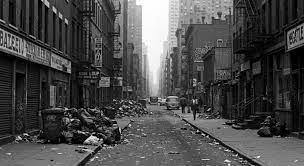
On October 30, 1975, New York City narrowly averted financial catastrophe when President Gerald Ford authorized crucial federal loan guarantees, preventing complete municipal bankruptcy that would have devastated the city's real estate market. The escalating financial crisis had threatened to halt all essential municipal services and construction p...
Read More →
On October 27, 1994, the Federal Reserve's aggressive interest rate hikes significantly pressured the US housing market, demonstrating the powerful connection between monetary policy and real estate activity. The series of rate increases throughout 1994 translated directly into higher mortgage rates, slowing home sales, reducing refinancing activit...
Read More →
The acquisition of land for the Model Town Society was one of the most remarkable and spirited chapters in its early history. Dewan Khem Chand and his...
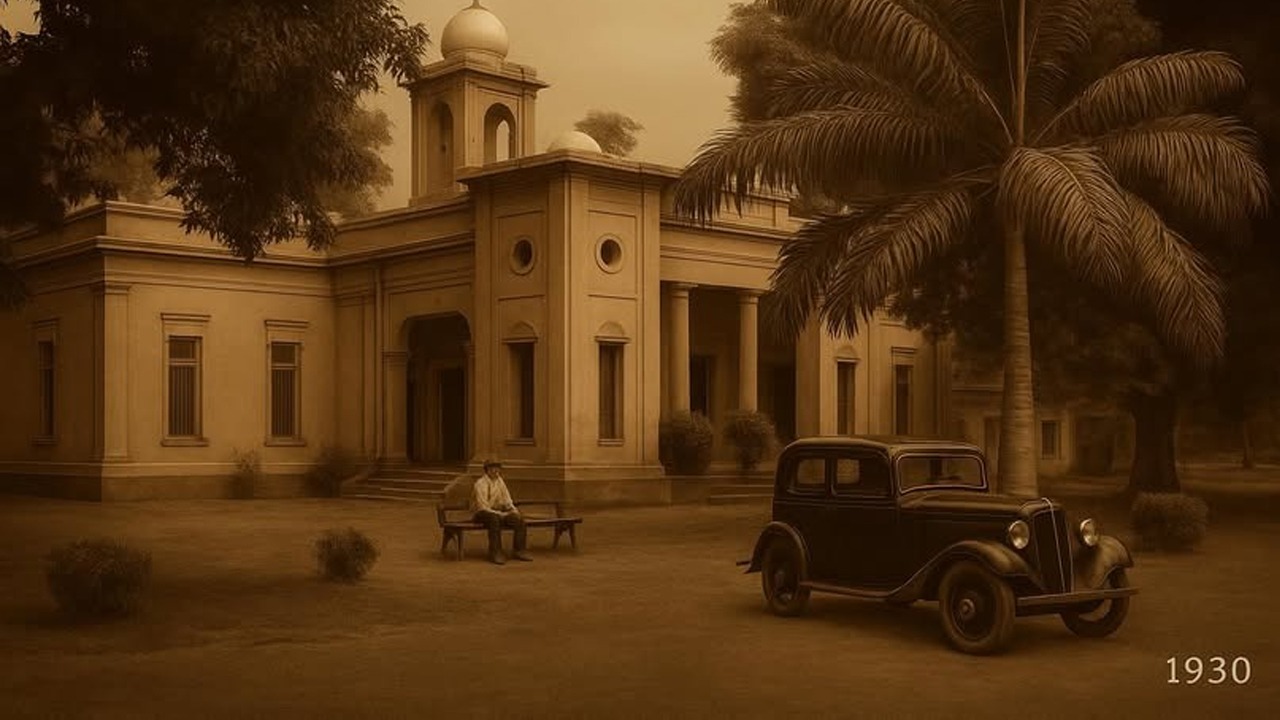
Between 1921 and 1924, the land for Model Town Lahore was acquired in successive phases. The process began in 1921, shortly after the establishment of...
No comments yet. Be the first to comment!