
Syed Shayan Real Estate Archive
Syed Shayan Real Estate Archive
From Real Estate History

On November 12, 1885, Paris initiated a large-scale suburban expansion project inspired by Baron Haussmann’s earlier urban reforms. The French government sought to manage rapid industrial growth and population pressure by extending planned boulevards and housing layouts beyond the city walls. The expansion included public transport integration, water supply systems, and multi-story worker housing complexes. The model combined aesthetics with efficiency, creating wide roads, uniform building facades, and green public squares. This initiative not only redefined European urbanism but also became a blueprint for colonial planners in Asia and Africa. It established the modern concept of zoning by separating residential, industrial, and commercial areas while maintaining harmony through architecture. The Paris suburban expansion set a precedent for the modern city planning that influenced Lahore, Bombay, and Cairo in the early 20th century.
▪ Reference(s):
12 نومبر 1885 کو پیرس میں ہاسمن کی شہری اصلاحات سے متاثر ہو کر ایک بڑے پیمانے پر مضافاتی توسیعی منصوبے کا آغاز کیا گیا۔ فرانسیسی حکومت نے صنعتی ترقی اور بڑھتی ہوئی آبادی کو منظم کرنے کے لیے شہر کی دیواروں سے باہر منصوبہ بند سڑکیں اور رہائشی بلاکس تعمیر کرنے کا فیصلہ کیا۔ اس منصوبے میں پبلک ٹرانسپورٹ، پانی کی فراہمی، اور مزدوروں کے لیے کئی منزلہ رہائشی عمارتیں شامل تھیں۔ ہاسمن طرز کی یہ توسیع خوبصورتی اور افادیت کا امتزاج تھی، جس میں کشادہ شاہراہیں، یکساں عمارتوں کے محاذ، اور سبز عوامی مقامات شامل تھے۔ اس اقدام نے نہ صرف یورپ میں شہری ترقی کی نئی تعریف قائم کی بلکہ ایشیا اور افریقہ کے نوآبادیاتی منصوبہ سازوں کے لیے بھی ایک نمونہ فراہم کیا۔ پیرس کی یہ مضافاتی توسیع جدید زوننگ کے تصور کی بنیاد بنی جس نے رہائشی، صنعتی اور تجارتی علاقوں کو الگ کرتے ہوئے شہری ہم آہنگی برقرار رکھی۔ اس ماڈل نے بعد میں لاہور، بمبئی اور قاہرہ جیسے شہروں کی منصوبہ بندی پر گہرا اثر ڈالا۔
On November 12, 1892, the British Municipal Authority of Karachi approved the Frere Town Housing Project, one of the earliest organized residential developments in the region. The project was designed to house civil servants and merchants near the port area, introducing planned streets, drainage systems, and masonry housing. It marked a turning point in Karachi’s transition from a trading port to a structured colonial city. The use of stone and lime construction gave the area a distinct architectural identity that influenced later neighborhoods such as Saddar and Clifton. The Frere Town initiative became a model for mixed-class urban development, providing both bungalows and smaller cottages within a shared civic layout. Historians consider it one of South Asia’s first examples of formal urban real estate planning, where social order and sanitation were key design priorities. The legacy of this plan can still be traced in Karachi’s urban grid and heritage zones.
▪ Reference(s):
12 نومبر 1892 کو برطانوی بلدیاتی اتھارٹی نے کراچی کے فریر ٹاؤن ہاؤسنگ منصوبے کی منظوری دی، جو اس خطے کے ابتدائی منظم رہائشی منصوبوں میں سے ایک تھا۔ اس منصوبے کا مقصد بندرگاہ کے قریب سرکاری اہلکاروں اور تاجروں کے لیے رہائش فراہم کرنا تھا۔ اس میں منصوبہ بند سڑکیں، نکاسی آب کا نظام، اور پتھر کی بنی ہوئی عمارتیں شامل تھیں۔ یہ منصوبہ کراچی کے تجارتی بندرگاہ سے ایک منظم نوآبادیاتی شہر میں تبدیل ہونے کا اہم سنگ میل ثابت ہوا۔ فریر ٹاؤن کے ڈیزائن نے صدر اور کلفٹن جیسے بعد کے علاقوں کی طرز تعمیر پر گہرا اثر ڈالا۔ اس نے مختلف معاشرتی طبقات کے لیے مشترکہ شہری منصوبہ بندی کا تصور پیش کیا، جہاں بڑے بنگلوں کے ساتھ چھوٹے مکانات بھی ایک ہی ترتیب میں شامل تھے۔ یہ جنوبی ایشیا میں شہری منصوبہ بندی کی ابتدائی مثالوں میں شمار ہوتا ہے، جہاں صفائی، نظم و ضبط، اور سماجی توازن بنیادی اصول تھے۔ آج بھی کراچی کے شہری نقشے اور تاریخی عمارات میں اس منصوبے کی جھلک دیکھی جا سکتی ہے۔
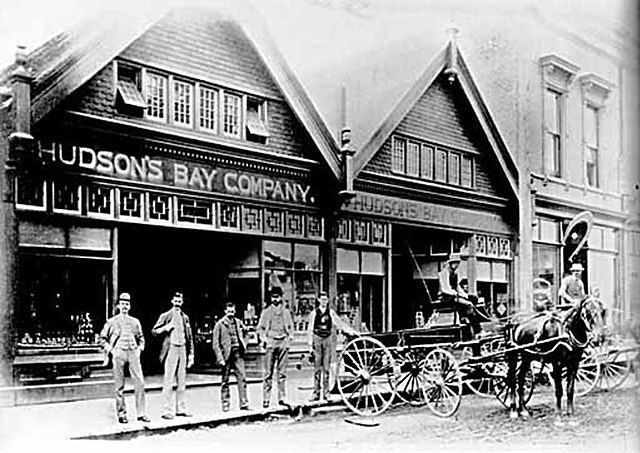
On 13 January 1849 the British government transferred the administration of Vancouver Island to the Hudson’s Bay Company, marking a distinctive moment in colonial governance. Instead of assuming direct control, the Crown delegated authority to a private commercial enterprise. The company was authorised to establish administrative order, distribut...
Read More →On November 12, 1892, the British Municipal Authority of Karachi approved the Frere Town Housing Project, one of the earliest organized residential developments in the region. The project was designed to house civil servants and merchants near the port area, introducing planned streets, drainage systems, and masonry housing. It marked a turning poi...
Read More →On 26 November 1947 the Government of West Punjab completed its first major survey of Evacuee Property, documenting thousands of abandoned agricultural lands urban buildings and industrial units left behind during the mass migration of Partition. The survey established the first verified list of transferable assets that could be allocated to incomi...
Read More →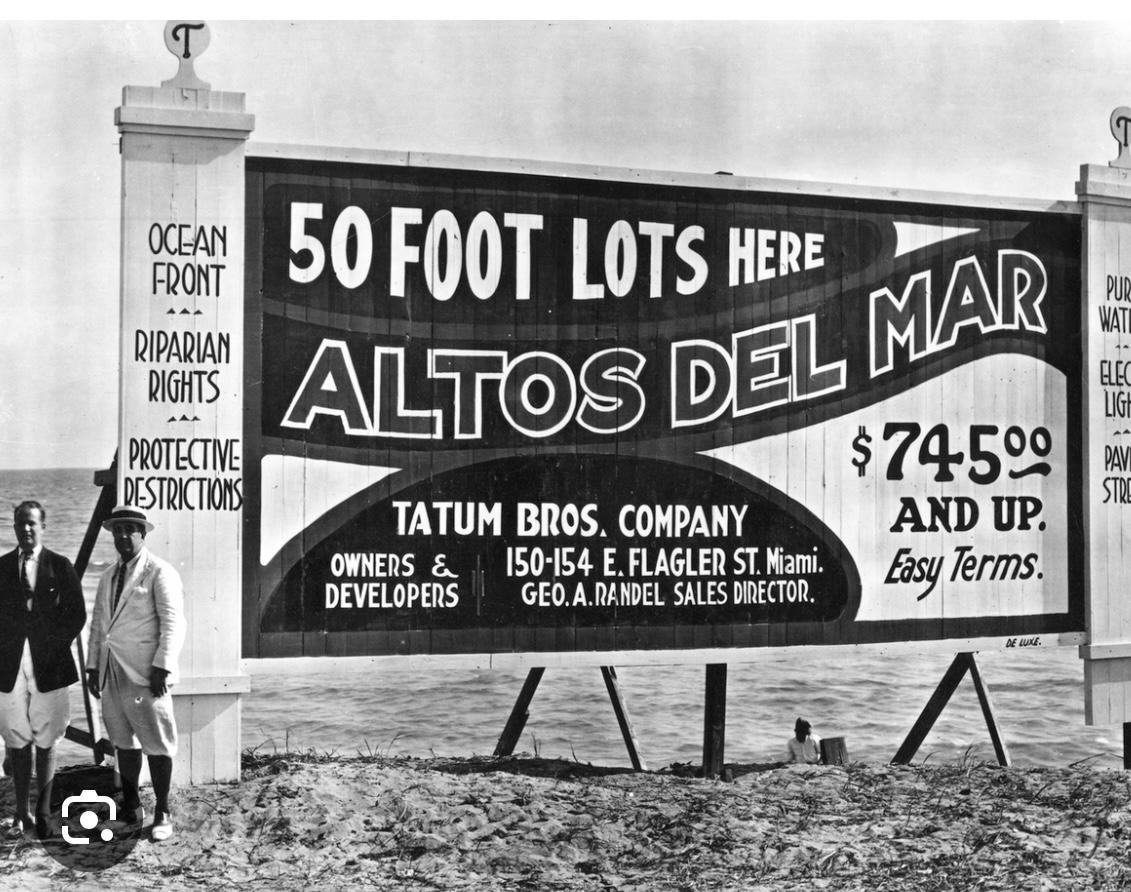
Exactly one century ago, on 23 December 1925, the most famous real estate phenomenon in American history stood at its absolute peak. Across Florida, particularly in Miami and Palm Beach, the purchase of land had transformed into a national obsession. The promise was simple and intoxicating: fortunes could be made overnight. At the height of the boo...
Read More →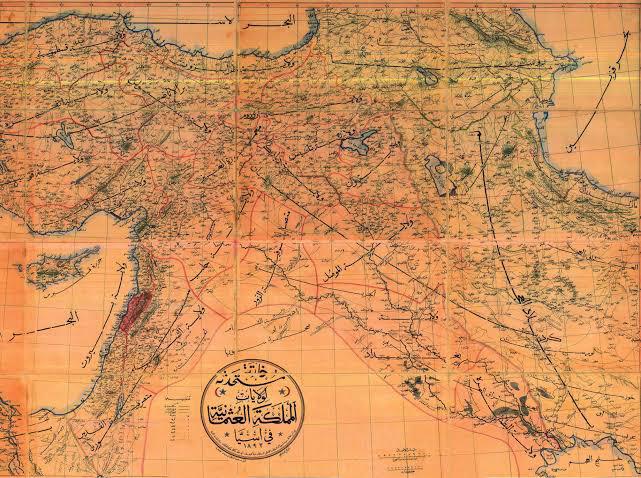
Istanbul, December 2 1869 The Ottoman Empire today issued a significant legal regulation permitting, for the first time, the judicial seizure and auction of immovable property and agricultural miri land for the recovery of private debts. Previously, compulsory sale was limited to state revenues and tax obligations, but the new regulation now enable...
Read More →
The acquisition of land for the Model Town Society was one of the most remarkable and spirited chapters in its early history. Dewan Khem Chand and his...
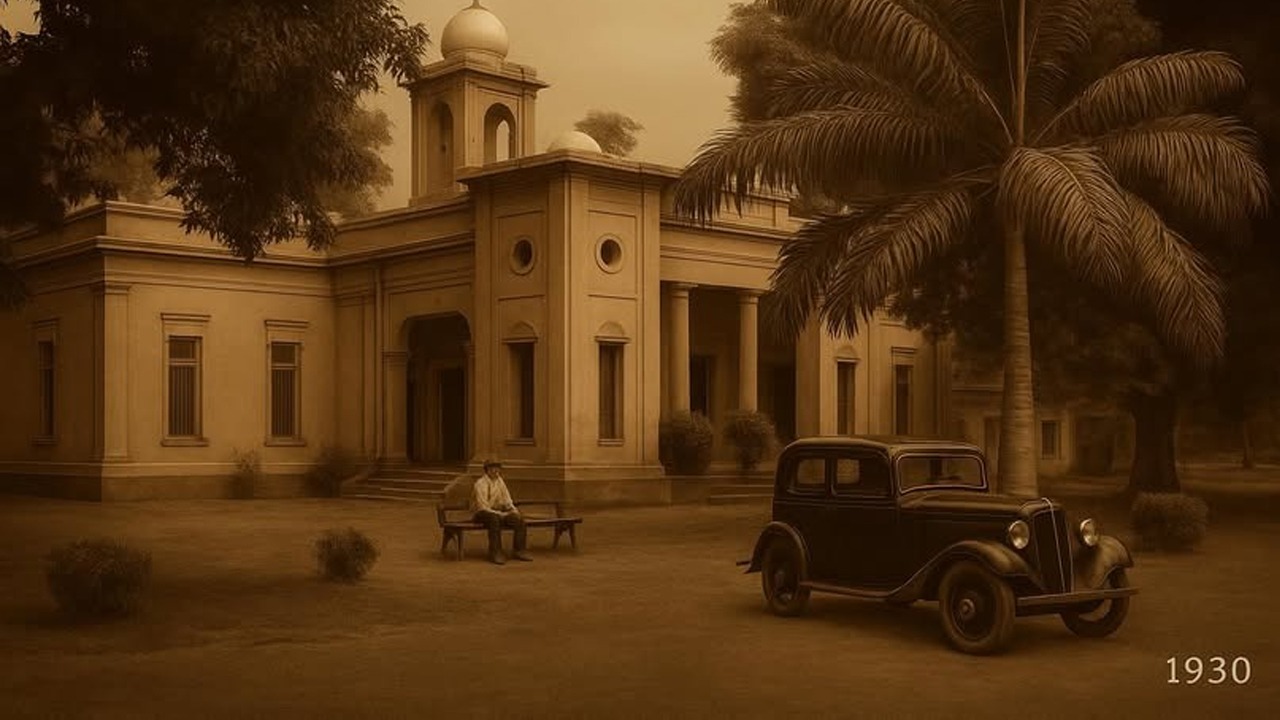
Between 1921 and 1924, the land for Model Town Lahore was acquired in successive phases. The process began in 1921, shortly after the establishment of...
No comments yet. Be the first to comment!