
Syed Shayan Real Estate Archive
Syed Shayan Real Estate Archive
From Real Estate History
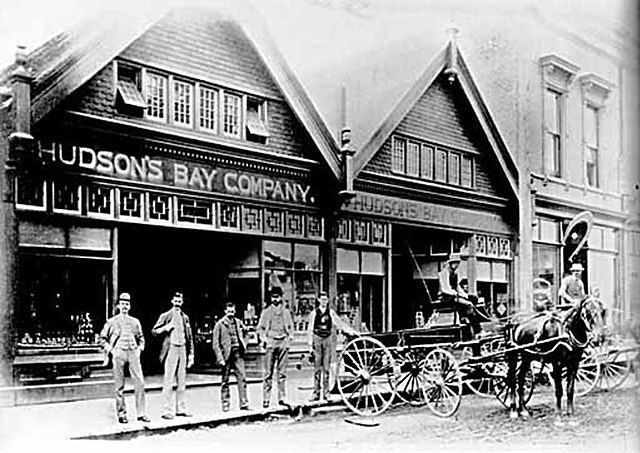
On 13 January 1849 the British government transferred the administration of Vancouver Island to the Hudson’s Bay Company, marking a distinctive moment in colonial governance. Instead of assuming direct control, the Crown delegated authority to a private commercial enterprise. The company was authorised to establish administrative order, distribute land, found settlements, regulate trade, and manage governance according to its own institutional mechanisms.
In the colonial era Britain governed Canada in a manner comparable to the management of a modern gated community. Land was not owned by individuals but remained under the control of a central authority. Rules and regulations were imposed from above. Security, taxation like levies, planning, and administration operated within a structured system. Residents received protection and facilities, yet ultimate authority did not rest with them.
A similar arrangement existed in colonial Canada where land was designated as Crown Land. Laws were drafted in London. Governors and senior officials were appointed from the centre. The local population benefited from order, security, and development, but decision making power remained beyond their reach. The fundamental distinction from a gated community lay in consent. Residents voluntarily choose to live within such communities, whereas colonial subjects were compelled to live under this system.
This approach was not new to the British Empire. The same model had earlier been applied in the Indian subcontinent through the East India Company. What began as a trading venture gradually evolved into control over land, taxation, and governance, until effective state authority passed into the hands of a commercial organisation.
The same reasoning shaped policy on Vancouver Island. Governing occupied territories through private companies was viewed as more efficient, less costly, and commercially advantageous than direct rule. As a result large scale land transfers and organised settlement began in western Canada, later known as British Columbia. The Vancouver Island experiment was, in essence, a reapplication of the colonial model previously tested in the subcontinent, employing familiar methods under a different geography.
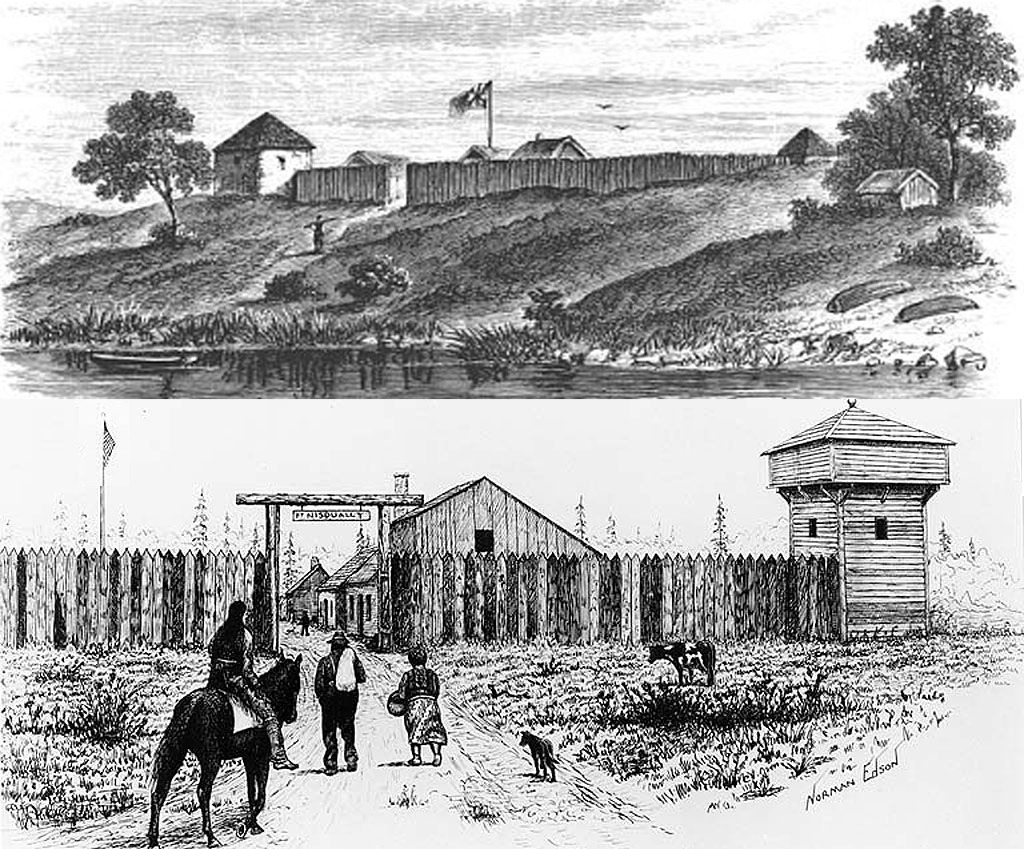
These images are not photographs but nineteenth century engraved illustrations. While they are not original camera captured records, they provide valuable insight into the general appearance of Vancouver Island at the time, including its trading forts, early settlements, and colonial administrative framework.
Within a few years the Hudson’s Bay Company consolidated its administrative control over Vancouver Island. It soon became evident, however, that a commercial enterprise was ill equipped to sustain long term governance. The administration of justice, maintenance of public order, and fulfilment of political responsibilities conflicted with the company’s primary objective of profit and trade. As settler numbers increased, demands for political representation, transparent legislation, and civil rights began to intensify.
The situation shifted decisively after the Fraser River Gold Rush of 1858. Rapid population growth, escalating land disputes, and administrative strain led the British government to conclude that governance through a private company was no longer viable. In 1858 British Columbia was declared a Crown Colony, and in 1859 the governmental role of the Hudson’s Bay Company on Vancouver Island was formally terminated. The outcome closely resembled developments in the subcontinent, where in 1857 the East India Company proved incapable of carrying the burden of state authority, prompting direct rule by the British Crown.
In 1866 Vancouver Island and British Columbia were unified, and in 1871 the territory formally entered the federal state of Canada. With this transition the era of colonial company rule came to a definitive end.
In simple terms Vancouver Island today stands as a developed and autonomous region, yet its land systems, urban form, and economic orientation continue to reflect decisions taken during the British colonial period. The maps drawn, lands allocated, and towns established during that era still shape the region’s contemporary reality.
A comparable pattern is evident in the subcontinent. The East India Company ceased to exist, yet the legal frameworks, bureaucratic structures, and modes of governance it introduced endured. The company departed, but its institutional legacy and imbalanced power structures remain visible in various forms even today.
▪️Syed Shayan Real Estate Archive
▪ Reference(s):
13 جنوری 1849 کو برطانوی حکومت نے Vancouver Island کا انتظام Hudson’s Bay Company کے سپرد کر دیا۔ اس فیصلے کے تحت حکومت نے خود براہِ راست جزیرے کا انتظام سنبھالنے کے بجائے ایک نجی تجارتی کمپنی کو اختیار دیا کہ وہ علاقے میں نظم و نسق قائم کرے، ضرورت مندوں میں زمین تقسیم کرے، شہر آباد کرے تجارتی سرگرمیوں کو منظم کرے اور نظام حکومت اپنے انداز سے چلاۓ۔
نوآبادیاتی دور میں کینیڈا کو چلانے کا برطانوی انداز کچھ ایسا ہی تھا جیسے آج ایک گیٹڈ کمیونٹی کو چلایا جاتا ہے۔ یعنی جس طرح گیٹڈ کمیونٹی میں زمین کسی فرد کی نہیں بلکہ ایک مرکزی اتھارٹی کی ہوتی ہے۔ قواعد و ضوابط اوپر سے طے ہوتے ہیں۔ سیکیورٹی، ٹیکس نما فیس، منصوبہ بندی اور نظم و نسق ایک منظم نظام کے تحت چلتا ہے۔ رہنے والوں کو سہولتیں ملتی ہیں، مگر حتمی اختیار ان کے پاس نہیں ہوتا۔
اسی طرح نوآبادیاتی کینیڈا میں بھی زمین کو Crown Land کہا گیا۔ قوانین لندن میں بنتے تھے۔ گورنر اور افسران اوپر سے مقرر ہوتے تھے۔ مقامی آبادی کو نظم، تحفظ اور ترقی تو ملی، مگر فیصلہ سازی ان کے ہاتھ میں نہیں تھی۔ فرق صرف یہ تھا کہ گیٹڈ کمیونٹی میں رہائشی اپنی مرضی سے شامل ہوتے ہیں، جبکہ نوآبادیاتی نظام میں لوگ اس نظام کا حصہ بننے پر مجبور تھے۔
یہ حکمتِ عملی برطانوی سلطنت کے لیے کوئی نیا تجربہ نہیں تھی۔
اس سے قبل برطانیہ یہی ماڈل برصغیر میں East India Company کے ذریعے آزما چکا تھا، جہاں ابتدا میں تجارت کے نام پر قدم رکھا گیا، مگر وقت کے ساتھ ساتھ زمین، محصولات اور حکمرانی کے اختیارات بتدریج کمپنی کے ہاتھ آتے چلے گئے، حتیٰ کہ ریاستی اقتدار عملاً ایک تجارتی ادارے کے زیرِ اثر آ گیا۔
یہ تصاویر فوٹوگراف نہیں بلکہ انیسویں صدی کی engraved illustrations ہیں۔ اگرچہ یہ کیمرے سے لی گئی اصل تصاویر نہیں، مگر ان کی مدد سے اُس دور کے وینکوور آئی لینڈ کے تجارتی قلعوں، بستیوں اور نوآبادیاتی نظم و نسق کی مجموعی صورت کو سمجھا جا سکتا ہے۔
وینکوور آئی لینڈ میں بھی یہی سوچ کارفرما تھی کہ مقبوضہ علاقے میں براہِ راست حکمرانی کی بجائے نجی کمپنیوں کے ذریعے معاملات چلانا زیادہ آسان، کم خرچ اور بے پناہ فائدہ مند ہے۔ اسی پالیسی کے نتیجے میں کینیڈا کے مغربی علاقوں میں، جو بعد ازاں British Columbia کہلائے، بڑے پیمانے پر زمین کی منتقلی اور آبادکاری کی بنیاد رکھی گئی۔ یوں وینکوور آئی لینڈ کا ماڈل دراصل برصغیر میں کیے گئے نوآبادیاتی تجربے ہی کی ایک نئی شکل تھی، مگر طریقہ وہی پرانا اور جانا پہچانا تھا۔
اس ماڈل کے تحت Hudson’s Bay Company نے چند ہی برسوں میں وینکوور آئی لینڈ پر اپنی انتظامی گرفت قائم کر لی، مگر جلد ہی یہ بات واضح ہو گئی کہ ایک تجارتی کمپنی کے لیے مستقل حکمرانی، عدالتی نظام، عوامی نظم اور سیاسی ذمہ داریاں نبھانا آسان نہیں۔ کمپنی کا اصل مقصد منافع اور تجارت تھا، جبکہ آبادکاروں کی تعداد بڑھنے کے ساتھ سیاسی نمائندگی، شفاف قانون سازی اور عوامی حقوق کے مطالبات بھی سر اٹھانے لگے۔
1858 میں فریزر ریور گولڈ رش کے بعد حالات یکسر بدل گئے۔ آبادی میں تیز اضافے، زمین کے تنازعات اور انتظامی دباؤ کے باعث برطانوی حکومت نے محسوس کیا کہ نجی کمپنی کے ذریعے حکمرانی اب قابلِ عمل نہیں رہی۔ نتیجتاً 1858 میں British Columbia کو ایک باقاعدہ کراؤن کالونی قرار دیا گیا اور 1859 میں وینکوور آئی لینڈ سے Hudson’s Bay Company کا حکومتی کردار ختم کر دیا گیا۔ یوں وہی انجام سامنے آیا جو برصغیر میں ایسٹ انڈیا کمپنی کے ساتھ ہو چکا تھا کہ جب 1857 میں نجی کمپنی ریاستی بوجھ اٹھانے کے قابل نہ رہی تو اقتدار براہِ راست تاجِ برطانیہ نے سنبھال لیا۔
بعد ازاں 1866 میں وینکوور آئی لینڈ اور برٹش کولمبیا کو یکجا کر دیا گیا اور 1871 میں یہ علاقہ باقاعدہ طور پر Canada کی وفاقی ریاست میں شامل ہو گیا۔ اس مرحلے پر نوآبادیاتی کمپنی راج کا باب ہمیشہ کے لیے بند ہو گیا۔
آسان الفاظ میں بات یوں سمجھی جا سکتی ہے کہ آج وینکوور آئی لینڈ ایک ترقی یافتہ اور خود مختار علاقہ ہے، مگر اس کی زمین، شہروں کا نظام اور معیشت کی سمت اب بھی برطانوی دور کے ان فیصلوں کی عکاس ہے جو نوآبادیاتی زمانے میں کیے گئے تھے۔ اُس وقت جو نقشے بنائے گئے، جو زمینیں بانٹی گئیں اور جن شہروں کی بنیاد رکھی گئی، وہی نظام آج بھی رواں دواں ہے۔
بالکل اسی طرح برصغیر میں ایسٹ انڈیا کمپنی ختم ہو گئی، مگر اس کے بنائے ہوئے قوانین، دفتری نظام اور حکمرانی کے طریقے ختم نہیں ہوئے۔ کمپنی تو چلی گئی، لیکن اس کی سوچ، اس کا نظام اور طاقت کا وہی غیر متوازن طریقۂ کار ہمارے ہاں آج بھی کئی شکلوں میں موجود ہے۔
▪️ سید شایان ریئل اسٹیٹ آرکائیو

On November 9, 1996, the Lahore Development Authority (LDA) initiated the Shahdara Low Income Housing Project to address rising urban population pressures and informal settlements. The 500-acre development along the Ravi River’s northern bank offered over 3,000 small residential plots for low- and middle-income families. LDA prioritized infrastru...
Read More →
On 29 November 1912, a decisive notification was published in Part One of the Government of India Gazette, establishing the legal basis for the large scale acquisition of government land required for the construction of New Delhi, the new capital of British India. This notification followed the Delhi Durbar of 1911, during which King George V anno...
Read More →
On November 22, 1983, the French Ministry of Transport unveiled a nationwide rail safety modernization blueprint to respond to rising commuter volumes and expanding suburban zones around major cities including Paris, Lyon, and Marseille. The early 1980s had seen frequent near-accident incidents due to outdated signalling systems, manual switching i...
Read More →
In the history of France, a draft resolution addressing the legally enforceable right to housing for ordinary citizens was formally presented to the cabinet on 17 January 2007. The French government designated this initiative as the Right to Housing, known as DALO (Droit au logement opposable). The purpose of this measure was to establish housing...
Read More →
On October 20, 1901, the first comprehensive national building code standards were established, creating uniform construction regulations across the country. This landmark legislation addressed fire safety, structural integrity, and sanitation requirements for all new constructions. The code mandated minimum room dimensions, ventilation standards, ...
Read More →
The acquisition of land for the Model Town Society was one of the most remarkable and spirited chapters in its early history. Dewan Khem Chand and his...

Between 1921 and 1924, the land for Model Town Lahore was acquired in successive phases. The process began in 1921, shortly after the establishment of...
No comments yet. Be the first to comment!