
Syed Shayan Real Estate Archive
Syed Shayan Real Estate Archive
From Real Estate History
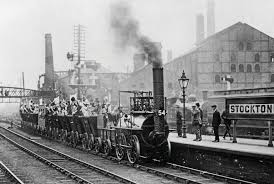
On November 22, 1983, the French Ministry of Transport unveiled a nationwide rail safety modernization blueprint to respond to rising commuter volumes and expanding suburban zones around major cities including Paris, Lyon, and Marseille. The early 1980s had seen frequent near-accident incidents due to outdated signalling systems, manual switching infrastructure, and poorly integrated suburban rail networks. The new blueprint called for digitalized signalling, automated switching controls, reinforced braking systems, and standardized safety protocols across all intercity and suburban railway lines.
The plan emphasized the need for coordinated urban–transport planning so that expanding city outskirts could be connected through safe, synchronized routes. It introduced early computer-based traffic simulations to predict congestion, allowing engineers to redesign high-risk rail junctions. Socially, the blueprint improved worker safety conditions and required mandatory annual certification for rail operators.
Over the following decade, this modernization initiative became the base architecture for France’s 1990s high-speed rail safety systems, influencing later upgrades in signalling, platform safety barriers, and automated track monitoring. The 1983 blueprint marked a national turning point, strengthening public confidence in rail travel and setting technical standards that shaped Europe’s later rail reforms.
▪ Reference(s):
22 نومبر 1983 کو فرانسیسی وزارتِ ٹرانسپورٹ نے ایک قومی ریلوے سیفٹی بلیو پرنٹ جاری کیا تاکہ بڑے شہروں جیسے پیرس، لیون اور مارسی کی بڑھتی شہری توسیع اور مسافروں کے دباؤ کا مؤثر جواب دیا جا سکے۔ 1980 کی دہائی کے اوائل میں پرانے سگنلنگ سسٹمز، دستی سوئچنگ، اور غیر ہم آہنگ سب اربن ریلوے نیٹ ورکس کی وجہ سے متعدد خطرناک صورتحال پیدا ہوتی تھیں۔ اس منصوبے نے ڈیجیٹل سگنلنگ، خودکار سوئچنگ، مضبوط بریکنگ سسٹمز، اور انٹر سٹی و سب اربن لائنوں کے لیے یکساں سیفٹی پروٹوکول تجویز کیے۔
منصوبہ شہری اور ٹرانسپورٹ پلاننگ کے بہتر ربط پر زور دیتا تھا تاکہ پھیلتے ہوئے شہری علاقوں کو محفوظ اور مربوط ریلوے راستوں کے ذریعے جوڑا جا سکے۔ انجینئرز نے کمپیوٹر بیسڈ ٹریفک سمولیشن استعمال کرکے خطرناک جنکشنز کو دوبارہ ڈیزائن کیا۔ سماجی طور پر اس بلیو پرنٹ نے ریلوے ورکرز کی سیفٹی بہتر کی اور آپریٹرز کے لیے سالانہ سرٹیفیکیشن لازمی قرار دی۔
یہ منصوبہ بعد میں فرانس کے ہائی اسپیڈ ریل سیفٹی سسٹمز کی بنیاد بنا، جس نے 1990 کی دہائی میں سگنلنگ، پلیٹ فارم سیکیورٹی بیریئرز، اور خودکار مانیٹرنگ ٹیکنالوجیز کو بہتر بنانے میں مرکزی کردار ادا کیا۔ 1983 کا یہ بلیو پرنٹ ایک قومی سنگِ میل ثابت ہوا، جس نے عوامی اعتماد بڑھایا اور یورپی ریلوے اصلاحات کے لیے معیار قائم کیے۔
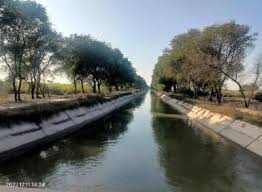
On November 22, 1991, the Punjab Public Health Engineering Department launched a major rural water supply rehabilitation program targeting villages located along major canal systems in districts including Vehari, Lodhran, Jhang, and Muzaffargarh. Throughout the late 1980s and early 1990s, canal-adjacent villages faced declining water quality due to seepage, contamination from agricultural runoff, and ageing hand-pump installations. The new initiative aimed to replace outdated water-draw systems with deep-bore motorized pumps, install iron-removal filtration units, and create protected distribution networks to supply cleaner drinking water directly to communal standposts.
The program was based on extensive groundwater tests and field surveys conducted over several years. It encouraged community-led water committees to oversee operations and introduced Punjab’s early model of shared maintenance funding between households and the government. By modernizing extraction systems and reducing contamination risks, the project significantly improved public health conditions in rural belts and reduced waterborne illnesses that were common in canal-fed regions.
Over time, the initiative became a precursor to Punjab’s 1990s rural water supply expansion policies. It strengthened technical standards for groundwater assessment, created district-level monitoring cells, and influenced later nationwide efforts to provide safe rural drinking water. Its long-term legacy lies in promoting community participation and systematic water quality testing across Punjab’s canal regions.
▪ Reference(s):
22 نومبر 1991 کو پنجاب پبلک ہیلتھ انجینئرنگ ڈیپارٹمنٹ نے نہری نظام کے ساتھ واقع دیہات میں دیہی واٹر سپلائی کی بحالی کا ایک بڑا منصوبہ شروع کیا۔ 1980 اور 1990 کی دہائی کے اوائل میں ان علاقوں میں پانی کی کوالٹی تیزی سے خراب ہورہی تھی کیونکہ نہری رساؤ، زرعی کیمیکلز، اور پرانے ہینڈ پمپ نظام پانی کو آلودہ کررہے تھے۔ اس منصوبے کا مقصد پرانے واٹر ڈرا سسٹمز کو جدید ڈیپ بور موٹرائزڈ پمپوں سے بدلنا، آئرن ریموول فلٹریشن یونٹ نصب کرنا، اور محفوظ پائپ لائن نیٹ ورک کے ذریعے صاف پانی کو دیہاتی اسٹینڈ پوسٹس تک پہنچانا تھا۔
یہ منصوبہ کئی سال کی گراؤنڈ واٹر ٹیسٹنگ، سرویز اور دیہاتی مشاورت پر مبنی تھا۔ اس میں کمیونٹی واٹر کمیٹیاں بھی قائم کی گئیں جو نظام کی نگرانی کرتی تھیں، جبکہ حکومت اور عوام کے اشتراک سے مینٹیننس فنڈنگ کا ماڈل متعارف کرایا گیا۔ اس اقدام نے نہری علاقوں میں صاف پانی کی فراہمی بہتر کی، پانی سے پیدا ہونے والی بیماریوں میں کمی کی، اور عوامی صحت کے نتائج بہتر بنائے۔
وقت کے ساتھ یہ منصوبہ پنجاب کی 1990 کی دہائی کی دیہی واٹر سپلائی پالیسیوں کی بنیاد بنا، جس نے واٹر کوالٹی کے ٹیسٹنگ کے نظام، گراؤنڈ واٹر مانیٹرنگ اور کمیونٹی شمولیت کو مضبوط کیا۔ اس کی طویل المدتی میراث نہری علاقوں میں محفوظ پانی کے شعور کو عام کرنا ہے۔

On November 6, 1853, the French Emperor Napoleon III appointed Baron Georges Eugène Haussmann as Prefect of the Seine, launching one of the most transformative urban redevelopment projects in modern history. The 'Haussmannization of Paris' would redefine not only the physical layout of the French capital but also the global principles of real esta...
Read More →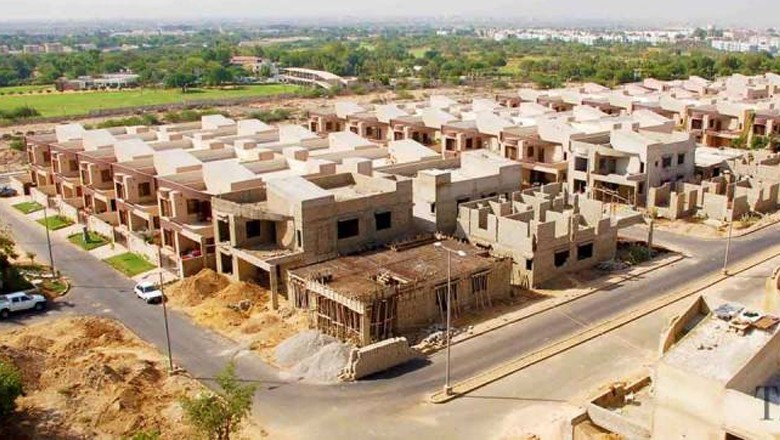
On October 30, 1980, Pakistan unveiled its groundbreaking first comprehensive national housing policy specifically designed to address the shelter needs of low-income families, representing a transformative shift in the country's approach to real estate development and urban planning. The pioneering policy established comprehensive frameworks for a...
Read More →
On 30 December 1973, a day of exceptional significance in the industrial and urban history of Pakistan, former Prime Minister Zulfikar Ali Bhutto laid the foundation stone of Pakistan Steel Mills at Bin Qasim, Steel Town, to the east of Karachi, beyond the then urban limits of the city. This project not only became a symbol of Pakistan’s industri...
Read More →
On 24 December 1968, the Apollo 8 spacecraft was orbiting the Moon. As it emerged from behind the Moon’s far side, an extraordinary sight appeared before the astronauts. Slowly rising above the Moon’s barren and gray horizon, Earth came into view. Recognizing the significance of the moment, astronaut William Anders immediately reached for a cam...
Read More →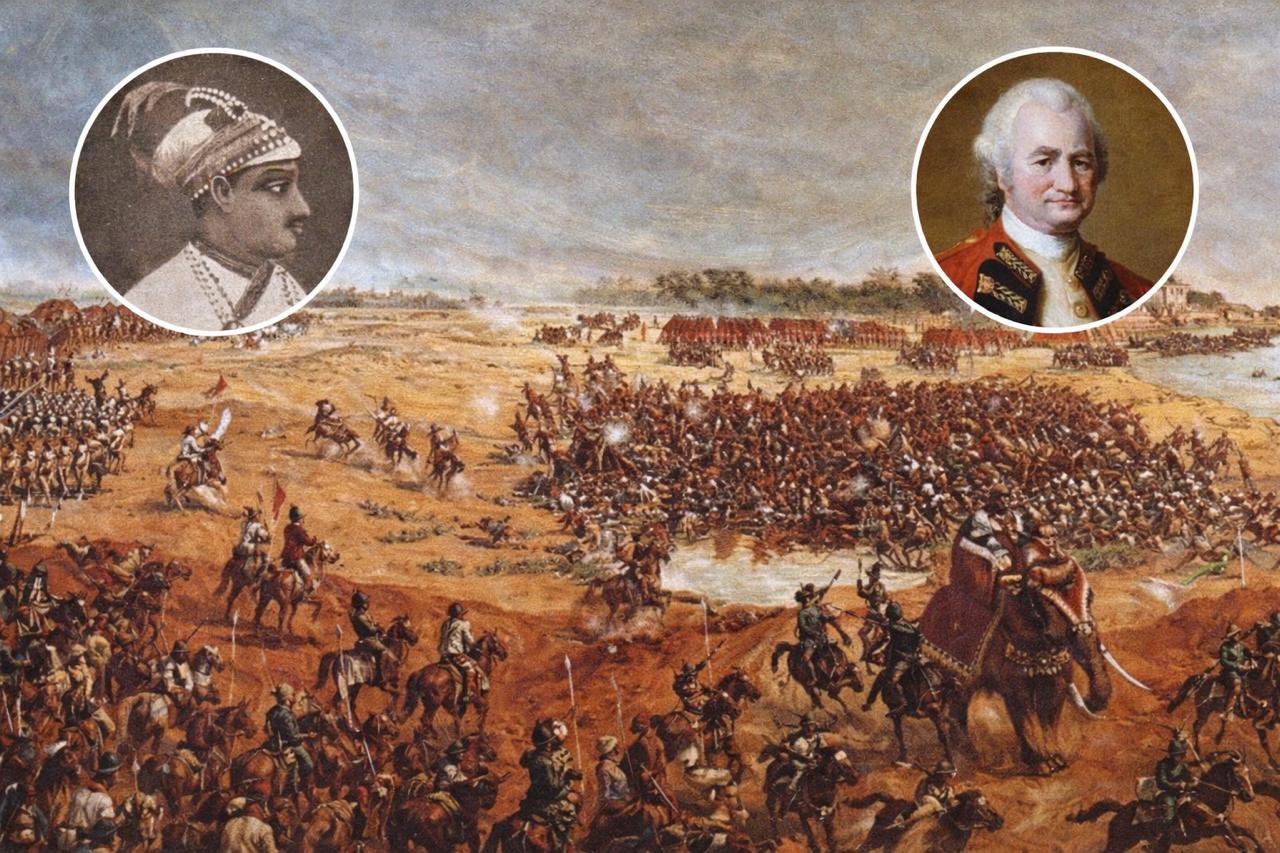
On 31 January 1757, Robert Clive signed the Treaty of Alinagar with Siraj ud Daulah, as a result of which Calcutta, known today as Kolkata, returned to British control. On the surface, this appeared to be a peace treaty. In reality, it was the agreement that paved the way for British rule in Bengal and later across the whole of India. The bac...
Read More →
The acquisition of land for the Model Town Society was one of the most remarkable and spirited chapters in its early history. Dewan Khem Chand and his...
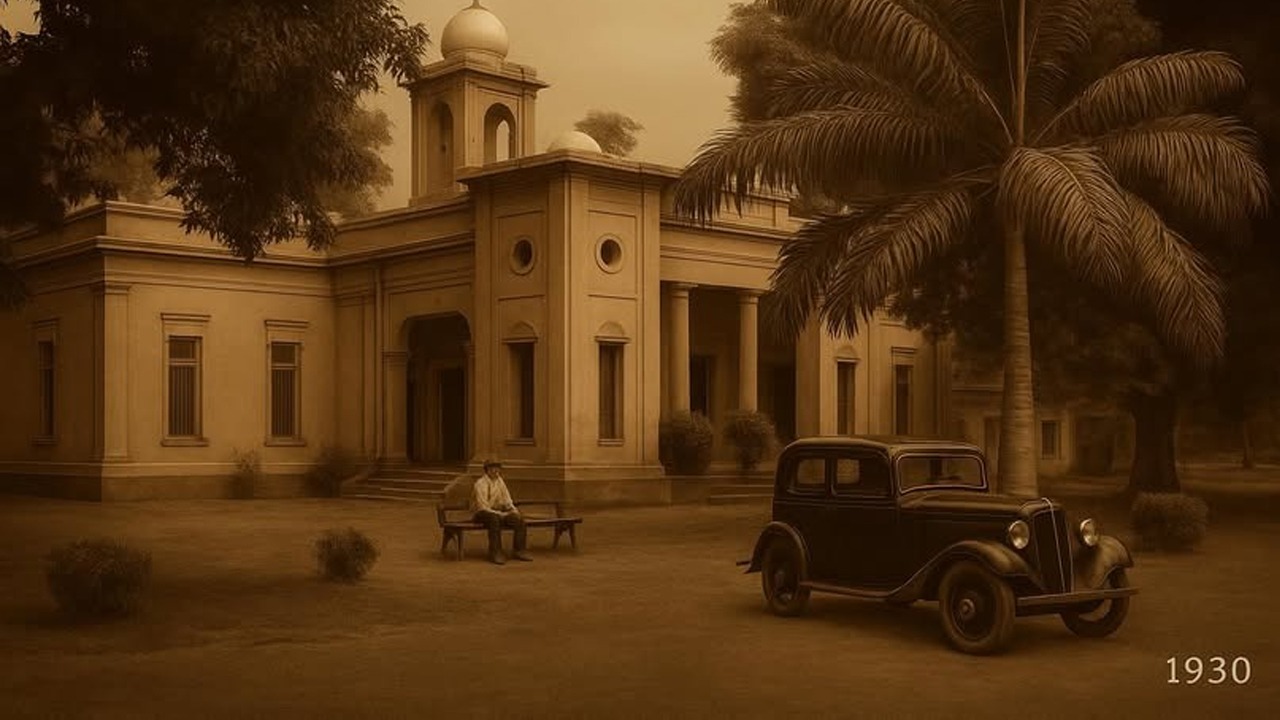
Between 1921 and 1924, the land for Model Town Lahore was acquired in successive phases. The process began in 1921, shortly after the establishment of...
No comments yet. Be the first to comment!