
Syed Shayan Real Estate Archive
Syed Shayan Real Estate Archive
From Real Estate History
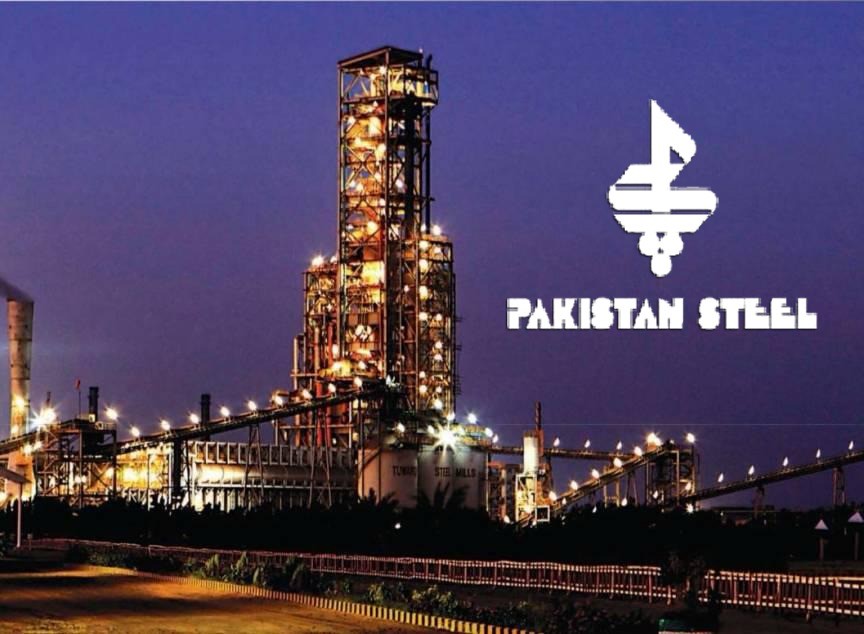
On 30 December 1973, a day of exceptional significance in the industrial and urban history of Pakistan, former Prime Minister Zulfikar Ali Bhutto laid the foundation stone of Pakistan Steel Mills at Bin Qasim, Steel Town, to the east of Karachi, beyond the then urban limits of the city. This project not only became a symbol of Pakistan’s industrial sovereignty but also led to an immediate and notable rise in land values across the surrounding areas of Karachi.
Pakistan Steel Mills was established on approximately eighteen thousand six hundred acres of land near Karachi. Spread across such an extensive area, it was not merely an industrial unit but effectively a city within a city. The scale of this development can be understood by comparing it to Sukkur, the third largest city of Sindh, whose present urban area is approximately seventy five square kilometres. The land occupied by Pakistan Steel Mills was comparable to, and in some assessments larger than, the urban footprint of Sukkur.
This vast expanse comprised the main industrial complex of the steel mills, the residential settlement of Steel Town, supporting infrastructure, roads, railway connections, and essential utilities. From a research perspective, it would not be inaccurate to describe Pakistan Steel Mills as one of the most prominent examples of large scale industrial land use undertaken by the state at that time. Its impact extended beyond industrial production to influence national patterns of urban expansion and land utilisation.
As a result of this project, extensive coastal and semi agricultural land near Karachi was converted to industrial use. Over thousands of acres, the central steel complex, residential colonies, roads, utilities, and auxiliary infrastructure were developed, giving rise to a fully integrated industrial and urban zone in the Bin Qasim area. In parallel, Steel Town emerged as a planned residential city, designed specifically to accommodate industrial workers and government employees.
From the perspective of real estate and urban development, the establishment of Pakistan Steel Mills triggered an extraordinary expansion of Karachi’s urban boundaries. Coastal and underdeveloped land underwent a fundamental transformation, land values increased significantly, and a new urban model emerged based on the interrelationship between port activity, industry, and residential settlement. This project became a defining example of large scale industrial land use by the state in Pakistan.
From an archival standpoint, 30 December 1973 stands as the date that permanently reshaped the geographical, urban, and property landscape of Karachi’s eastern coastline. It is preserved as a milestone in the history of industrial real estate development in Pakistan.
▪️Syed Shayan Real Estate Archive
▪ Reference(s):
30 دسمبر 1973 پاکستان کی صنعتی اور شہری تاریخ کا ایک انتہائی اہم دن ہے، جب سابق وزیر اعظم ذوالفقار علی بھٹو نے کراچی کے مشرق میں شہر سے باہر بن قاسم، اسٹیل ٹاؤن میں پاکستان اسٹیل ملز کا باضابطہ سنگِ بنیاد رکھا۔ یہ منصوبہ نہ صرف پاکستان کی صنعتی خود مختاری کی علامت بنا
بلکہ اس سے کراچی کی زمین کی قدر میں راتوں رات اظافہ دیکھنے میں آیا۔
پاکستان اسٹیل ملز کراچی کے قریب تقریباً اٹھارہ ہزار چھ سو ایکڑ اراضی پر قائم کی گئی۔ اتنے وسیع رقبے پر قائم یہ ایک صنعتی یونٹ نہیں بلکہ ایک 'شہر کے اندر شہر' کی حیثیت رکھتا ہے، جس کی وسعت کا اندازہ اس بات سے لگایا جا سکتا ہے کہ یہ سندھ کے تیسرے بڑے شہر سکھر کے شہری رقبے کے لگ بھگ برابر یا قدرے اس سے بھی زیادہ ہے کہ سکھر شہر کا موجودہ رقبہ تقریباً پچھتر مربع کلومیٹر ہے،
اس وسیع رقبے میں اسٹیل ملز کا صنعتی کمپلیکس، اسٹیل ٹاؤن کی رہائشی کالونی، معاون انفراسٹرکچر، سڑکیں، ریلوے روابط اور بنیادی یوٹیلٹیز شامل تھیں۔
تحقیقی نقطۂ نظر سے یہ کہنا غلط مہ ہو گا کہ پاکستان اسٹیل ملز اُس وقت ریاست کی جانب سے زمین کے سب سے بڑے صنعتی استعمال کی ایک نمایاں مثال تھی، جس نے نہ صرف صنعتی پیداوار بلکہ شہری پھیلاؤ اور اراضی کے استعمال کے قومی رجحانات پر بھی گہرا اثر ڈالا
اس منصوبے کے نتیجے میں کراچی کے قریب وسیع ساحلی اور نیم زرعی اراضی کو صنعتی استعمال میں لایا گیا۔ ہزاروں ایکڑ زمین پر اسٹیل ملز کا مرکزی کمپلیکس، رہائشی کالونیاں، سڑکیں، یوٹیلٹیز اور معاون انفراسٹرکچر تعمیر ہوا، جس سے بن قاسم کے علاقے میں ایک مکمل صنعتی اور شہری زون وجود میں آیا۔ اسی عمل کے تحت اسٹیل ٹاؤن باقاعدہ ایک رہائشی شہر کے طور پر ابھرا، جو صنعتی کارکنوں اور سرکاری ملازمین کے لیے منصوبہ بند انداز میں آباد کیا گیا۔
ریئل اسٹیٹ اور شہری ترقی کے نقطۂ نظر سے پاکستان اسٹیل ملز کا قیام کراچی کی حدود میں غیر معمولی توسیع کا سبب بنا۔ ساحلی اور غیر ترقی یافتہ زمین کی نوعیت تبدیل ہوئی، زمین کی قیمتوں میں اضافہ ہوا، اور بندرگاہ، صنعت اور رہائش کے باہمی تعلق نے ایک نیا شہری ماڈل تشکیل دیا۔ یہ منصوبہ پاکستان میں ریاست کی جانب سے زمین کے بڑے پیمانے پر صنعتی استعمال کی ایک نمایاں مثال بن گیا۔
آرکائیول اعتبار سے 30 دسمبر 1973 وہ دن ہے جس نے کراچی کی مشرقی ساحلی پٹی کی جغرافیائی، شہری اور جائیدادی ساخت کو مستقل طور پر بدل دیا، اور پاکستان کی صنعتی رئیل اسٹیٹ تاریخ میں ایک سنگِ میل کے طور پر محفوظ کیا جاتا ہے۔
▪️ سید شایان ریئل اسٹیٹ آرکائیو
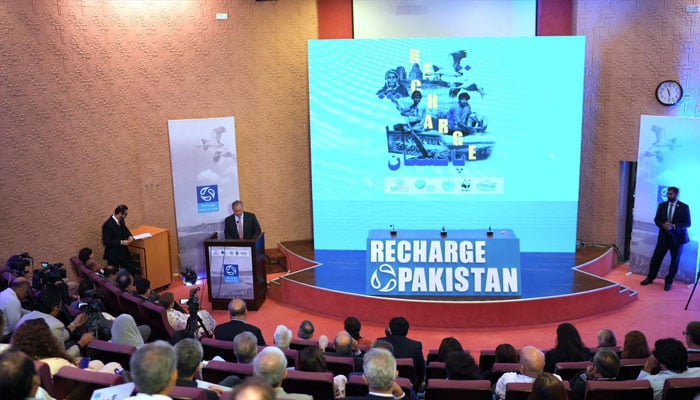
On November 2, 2021, Pakistan’s Ministry of Climate Change launched the ‘Recharge Pakistan’ project in collaboration with the World Bank and the Green Climate Fund. The initiative aimed to enhance water resilience by restoring wetlands, improving groundwater recharge, and managing floodwaters more sustainably. With nearly 90% of Pakistan’s ...
Read More →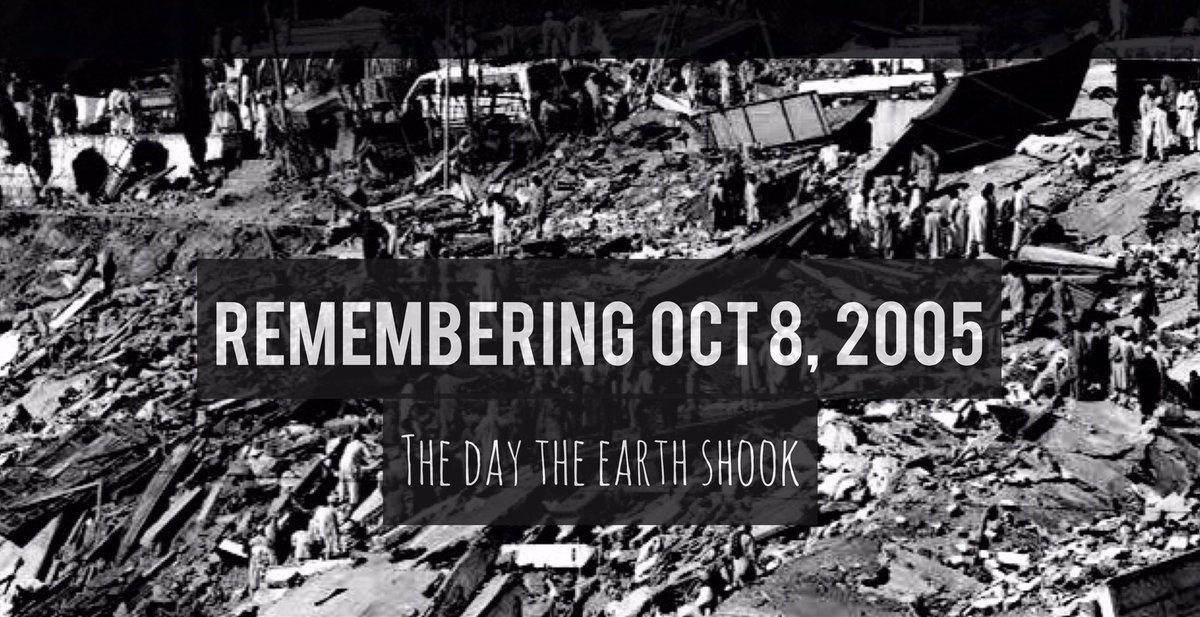
On this day in 2005, a catastrophic 7.6 magnitude earthquake struck northern Pakistan and Azad Jammu & Kashmir (AJK), marking one of the deadliest natural disasters in the nation’s history. Within minutes, vast regions of Muzaffarabad, Balakot, and Bagh were reduced to rubble. Over 73,000 people lost their lives, while millions were left injured ...
Read More →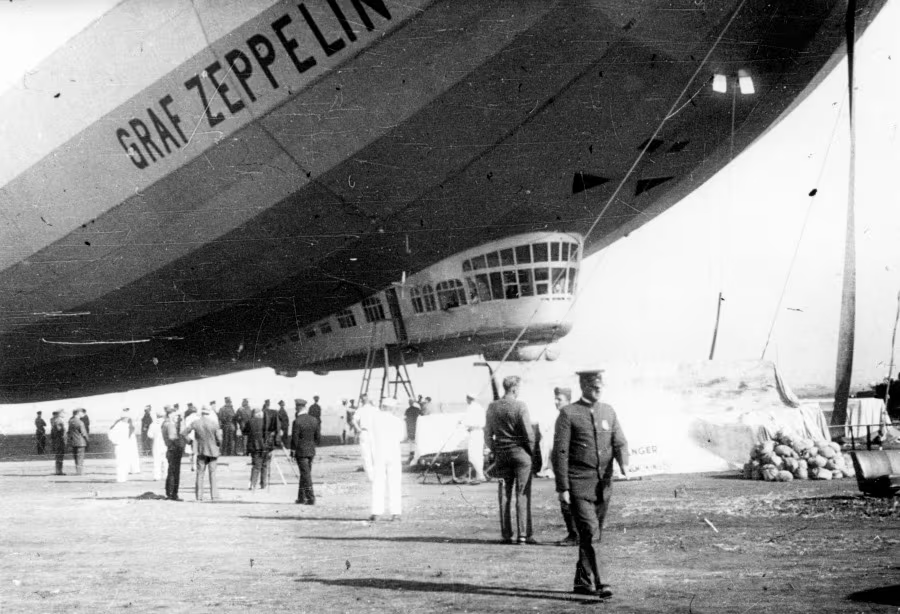
The Graf Zeppelin First Commercial Flight on October 15 1928 revolutionized real estate development approaches. This landmark event introduced innovat...
Read More →On November 20, 1984, the Shenzhen Municipal Government enacted the Bao’an Coastal Urban Greenline Ordinance, a pioneering environmental-urban regulation designed to preserve ecological corridors during the city’s early industrial boom. In the mid-1980s, Shenzhen was rapidly transitioning from a fishing town into China’s premiere Special Econ...
Read More →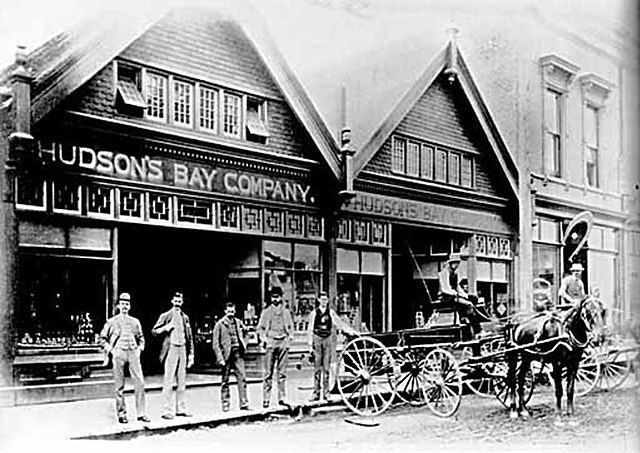
On 13 January 1849 the British government transferred the administration of Vancouver Island to the Hudson’s Bay Company, marking a distinctive moment in colonial governance. Instead of assuming direct control, the Crown delegated authority to a private commercial enterprise. The company was authorised to establish administrative order, distribut...
Read More →
The acquisition of land for the Model Town Society was one of the most remarkable and spirited chapters in its early history. Dewan Khem Chand and his...
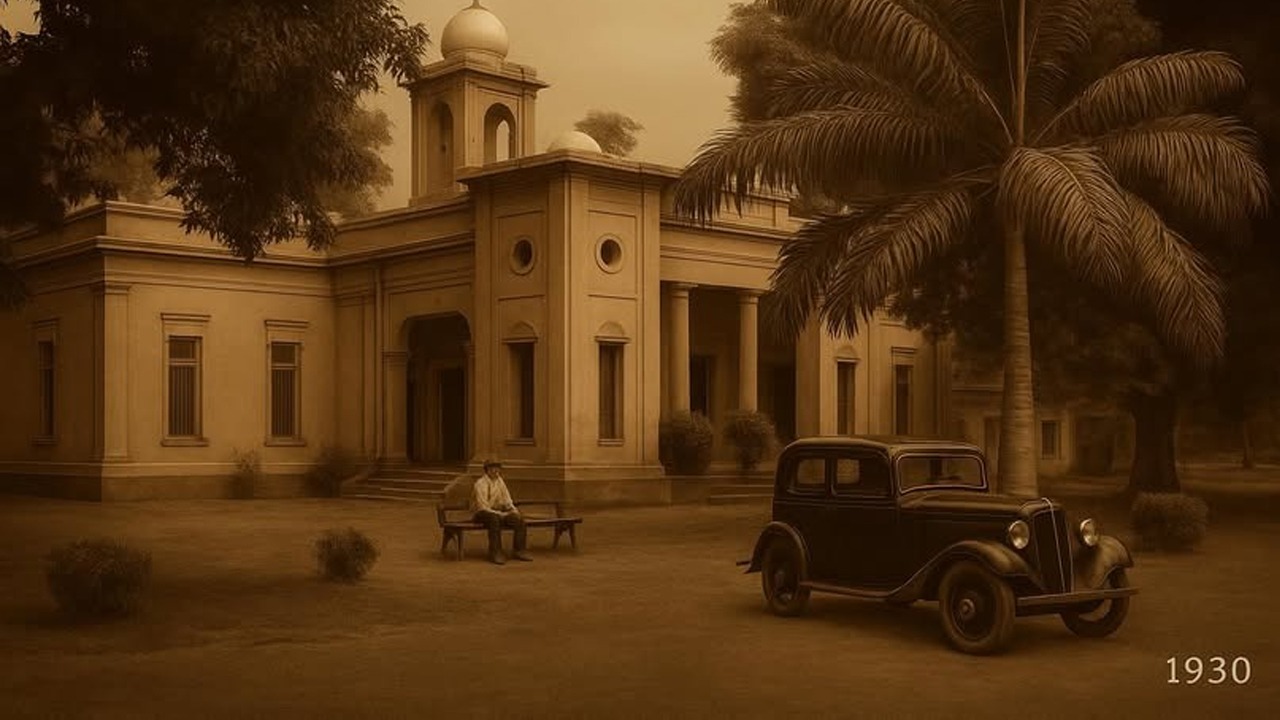
Between 1921 and 1924, the land for Model Town Lahore was acquired in successive phases. The process began in 1921, shortly after the establishment of...
No comments yet. Be the first to comment!