
Syed Shayan Real Estate Archive
Syed Shayan Real Estate Archive
From Real Estate History
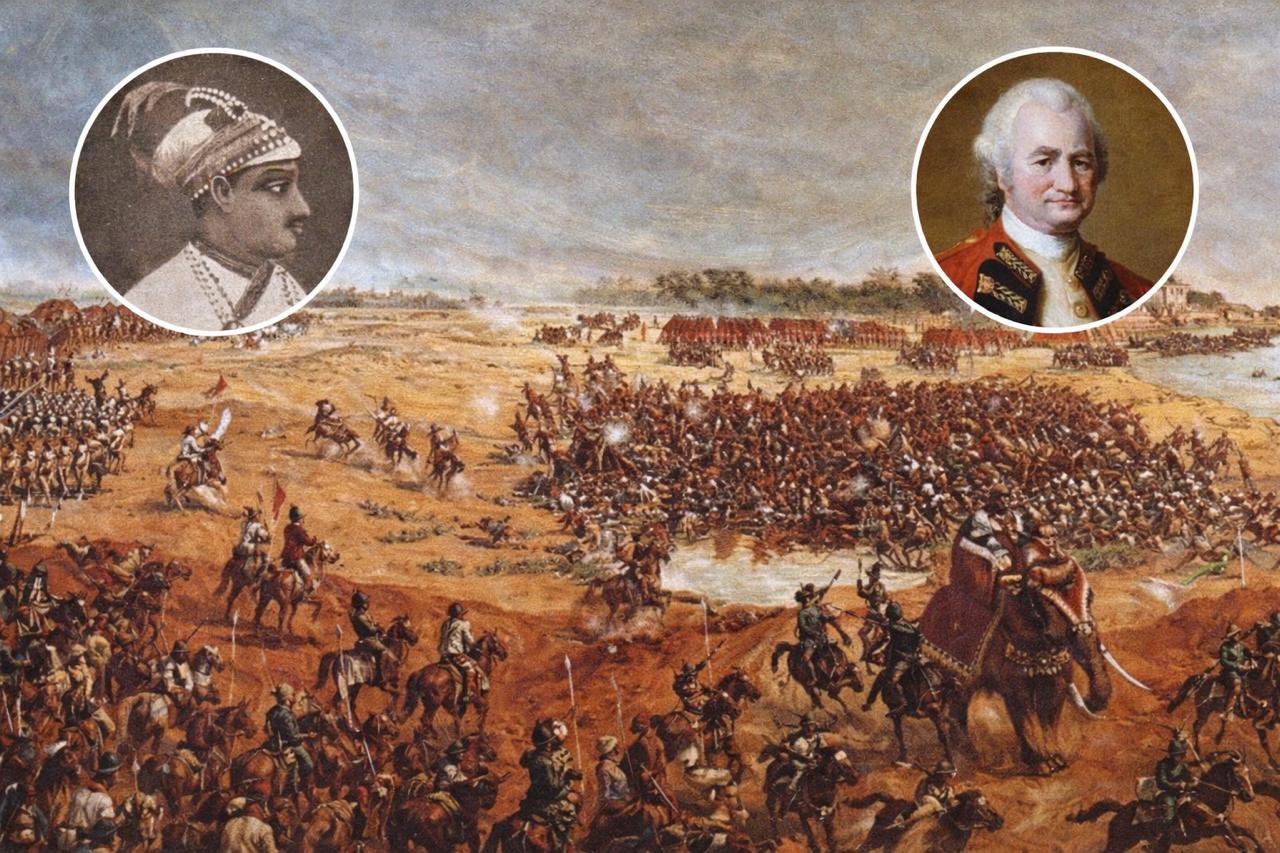
On 31 January 1757, Robert Clive signed the Treaty of Alinagar with Siraj ud Daulah, as a result of which Calcutta, known today as Kolkata, returned to British control.
On the surface, this appeared to be a peace treaty. In reality, it was the agreement that paved the way for British rule in Bengal and later across the whole of India.
The background to this treaty lies in the events of June 1756, when Siraj ud Daulah captured Fort William in an attempt to end British authority. In response, Robert Clive launched a military campaign in January 1757 and succeeded in retaking Calcutta.
Under the Treaty of Alinagar, the East India Company was permitted to resume its commercial activities in Calcutta, strengthen its fortifications, and reclaim its previous privileges.
The treaty granted the Company the following rights:
• The right to mint its own coins, representing economic autonomy.
• The right to fortify Calcutta, establishing military autonomy.
• The right to collect land revenue directly.
This marked the beginning of the dismantling of the traditional zamindari order and laid the foundation for modern title deeds. The British transformed land into a commercial commodity that could be bought, sold, and registered. Before this, land was regarded as the property of the sovereign and was allocated to subjects for use rather than ownership.
Under the influence of this treaty, Calcutta, which initially consisted of only three villages, Sutanuti, Kalighat, and Govindapur, gradually developed into a Presidency Town as British power expanded.
From this point onward, the British state for the first time organised land administration into a formal financial system and introduced the offices of the Collector, the revenue framework, and the principles of land registration that are now recognised as land records and the Collector Office.
▪️Syed Shayan Real Estate Archive
▪ Reference(s):
31 جنوری 1757 کو رابرٹ کلائیو نے سراج الدولہ کے ساتھ معاہدۂ علی نگر پر دستخط کیے، جس کے نتیجے میں کلکتہ، جو آج کولکتہ کہلاتا ہے، دوبارہ برطانوی کنٹرول میں آ گیا۔
بظاہر یہ ایک امن معاہدہ تھا، مگر حقیقت میں یہی وہ معاہدہ تھا جس نے بنگال میں برطانوی راج اور بعد میں پورے ہندوستان پر حکمرانی کی راہ ہموار کی۔
اس معاہدے کا پس منظر کچھ یوں ہے کہ جون 1756 میں سراج الدولہ نے فورٹ ولیم پر قبضہ کر کے برطانوی راج کو ختم کرنے کی کوشش کی تھی۔ اس کے جواب میں رابرٹ کلائیو نے جنوری 1757 میں فوجی کارروائی کے ذریعے کلکتہ واپس حاصل کر لیا۔
معاہدۂ علی نگر کے تحت ایسٹ انڈیا کمپنی کو کلکتہ میں دوبارہ تجارتی سرگرمیاں بحال کرنے، قلعہ بندی مضبوط کرنے اور اپنے پرانے مراعاتی حقوق واپس لینے کی اجازت مل گئی۔
اس معاہدے نے کمپنی کو یہ حقوق دیے:
• اپنے سکے ڈھالنے کا حق (معاشی خودمختاری)۔
• کلکتہ کی قلعہ بندی کا حق (فوجی خودمختاری)۔
• زمینوں کا محصول (Revenue) خود جمع کرنے کا حق۔
یہیں سے زمینداری نظام کے خاتمے اور ماڈرن ٹائٹل ڈیڈز کی بنیاد پڑی۔ انگریزوں نے زمین کو ایک تجارتی شے (Commodity) بنا دیا جسے بیچا، خریدا اور رجسٹر کیا جا سکتا تھا۔ اس سے پہلے زمین بادشاہ کی ملکیت ہوتی تھی جو رعایا کو استعمال کے لیے دی جاتی تھی۔
اسی معاہدے کے زیرِ اثر کلکتہ (Calcutta)، جو ابتدا میں محض تین دیہات، سوتانوتی، کالی گھاٹ اور گووند پور، پر مشتمل تھا، برطانوی اقتدار کے پھیلاؤ کے ساتھ باقاعدہ طور پر ایک Presidency Town کی صورت اختیار کر گیا۔
جس کے بعد برطانوی ریاست نے پہلی مرتبہ زمین کے نظم و نسق کو ایک باقاعدہ مالی نظام کی شکل دی اور کلکٹر کے دفتر، ریونیو نظام اور زمینی رجسٹریشن کے وہ اصول متعارف کرائے جنہیں آج ہم لینڈ ریکارڈز اور کلکٹر آفس کے نام سے جانتے ہیں۔
▪️ سید شایان ریئل اسٹیٹ آرکائیو
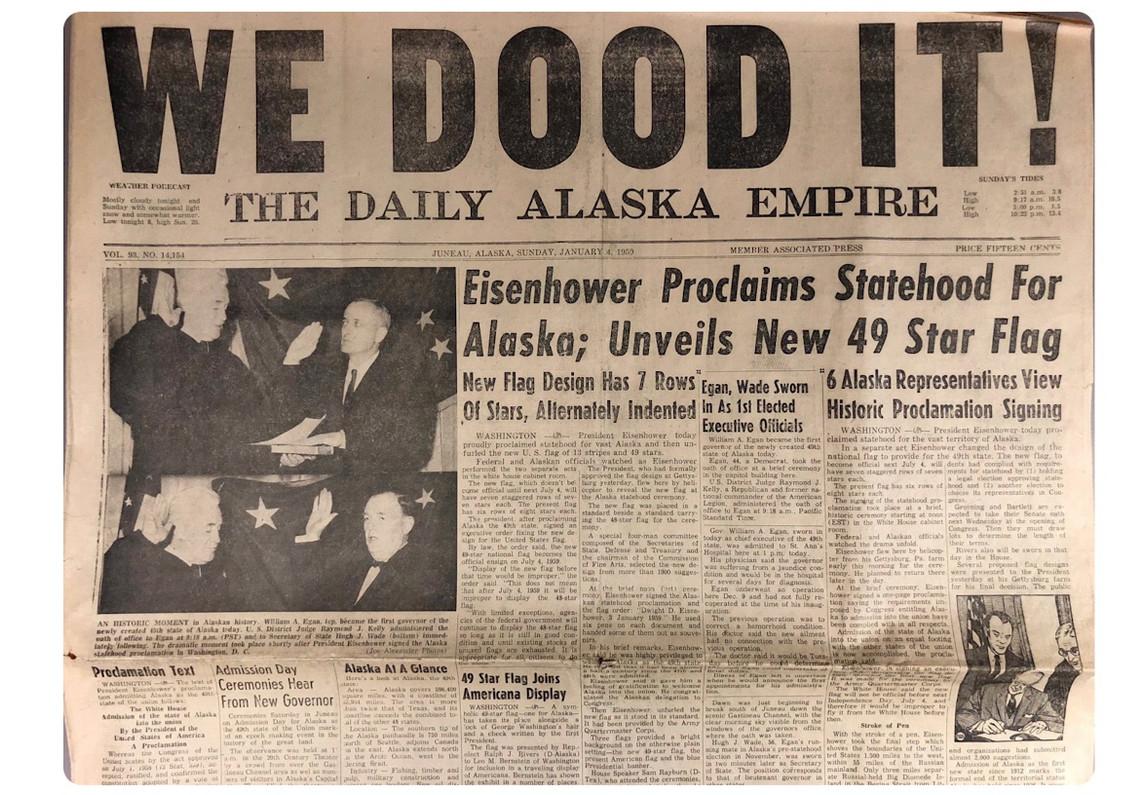
3 January 1959 marks not merely the admission of Alaska as the forty ninth state of the United States, but a historically significant moment representing the transfer of ownership of one of the largest landmasses in modern history. Prior to attaining statehood, Alaska formed part of the Russian Empire and was known as Russian America. Russian expl...
Read More →
On October 30, 1980, Pakistan unveiled its groundbreaking first comprehensive national housing policy specifically designed to address the shelter needs of low-income families, representing a transformative shift in the country's approach to real estate development and urban planning. The pioneering policy established comprehensive frameworks for a...
Read More →
On November 4, 1998, the first comprehensive online property listing platform was launched in the United States, revolutionizing how real estate was marketed and searched. This digital innovation allowed potential buyers to view properties remotely, access detailed information, and connect with agents online. The platform featured photos, property ...
Read More →
On October 27, 1994, the Federal Reserve's aggressive interest rate hikes significantly pressured the US housing market, demonstrating the powerful connection between monetary policy and real estate activity. The series of rate increases throughout 1994 translated directly into higher mortgage rates, slowing home sales, reducing refinancing activit...
Read More →
On October 22, 1888, pioneering building height limitation laws were enacted in major cities, establishing the first formal restrictions on building elevations. These regulations emerged as concerns grew about overcrowding, fire safety, and sunlight access in rapidly developing urban centers. The laws typically limited buildings to 6-8 stories, add...
Read More →
The acquisition of land for the Model Town Society was one of the most remarkable and spirited chapters in its early history. Dewan Khem Chand and his...

Between 1921 and 1924, the land for Model Town Lahore was acquired in successive phases. The process began in 1921, shortly after the establishment of...
No comments yet. Be the first to comment!