Syed Shayan Real Estate Archive
Syed Shayan Real Estate Archive
From Real Estate History
Syed Shayan Real Estate Archive

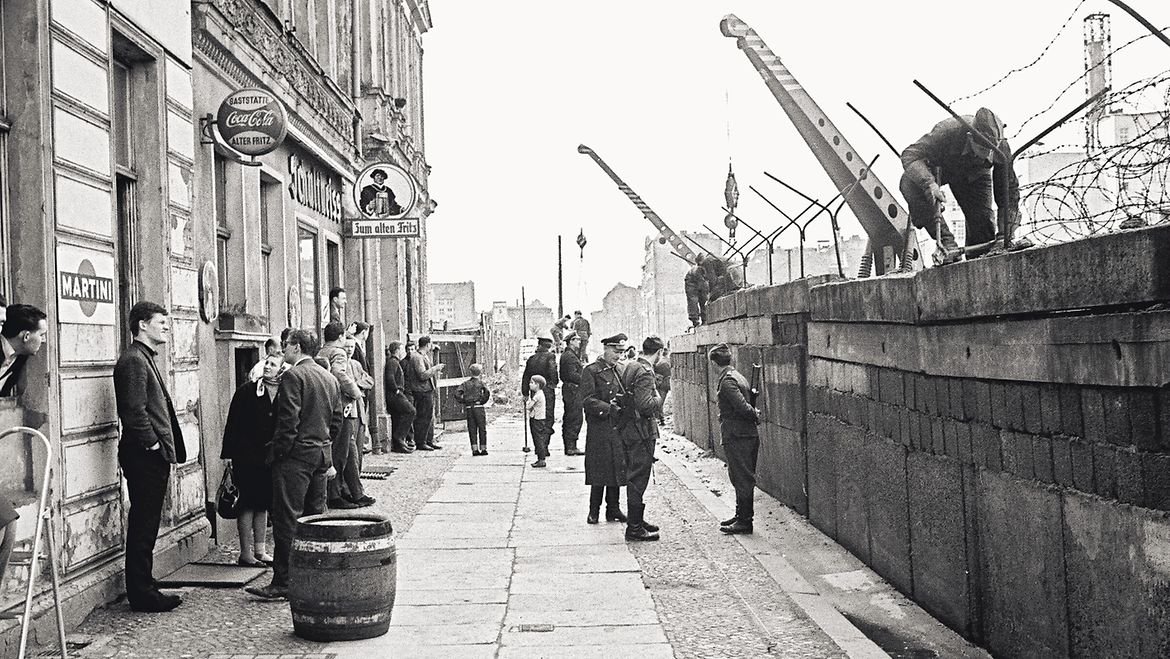
East German authorities began sealing the border between East and West Berlin, an action that would transform not only the political geography of Europe but also the physical structure of one of its most important cities. In the early hours of that Sunday, police, border forces and work crews tore u...
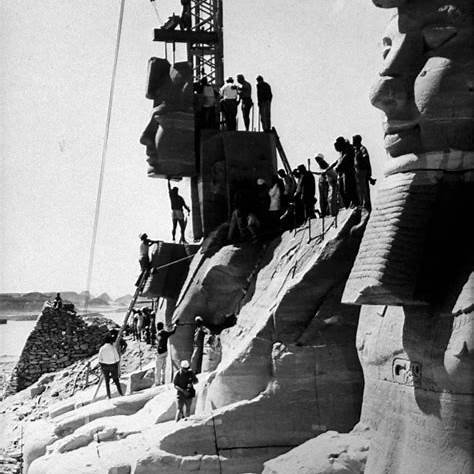
On August 12, 1965, one of the most remarkable preservation projects in the history of the built environment entered a decisive phase in Nubia, southern Egypt, as work advanced to cut and relocate the ancient temples of Abu Simbel before rising waters from the Aswan High Dam could reach them. Carved...

Melbourne celebrated the opening of its new Town Hall with a grand fancy dress ball, marking a memorable moment in the history of a building that would become one of the city’s most important civic and architectural landmarks. The new Melbourne Town Hall emerged at a time of rapid urban growth fo...

Days before the creation of Pakistan, the country’s Constituent Assembly held its inaugural session at the Sindh Assembly Building in Karachi on August 10, 1947, transforming the landmark into the first parliamentary home of the new state۔ On August 10, 1947, the historic Sindh Assembly Building...
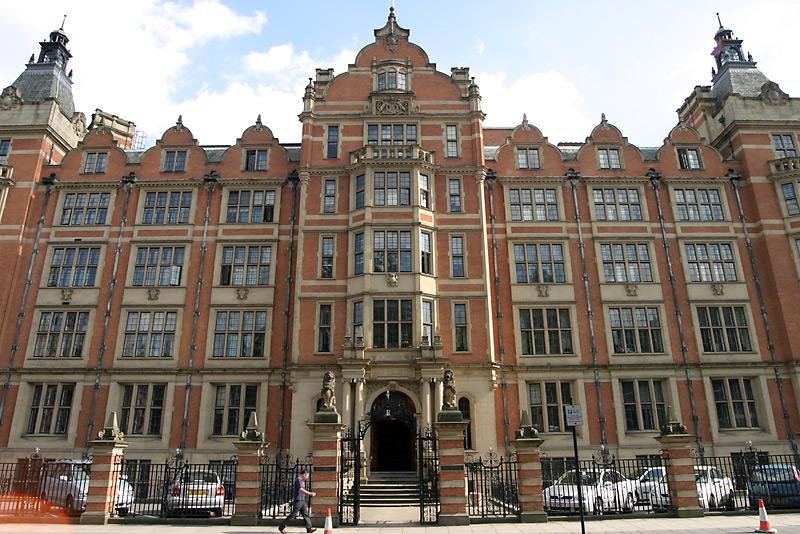
The Land Charges Act 1972 received Royal Assent in the United Kingdom on August 9, 1972, establishing a consolidated legal framework governing the registration of certain charges, interests and other matters affecting land in England and Wales. The legislation consolidated earlier enactments dealin...

Hong Kong’s landmark Bank of China Tower reached a major construction milestone on August 8, 1988, when its topping-out ceremony was held, marking an important stage in the development of a skyscraper that would later transform the city’s skyline. The date, written as 8/8/88, was deliberately c...

New Zealand’s Urban Development Act 2020 came into force, introducing a new legal framework for undertaking complex housing and city development projects across the country. The Act received royal assent on 6 August and became effective the following day. It significantly expanded the urban devel...
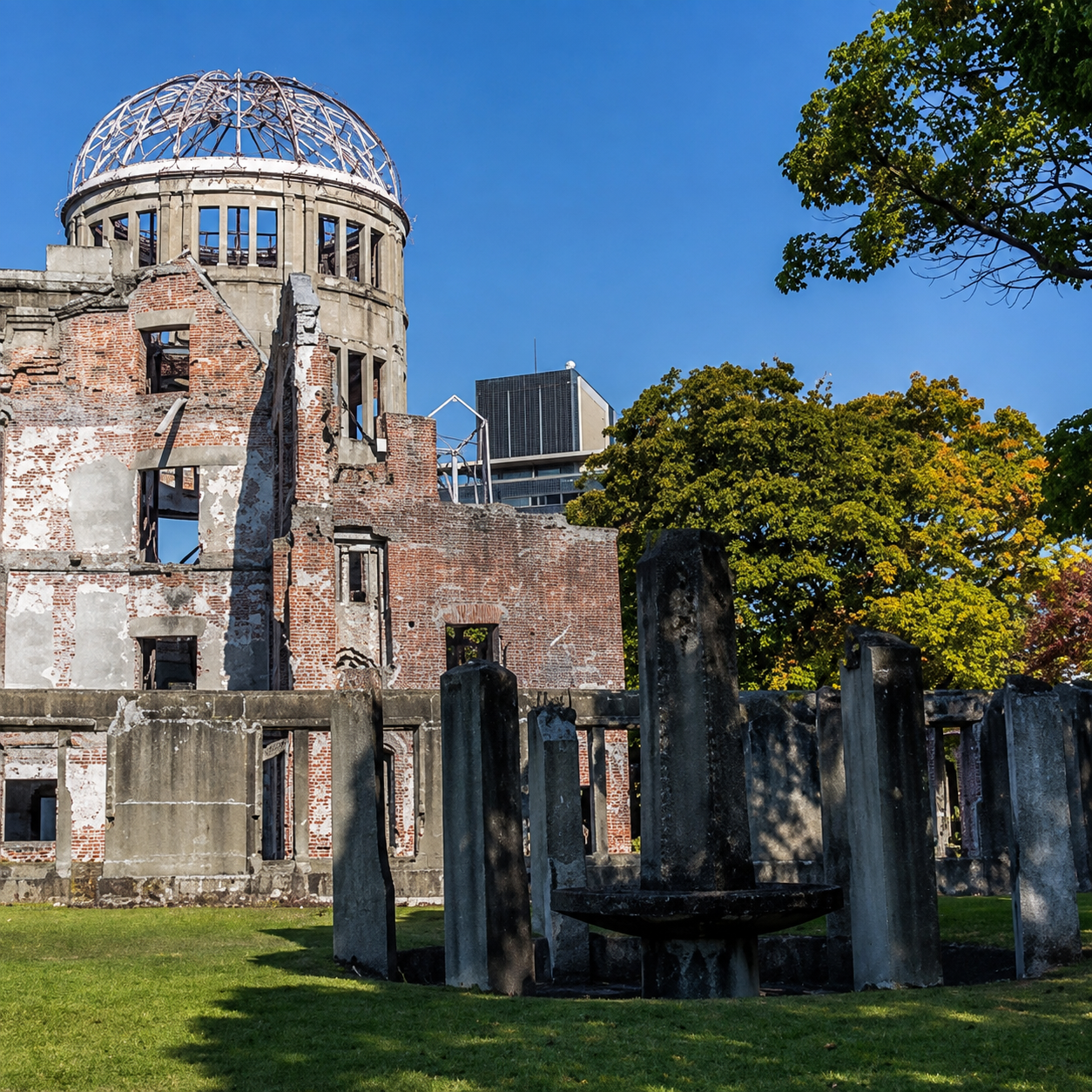
Japan enacted the Hiroshima Peace Memorial City Construction Law, establishing a special legal framework for the reconstruction, urban planning and redevelopment of Hiroshima after its destruction during the Second World War. Created under Article 95 of the Japanese Constitution, the legislation app...
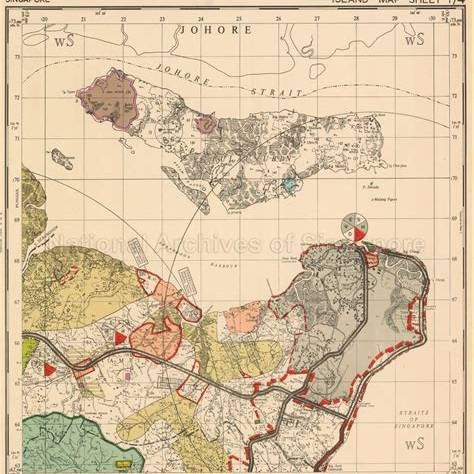
The Governor in Council approved Singapore’s first statutory Master Plan, marking an important turning point in the history of the island’s land use, housing and property development. The approval created a formal planning framework through which the future use of land and buildings across Singa...
A formal groundbreaking ceremony in Lower Manhattan marked the beginning of the original World Trade Center, one of the most ambitious commercial real estate and urban redevelopment projects of the twentieth century. The Port Authority of New York and New Jersey records 4 August as the official grou...

The Philippine government issued Executive Order No. 486, creating a special advisory committee for the development of Baguio City. The initiative was intended to guide the famous mountain city’s growth as an urban centre and tourist destination while protecting the natural landscape and environme...

Britain’s Housing Act 1935 received Royal Assent, moving national policy on urban housing, overcrowding and neighbourhood redevelopment into a new phase. The legislation emerged at a time when many families in London and other industrial cities were living in small dwellings with inadequate space...

Singapore established the Urban Renewal Unit under the Housing and Development Board, marking a defining moment in the city-state’s urban development history. The institution would eventually play a central role in transforming overcrowded and poorly planned urban districts into modern residential...
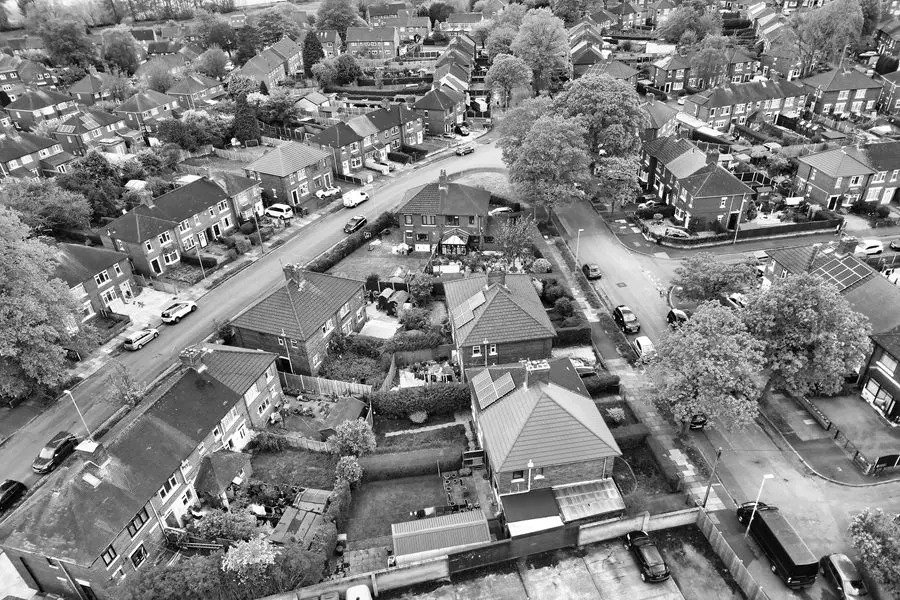
Britain enacted the Housing, Town Planning, and related legislation commonly known as the Addison Act. Named after Health Minister Dr Christopher Addison, the law marked an important shift by making the provision of suitable housing for working families a national responsibility rather than leaving ...

The Philippines created the National Housing Authority through Presidential Decree No. 757. The decision brought major government housing, residential development and resettlement responsibilities under one national institution. Several existing housing agencies were dissolved, with their powers, as...
© syedshayan.com































































































































































































































.jpg)



.jpg)























.jpg)
.jpg)
.jpg)



.jpg)