
Syed Shayan Real Estate Archive
Syed Shayan Real Estate Archive
From Real Estate History
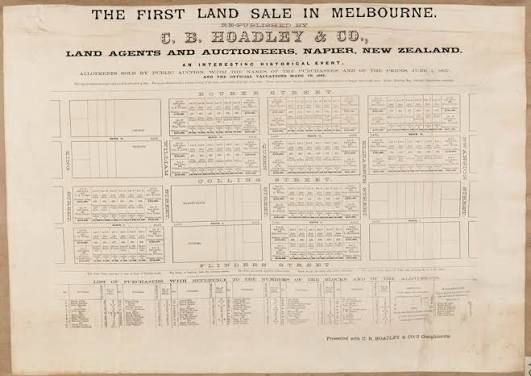
On October 10, 1885, Melbourne witnessed one of the most significant property events in its urban history when the city hosted its first large scale public land auction in the growing suburbs south of the Yarra River. At that time, Melbourne was experiencing a remarkable economic and population boom driven by gold rush prosperity, migration, and industrial growth.
The auction was organized by the Melbourne Land Syndicate and introduced a new and transparent method of urban lot valuation and public bidding that would soon become a model for real estate transactions across Australia. More than two hundred allotments were offered in what are now known as South Melbourne and St Kilda Road Precinct, accompanied by detailed maps, street layouts, drainage plans, and access routes. Such documentation was revolutionary for its era.
By the end of the day, nearly every parcel of land had been sold, generating record revenues for both the colonial administration and private developers. The event set pricing precedents that shaped land valuation practices, speculative trends, and the legal framework for property ownership across the Australian colonies.
▪ Reference(s):
10 اکتوبر 1885 کو میلبورن نے اپنی شہری تاریخ کے ایک اہم سنگِ میل کا مشاہدہ کیا جب شہر کے جنوبی حصے، دریائے یارا کے پار، تیزی سے ترقی کرتے مضافات میں پہلی بڑی عوامی زمین کی نیلامی منعقد کی گئی۔ اُس وقت میلبورن سونے کی تلاش سے حاصل ہونے والی خوشحالی، آبادی کے سیلاب، اور صنعتی ترقی کے باعث ایک غیر معمولی معاشی عروج سے گزر رہا تھا۔
یہ نیلامی میلبورن لینڈ سنڈیکیٹ نے منعقد کی، جس نے شہری پلاٹوں کی قیمت متعین کرنے اور عوامی بولی کے ایک نئے شفاف طریقہ کار کو متعارف کرایا۔ یہ طریقہ جلد ہی پورے آسٹریلیا میں رئیل اسٹیٹ لین دین کے لیے ایک نمونہ بن گیا۔ دو سو سے زیادہ پلاٹ پیش کیے گئے، جو آج کے ساؤتھ میلبورن اور سینٹ کلڈا روڈ پریسنکٹ کے علاقوں میں واقع ہیں۔ ان پلاٹوں کے ساتھ نقشے، گلیوں کے خاکے، نالیوں اور رسائی کے راستوں کی تفصیلات فراہم کی گئیں — جو اُس وقت کے لیے ایک انقلابی قدم تھا۔
دن کے اختتام تک تقریباً تمام زمین فروخت ہو چکی تھی، اور اس سے نجی ڈویلپرز اور نوآبادیاتی حکومت دونوں کو ریکارڈ آمدنی حاصل ہوئی۔ اس واقعے نے زمین کی قیمتوں کے تعین، قیاس آرائی کے رجحانات، اور ملکیتی قوانین کے فریم ورک پر دور رس اثرات مرتب کیے، جو بعد میں پورے آسٹریلیا کی جائیداد پالیسیوں میں شامل ہوئے۔
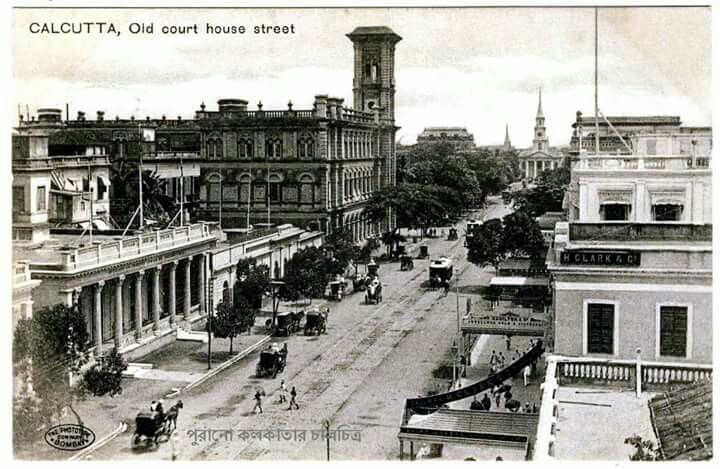
On October 10, 1924, the Registrar of Co-operative Societies in the Bengal Presidency recorded one of the earliest applications for a Residential Cooperative Housing Society in Calcutta, now Kolkata. This marked a turning point in South Asia’s urban development when the cooperative principle, previously used for credit and agriculture, was extended to land and housing.
The initiative aimed to provide middle class professionals an opportunity to collectively purchase land, plan neighborhoods, and establish community governance over property. This was a radical idea in British India’s urban framework, which was dominated by private landlords and colonial municipal control.
By the mid 1920s, these early societies around Bhowanipore and Ballygunge evolved into organized suburban enclaves, directly influencing later cooperative experiments such as Model Town Lahore (1921 to 1925) and Santacruz Cooperative Housing in Bombay (1927).
▪ Reference(s):
10 اکتوبر 1924 کو بنگال پریذیڈنسی کے رجسٹرار آف کوآپریٹو سوسائٹیز نے کلکتہ (جو اب کولکتہ کہلاتا ہے) میں رہائشی کوآپریٹو ہاؤسنگ سوسائٹی کے قیام کی ابتدائی درخواست رجسٹر کی۔ یہ وہ لمحہ تھا جب جنوبی ایشیا کی شہری ترقی میں ایک نیا موڑ آیا، جب کوآپریٹو یا اشتراکی اصول، جو اس سے پہلے صرف زرعی قرض اور مالی تعاون تک محدود تھا، پہلی بار زمین اور رہائش کے شعبے تک پھیل گیا۔
اس اقدام کا مقصد متوسط طبقے کے پیشہ ور افراد کو یہ موقع فراہم کرنا تھا کہ وہ اجتماعی طور پر زمین خریدیں، محلوں کی منصوبہ بندی کریں، اور جائیداد پر باہمی نظم و نسق قائم کریں۔ اُس وقت برطانوی ہند کا شہری ڈھانچہ زیادہ تر نجی زمینداروں اور نوآبادیاتی میونسپل کنٹرول کے زیرِ اثر تھا، اس لیے یہ تصور اُس دور کے لیے نہایت انقلابی تھا۔
1920 کی دہائی کے وسط تک، بھوون پور اور بلی گنج کے گرد قائم یہ ابتدائی سوسائٹیاں منظم مضافاتی بستیاں بن چکی تھیں، جنہوں نے بعد میں آنے والے کوآپریٹو منصوبوں جیسے ماڈل ٹاؤن لاہور (1921 تا 1925) اور سانتاکروز ہاؤسنگ سوسائٹی بمبئی (1927) پر براہِ راست اثر ڈالا۔

In October 2013, India began the active implementation of the Land Acquisition, Rehabilitation and Resettlement Act (LARR) 2013, one of the most transformative land governance reforms in South Asia. Although the Act had been passed in September, by early October the federal government had issued operational frameworks for states to establish valuation committees, compensation formulas, and social impact assessment mechanisms.
This new law replaced the colonial era Land Acquisition Act of 1894, which had been widely criticized for enabling forced acquisitions and inadequate compensation. The 2013 Act sought to balance development needs with social justice by ensuring that landowners and displaced families received fair market value, resettlement benefits, and long term livelihood support.
The Act introduced landmark provisions requiring public consent, social audits, environmental clearances, and rehabilitation planning before land could be acquired for industrial or infrastructure projects. By October 2013, pilot implementations had started in several states including Maharashtra, Andhra Pradesh, and Punjab, each developing local guidelines for valuation and grievance redressal.
This period marked the beginning of a major shift in India’s property governance structure, as state level bureaucracies and district land offices began aligning their procedures with the new national law. The reform not only redefined the process of acquisition but also established a new social contract between the state, investors, and communities.
▪ Reference(s):
اکتوبر 2013 میں ہندوستان نے زمین کے حصول، بحالی اور آبادکاری کا قانون 2013 (LARR) نافذ کرنا شروع کیا، جو جنوبی ایشیا میں زمین کی گورننس سے متعلق سب سے بڑی اصلاحات میں شمار ہوتا ہے۔ اگرچہ یہ قانون ستمبر میں منظور کیا گیا تھا، مگر اکتوبر کے آغاز تک وفاقی حکومت نے صوبوں کے لیے ایسے عملی فریم ورک جاری کیے جن کے تحت قیمتوں کے تعین، معاوضے کے فارمولے، اور سماجی اثرات کے جائزے کے طریقہ کار متعین کیے گئے۔
یہ قانون 1894 کے نوآبادیاتی دور کے Land Acquisition Act کی جگہ لایا گیا، جسے برسوں سے جبری زمین کے حصول اور ناکافی معاوضے کے باعث تنقید کا سامنا تھا۔ 2013 کا نیا قانون ترقی اور سماجی انصاف کے درمیان توازن قائم کرنے کی ایک کوشش تھی، جس کے تحت زمین مالکان اور متاثرہ خاندانوں کو مارکیٹ ویلیو کے مطابق معاوضہ، بحالی کی سہولتیں اور طویل المدتی روزگار کی ضمانت دی گئی۔
اس قانون نے کئی نمایاں شقیں متعارف کرائیں، جن میں زمین کے حصول سے پہلے عوامی رضامندی، سماجی آڈٹ، ماحولیاتی منظوری، اور بحالی کے منصوبے شامل ہیں۔ اکتوبر 2013 تک اس قانون کے تحت ابتدائی نفاذ مہاراشٹر، آندھرا پردیش اور پنجاب سمیت مختلف ریاستوں میں شروع ہو چکا تھا، جہاں مقامی سطح پر قیمتوں کے تعین اور شکایات کے ازالے کے ضابطے بنائے گئے۔
یہ دور ہندوستان کے زمین سے متعلق انتظامی ڈھانچے میں ایک بڑی تبدیلی کا آغاز تھا، جب صوبائی محکمے اور ضلعی دفاتر اپنی کارروائیوں کو نئے قومی قانون سے ہم آہنگ کرنے لگے۔ اس اصلاح نے زمین کے حصول کے طریقہ کار کو نہ صرف دوبارہ متعین کیا بلکہ ریاست، سرمایہ کاروں، اور مقامی برادریوں کے درمیان ایک نیا سماجی معاہدہ قائم کیا۔
On November 20, 1984, the Shenzhen Municipal Government enacted the Bao’an Coastal Urban Greenline Ordinance, a pioneering environmental-urban regulation designed to preserve ecological corridors during the city’s early industrial boom. In the mid-1980s, Shenzhen was rapidly transitioning from a fishing town into China’s premiere Special Econ...
Read More →
On 11 December 2018, the Supreme Court of Pakistan, under the leadership of then Chief Justice Mian Saqib Nisar, imposed a strict and highly unusual restriction on the transfer, lease, and allotment of land in Sindh. The court directed that until the provincial land revenue record was fully computerised, no allotment, lease, or transfer of governme...
Read More →
On November 10, 1995, the government of Japan began a national program to rebuild homes and cities after the Kobe earthquake that caused severe damage earlier that year. The plan aimed to make housing stronger and safer against future earthquakes. Japan introduced new building rules that required stronger concrete and steel structures. It also prov...
Read More →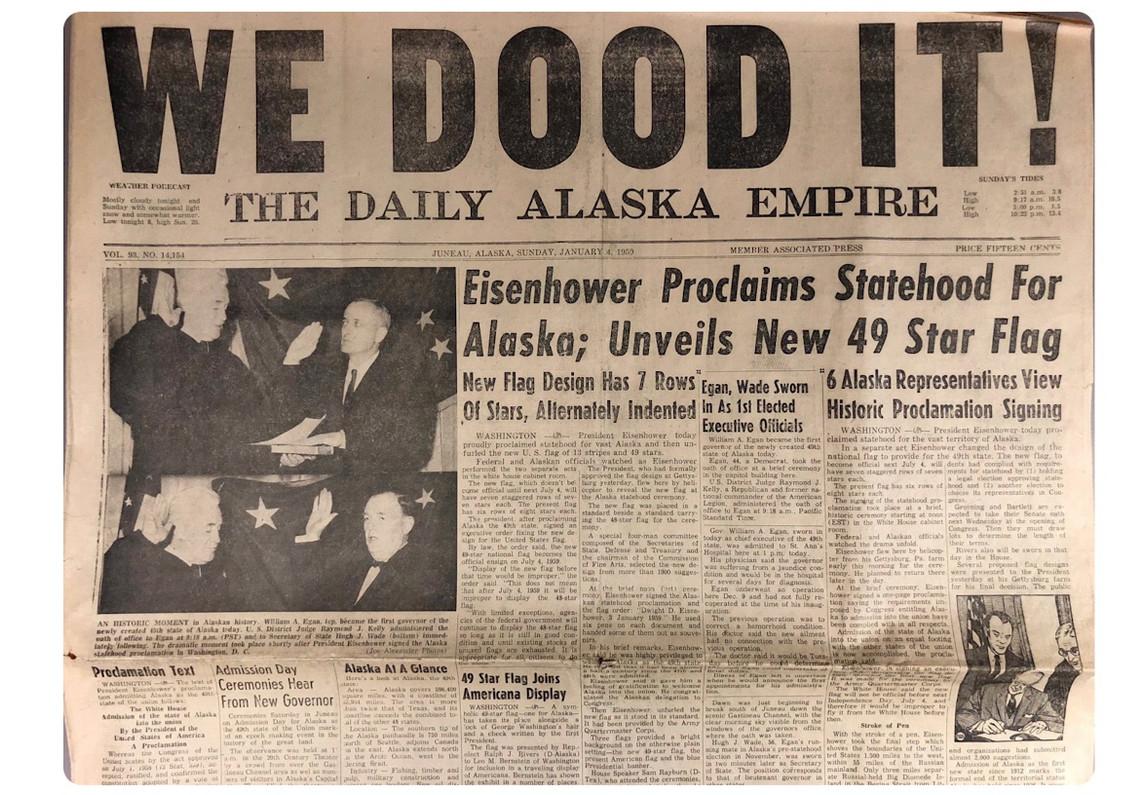
3 January 1959 marks not merely the admission of Alaska as the forty ninth state of the United States, but a historically significant moment representing the transfer of ownership of one of the largest landmasses in modern history. Prior to attaining statehood, Alaska formed part of the Russian Empire and was known as Russian America. Russian expl...
Read More →On November 19, 1987, the Sialkot Municipal Committee introduced the Khadim Ali Shah Industrial Cluster Upgrade Plan, marking a turning point for Punjab’s light-manufacturing sector. At a time when global export demand for sports goods, surgical tools, and leather accessories was rising rapidly, the city’s industrial clusters were struggling wi...
Read More →
The acquisition of land for the Model Town Society was one of the most remarkable and spirited chapters in its early history. Dewan Khem Chand and his...

Between 1921 and 1924, the land for Model Town Lahore was acquired in successive phases. The process began in 1921, shortly after the establishment of...
No comments yet. Be the first to comment!