
Syed Shayan Real Estate Archive
Syed Shayan Real Estate Archive
From Real Estate History
On November 19, 1987, the Sialkot Municipal Committee introduced the Khadim Ali Shah Industrial Cluster Upgrade Plan, marking a turning point for Punjab’s light-manufacturing sector. At a time when global export demand for sports goods, surgical tools, and leather accessories was rising rapidly, the city’s industrial clusters were struggling with outdated infrastructure, unstructured workshops, electricity shortages, and limited access roads. The 1987 upgrade plan initiated systematic zoning of workshops, introduced standardized sheds, created shared utility corridors, and improved access through newly laid link roads connecting the cluster with the wider city.
One of the major milestones of the plan was the development of a dedicated “Small Units Support Zone,” where micro-manufacturers were given low-cost production spaces and joint facility centers. To support export-oriented firms, the plan included modern drainage, voltage-stabilized power lines, and a dry-storage goods yard. The initiative significantly improved Sialkot’s manufacturing efficiency, reducing production delays and attracting the city’s first wave of private industrial investors. These improvements strengthened the foundations for Sialkot’s later transformation into a globally recognized specialty manufacturing hub especially in football manufacturing, medical instruments, and precision metal goods. Beyond industrial impacts, the plan helped absorb the rapidly growing workforce by formalizing unregulated workshops and converting them into registered micro-industries. This gave thousands of workers improved safety, better wages, and more stable working hours. By the early 1990s, export volumes from this region had risen, influencing the creation of the Sialkot Export Processing Zone and motivating private exporters to build cooperative industrial estates. Today, many of the industrial pockets in Sialkot still operate on the spatial framework introduced in 1987, proving the long-term legacy of the municipal upgrade vision.
▪ Reference(s):
19 نومبر 1987 کو سیالکوٹ میونسپل کمیٹی نے خادم علی شاہ انڈسٹریل کلسٹر اپ گریڈیشن پلان کا آغاز کیا، جو پنجاب کے لائٹ مینوفیکچرنگ سیکٹر کے لیے ایک اہم سنگ میل ثابت ہوا۔ اس زمانے میں دنیا بھر میں سیالکوٹ کی اسپورٹس گڈز، سرجیکل آلات اور چمڑے کی مصنوعات کی مانگ تیزی سے بڑھ رہی تھی، مگر انڈسٹریل کلسٹرز پرانی ورکشاپس، بجلی کی کمی اور ناکافی رسائی سڑکوں کے باعث شدید دباؤ میں تھے۔ منصوبے نے ورکشاپس کی زوننگ، معیاری شیڈز، مشترکہ یوٹیلیٹی کورڈورز اور نئی لنک سڑکوں کی تعمیر کا آغاز کیا جس سے صنعتی آمدورفت میں نمایاں بہتری آئی۔ منصوبے کا ایک بڑا قدم “اسمال یونٹس سپورٹ زون” کا قیام تھا جہاں مائیکرو مینوفیکچررز کو کم قیمت پروڈکشن اسپیس اور مشترکہ سہولتی مراکز فراہم کیے گئے۔ برآمدی صنعتوں کی ضروریات کو مدنظر رکھتے ہوئے نکاسی آب، مستحکم بجلی کے نظام اور ڈرائی اسٹوریج یارڈ شامل کیا گیا۔ ان اقدامات نے سیالکوٹ کی پیداواریت میں نمایاں اضافہ کیا، تاخیر کم ہوئیں اور نجی سرمایہ کاروں کی پہلی بڑی لہر شہر میں داخل ہوئی۔ یہ ترقی سیالکوٹ کو عالمی مینوفیکچرنگ مرکز بنانے کی بنیاد بنی—خصوصاً فٹبال، طبی آلات اور دھاتی پرزوں کی صنعت میں۔ منصوبے کے معاشی اثرات کے ساتھ ساتھ ہزاروں مزدوروں کو غیر رسمی ورکشاپس سے باقاعدہ رجسٹرڈ یونٹس میں منتقل کیا گیا، جس سے ان کی آمدنی اور کام کے حالات بہتر ہوئے۔ 1990 کی دہائی کے آغاز تک اس خطے کی برآمدات میں اضافہ ہوا اور ان اقدامات نے ایکسپورٹ پروسیسنگ زون کی بنیاد رکھنے میں اہم کردار ادا کیا۔ آج بھی سیالکوٹ کے کئی صنعتی علاقے 1987 کے اسی فریم ورک پر چل رہے ہیں۔

On November 19, 1991, the Shanghai Municipal Government enacted the Pudong Housing Modernization Blueprint one of the most transformative urban redevelopment plans of pre-WTO China. At a time when Shanghai was emerging as the country’s economic engine, housing shortages, dilapidated worker dormitories, and congested alley-neighborhoods threatened the city’s developmental ambitions. The blueprint targeted Pudong’s eastern districts, introducing large-scale mid-rise residential blocks, earthquake-resistant structural designs, improved ventilation corridors, and integrated public amenities including clinics, schools, and neighborhood markets. It became the first major Chinese housing plan to combine industrial relocation with residential improvement: old factories were shifted outward, freeing land for mixed-use districts. The blueprint also marked the introduction of China’s early “unit-based housing reform,” allowing state employees to partially purchase their government-allotted apartments.Large green belts and open spaces were planned to counter population density, while wide arterial roads connected Pudong with central Shanghai, helping the district evolve from a peripheral industrial zone into a major financial and residential heartland.Within five years, Pudong’s new housing estates improved living standards significantly, replacing substandard shared housing with individual family units. This reshaped social life, strengthened household privacy, and fostered a more stable urban workforce.The blueprint became a national reference model, influencing housing reforms across Beijing, Tianjin, Guangzhou, and Chongqing. It was also foundational in preparing Shanghai for becoming a global investment hub in the 2000s, with Pudong’s transformation serving as a symbol of China’s modernization drive.
▪ Reference(s):
19 نومبر 1991 کو شنگھائی میونسپل حکومت نے پُڈونگ ہاؤسنگ ماڈرنائزیشن بلیوپرنٹ نافذ کیا، جو چین کی شہری ترقی کے بڑے منصوبوں میں سے ایک تھا۔ اس دور میں شنگھائی اقتصادی مرکز کے طور پر ابھر رہا تھا لیکن رہائشی قلت، بوسیدہ مزدور ہوسٹل اور گنجان گلی محلوں نے ترقیاتی رفتار کو خطرے میں ڈال رکھا تھا۔ اس منصوبے نے مشرقی پُڈونگ کو نشانہ بنایا، جہاں درمیانی منزلہ رہائشی بلاکس، مضبوط تعمیراتی ڈھانچے، بہتر ہوا دار راہداریاں، اور کلینکس، اسکولوں، اور مقامی بازاروں جیسے پیداواری سہولیات شامل کی گئیں۔ یہ چین کا پہلا بڑا منصوبہ تھا جس میں صنعتی شفٹنگ اور رہائشی بہتری کو ایک ساتھ جوڑا گیا—پرانے کارخانے شہر کے مضافات منتقل کیے گئے اور ان کی جگہ ملٹی یوز زونز قائم کیے گئے۔ منصوبے نے “یونٹ بیسڈ ہاؤسنگ ریفارم” کا آغاز بھی کیا جس کے تحت سرکاری ملازمین اپنے الاٹ شدہ فلیٹ جزوی طور پر خرید سکتے تھے۔ آبادی کے بوجھ کو کم کرنے کے لیے گرین بیلٹس اور کشادہ سٹرکچرز شامل کیے گئے، جبکہ بڑی آرٹیریل روڈز نے پُڈونگ کو مرکزی شنگھائی سے جوڑ کر اسے صنعتی علاقے سے رہائشی و مالیاتی مرکز میں تبدیل کر دیا۔ پانچ سال کے اندر، پُڈونگ کی نئی ہاؤسنگ اسکیموں نے رہائشی معیار کو کئی گنا بہتر کر دیا، مشترکہ رہائش کے بجائے خاندانی یونٹس عام ہو گئیں، جس سے سماجی استحکام بڑھا۔یہ بلیوپرنٹ پورے چین میں ہاؤسنگ ریفارمز کا نمونہ بنا اور شنگھائی کو 2000 کی دہائی میں عالمی سرمایہ کاری کے لیے تیار کرنے کی بنیاد بنی۔
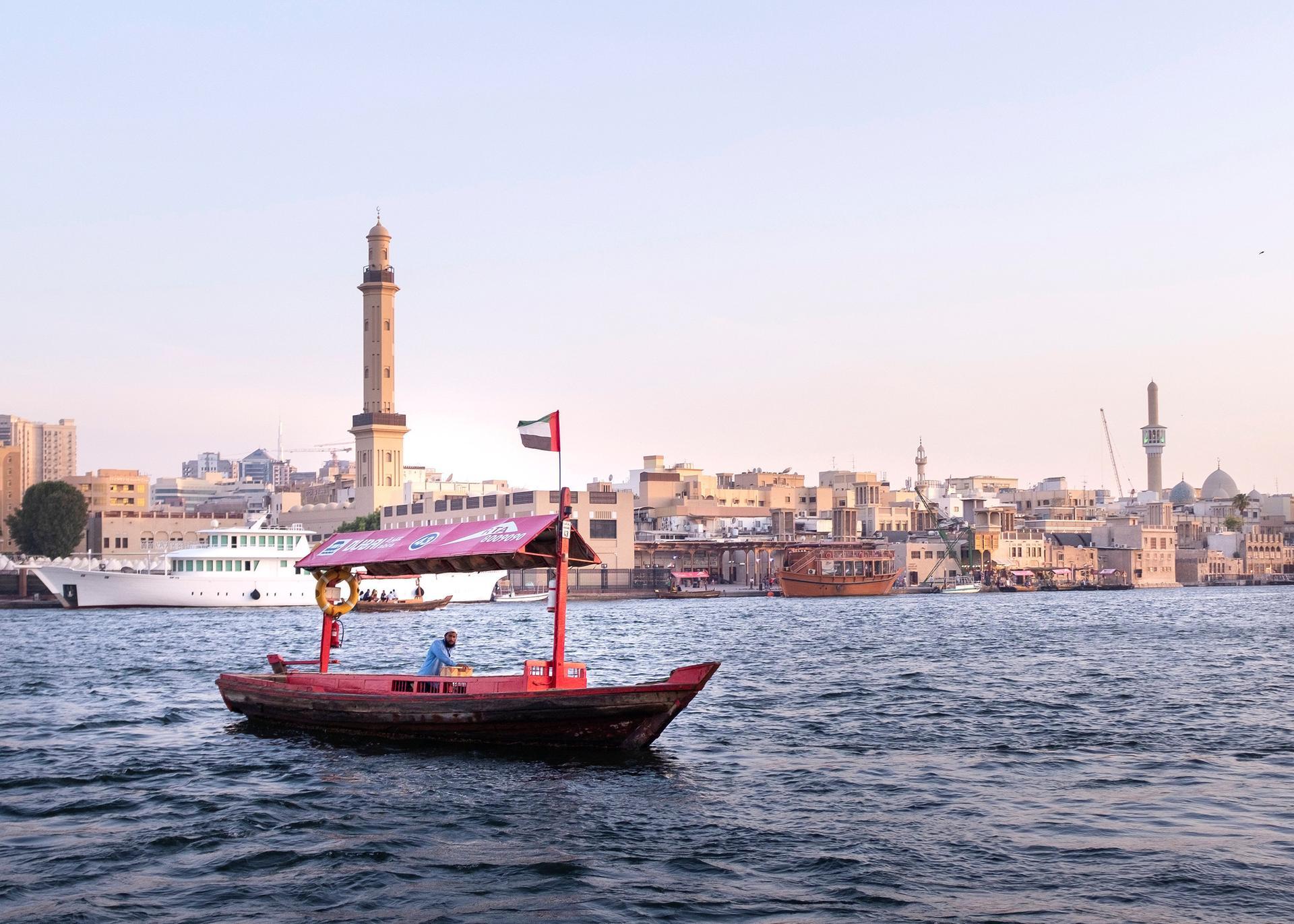
On November 8, 1977, Sheikh Rashid bin Saeed Al Maktoum officially launched the Dubai Creek Expansion Project a defining moment in the city’s urban history that laid the foundation for Dubai’s modern real estate model. The project aimed to deepen and extend the natural creek to allow large cargo ships to enter, transforming Dubai from a small t...
Read More →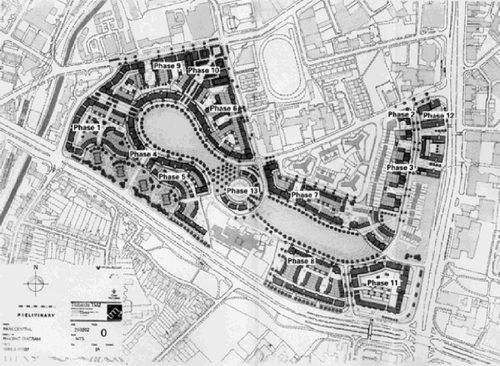
In October 1939, as the clouds of the Second World War gathered over the Indian subcontinent, Lahore stood as the administrative and military heart of British Punjab, a thriving center of commerce, governance, and mobility. During this critical moment, the Punjab Government declared Lahore a War Time Urban Zone and instructed the Lahore Improvement...
Read More →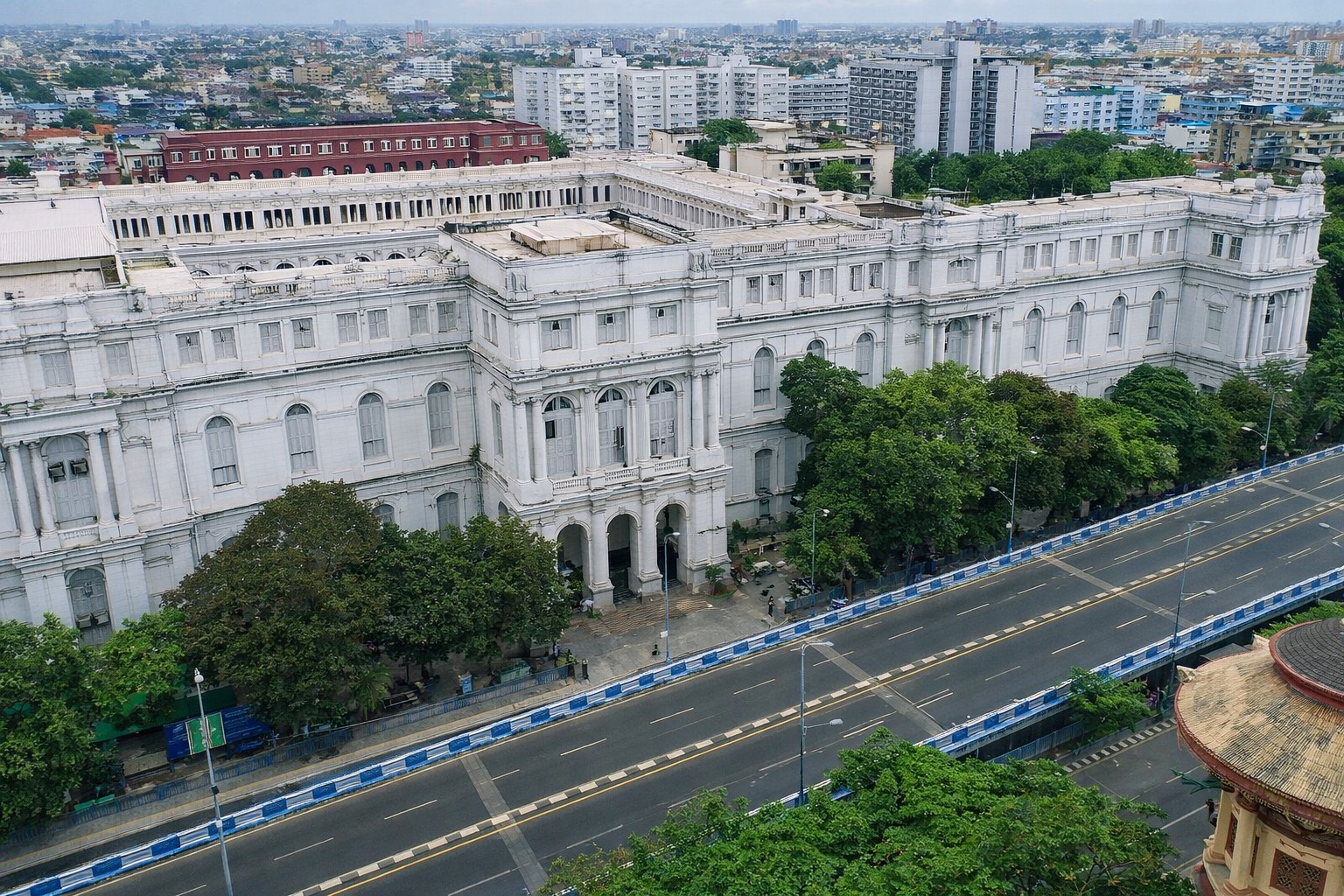
On 2 February, the Indian Museum in Calcutta marks its foundation day. The institution is recognised as the oldest and largest museum in the Indian subcontinent and has played a central role in preserving the region’s architectural legacy, land based civilisations, and archaeological heritage. The history of the museum represents the first orga...
Read More →
On November 19, 1991, the Shanghai Municipal Government enacted the Pudong Housing Modernization Blueprint one of the most transformative urban redevelopment plans of pre-WTO China. At a time when Shanghai was emerging as the country’s economic engine, housing shortages, dilapidated worker dormitories, and congested alley-neighborhoods threatened...
Read More →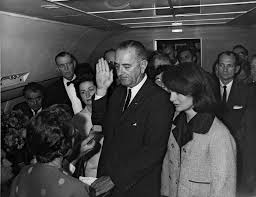
On November 24, 1963, newly sworn-in U.S. President Lyndon B. Johnson addressed the United Nations for the first time following the assassination of President John F. Kennedy. The global community watched closely as Johnson outlined America’s commitments to international cooperation, nuclear arms control, and ongoing development programs under th...
Read More →
The acquisition of land for the Model Town Society was one of the most remarkable and spirited chapters in its early history. Dewan Khem Chand and his...
Between 1921 and 1924, the land for Model Town Lahore was acquired in successive phases. The process began in 1921, shortly after the establishment of...
No comments yet. Be the first to comment!