
Syed Shayan Real Estate Archive
Syed Shayan Real Estate Archive
From Real Estate History
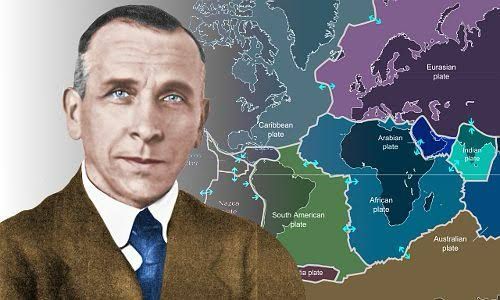
On 6 January 1912, the German geophysicist and meteorologist Alfred Wegener presented for the first time the theory of continental drift during a meeting of the German Geological Association held at the Senckenberg Museum in Frankfurt. In this lecture, Wegener proposed that the Earth’s continents had not always occupied their present positions but were once part of a single large landmass and gradually separated from one another over time.
According to Wegener, all continents were once part of a supercontinent which he named Pangaea. In support of his theory, he presented evidence such as the matching shapes of continental coastlines, the presence of similar fossils on different continents, similarities in rock formations and mountain ranges, and ancient climatic indicators. Although these observations were compelling, Wegener was unable to provide a scientific explanation for the physical mechanism by which continents move. As a result, his theory remained controversial in his own time and was not immediately accepted.
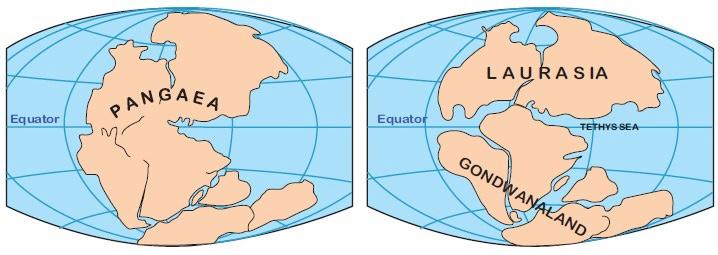
This image shows that all of the Earth’s continents were once joined together as a single supercontinent, Pangaea, and gradually broke apart over time, resulting in the formation of the present day continents.
Later, particularly after the 1950s and 1960s, scientists demonstrated that the oceanic crust gradually spreads and that the Earth’s plates are in constant motion. This research provided a scientific foundation for Wegener’s original idea, leading to the gradual acceptance of the concept.
Today, the structure of the Earth and the movement of continents are understood through the theory of plate tectonics, which represents the scientific completion of Alfred Wegener’s original concept. Wegener’s theory has thus come to be regarded as a fundamental milestone in the history of modern geological science. Although he was unable to prove the theory of continental movement on firm scientific grounds during his lifetime, subsequent research confirmed the validity of his core insight. For this reason, Alfred Wegener is recognised in modern geology as the “Father of the Continental Drift Theory,” while the scientific development and detailed explanation of plate tectonics are considered the result of the collective work of later scientists.
▪️Syed Shayan Real Estate Archive
▪ Reference(s):
6 جنوری 1912 کو جرمن ماہرِ ارضی طبیعیات اور موسمیات الفریڈ ویگنر (Alfred Wegener) نے فرینکفرٹ میں واقع Senckenberg Museum میں جرمن جیالوجیکل ایسوسی ایشن کے اجلاس کے دوران پہلی مرتبہ براعظموں کے سرکنے (Continental Drift) کا نظریہ باضابطہ طور پر پیش کیا۔ اس لیکچر میں ویگنر نے یہ تصور پیش کیا کہ زمین کے براعظم ہمیشہ اپنی موجودہ جگہوں پر نہیں رہے بلکہ ماضی میں ایک ہی بڑے زمینی قطعے کا حصہ تھے اور وقت کے ساتھ آہستہ آہستہ ایک دوسرے سے الگ ہوتے چلے گئے۔
ویگنر کے مطابق تمام براعظم کبھی ایک عظیم براعظم کا حصہ تھے جسے اس نے پینجیا (Pangaea) کا نام دیا۔ اس نظریے کے حق میں اس نے براعظموں کی مماثل ساحلی ساخت، مختلف براعظموں میں ایک جیسے فوسلز کی موجودگی، چٹانوں اور پہاڑی سلسلوں کی یکسانیت، اور قدیم موسمی شواہد کو بطور دلیل پیش کیا۔ اگرچہ یہ مشاہدات مضبوط تھے، لیکن ویگنر براعظموں کی حرکت کے عملی مکینزم کی سائنسی وضاحت پیش نہ کر سکا، جس کی وجہ سے اس کا نظریہ اپنے دور میں متنازع رہا اور فوری طور پر قبول نہیں کیا گیا۔
یہ تصویر دکھاتی ہے کہ زمین کے تمام براعظم کبھی ایک ہی عظیم براعظم پینجیا کی صورت میں جڑے ہوئے تھے اور وقت کے ساتھ بتدریج ٹوٹ کر الگ ہوتے گئے، جس کے نتیجے میں موجودہ براعظم وجود میں آئے
بعد میں، خاص طور پر 1950 اور 1960 کے بعد، سائنس دانوں نے ثابت کیا کہ سمندری تہہ بتدریج پھیلتی ہے اور زمین کی پلیٹس حرکت کرتی ہیں، جس کے نتیجے میں الفریڈ ویگنر کے تصور کو سائنسی بنیاد حاصل ہوئی اور یہ نظریہ بتدریج تسلیم کر لیا گیا۔
آج زمین کی ساخت اور براعظموں کی حرکت کو پلیٹ ٹیکٹونکس (Plate Tectonics) کے نظریے کے تحت سمجھا جاتا ہے، جو الفریڈ ویگنر کے ابتدائی تصور کی سائنسی تکمیل ہے۔ اس طرح ویگنر کا نظریہ جدید ارضیاتی سائنس کی تاریخ میں ایک بنیادی سنگِ میل کی حیثیت اختیار کر چکا ہے۔ اگرچہ الفریڈ ویگنر اپنی زندگی میں براعظموں کی حرکت کے نظریے کو مکمل سائنسی بنیادوں پر ثابت نہ کر سکا، تاہم بعد کی تحقیق نے اس کے بنیادی تصور کو درست ثابت کر دیا۔ اسی بنا پر جدید ارضیاتی سائنس میں الفریڈ ویگنر کو “Father of the Continental Drift Theory” تسلیم کیا جاتا ہے، جبکہ پلیٹ ٹیکٹونکس کے نظریے کی سائنسی تکمیل اور وضاحت بعد کے سائنس دانوں کی مشترکہ کاوشوں کا نتیجہ سمجھی جاتی ہے۔
▪️ سید شایان ریئل اسٹیٹ آرکائیو

On October 30, 1975, New York City narrowly averted financial catastrophe when President Gerald Ford authorized crucial federal loan guarantees, preventing complete municipal bankruptcy that would have devastated the city's real estate market. The escalating financial crisis had threatened to halt all essential municipal services and construction p...
Read More →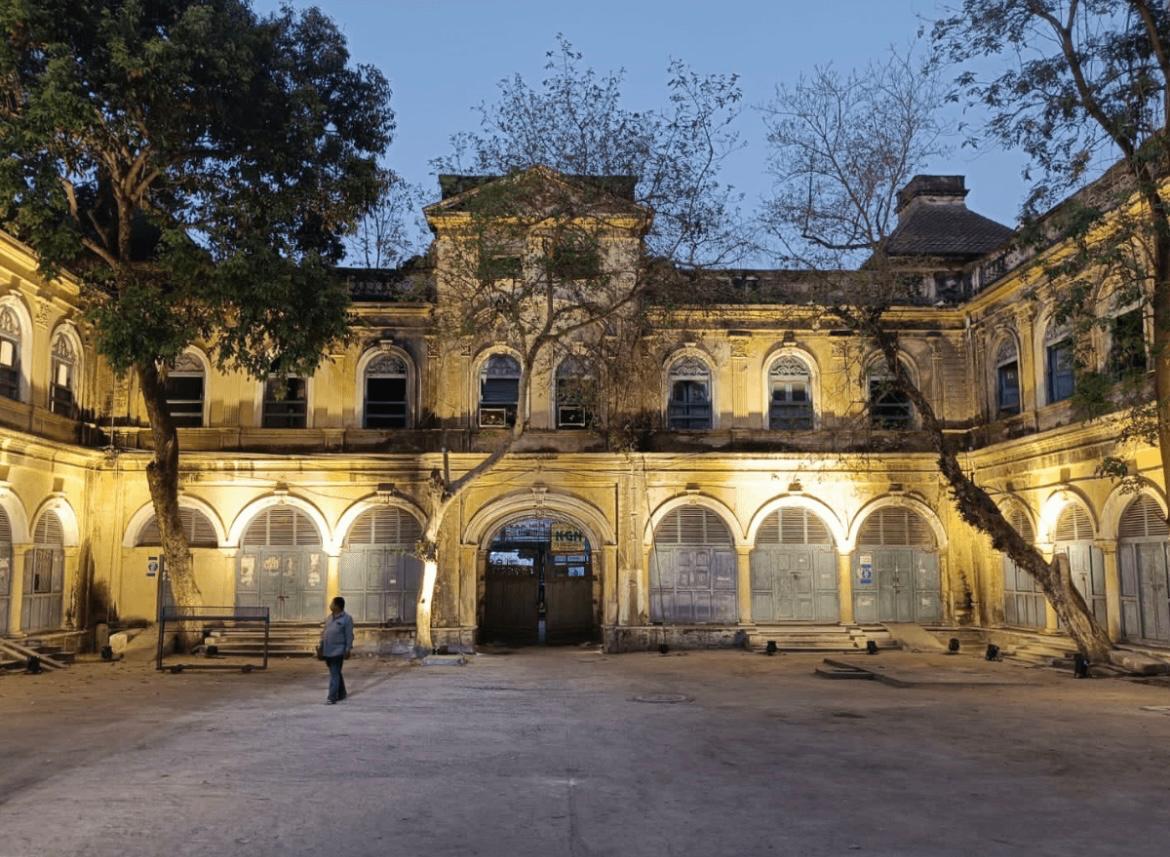
On 24 January 1965, the historic Sardar Mahal, located in Hyderabad, was placed under official municipal control following the failure to clear outstanding property tax dues. After the takeover, the premises were repurposed for municipal administrative use. The action was carried out by the Hyderabad Municipal Corporation, which was later reorgani...
Read More →On October 26, 1933, the US New Deal introduced transformative housing reforms during the Great Depression. The Home Owners' Loan Corporation (HOLC) and Federal Housing Administration (FHA) were established to prevent foreclosures, stabilize property values, and introduce long-term amortized mortgages. These initiatives revolutionized home financin...
Read More →
London: In the history of economic thought, 9 January 1799 is remembered as a decisive moment when the British Prime Minister, William Pitt the Younger, formally imposed income tax on rents derived from property. This measure was not introduced as part of a planned economic reform but was driven by the extraordinary financial pressures arising from...
Read More →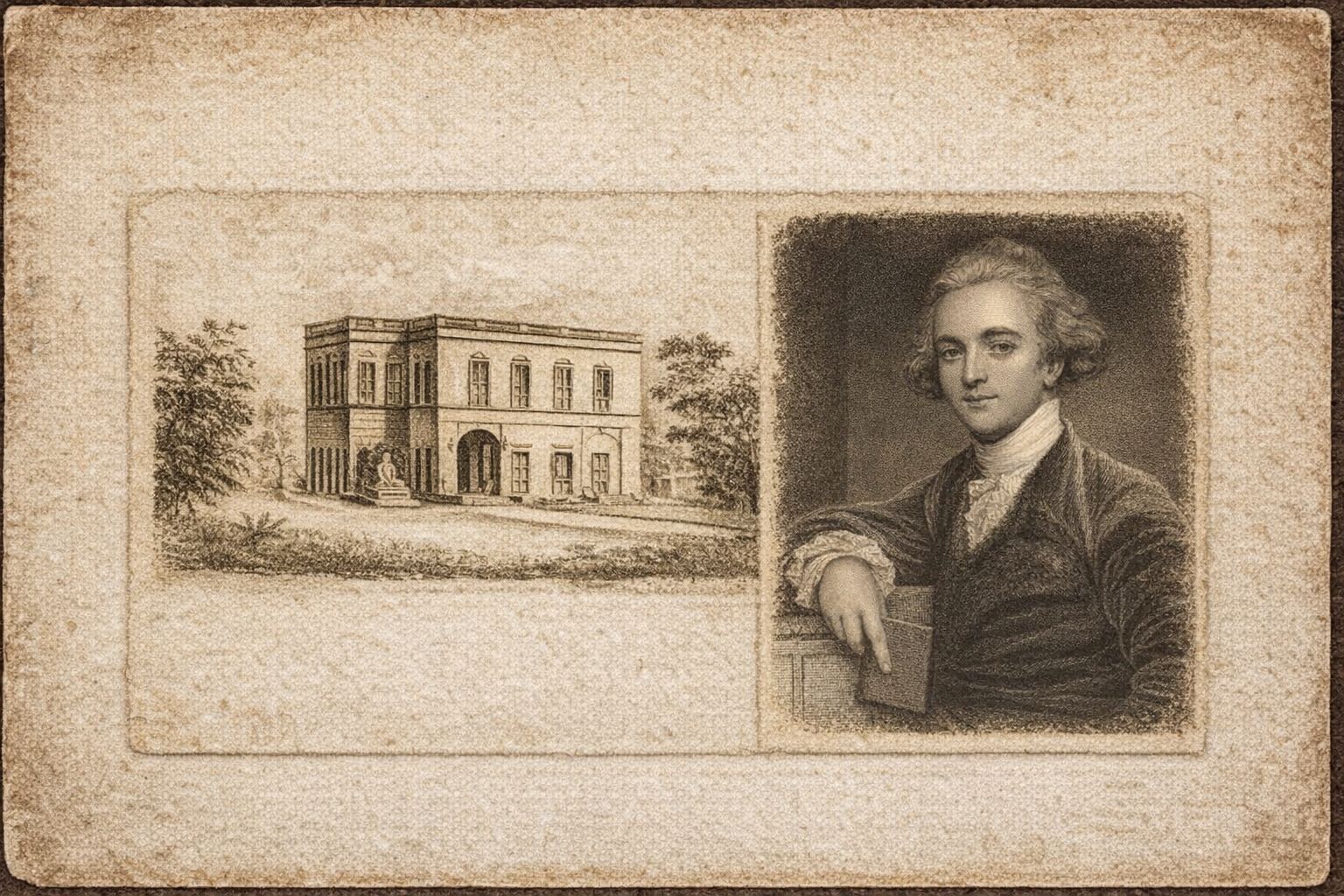
Exactly 242 years ago, on 15 January 1784, the Asiatic Society of Bengal was founded in Calcutta by Sir William Jones. On the same day, the Society convened its first formal meeting. The institution emerged as the earliest organised centre in the subcontinent dedicated to the systematic study of ancient manuscripts, archaeology, and geographical kn...
Read More →
The acquisition of land for the Model Town Society was one of the most remarkable and spirited chapters in its early history. Dewan Khem Chand and his...
Between 1921 and 1924, the land for Model Town Lahore was acquired in successive phases. The process began in 1921, shortly after the establishment of...
No comments yet. Be the first to comment!