
Syed Shayan Real Estate Archive
Syed Shayan Real Estate Archive
From Real Estate History
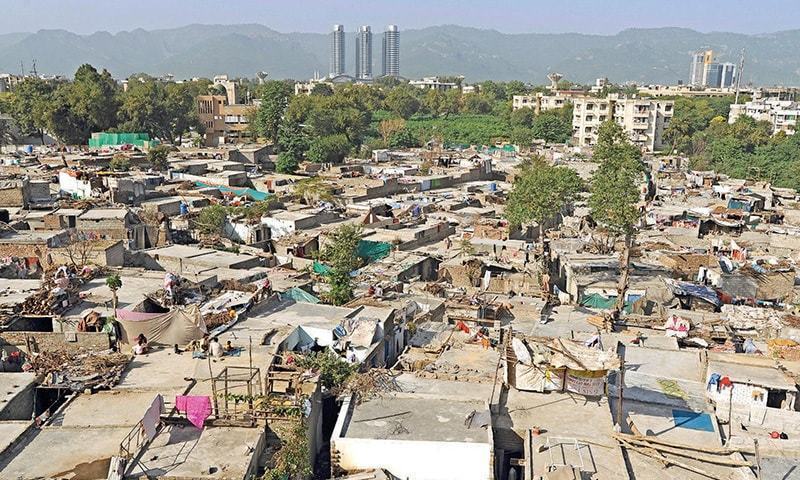
On November 5, 1987, the Government of Pakistan approved one of the largest informal settlement upgrading programs in South Asia, granting legal recognition and development support to thousands of low-income households living in Karachi's katchi abadis. The policy, supported by international urban development agencies, aimed to regularize slums, secure land titles for residents, and improve essential services including water supply, sanitation, electricity, and road access.With Karachi expanding rapidly due to migration and urbanization, nearly 40% of its population lived in informal settlements at the time. Instead of eviction-based approaches, the government adopted a 'site-and-services' model, allowing families to remain in place while introducing infrastructure upgrades and community-run housing committees. The initiative helped reduce informal housing insecurity and enabled residents to gradually improve their homes through self-financing and micro-credit support.Urban planners viewed the move as a pragmatic recognition of urban realities and a milestone in pro-poor housing policy, influencing similar projects in Lahore, Rawalpindi, and Peshawar.
▪ Reference(s):
5 نومبر 1987 کو پاکستان کی حکومت نے کراچی کی کچی آبادیوں کو قانونی حیثیت دینے اور بہتر بنانے کے لیے ایک تاریخی رہائشی پالیسی منظور کی۔ اس پروگرام کے تحت ہزاروں کم آمدنی والے خاندانوں کو زمین کے حقوق، پانی، نکاس، بجلی اور سڑکوں جیسی بنیادی سہولیات فراہم کرنے کا فیصلہ کیا گیا۔اس وقت کراچی کی تقریباً 40 فیصد آبادی غیر رسمی بستیوں میں رہتی تھی۔ حکومت نے جبری انخلا کی بجائے 'سائٹ اینڈ سروسز' ماڈل اپنایا، جس کے مطابق لوگ اپنی جگہ رہتے ہوئے حکومتی اور کمیونٹی تعاون سے اپنے گھروں اور محلوں کو بہتر بنا سکے۔ اس اقدام نے شہری غریب طبقے کے رہائشی عدم تحفظ کو کم کیا اور خاندانوں کو بتدریج بہتر رہائشی تعمیرات کی طرف لایا۔ ماہرین کے مطابق یہ فیصلہ پاکستان کی کم آمدنی والے شہریوں کے لیے سب سے بڑی ہاؤسنگ اصلاحات میں سے تھا، جس نے مستقبل میں لاہور، راولپنڈی اور پشاور میں بھی اسی طرز کے منصوبوں کی راہ ہموار کی۔
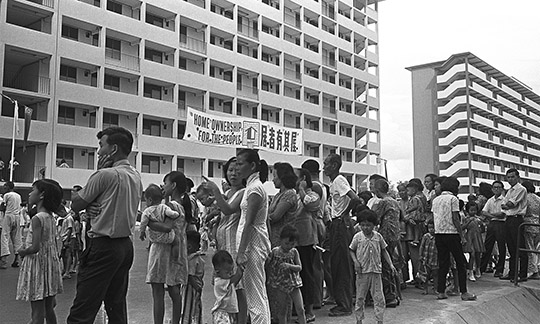
On November 5, 1989, Singapore announced a major expansion to its Housing & Development Board (HDB) home-ownership model, creating policies that allowed low- and middle-income families to purchase improved public flats with government-backed financing. The initiative marked a new chapter in Singapore’s urban housing revolution, aimed at transitioning the nation from rental-based welfare housing to widespread homeownership.The upgraded scheme introduced affordable mortgage finance, longer repayment terms, and subsidized interest rates, helping workers secure property ownership in growing residential districts. It also prioritized community-centered planning with integrated schools, clinics, public parks, transport hubs, and neighborhood commercial centers to ensure balanced urban life. This policy shift drastically reduced informal settlements and lifted Singapore’s home-ownership rates above 85%, positioning the country as a global model of public-sector-driven housing development. Experts praised the reform for creating social stability, reducing inequality, and establishing long-term wealth creation pathways for working families.
▪ Reference(s):
5 نومبر 1989 کو سنگاپور نے اپنی ہاؤسنگ اینڈ ڈیولپمنٹ بورڈ (HDB) پالیسی میں تاریخی توسیع کا اعلان کیا، جس کے تحت کم اور متوسط آمدنی والے شہریوں کو آسان مالی سہولت کے ساتھ سرکاری گھروں کے مالک بننے کا موقع فراہم ہوا۔ یہ اقدام سنگاپور کے رہائشی انقلاب کا اہم مرحلہ تھا جس کا مقصد کرایہ دار معاشرے کو ملکیتی رہائش کے ماڈل میں تبدیل کرنا تھا۔حکومت نے سبسڈی والے قرض، آسان قسطیں اور کم شرح سود متعارف کرائی جبکہ نئے رہائشی علاقوں میں اسکول، ہسپتال، پارکس، ٹرانسپورٹ اور تجارتی مراکز شامل کیے گئے تاکہ مکمل شہری سہولتیں مہیا کی جا سکیں۔ اس پالیسی کے نتیجے میں کچی آبادیوں میں کمی آئی اور سنگاپور کی گھر ملکیتی شرح 85٪ سے تجاوز کر گئی۔ ماہرین کے مطابق یہ اصلاح شہری استحکام، معاشی تحفظ اور درمیانے طبقے کے لیے اثاثہ سازی کے مواقع پیدا کرنے میں سنگ میل ثابت ہوئی۔

On October 29, 2004, construction began on Dubai's Burj Khalifa, transforming global real estate perceptions and establishing the Middle East as a major property development hub. The world's tallest building project generated unprecedented demand for luxury properties in surrounding areas and set new standards for high-rise construction internation...
Read More →
On October 23, 1972, pioneering energy efficiency standards for commercial buildings were enacted, establishing the first comprehensive requirements for energy conservation in commercial construction. These regulations emerged during the energy crisis era, addressing growing concerns about resource conservation and building operating costs. The sta...
Read More →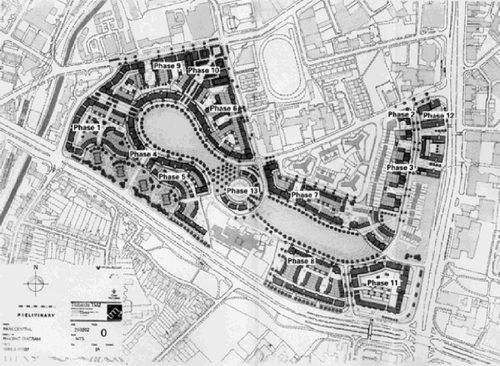
In October 1939, as the clouds of the Second World War gathered over the Indian subcontinent, Lahore stood as the administrative and military heart of British Punjab, a thriving center of commerce, governance, and mobility. During this critical moment, the Punjab Government declared Lahore a War Time Urban Zone and instructed the Lahore Improvement...
Read More →
On October 25, 1967, Pakistan introduced the Urban Development and Housing Reform Act, which marked a turning point in national city planning. The legislation established urban development authorities and zoning regulations for major cities like Karachi, Lahore, and Islamabad. It promoted structured urban growth, affordable housing, and better muni...
Read More →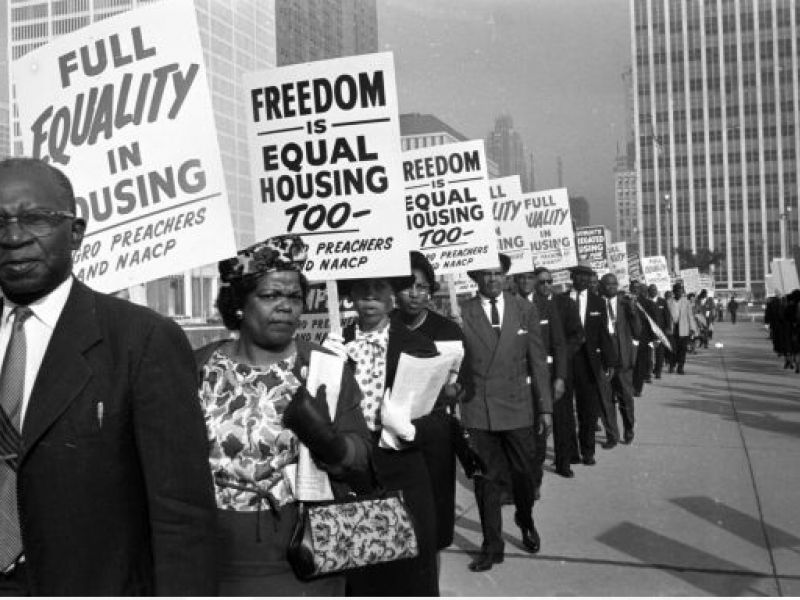
On 5 December 1957, New York City became the first city in the United States to enact legislation prohibiting racial and religious discrimination in the housing market. On this date, the New York City Council approved the Fair Housing Practices Law, which made it unlawful to discriminate in the sale, purchase, or rental of housing on the grounds ...
Read More →
The acquisition of land for the Model Town Society was one of the most remarkable and spirited chapters in its early history. Dewan Khem Chand and his...

Between 1921 and 1924, the land for Model Town Lahore was acquired in successive phases. The process began in 1921, shortly after the establishment of...
No comments yet. Be the first to comment!